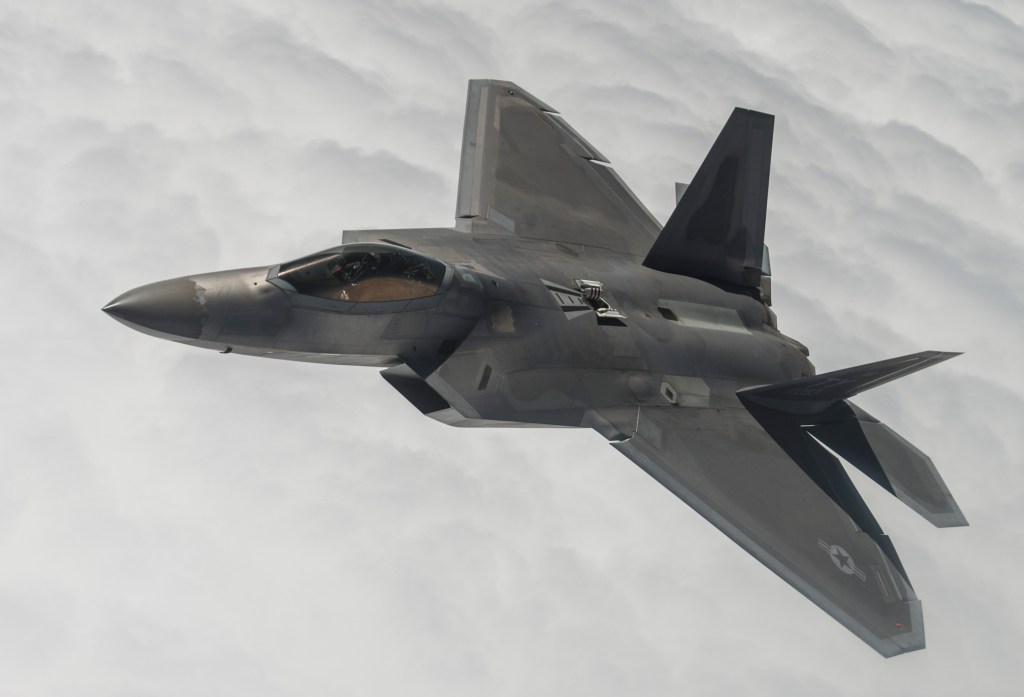
Last year saw 18,745 Air Combat Command airmen deploy to 101 countries in support of U.S. national security objectives – a pace of missions the command is concerned is taking a toll on airmen with no letup in sight.
The Air Force’s top combat office is concerned that the pace of missions is taking a toll on airmen, but said there’s unlikely to be any changes to the tempo in the near future.
Air Combat Command’s 2015 Strategy document, released Monday, notes that “More than two decades of sustained combat operations have imposed tremendous stress on our airmen,” the command’s 2015 strategy document, released Monday, says.
“While the number of airmen has decreased, the number of [deployments] and taskings remain at historic highs,” the document says. “This understandably increases the stress on both airmen and their families.”
According to information from the combat office, 18,745 airmen in the ACC deployed to 101 countries in support of U.S. national security objectives just last year alone.
But the annual strategy, signed by ACC commander Gen. Herbert “Hawk” Carlisle, says the fast pace is likely to persist for some time given the current national security challenges.
“In the midst of a particularly challenging time for the Air Force, we have more mission than we have people, time, or money,” the report says. “That dynamic will likely continue into the future based on the challenging trends we see in the global strategic environment.”
The report said that ACC “will continue to foster the four pillars of fitness – mental, physical, social, and spiritual.”
Part of that is a zero tolerance toward anything that may harm airmen or their readiness. The three biggest threats are sexual assaults, illegal drug use, and “self-defeating behavior,” which includes suicides, ACC said.
“The smaller our force becomes, the more critical each individual airman becomes,” the document said. “We cannot sit on the sidelines as bystanders and watch a fellow airman destroy their own or another’s life.”
ACC also said it wants to increase communication and cooperation with reserve components, which are increasingly being called upon to deploy to combat zones.
“We can no longer afford to make an operational distinction between Active, Reserve, and Guard components as well as our civilian Airmen,” the report said. “We are all part of one force and must serve seamlessly to win today’s fight and prepare for tomorrow.”
Part of getting the best airmen is training, and ACC said it wants to work with the Air Force Research Laboratory to create better virtual trainers and integration with live exercises. Also, the report said, new training methods need to be better applied to nonlethal activities, including maintenance, personnel recovery and tactical air control.
Carlisle said he wants airmen to remain positive about the service’s mission and goals.
“As the demand for ACC’s combat capabilities, resources, and manpower continues to increase, we must remain agile, flexible and adaptable as an organization and establish an underlying culture that remains optimistic,” he said in the report. “Our airmen are the lifeblood of this command.”