What began as a tumultuous year for the Air Force’s nuclear community — highlighted by a cheating scandal and reports of low morale across the missileer force — evolved into a year of change for the airmen under Global Strike Command. And more change is coming.
Lt. Gen. Stephen Wilson, commander of Global Strike Command, said that the command’s Force Improvement Program — a bottom-up review of morale, career and performance evaluation issues — has changed how the command operates.
“When you really get at it, it’s really a philosophy,” Wilson said in a Sept. 10 interview. “Our airmen own it.”
The catalyst
In January, the Air Force announced that almost 100 missileers at Malmstrom Air Force Base, Montana, were caught up in an investigation of cheating on monthly proficiency exams. This came as missileers across the command reported low morale and career challenges, according to a RAND Corp. study.
In response, Wilson and other Air Force leaders began the Force Improvement Program. Officials spoke directly with airmen of all ranks, from missileers to security forces airmen on patrol, and took recommendations on how to improve the community.
That review, which began in February, led to more than 600 recommendations from airmen, and about 95 percent have been approved for further development, Wilson said.
“These are ideas coming from airmen,” Wilson said. “They are by airmen for airmen.”
The first changes came shortly after the review began. The Air Force approved incentive pay and bonuses for missileers, exchange programs across bases and with the Navy, and infrastructure upgrades at missile bases.
Earlier this month, Global Strike Command announced that recommendations from security forces airmen have been adopted. Security forces airmen will receive new MultiCam uniforms, including Generation III cold-weather gear that airmen at the northern, remote bases asked for. These airmen will receive matching personal protective equipment, such as helmets and vests.
The command is also reviewing the weapons and vehicles these airmen use. Security forces airmen largely patrol missile bases in Humvees, which are not as well-suited for their mission as vehicles such as the newer Lenco BearCat, which the command has fielded for some of its security forces airmen.
Improvements for missileers
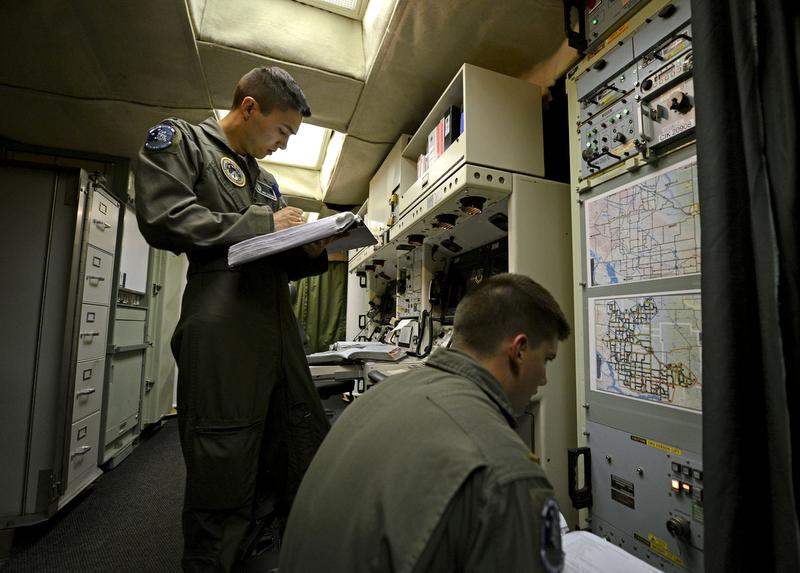
The Force Improvement Program primarily has focused on nuclear missile officers, who caught national headlines for the cheating incident at Malmstrom. Since then, the Air Force has moved away from a testing system that emphasized perfection. Instead of the previous 90 percent threshold needed to pass proficiency exams, missileers now test pass/fail.
Missileers had reported undermanning, which led to overwork and stress. In response, the Air Force has approved 1,120 positions for the nuclear enterprise, which brings each of the wings in the command up to 100 percent effective manning.
The command has changed its operations construct to rotate airmen among wings throughout their careers, starting with three years as a deputy crew commander and crew commander, then moving to another base to work as a flight commander and evaluator.
The command is looking at reducing the administrative burden on airmen starting with the personnel reliability program. Missileers reported frustration with requirements for work leave for something as minor as a dental checkup, Wilson said. Previously, a missileer would have to report to the personnel reliability program and get commander approval to be off alert for an appointment. The missileer would then have to get approval to return to alert status and that could take days. Now it is up to the commanders and airmen to determine their reliability case by case, and schedule time off and return to work with less paperwork.
Most of the changes are in the test phase at Minot, with plans to expand to Malmstrom and F.E. Warren Air Force Base, Wyoming.
“It’s about the future. Right now we’ve got a lot of changes going on. We believe that change is central to how we’re going to operate, and how we have to operate” Wilson said.
Review of bombers
The Force Improvement Program spread to bomb wings following the missile bases, and airmen there have recommended 215 improvements in areas such as bomber fleet maintenance equipment, rotations for the service’s continuous bomber presence in the Pacific, and total force integration, Wilson said.
The teams looking at these recommendations are expected to report back later this month.
This comes as the command is working to upgrade its fleet, which includes some of the oldest aircraft in the Air Force. The command flies 76 B-52 Stratofortresses, which have an average age of 52.6. Crews have been able to keep this bomber at a mission-capable rate of 73.5 percent for fiscal 2014, despite its age and with a large-scale avionics upgrade.
The Combat Network Communications Technology upgrade, also called CONECT, is a large-scale software and hardware upgrade that brings new servers, modems, radios, data-links and workstations to the aircraft.
The service’s B-2s are also undergoing modernization, all while Global Strike is working with Air Combat Command on requirements for the Long Range Strike Bomber. The solicitation for that program went out this summer, with a target of the mid-2020s for initial operating capability.
Global Strike is planning its replacement program for the 41-year-old UH-N1 Huey helicopters that it uses for missile base security.
The future
The near-term future of Global Strike rests on its Force Improvement Program, focused on constant improvement within the command. Wilson has created a new office dedicated to continuing contact with airmen to ensure that their ideas make their way up to the command and even to top Air Force leaders.
“This is owned by the airmen,” he said. “This is their program. This is what you do, every day, to improve the force. It’s a philosophy, to show up and make it better every day.”
The goal of the changes is to make sure airmen feel empowered and know their work is important, an issue that came up in the review of morale in the missile community. The education, training and experience of airmen need to improve so missileers and other airmen know that their mission is important going forward, Wilson said.
“The nuke enterprise is about the future. Not about the past,” he said. “It’s about what we could be rather than what we have been.”