-
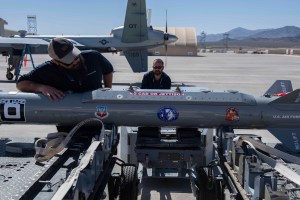
Fur-midable: US Air Force pairs Angry Kitten jammer with Reaper drone
Angry Kitten’s name is a brew of inside joke and design goals, and is a departure from the typically terrifying military moniker, like Hellfire or Stryker.
-
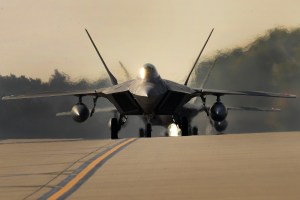
F-22 cut from US Air Force data-sharing prototype
Officials told the GAO the decision to exclude the F-22 stems from the fighter’s “reduced role in the future force structure,” among other factors.
-

‘Special pay’ keeps Pentagon’s cyber experts from jumping ship
Services “spent at least $160 million on cyber retention bonuses annually” from fiscal 2017 to 2021, the Government Accountability Office said.
-

Drones critical to US info-warfare playbook, Air Force’s Kennedy says
Military adoption and deployment of drones has ballooned in recent years, with the Russia-Ukraine war pushing their use into the popular spotlight.
-
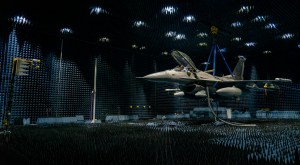
Air Force may put Angry Kitten in planes for electronic warfare edge
Despite the inoffensive name — a far cry from Reaper or Predator drones or Hellfire missiles — the electronic warfare system can bare its claws.
-
How war in Ukraine is informing future US Air Force networks
“If I were to summarize a lesson learned, it would be we can’t have enough coalition connectivity fast enough.”
-
Air Force using AI to improve weather models for military planning
“When planning military operations,” the deputy CIO said, “the weather can be a huge determiner of success or failure.”
-

Time is now to reconsider autonomous weapons rules, Horowitz says
Michael Horowitz regards directive 3000.09 as “the world’s first policy statement on autonomous weapon systems,” a “remarkable document in many ways.”
-
Fur-midable: US Air Force pairs Angry Kitten jammer with Reaper drone
Angry Kitten’s name is a brew of inside joke and design goals, and is a departure from the typically terrifying military moniker, like Hellfire or Stryker.
-
F-22 cut from US Air Force data-sharing prototype
Officials told the GAO the decision to exclude the F-22 stems from the fighter’s “reduced role in the future force structure,” among other factors.
-
‘Special pay’ keeps Pentagon’s cyber experts from jumping ship
Services “spent at least $160 million on cyber retention bonuses annually” from fiscal 2017 to 2021, the Government Accountability Office said.
-
Drones critical to US info-warfare playbook, Air Force’s Kennedy says
Military adoption and deployment of drones has ballooned in recent years, with the Russia-Ukraine war pushing their use into the popular spotlight.
-
Air Force may put Angry Kitten in planes for electronic warfare edge
Despite the inoffensive name — a far cry from Reaper or Predator drones or Hellfire missiles — the electronic warfare system can bare its claws.
-
How war in Ukraine is informing future US Air Force networks
“If I were to summarize a lesson learned, it would be we can’t have enough coalition connectivity fast enough.”
-
Air Force using AI to improve weather models for military planning
“When planning military operations,” the deputy CIO said, “the weather can be a huge determiner of success or failure.”
-
Time is now to reconsider autonomous weapons rules, Horowitz says
Michael Horowitz regards directive 3000.09 as “the world’s first policy statement on autonomous weapon systems,” a “remarkable document in many ways.”
-
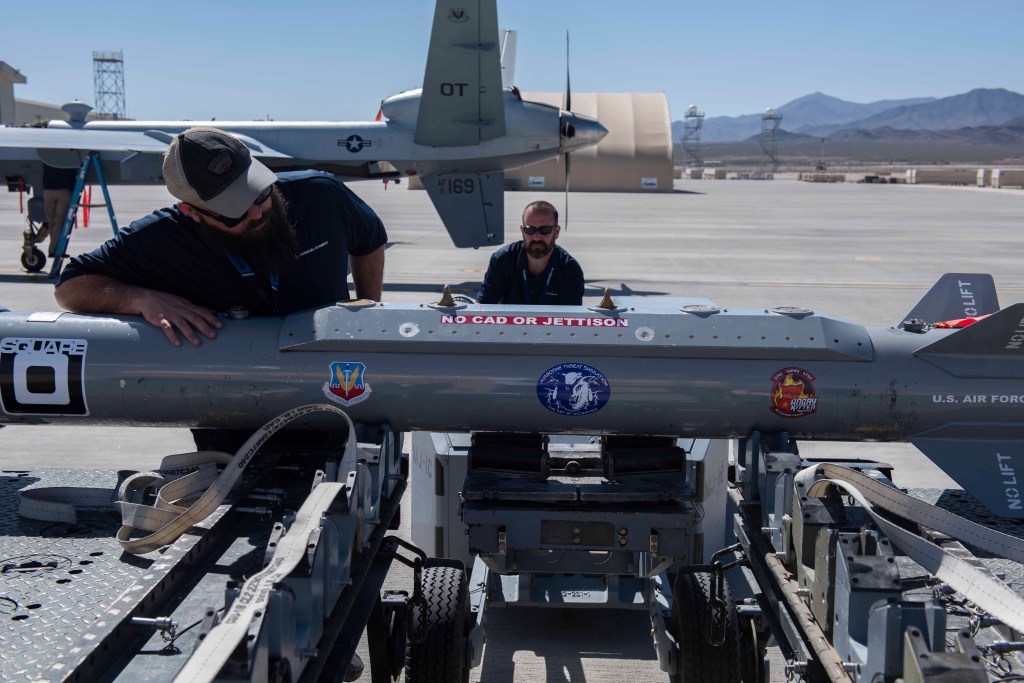
Fur-midable: US Air Force pairs Angry Kitten jammer with Reaper drone
Angry Kitten’s name is a brew of inside joke and design goals, and is a departure from the typically terrifying military moniker, like Hellfire or Stryker.
-
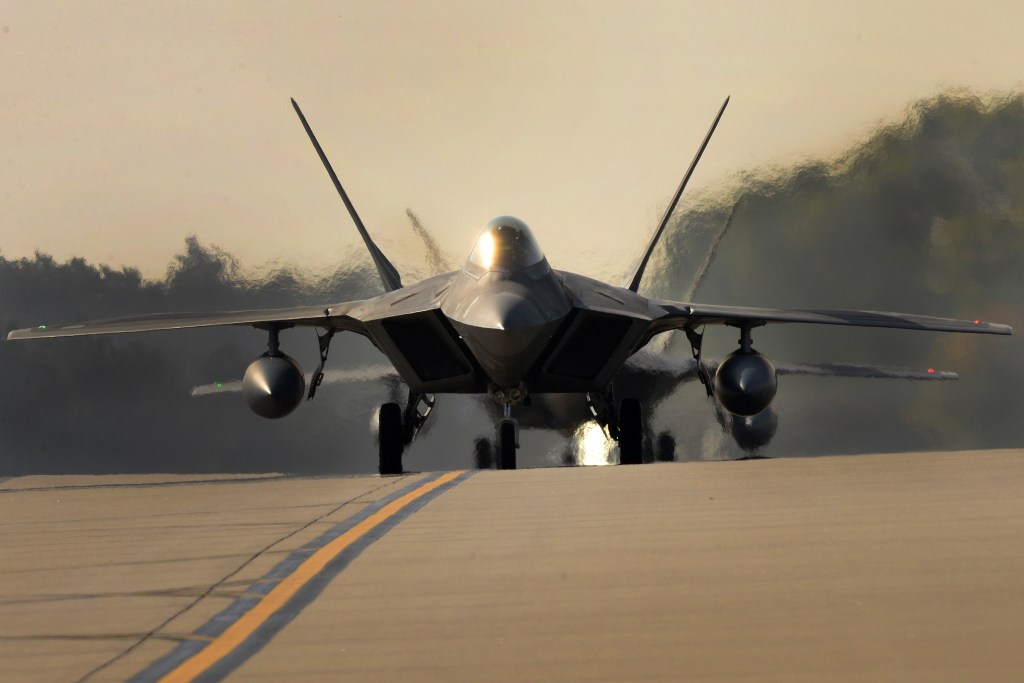
F-22 cut from US Air Force data-sharing prototype
Officials told the GAO the decision to exclude the F-22 stems from the fighter’s “reduced role in the future force structure,” among other factors.
-

‘Special pay’ keeps Pentagon’s cyber experts from jumping ship
Services “spent at least $160 million on cyber retention bonuses annually” from fiscal 2017 to 2021, the Government Accountability Office said.
-

Drones critical to US info-warfare playbook, Air Force’s Kennedy says
Military adoption and deployment of drones has ballooned in recent years, with the Russia-Ukraine war pushing their use into the popular spotlight.
-
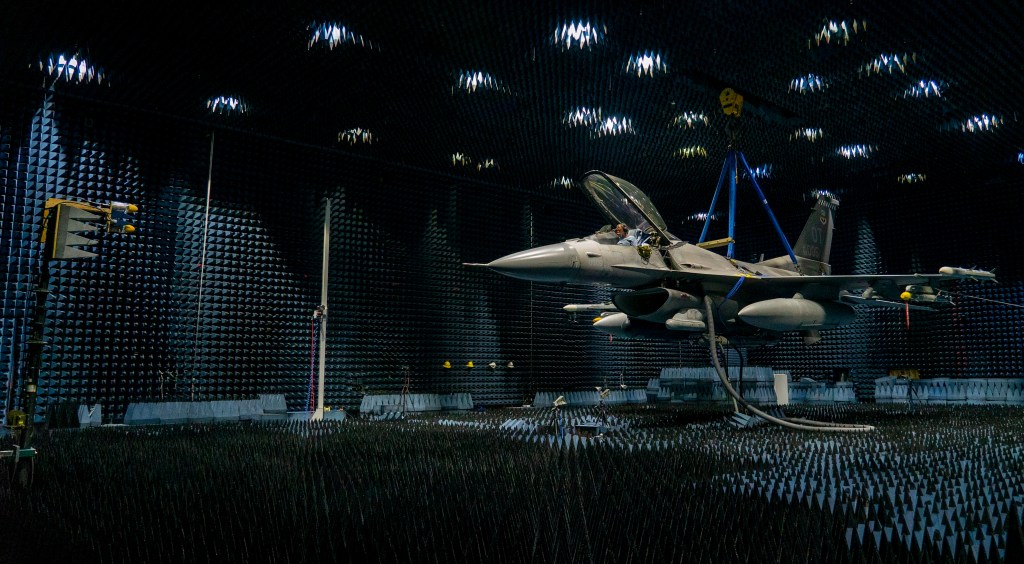
Air Force may put Angry Kitten in planes for electronic warfare edge
Despite the inoffensive name — a far cry from Reaper or Predator drones or Hellfire missiles — the electronic warfare system can bare its claws.
-
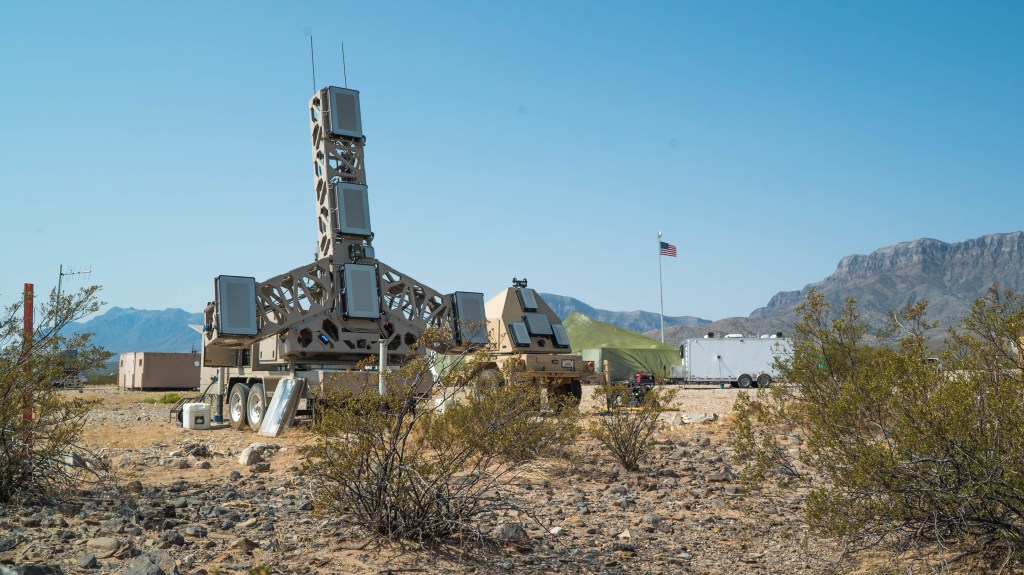
How war in Ukraine is informing future US Air Force networks
“If I were to summarize a lesson learned, it would be we can’t have enough coalition connectivity fast enough.”
-

Air Force using AI to improve weather models for military planning
“When planning military operations,” the deputy CIO said, “the weather can be a huge determiner of success or failure.”
-
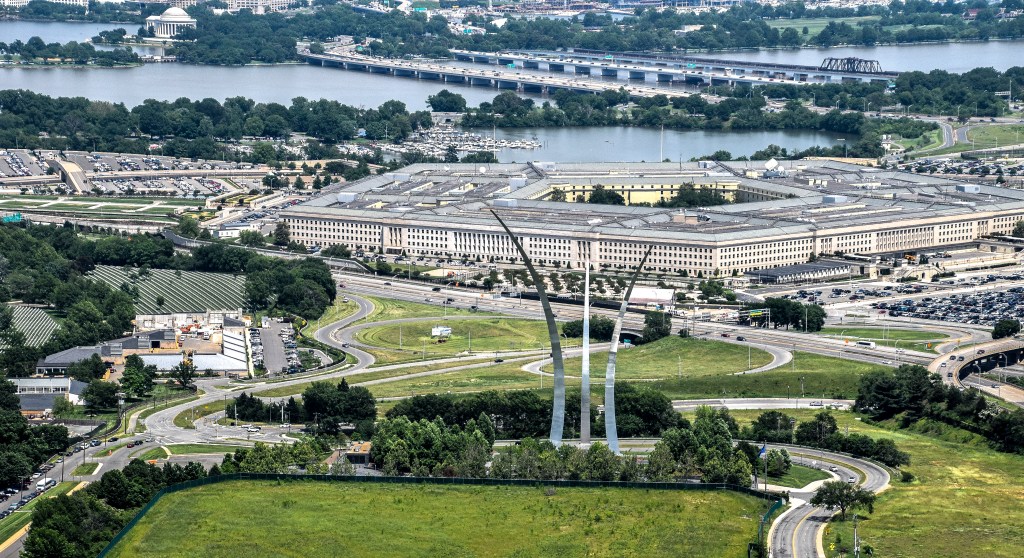
Time is now to reconsider autonomous weapons rules, Horowitz says
Michael Horowitz regards directive 3000.09 as “the world’s first policy statement on autonomous weapon systems,” a “remarkable document in many ways.”