
-

Before we move on: 2 painful lessons from the Iran war
There are two lessons I want my civilian neighbors to carry forward from this conflict: the dangers of gamifying war and of waging it unconstitutionally.
-

Not just a ‘flawed design’: Charting a new course for the GWOT Memorial
A GWOT Memorial Foundation founder argues in this op-ed that concerns over the proposed memorial extend beyond design and into organizational priorities.
-

My grandpa was killed in World War II. I met him through his letters home.
My grandpa never came back from World War II. I found his final resting place in France.
-

Immigration stress: A readiness problem the Pentagon does not measure
The Pentagon does not measure if family deportation fears affect troops readiness.
-

Why Congress must end the remarriage penalty for military survivors
A policy that causes surviving spouses to lose their benefits if they remarry suggests their sacrifice ends the moment they seek a new chapter in life.
-

A combat infantryman stood in the gap. Made the calculation. Pulled the trigger. But at what cost?
“There is a profound, sickening duality in being thanked for your service by people who would be horrified if they … saw what that service required.”
-
How chest-thumping rhetoric erodes service member safety
Defense Secretary Pete Hegseth’s brash rhetoric is profoundly destabilizing for actively-serving military families, this military spouse argues.
-
If chaplains are ‘officers second,’ which staff corps officers are next?
Removing rank insignia from chaplains sets a precedent for treating staff officers differently than others, the author of this op-ed argues.
-

A web of sensors: How the US spots missiles and drones from Iran
If a missile is launched from Iran toward a U.S. military base in the region, how do service members know in time to stay safe?
-

Why military fellowships at civilian universities matter
Before dismantling programs like Senior Service College fellowships, the Pentagon should carefully reconsider the full value they provide to the military.
-
Before we move on: 2 painful lessons from the Iran war
There are two lessons I want my civilian neighbors to carry forward from this conflict: the dangers of gamifying war and of waging it unconstitutionally.
-
Not just a ‘flawed design’: Charting a new course for the GWOT Memorial
A GWOT Memorial Foundation founder argues in this op-ed that concerns over the proposed memorial extend beyond design and into organizational priorities.
-
My grandpa was killed in World War II. I met him through his letters home.
My grandpa never came back from World War II. I found his final resting place in France.
-
Immigration stress: A readiness problem the Pentagon does not measure
The Pentagon does not measure if family deportation fears affect troops readiness.
-
Why Congress must end the remarriage penalty for military survivors
A policy that causes surviving spouses to lose their benefits if they remarry suggests their sacrifice ends the moment they seek a new chapter in life.
-
A combat infantryman stood in the gap. Made the calculation. Pulled the trigger. But at what cost?
“There is a profound, sickening duality in being thanked for your service by people who would be horrified if they … saw what that service required.”
-
How chest-thumping rhetoric erodes service member safety
Defense Secretary Pete Hegseth’s brash rhetoric is profoundly destabilizing for actively-serving military families, this military spouse argues.
-
If chaplains are ‘officers second,’ which staff corps officers are next?
Removing rank insignia from chaplains sets a precedent for treating staff officers differently than others, the author of this op-ed argues.
-
A web of sensors: How the US spots missiles and drones from Iran
If a missile is launched from Iran toward a U.S. military base in the region, how do service members know in time to stay safe?
-
Why military fellowships at civilian universities matter
Before dismantling programs like Senior Service College fellowships, the Pentagon should carefully reconsider the full value they provide to the military.
-

Before we move on: 2 painful lessons from the Iran war
There are two lessons I want my civilian neighbors to carry forward from this conflict: the dangers of gamifying war and of waging it unconstitutionally.
-

Not just a ‘flawed design’: Charting a new course for the GWOT Memorial
A GWOT Memorial Foundation founder argues in this op-ed that concerns over the proposed memorial extend beyond design and into organizational priorities.
-
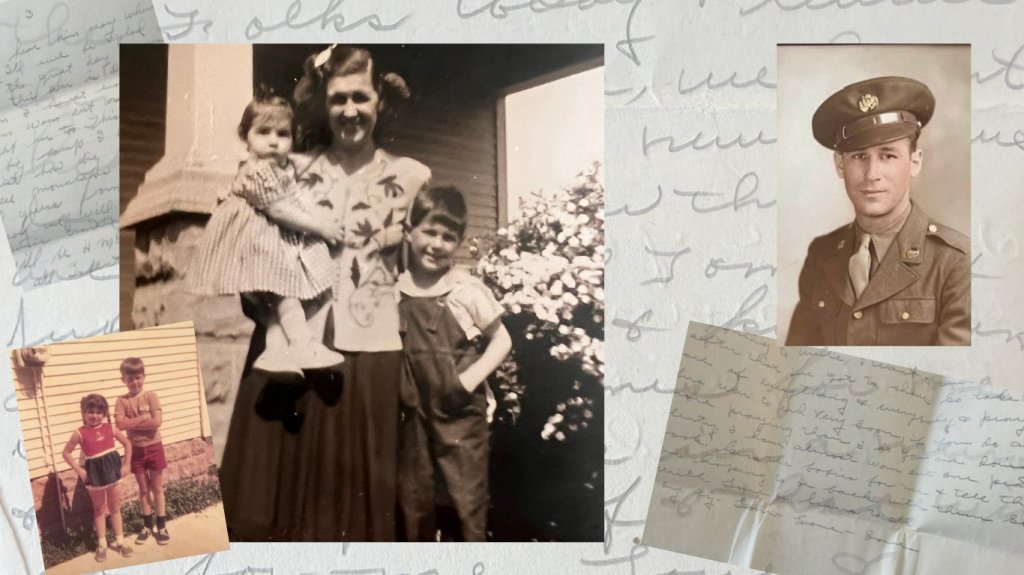
My grandpa was killed in World War II. I met him through his letters home.
My grandpa never came back from World War II. I found his final resting place in France.
-
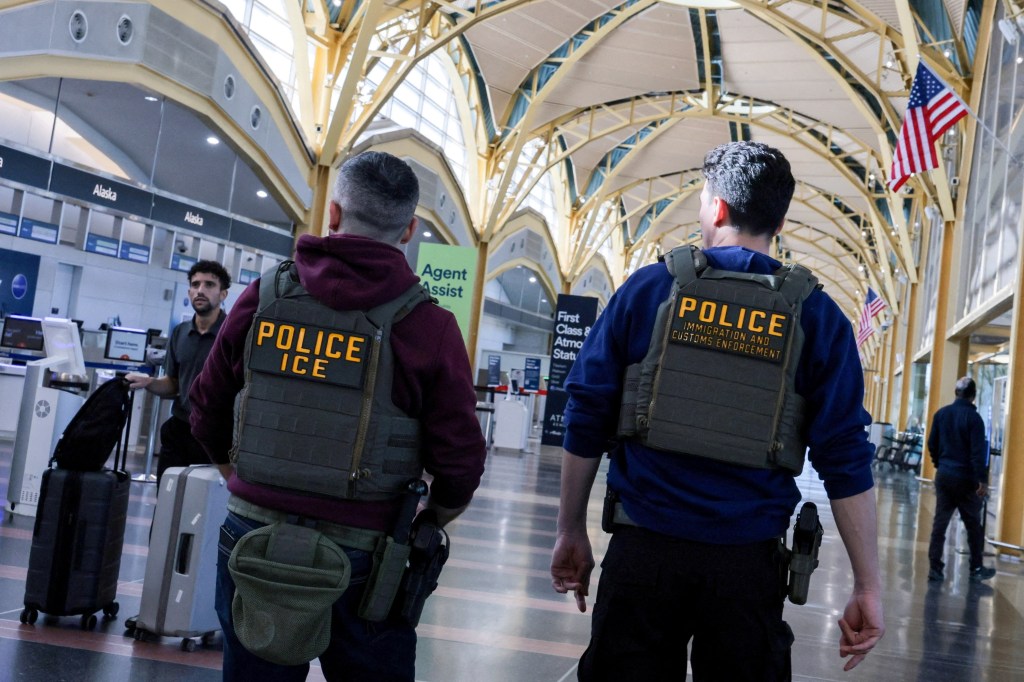
Immigration stress: A readiness problem the Pentagon does not measure
The Pentagon does not measure if family deportation fears affect troops readiness.
-
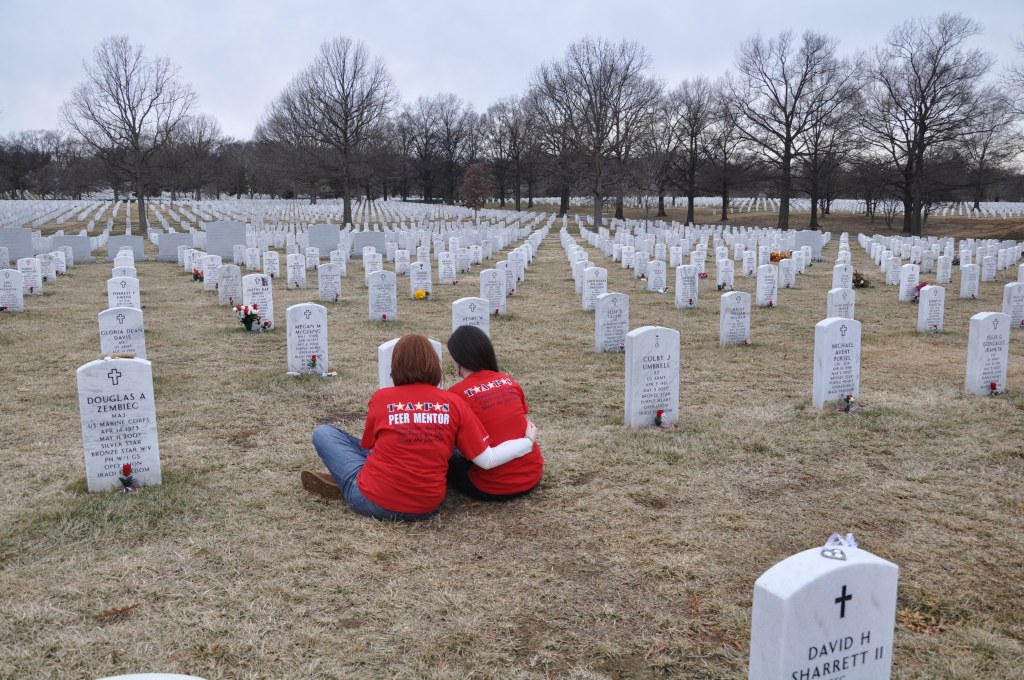
Why Congress must end the remarriage penalty for military survivors
A policy that causes surviving spouses to lose their benefits if they remarry suggests their sacrifice ends the moment they seek a new chapter in life.
-
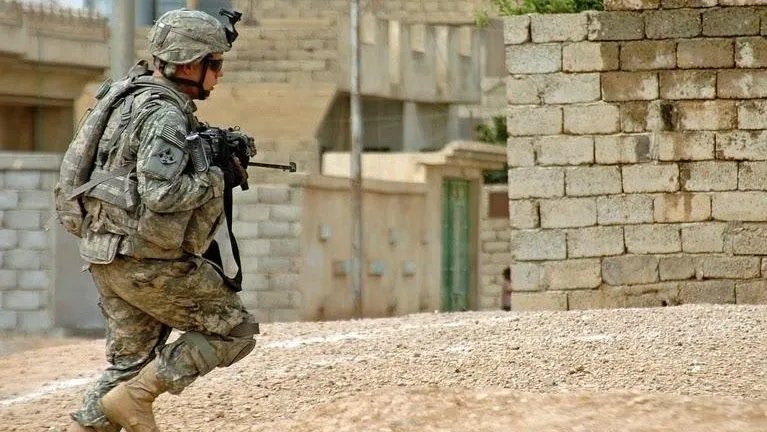
A combat infantryman stood in the gap. Made the calculation. Pulled the trigger. But at what cost?
“There is a profound, sickening duality in being thanked for your service by people who would be horrified if they … saw what that service required.”
-
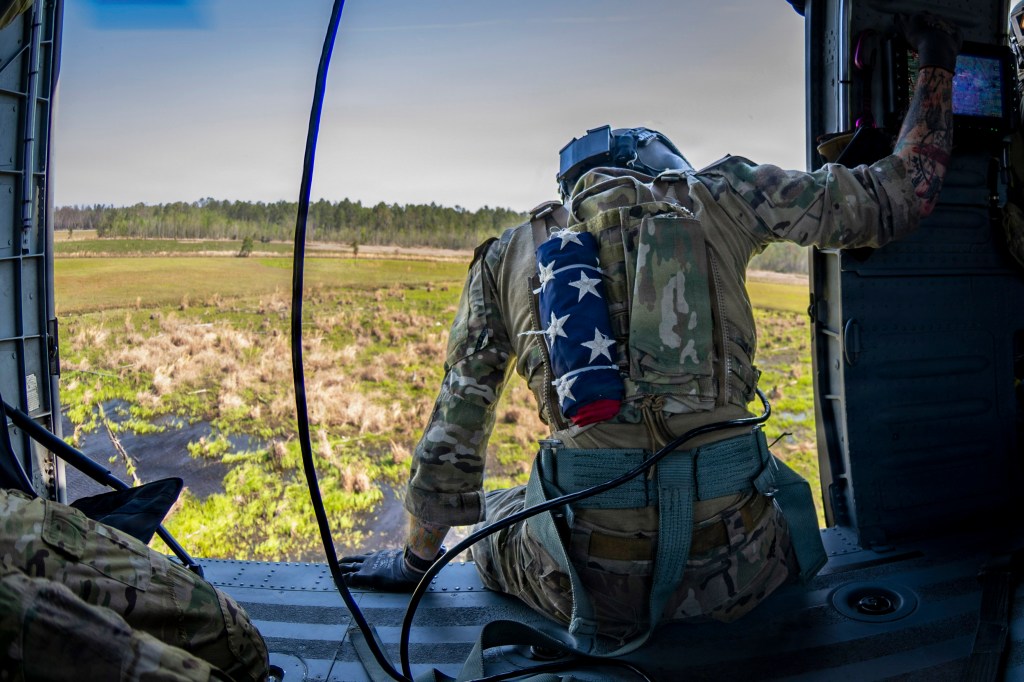
How chest-thumping rhetoric erodes service member safety
Defense Secretary Pete Hegseth’s brash rhetoric is profoundly destabilizing for actively-serving military families, this military spouse argues.
-
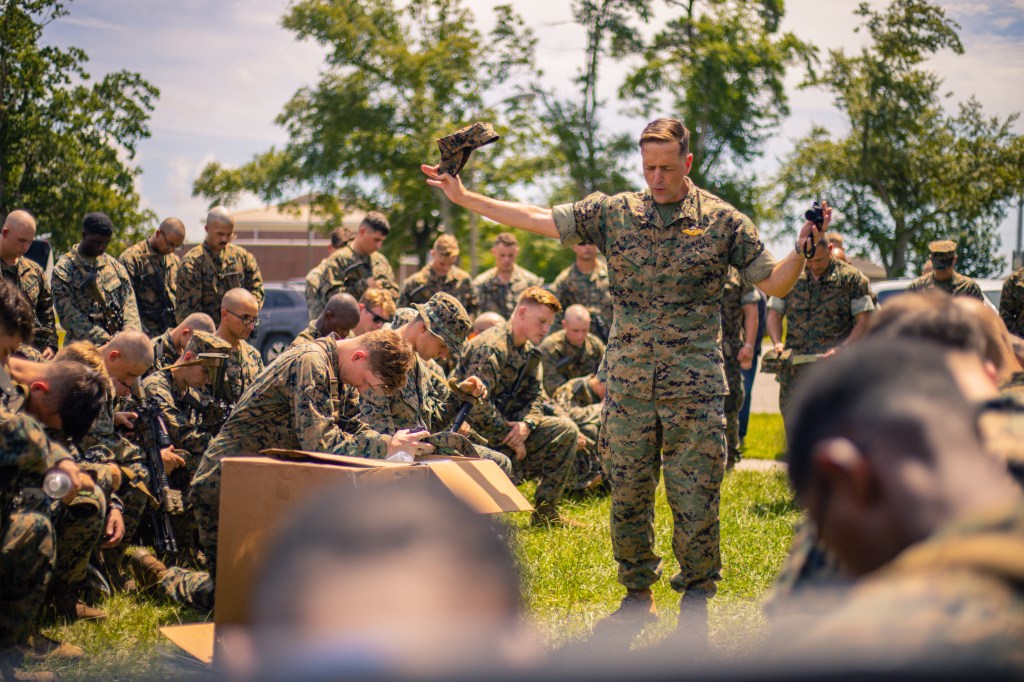
If chaplains are ‘officers second,’ which staff corps officers are next?
Removing rank insignia from chaplains sets a precedent for treating staff officers differently than others, the author of this op-ed argues.
-

A web of sensors: How the US spots missiles and drones from Iran
If a missile is launched from Iran toward a U.S. military base in the region, how do service members know in time to stay safe?
-

Why military fellowships at civilian universities matter
Before dismantling programs like Senior Service College fellowships, the Pentagon should carefully reconsider the full value they provide to the military.


