Government agencies like the Federal Trade Commission are becoming more and more focused on technology policy issues as everything in the day-to-day of average Americans’ lives moves online. As FTC commissioners work to set policy, they need the help of technology experts, both as staff and from the general public.
As the FTC tries to protect consumers from deceptive practices, knowledge of the technology behind new websites, software and apps is crucial to understanding whether those products live up to their promises, particularly around privacy and security.
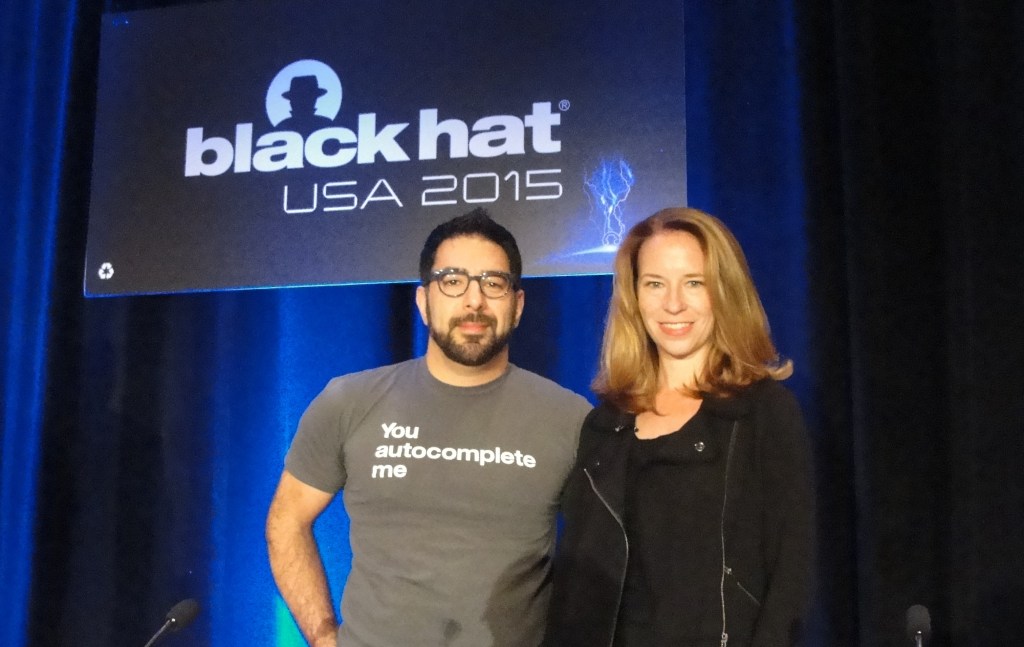
“We have this 100-year-old authority … and we’re trying to modernize ourselves and stay on top of where consumers are and the things that affect them,” Commissioner Terrell McSweeny said during a presentation at Black Hat 2015 in Las Vegas Aug. 5. “It’s why we’re here making a plug for your help.”
As a policymaker with a legal background, McSweeny said she relies on assistance from people like FTC Chief Technologist Ashkan Soltani.
McSweeny and Soltani spoke to a room of hackers, cybersecurity professionals and technology advocates, explaining the FTC’s mission and how the public can help ensure policy reflects the realities of the world we live in today.
Ashkan referenced the popular videogame Call of Duty, stating that everyone in the room should feel “another call of duty.”
“Make yourself heard and engage in these policy debates,” he said. “It isn’t about the pay,(it) isn’t the status — if you don’t do this, other people will,” specifically lawmakers that don’t have a good grasp of the technology.
Soltani cited important legislation and policies being debated now in Washington like information sharing, the Internet of Things and algorithmic transparency — ensuring apps give consumers trustworthy results rather than paid content. (Or, if so, that the practice is transparent.)
“These are critical debates that are happening right now,” Soltani said. “It’s important to be mindful of them and really engage.”
Soltani acts as a primary advisor to the FTC on technology issues but the Commission needs more input from a variety of sectors.
He and McSweeny urged everyone with a view on commercial technology privacy and security issues to write the FTC, send an email (TechatFTC@ftc.gov), a Tweet (@techftc) or comment on the Commission’s blog (ftc.gov/tech).