Editor’s note: This story has been corrected from a previous version to accurately reflect the guidance from the Office of Personnel Management.
Concerns over the spread of the Zika virus have prompted the Office of Personnel Management to advise federal managers to provide alternative work plans for employees abroad.
Acting OPM director Beth Cobert released a memo on March 7 calling on agency managers to allow teleconferencing for federal workers in affected areas, as well as considering the limitation of travel to those areas.
“We urge supervisors and managers to be mindful of the health risks in determining the need for work-related travel to Zika-affected areas,” Cobert said in the memo. “We recommend using appropriate flexibility to accomplish the necessary work using alternate means, such as teleconferencing.
“Supervisors should carefully consider requests from employees who wish to opt out of this travel, and/or solicit qualified volunteers if travel is necessary. Employees and families in affected areas should make every effort to minimize risk by preventing exposure to mosquito bites.”
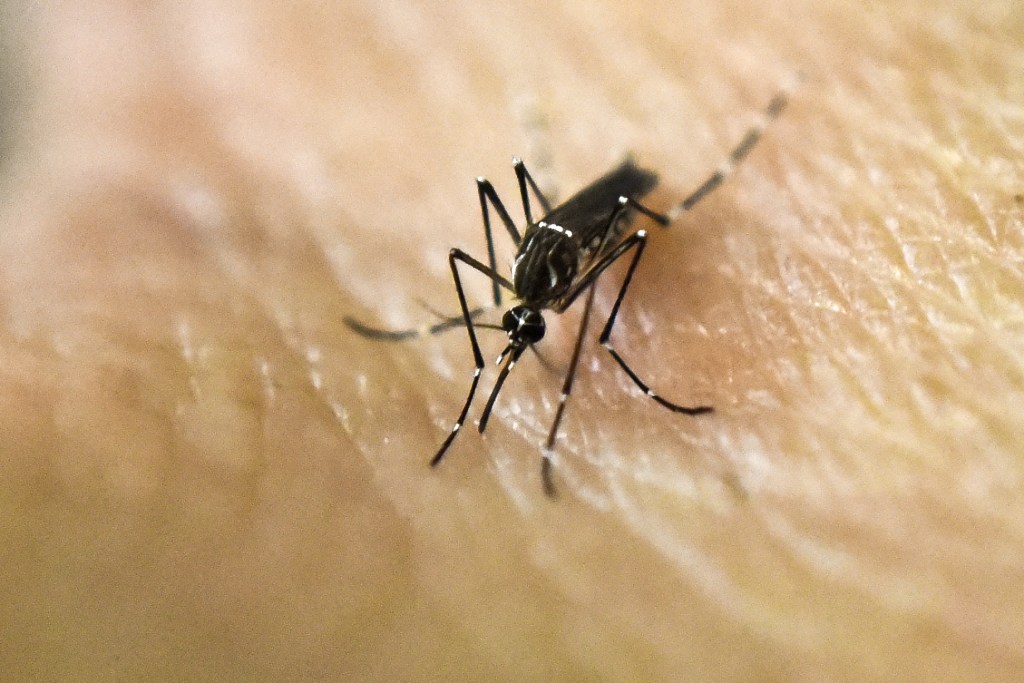
The virus, which is transmitted through mosquito bites and sexual contact, can cause “fever, rash, joint pain and conjunctivitis,” according to the CDC. The disease is rarely considered fatal, but has drawn concerns over its possible role in infecting unborn fetuses with microcephaly, a disease that can affect brain development.
The CDC has issued Zika travel notices for much of the Caribbean, Central and South America.
OPM also recently authorized departments of State, Health and Human Services and the U.S. Agency for International Development for emergency hiring flexibility to employ critical staff for to help address the crisis abroad.
“Federal health experts are working to improve mosquito control efforts and refine Zika testing methods. They are also providing support and guidance to health care providers and to the public about travel plans and precautions they can take to guard against the virus. Direct-Hire Authority will allow the agencies responding to move more quickly,” Cobert said in a March 4 statement.
“Among the dozens of Federal positions possibly needed are medical officers and nurses at State, microbiologists and epidemiologists at HHS, and emergency management and IT specialists at USAID. To view job postings in these fields, among others needed, please visit USAJOBS.gov.”
For more information on the virus, visit the CDC’s dedicated web page.