

-

How a government shutdown affects America’s cybersecurity workforce
America’s active federal cybersecurity workforce will see sharp reductions if Congress fails to pass a spending bill Dec. 21 to keep government open.
-

What happens next after China’s alleged theft of American business secrets
The indictment has sparked calls for the U.S. to be more aggressive in cyberspace and take more defensive measures, with more attention likely to be cast on machine learning techniques meant to stifle Beijing’s tactics.
-

Google’s ‘internal effort’ for a Chinese search engine
Google CEO Sundar Pichai told the House of Representatives that he “will be transparent” if the search giant moves forward on plans that have garnered mounting criticism.
-

Cyberattacks are increasing, and so is cyber insurance
Roughly 30 percent of cyber companies have some form of cyber insurance, but providers have trouble assessing the risk of being hacked.
-

Behind the White House’s plan to be more aggressive in cyberspace
How North Korean threats, disappearing Russians and massive Chinese hacks led the Trump administration to a new cybersecurity strategy.
-

DHS wants a custom cyberthreat warning network
The agency said it wanted to develop a software to help medium and small businesses communicate with each other and identify hacking attempts.
-

FBI: Watch out for Iranian SamSam malware
The U.S. government is warning critical infrastructure firms to protect themselves from the SamSam virus that has caused more than $30 million in damages.
-
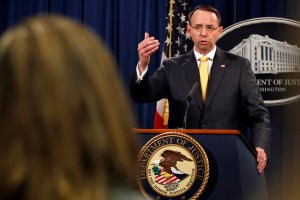
When does ‘responsible encryption’ equal surveillance?
Speaking at Georgetown University Nov. 29, Deputy Assistant Attorney General Rod Rosenstein urged private firms to undertake “responsible encryption” in devices.
-

Why cyber compounds Pentagon purchasing problems
The Pentagon’s cyber acquisition process is “too slow,” a “support nightmare,” and one that “puts the warfighter at risk,” an upcoming paper argues.
-

Trump pick to lead intelligence post remains in congressional limbo
William Evanina, Trump’s choice to lead the National Counterintelligence and Security Center, has not been confirmed by the Senate months after being nominated.
-
How a government shutdown affects America’s cybersecurity workforce
America’s active federal cybersecurity workforce will see sharp reductions if Congress fails to pass a spending bill Dec. 21 to keep government open.
-
What happens next after China’s alleged theft of American business secrets
The indictment has sparked calls for the U.S. to be more aggressive in cyberspace and take more defensive measures, with more attention likely to be cast on machine learning techniques meant to stifle Beijing’s tactics.
-
Google’s ‘internal effort’ for a Chinese search engine
Google CEO Sundar Pichai told the House of Representatives that he “will be transparent” if the search giant moves forward on plans that have garnered mounting criticism.
-
Cyberattacks are increasing, and so is cyber insurance
Roughly 30 percent of cyber companies have some form of cyber insurance, but providers have trouble assessing the risk of being hacked.
-
Behind the White House’s plan to be more aggressive in cyberspace
How North Korean threats, disappearing Russians and massive Chinese hacks led the Trump administration to a new cybersecurity strategy.
-
DHS wants a custom cyberthreat warning network
The agency said it wanted to develop a software to help medium and small businesses communicate with each other and identify hacking attempts.
-
FBI: Watch out for Iranian SamSam malware
The U.S. government is warning critical infrastructure firms to protect themselves from the SamSam virus that has caused more than $30 million in damages.
-
When does ‘responsible encryption’ equal surveillance?
Speaking at Georgetown University Nov. 29, Deputy Assistant Attorney General Rod Rosenstein urged private firms to undertake “responsible encryption” in devices.
-
Why cyber compounds Pentagon purchasing problems
The Pentagon’s cyber acquisition process is “too slow,” a “support nightmare,” and one that “puts the warfighter at risk,” an upcoming paper argues.
-
Trump pick to lead intelligence post remains in congressional limbo
William Evanina, Trump’s choice to lead the National Counterintelligence and Security Center, has not been confirmed by the Senate months after being nominated.
-

How a government shutdown affects America’s cybersecurity workforce
America’s active federal cybersecurity workforce will see sharp reductions if Congress fails to pass a spending bill Dec. 21 to keep government open.
-

What happens next after China’s alleged theft of American business secrets
The indictment has sparked calls for the U.S. to be more aggressive in cyberspace and take more defensive measures, with more attention likely to be cast on machine learning techniques meant to stifle Beijing’s tactics.
-

Google’s ‘internal effort’ for a Chinese search engine
Google CEO Sundar Pichai told the House of Representatives that he “will be transparent” if the search giant moves forward on plans that have garnered mounting criticism.
-

Cyberattacks are increasing, and so is cyber insurance
Roughly 30 percent of cyber companies have some form of cyber insurance, but providers have trouble assessing the risk of being hacked.
-

Behind the White House’s plan to be more aggressive in cyberspace
How North Korean threats, disappearing Russians and massive Chinese hacks led the Trump administration to a new cybersecurity strategy.
-
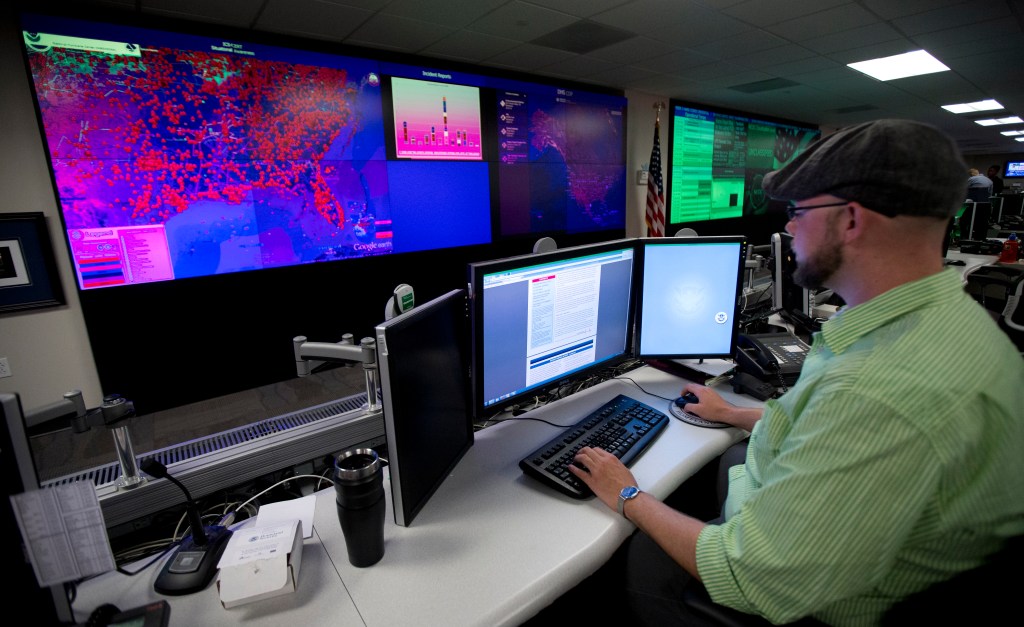
DHS wants a custom cyberthreat warning network
The agency said it wanted to develop a software to help medium and small businesses communicate with each other and identify hacking attempts.
-

FBI: Watch out for Iranian SamSam malware
The U.S. government is warning critical infrastructure firms to protect themselves from the SamSam virus that has caused more than $30 million in damages.
-
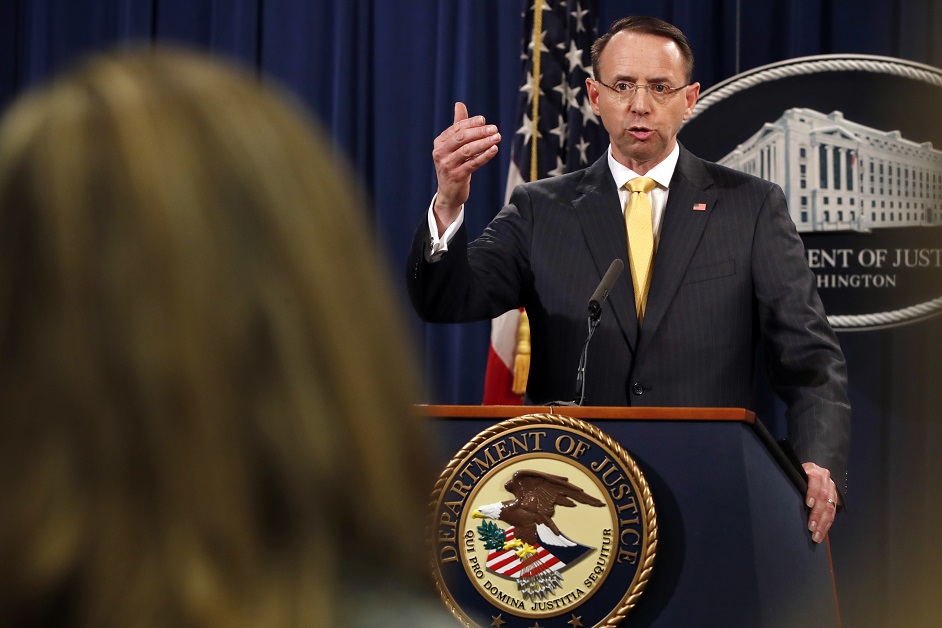
When does ‘responsible encryption’ equal surveillance?
Speaking at Georgetown University Nov. 29, Deputy Assistant Attorney General Rod Rosenstein urged private firms to undertake “responsible encryption” in devices.
-

Why cyber compounds Pentagon purchasing problems
The Pentagon’s cyber acquisition process is “too slow,” a “support nightmare,” and one that “puts the warfighter at risk,” an upcoming paper argues.
-
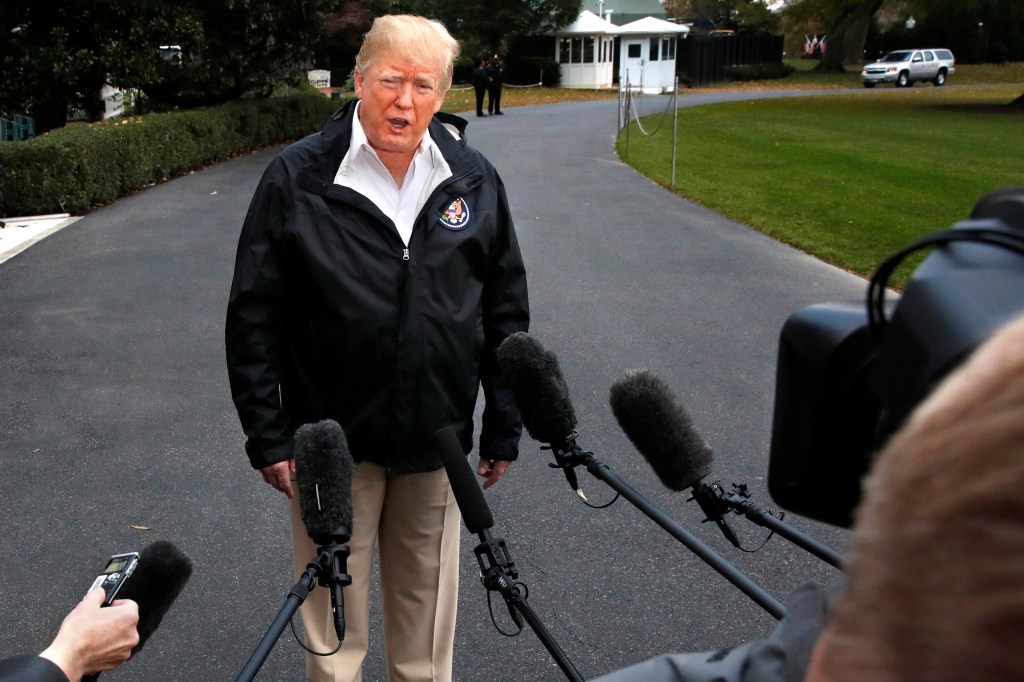
Trump pick to lead intelligence post remains in congressional limbo
William Evanina, Trump’s choice to lead the National Counterintelligence and Security Center, has not been confirmed by the Senate months after being nominated.


