-

Software transparency is key to effective government risk management
Software Bills of Materials, of SBOMS, are not an end in themselves, but a means to software transparency.
-

How federal IT pros can reap benefits of data observability
Observability preemptively detects anomalies and potential issues – before they become full blown outages or security issues.
-

Pentagon eyes successor to Joint Warfighting Cloud Capability contract
“We are firmly committed to multi-cloud, multi-vendor,” Pentagon CIO John Sherman said, “and this is what we’re going to be doing moving forward.”
-

A roadmap for federal CIOs in automating security assessments
There’s no room for sluggish manual processes that fail to provide real-time visibility, the author argues.
-

Improving the citizen experience requires treating data like a product
Thanks to advances in technology, data sharing with the goal of improving the citizen experience can be achieved, the author says.
-
What new federal cybersecurity policy means for government contractors
The most controversial section calls for holding software companies liable for producing insecure code.
-

Navigating a multi-cloud environment under the JWCC mandate
The cancellation of the JEDI contract marked the end of single-source vendor contracts and the beginning of a multi-cloud era.
-

A sensible approach to AI regulation
Humans will use AI as a co-pilot to make them more efficient in unwanted or criminal digital behavior, like cyberattacks or misinformation campaigns.
-

Congress eyes new rules for tech: What’s under consideration
Lawmakers have introduced bipartisan bills to regulate tech, and it’s one of the few major policy issues where Republicans and Democrats generally align.
-

How agencies could utilize $12.7 billion budgeted for cybersecurity
Having centralized secrets management is core to building a zero trust environment.
-
Software transparency is key to effective government risk management
Software Bills of Materials, of SBOMS, are not an end in themselves, but a means to software transparency.
-
How federal IT pros can reap benefits of data observability
Observability preemptively detects anomalies and potential issues – before they become full blown outages or security issues.
-
Pentagon eyes successor to Joint Warfighting Cloud Capability contract
“We are firmly committed to multi-cloud, multi-vendor,” Pentagon CIO John Sherman said, “and this is what we’re going to be doing moving forward.”
-
A roadmap for federal CIOs in automating security assessments
There’s no room for sluggish manual processes that fail to provide real-time visibility, the author argues.
-
Improving the citizen experience requires treating data like a product
Thanks to advances in technology, data sharing with the goal of improving the citizen experience can be achieved, the author says.
-
What new federal cybersecurity policy means for government contractors
The most controversial section calls for holding software companies liable for producing insecure code.
-
Navigating a multi-cloud environment under the JWCC mandate
The cancellation of the JEDI contract marked the end of single-source vendor contracts and the beginning of a multi-cloud era.
-
A sensible approach to AI regulation
Humans will use AI as a co-pilot to make them more efficient in unwanted or criminal digital behavior, like cyberattacks or misinformation campaigns.
-
Congress eyes new rules for tech: What’s under consideration
Lawmakers have introduced bipartisan bills to regulate tech, and it’s one of the few major policy issues where Republicans and Democrats generally align.
-
How agencies could utilize $12.7 billion budgeted for cybersecurity
Having centralized secrets management is core to building a zero trust environment.
-

Software transparency is key to effective government risk management
Software Bills of Materials, of SBOMS, are not an end in themselves, but a means to software transparency.
-
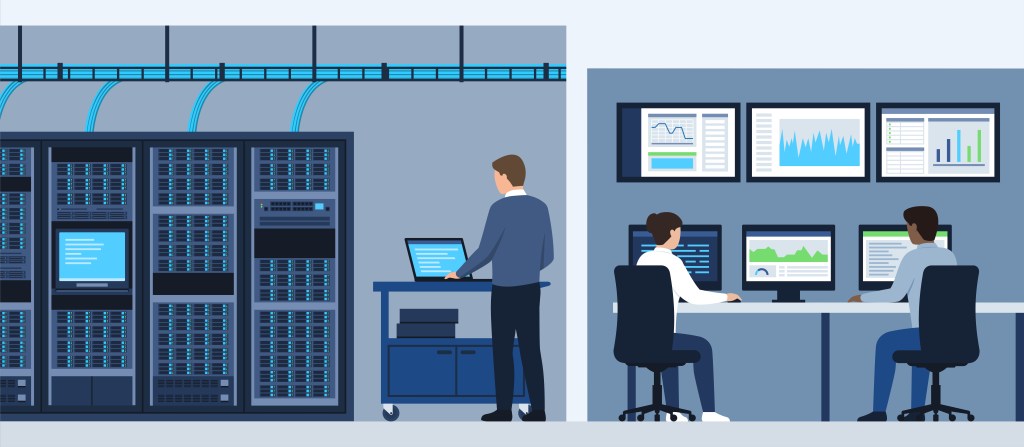
How federal IT pros can reap benefits of data observability
Observability preemptively detects anomalies and potential issues – before they become full blown outages or security issues.
-

Pentagon eyes successor to Joint Warfighting Cloud Capability contract
“We are firmly committed to multi-cloud, multi-vendor,” Pentagon CIO John Sherman said, “and this is what we’re going to be doing moving forward.”
-

A roadmap for federal CIOs in automating security assessments
There’s no room for sluggish manual processes that fail to provide real-time visibility, the author argues.
-

Improving the citizen experience requires treating data like a product
Thanks to advances in technology, data sharing with the goal of improving the citizen experience can be achieved, the author says.
-
What new federal cybersecurity policy means for government contractors
The most controversial section calls for holding software companies liable for producing insecure code.
-

Navigating a multi-cloud environment under the JWCC mandate
The cancellation of the JEDI contract marked the end of single-source vendor contracts and the beginning of a multi-cloud era.
-

A sensible approach to AI regulation
Humans will use AI as a co-pilot to make them more efficient in unwanted or criminal digital behavior, like cyberattacks or misinformation campaigns.
-

Congress eyes new rules for tech: What’s under consideration
Lawmakers have introduced bipartisan bills to regulate tech, and it’s one of the few major policy issues where Republicans and Democrats generally align.
-

How agencies could utilize $12.7 billion budgeted for cybersecurity
Having centralized secrets management is core to building a zero trust environment.