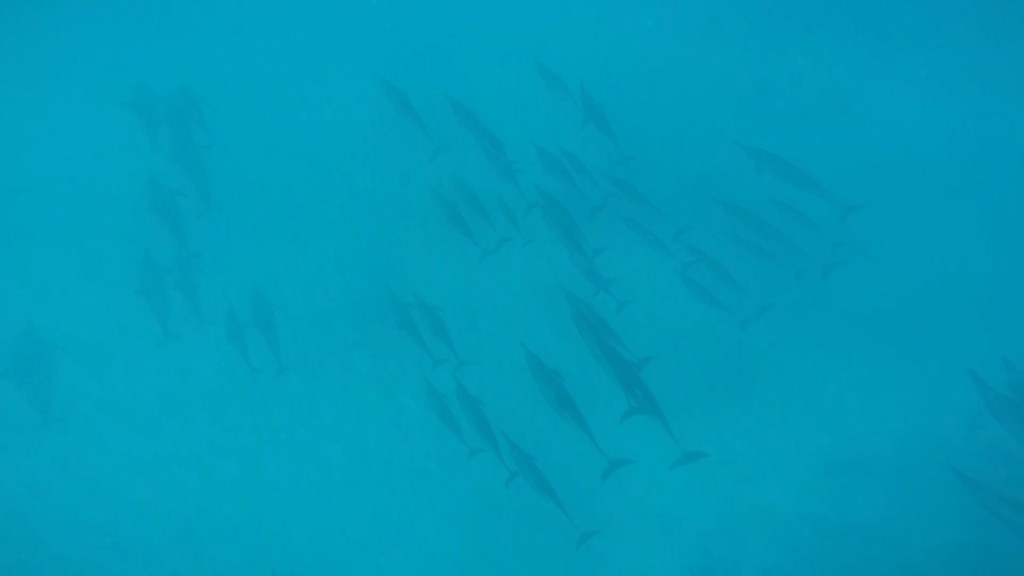
Federal regulators are proposing to ban swimming with dolphins in Hawaii, a move that could imperil one of the Aloha State’s most popular tourist activities and the industry that has sprung up around it.
The National Marine Fisheries Service says spinner dolphins — the playful nocturnal species that humans in Hawaii routinely frolic with — are being deprived of rest during the day and becoming stressed out.
Swimming with dolphins is popular with visitors and some locals, with dozens of companies on Kauai, Oahu, Maui and the Big Island operating dolphin tours daily.
The proposed rule could shut down or greatly disrupt the industry as it now operates. That’s because the ban would cover waters out to 2 nautical miles, which is where 98 percent of Hawaii’s spinner dolphins rest after they’ve spent the night feeding. Tour companies take customers to these close-to-shore waters to find dolphins.
Ann Garrett, assistant regional administrator of the National Marine Fisheries Service’s protected resources division for the Pacific Islands, said dolphins have been found to be burning calories at a higher rate because they are forced to be vigilant as people approach their pods.
“All of these things can contribute to a reduction of fitness over time — this kind of chronic level of stress. That’s what we’re concerned about,” Garrett said.
Scientists have not done any studies on how frolicking with humans has affected the dolphins’ numbers. But they fear the stress will harm the animals’ ability to reproduce.
The federal agency plans to hold public meetings on the regulations in September and expects to make a final decision next year.