-
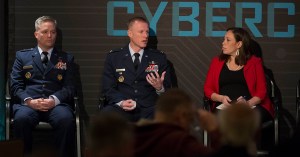
What’s the military’s role in fighting fake news?
Understanding today’s information warfare is key to U.S. training and operations to achieve superiority or dominance in cyberspace, Department of Defense officials agree.
-

Quarterly cyber briefings part of maturing Cyber Command
A provision in the NDAA seeks to update current law outlining specific items DoD must brief to Congress on a quarterly basis pertaining to cyber operations.

-

Is Congress dropping the ball on cybersecurity?
In an era of weaponized fake news, everyone has a role in cybersecurity.
-
![CyberCon 2017: Beyond Cybersecurity [Gallery]](https://one.sightlinemg.com/wp-content/uploads/2026/06/20171128_Cybercon_067s.jpg.jpg?w=1024)
CyberCon 2017: Beyond Cybersecurity [Gallery]
Get a feel for the day with photos from the third annual CyberCon, held Nov. 28, 2017, in Pentagon City, Virginia.
-

IoT is changing the meaning of ‘critical infrastructure’
The proliferation of internet of things devices tied into critical industries is changing the perspective on what constitutes critical infrastructure.
VIDEOS
More Videos
More Stories
-
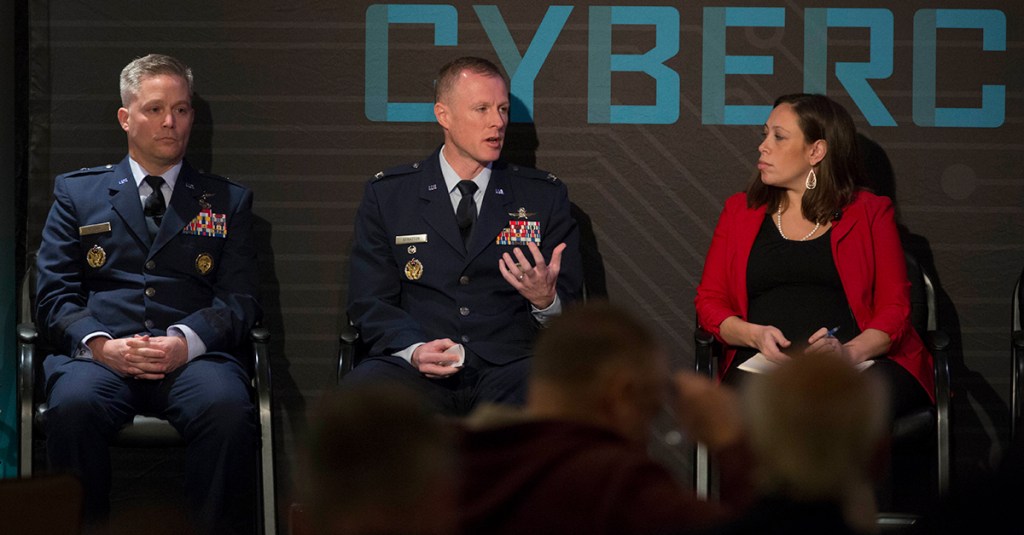
What Cyber Command learned from ISIS operations
One of the lessons learned from the cyber efforts to combat ISIS is that targeting the cyber domain is similar to targeting in the physical domains.
-

A digital migraine? How the Americas can step up cybersecurity strategies
Developing joint cyber policies for all the American nations is a major challenge, even without Chinese and Russian activities in the region.
-

4 traits government agencies are looking for in cyber workers
A panel of federal and industry representatives at CyberCon 2017 said they often value broad characteristics over specific skill sets in hiring cyber workers.
-

Despite growing interest in cyber, nations have many competing priorities
Nations need to rectify competing national priorities with growing cyber interest and investment.
-
3 ways Congress can help boost cybersecurity
While meaningful legislation may not be in the immediate future, at least one congressman believes there are ways to improve cybersecurity.
-
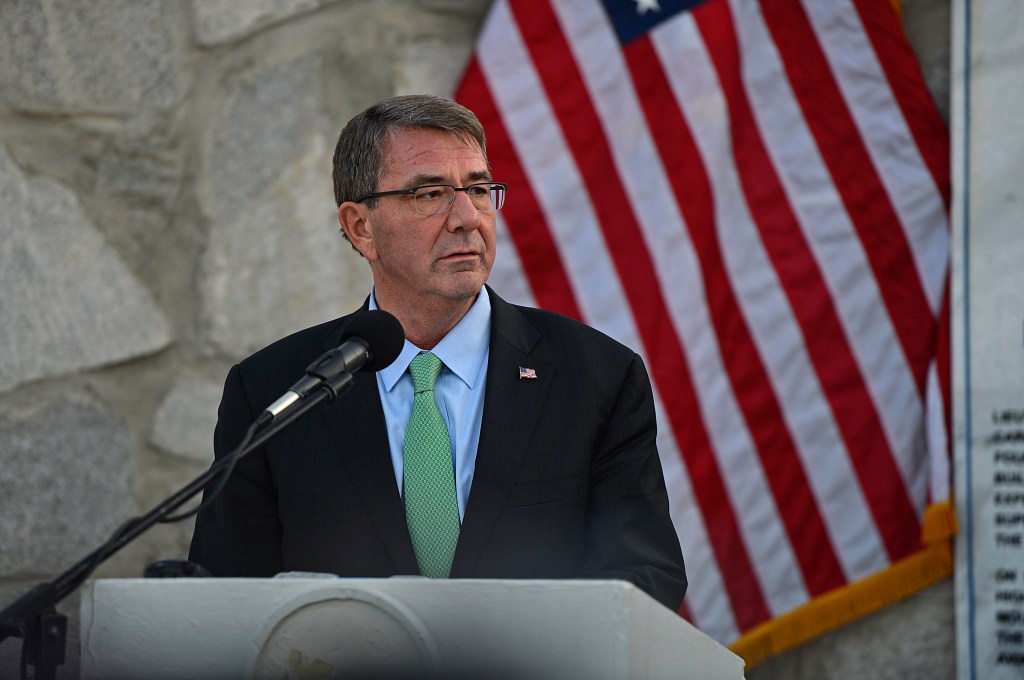
How CYBERCOM’s efforts against ISIS have changed
U.S. Cyber Command is shifting its digital approach to the Islamic State group, using what one general calls the “totality of the U.S. government’s capabilities.”
-

New technology boosts productivity, but also threats, says DARPA expert
DARPA is operating with consideration of how each new technology could be used against the United States or everyday Americans.
-
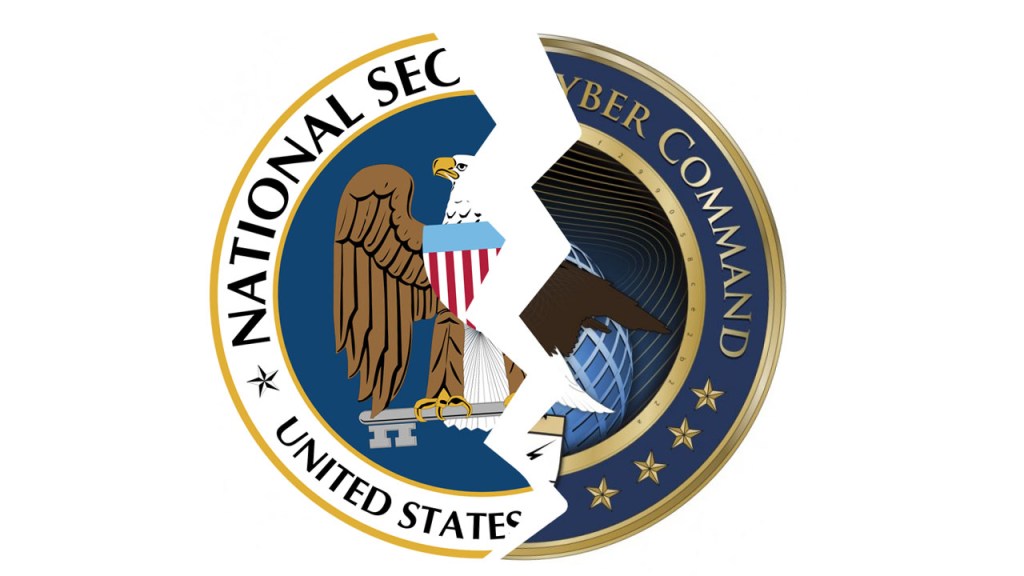
Should other nations be worried about Cyber Command’s latest status?
When President Trump elevated CYBERCOM to full combatant command status, it marked a final acknowledgement that cyber is a vital component of American war fighting.
-

Are we at cyberwar?
There’s a lot of chatter about the threat of cyberwar. But do recent cyber breaches perpetuated by Russia and other adversaries mean the battle has already begun?
-

‘Tis the season for CyberCon
It’s that time of year again. A time when people come together to catch up on the last 12 months and reconnect with friends and colleagues.
-

Securing the cockpit: How the military is tackling avionics cybersecurity
The cyberthreat to systems on individual platforms, particularly weapons as well as position, navigation and timing systems embedded in U.S. military aircraft, is garnering increased attention.
-

Humans have capacity to shape future of cyberspace
As cyberspace is manmade, humans can shape the domain more so than the four other physical domains of warfare.
-

Vanguard Awards honor innovators on front lines of public service
Presenting the winners of the inaugural Vanguard Awards.
-

DIUx should continue reporting to Pentagon chief in Trump administration, director says
Raj Shah made his case for keeping the DIUx office under a Trump administration.
-

The Army’s cyber ops has a data problem
The Army’s cyber operations are challenged by the amount of data flowing through the network, according to the service’s cyber director in the Army’s G-3/5/7 branch.
-

Air Force wants industry input for enhanced electromagnetic battle management capability
In a post listed on the FedBizOpps website, the Air Force desires capabilities that will provide situational awareness and command and control of the electromagnetic spectrum.
-

Army announces its own ‘Hack the Pentagon’
Following an announcement last month that the Defense Department will be expanding its revolutionary bug bounty program, which provides monetary compensation to outside hackers that discover and disclose vulnerabilities on DoD networks, the Army unveiled its iteration of this innovative initiative.
-

NIST unveils Internet of Things cybersecurity guidance
The agency seeks to clarify that quandary of securing the Internet of Things with new guidance.
-

IRS launches first civilian agency bug bounty program
First Hack the Pentagon, then Hack the Army, now Hack the IRS.
-

President-elect Trump could face cyber crisis in first 100 days
Research and advisory group Forrester has released its 2017 predictions document, “Dynamics That Will Shape the Future in the Age of the Customer,” which includes several takeaways on the ramifications of poor cybersecurity.