
-

Could enemies target undersea cables that link the world?
Russian ships are skulking around underwater communications cables, causing the U.S. and its allies to worry the Kremlin might be taking information warfare to new depths.
-

Trans-Alaska pipeline fights 22 million cyberattacks per day
The Alyeska Pipeline Service Company’s chief information officer said that Alyeska has never been breached, but the challenge is growing. The rate of cyberattacks has roughly doubled in the last five years, he said.
-

Govs fear for election security amid Russian cyberattacks
State leaders of both parties worried aloud Sunday about the security of America’s election systems against possible cyberattacks ahead of this fall’s midterm elections.
-

Secret Service warns financial companies of ATM cyberattacks
Secret Service officials say the crime involves installing malicious software or hardware at ATMs that force the machines to release large quantities of cash on demand.
-

Why more agencies aren’t starting bug bounty programs
A leader from the Hack the Pentagon bug bounty program describes the challenges associated with bringing bug bounties to the rest of the federal government.
-

Who’s affected by computer chip security flaw
Technology companies are scrambling to fix serious security flaws affecting computer processors built by Intel and other chipmakers and found in many of the world’s personal computers and smartphones.
-

Here’s how to turn an Android device into a tripwire
A new open-source app, developed in partnership with Edward Snowden, uses an Android smartphone’s sensor arrays to monitor for intruders and inform people needing to “protect their personal spaces and possessions without compromising their own privacy.”
-

What Trump’s National Security Strategy says on cyber
Here’s what the Trump administration’s National Security Strategy means for the nation’s cybersecurity strategy.
-

US firm: Hackers interfered with industrial facility
Cyberattacks that sabotage industrial equipment are counted among the most serious threats in digital security because of their capacity to wreak physical havoc.
-
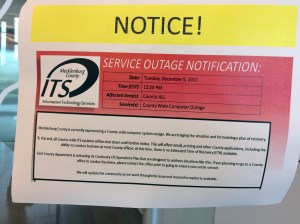
After ransomware attack, much of county’s business done on paper
North Carolina’s largest metro area was discovering just how hard it is to conduct business without county computers that handle numerous transactions on Thursday, a day after local leaders refused to pay hackers who froze their system.
-
Could enemies target undersea cables that link the world?
Russian ships are skulking around underwater communications cables, causing the U.S. and its allies to worry the Kremlin might be taking information warfare to new depths.
-
Trans-Alaska pipeline fights 22 million cyberattacks per day
The Alyeska Pipeline Service Company’s chief information officer said that Alyeska has never been breached, but the challenge is growing. The rate of cyberattacks has roughly doubled in the last five years, he said.
-
Govs fear for election security amid Russian cyberattacks
State leaders of both parties worried aloud Sunday about the security of America’s election systems against possible cyberattacks ahead of this fall’s midterm elections.
-
Secret Service warns financial companies of ATM cyberattacks
Secret Service officials say the crime involves installing malicious software or hardware at ATMs that force the machines to release large quantities of cash on demand.
-
Why more agencies aren’t starting bug bounty programs
A leader from the Hack the Pentagon bug bounty program describes the challenges associated with bringing bug bounties to the rest of the federal government.
-
Who’s affected by computer chip security flaw
Technology companies are scrambling to fix serious security flaws affecting computer processors built by Intel and other chipmakers and found in many of the world’s personal computers and smartphones.
-
Here’s how to turn an Android device into a tripwire
A new open-source app, developed in partnership with Edward Snowden, uses an Android smartphone’s sensor arrays to monitor for intruders and inform people needing to “protect their personal spaces and possessions without compromising their own privacy.”
-
What Trump’s National Security Strategy says on cyber
Here’s what the Trump administration’s National Security Strategy means for the nation’s cybersecurity strategy.
-
US firm: Hackers interfered with industrial facility
Cyberattacks that sabotage industrial equipment are counted among the most serious threats in digital security because of their capacity to wreak physical havoc.
-
After ransomware attack, much of county’s business done on paper
North Carolina’s largest metro area was discovering just how hard it is to conduct business without county computers that handle numerous transactions on Thursday, a day after local leaders refused to pay hackers who froze their system.
-

Could enemies target undersea cables that link the world?
Russian ships are skulking around underwater communications cables, causing the U.S. and its allies to worry the Kremlin might be taking information warfare to new depths.
-

Trans-Alaska pipeline fights 22 million cyberattacks per day
The Alyeska Pipeline Service Company’s chief information officer said that Alyeska has never been breached, but the challenge is growing. The rate of cyberattacks has roughly doubled in the last five years, he said.
-

Govs fear for election security amid Russian cyberattacks
State leaders of both parties worried aloud Sunday about the security of America’s election systems against possible cyberattacks ahead of this fall’s midterm elections.
-
Secret Service warns financial companies of ATM cyberattacks
Secret Service officials say the crime involves installing malicious software or hardware at ATMs that force the machines to release large quantities of cash on demand.
-
Why more agencies aren’t starting bug bounty programs
A leader from the Hack the Pentagon bug bounty program describes the challenges associated with bringing bug bounties to the rest of the federal government.
-
Who’s affected by computer chip security flaw
Technology companies are scrambling to fix serious security flaws affecting computer processors built by Intel and other chipmakers and found in many of the world’s personal computers and smartphones.
-

Here’s how to turn an Android device into a tripwire
A new open-source app, developed in partnership with Edward Snowden, uses an Android smartphone’s sensor arrays to monitor for intruders and inform people needing to “protect their personal spaces and possessions without compromising their own privacy.”
-
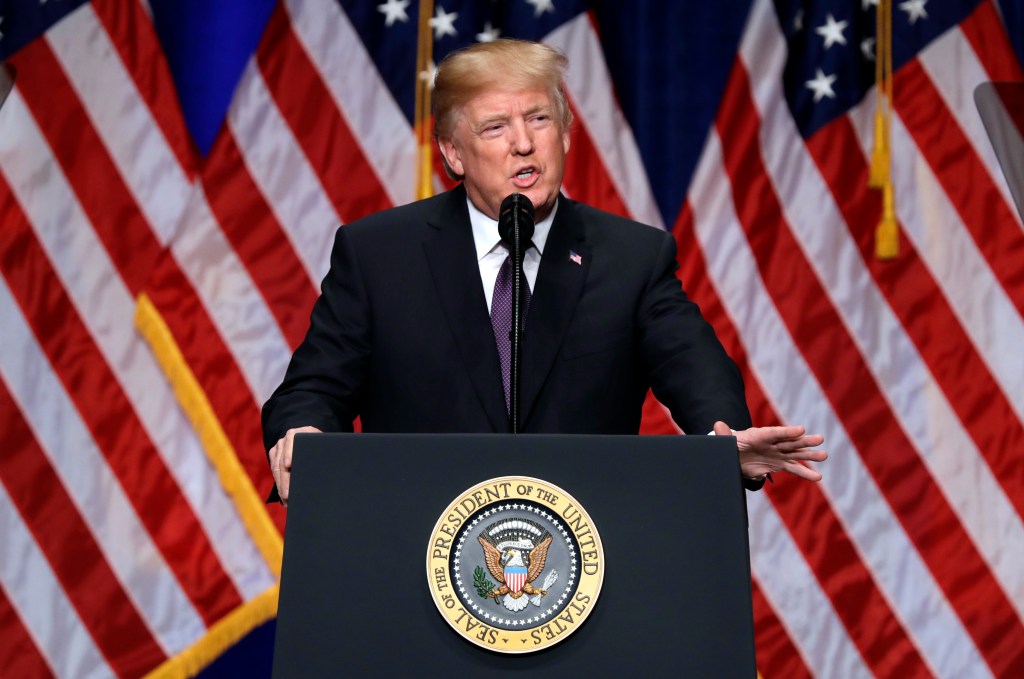
What Trump’s National Security Strategy says on cyber
Here’s what the Trump administration’s National Security Strategy means for the nation’s cybersecurity strategy.
-

US firm: Hackers interfered with industrial facility
Cyberattacks that sabotage industrial equipment are counted among the most serious threats in digital security because of their capacity to wreak physical havoc.
-
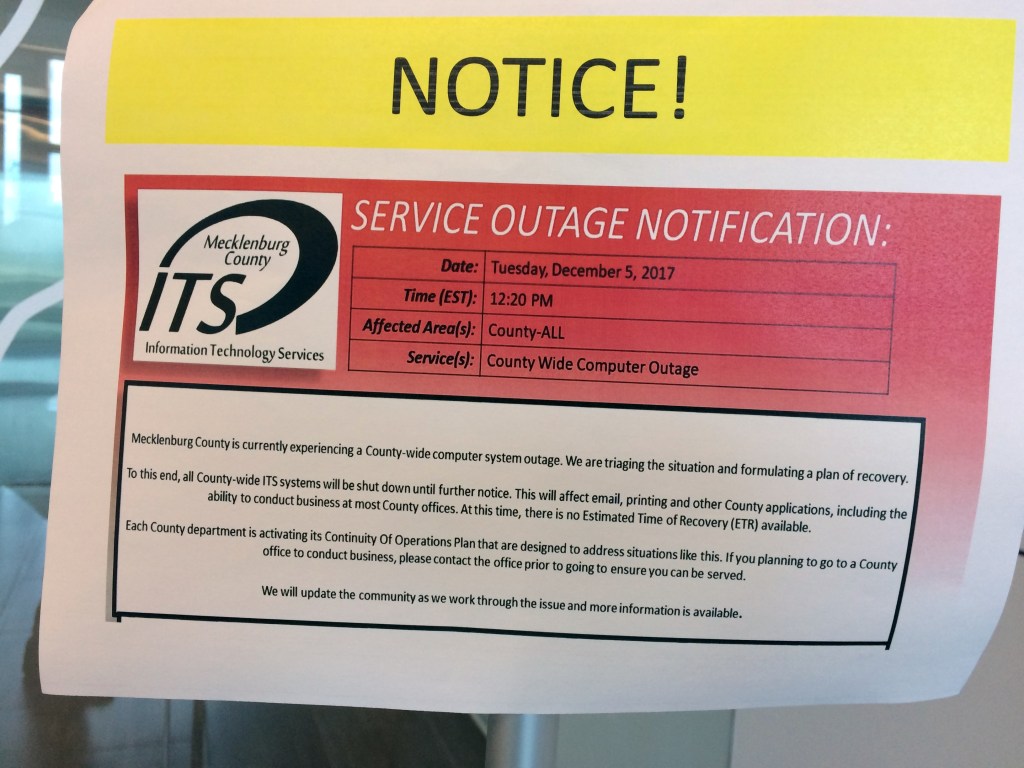
After ransomware attack, much of county’s business done on paper
North Carolina’s largest metro area was discovering just how hard it is to conduct business without county computers that handle numerous transactions on Thursday, a day after local leaders refused to pay hackers who froze their system.


