In drought-stricken California, the Marine Corps is clamping down on water use even though there is no federal mandate to do so The Marine Corps may not be subject to an executive order limiting water use in California due to drought, but the grass isn’t any greener on base.
Bases The Corps’ West Coast bases are cutting back heavily on car washes and lawn watering in the wake of drought restrictions in accordance with a policy letter signed several weeks ago May 28 by Marine Corps Installations West Commander Brig. Gen. Edward Banta, who oversees all West Coast Marine Corps facilities. The regulations, which also require water waste-prevention mechanisms on hoses, will mean less pristine conditions on the bases and brown grass in residential areas, but have the benefit of helping the service make progress toward on installations get closer to a White House directive mandate to reduce water consumption by 36 percent over the next decade from 2007 levels by 2025.
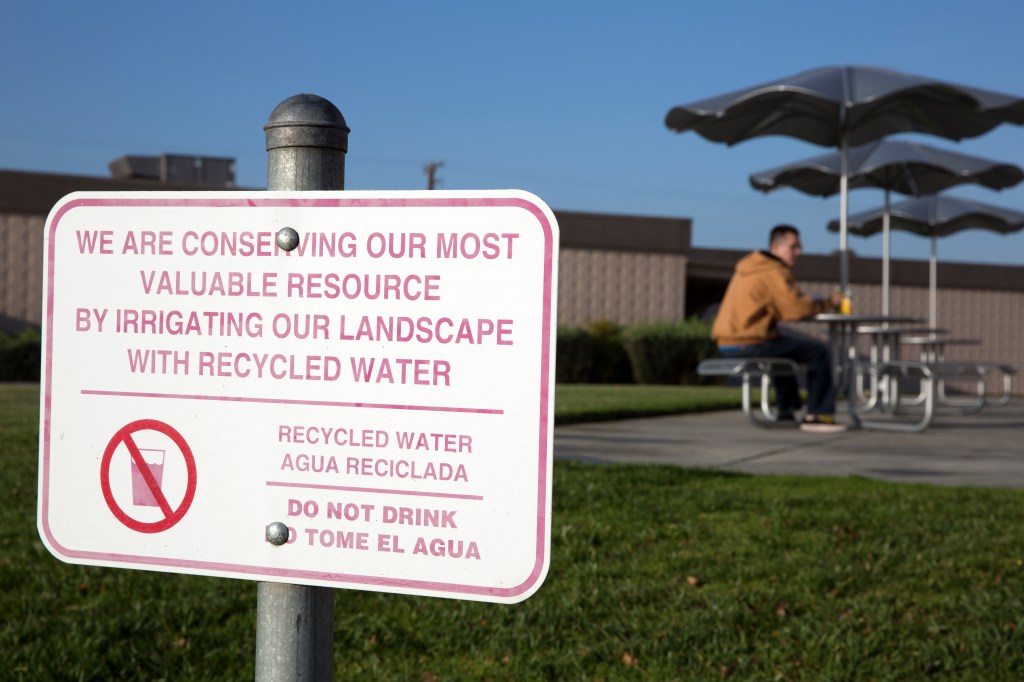
The only exceptions are activities deemed to these rules? Activities that are determined to be mission essential for the bases or the training that goes on within them, said John Simpson, the general manager of the Camp Pendleton Water Resources Division. This means government vehicles receive get just one wash every two weeks unless more frequent washing is deemed critical to their operational safety. Fitness And PT fields and parade decks will stay green for training and special events, though they’ll be irrigated with recycled water, Simpson said.
Paved While paved surfaces on base will be kept clean, but hosing them down is strictly off-limits. Instead, Marines personnel with brooms and brushes will scrub them apply elbow grease as necessary to keep them clean.
Meanwhile, Simpson said, officials the West Coast bases have organized launched a new water resources management group to evaluate long-term methods for ways to preventing future drought. For example, Simpson said, Camp Pendleton, for example, may partner with is considering partnering with its neighboring San Diego to use a desalination plant that’s expected to come the city has tentatively planned to bring online in 2025.
And at the Marine Corps’ desert training center in Twentynine Palms, California, Air Ground Combat Center 29 Palms, which falls under Training and Education Command, officials are researching increased use of indirect potable recharge — a process — it’s called “indirect potable recharge” — by which the base could make treated wastewater that’s to the point where it could be safe to drink and reuse.
Banta is “[Banta is] investing personnel and money in water as a resource,” Simpson said of the general. “… Our water security really ends up being about national security.”