WASHINGTON — A senior U.S. diplomat said Tuesday that if North Korea keeps advancing its weapons programs, the U.S. will be compelled to take defensive measures that China will not like.
Deputy Secretary of State Antony Blinken told a Washington think tank that North Korea is getting closer to having a nuclear-tipped missile that could threaten the continental U.S.
He said while China’s influence over the North has diminished, it still has economic leverage.
“If China is looking to assure that we are not required to take additional steps for our own security and that of our partners and allies that it won’t like, the best thing it can do is to engage with us in dealing with North Korea,” Blinken told the Brookings Institution.
He spoke ahead of a Thursday meeting in Washington between President Barack Obama and Chinese President Xi Jinping on the sidelines of a global nuclear security summit — weeks after China agreed to new stiff sanctions against North Korea, in response to its recent nuclear test and rocket launch.
Blinken called for China to take a “lead role” in the implementation of the sanctions.
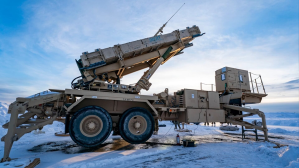
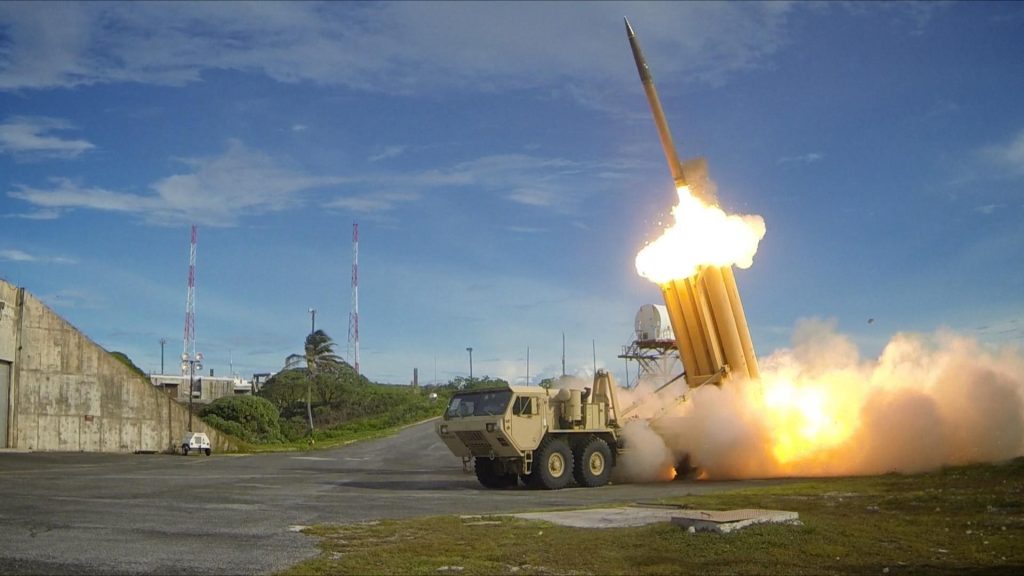
He said the U.S. is willing to provide to China specifications of a U.S. missile defense system that may be deployed in South Korea to counter the threat of North Korean missiles, to offer assurance it would not undermine China’s strategic deterrence.
Both China and Russia oppose the deployment of the Terminal High-Altitude Area Defense, or THAAD, system that is under discussion between Washington and Seoul. China has expressed concern that a THAAD system placed in South Korea would allow U.S. radar to also cover Chinese territory.