By the time Congress decides whether it wants to vote on authorizing new military intervention in Iraq and Syria, the fight could be over.
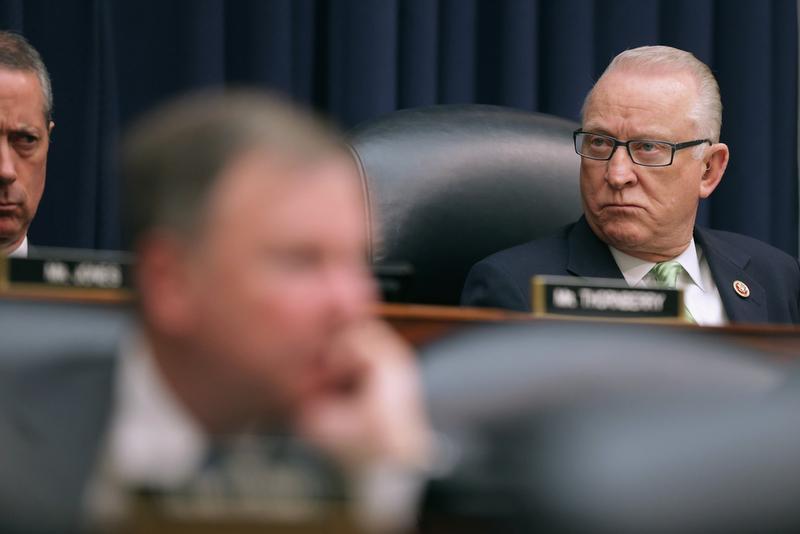
On Sunday night, in a Washington Post editorial, House Armed Services Committee Chairman Rep. Buck McKeon, R-Calif., said lawmakers should weigh in on a new authorization for use of military force in the Middle East, but criticized potential plans to roll it into other military legislation when Congress returns in November.
“Any authorization should stand on its own merits, after lengthy and open debate, and not be a rider to an omnibus appropriation or a defense bill,” he wrote. “Lame ducks, with little accountability, should not make an AUMF the final vote of their term.”
That sentiment echoes comments from other top House Republicans, who have said that the issue should wait until the new Congress is seated in January.
But White House officials have said that won’t slow operations already underway to attack the Islamic State group in that region. As of Sunday, U.S. military forces already had conducted over 200 airstrikes in Iraq with international partners and 43 airstrikes in Syria with regional Arab partners.
Before Congress adjourned earlier this month, lawmakers approved White House plans to train and arm moderate Syrian rebels, but did not weigh in on the larger question of authorizing U.S. military involvement.
President Obama has said that he would welcome a congressional vote on the matter, but that existing authorities are sufficient for the current operations. Administration officials have argued that the September 2001 AUMF to pursue al-Qaida fighters still applies to the Islamic militants in Syria and Iraq.
Democrats in Congress have largely agreed, although Sen. Tim Kaine, D-Va., has led a push for a new authorization vote to reflect the new threats.
Last week, Senate Armed Services Committee Chairman Sen. Carl Levin, D-Mich., predicted the lawmakers will vote on the authorization issue shortly after the November elections, possibly as part of the annual defense authorization debate.
McKeon appears directly opposed to that idea.
“Incoming representatives will oversee this conflict, and they should bear the responsibility for authorizing it — even if that means a vote can’t take place until January,” he wrote.
Even if a vote takes place as early as November, that congressional action will come more than two months into the military campaign. About 1,600 troops have already been deployed to Iraq, though Obama has insisted they will not perform a ground combat role.