
The on-time delivery rate for troops’ vehicles being shipped to and from overseas was about 20 percent in July, according to a senator who wants more information from U.S. Transportation Command about what is being done for military families, and what is being done to improve the new contractor’s performance.
In a Sept. 10 letter to TRANSCOM, Sen. Mark R. Warner, D-Va., said he was “stunned to hear” the low performance rate, which was provided by TRANSCOM team in a briefing to his staff. The contract mandates a 98-percent on-time delivery rate, his staff was told.
Warner’s constituents are still contacting his staff about how they are struggling financially because their cars have been delayed, he said, and have been unable to get information from the new contractor, International Auto Logistics, about their vehicles. “This is unfair, inconvenient, and unacceptable,” Warner wrote. He noted that no one at IAL or at TRANSCOM can answer the question of how many cars are currently past due.
“I appreciate that TRANSCOM and IAL are taking steps to improve communications and performance, but my constituents are still unable to get someone at IAL to pick up the phone to tell them where their vehicle is,” Warner wrote.
TRANSCOM officials have said regulations restrict them from releasing contract performance data. But an official said this week that the on-time delivery rate for troops’ vehicles shipped in the first three months of the contract, through July, “was completely unacceptable,” although IAL is now showing some improvement.
Based on data collection during site surveys at the new contractors’ facilities, the situation has improved for vehicles turned in by service members since Aug. 1, said Air Force Brig. Gen. Paul Guemmer, who leads the TRANSCOM POV Fusion Cell addressing problems with International Auto Logistics.
“That said, and to be candid, the on-time delivery rate for vehicles through July was completely unacceptable,” Guemmer said.
Based on information cited in a TRANSCOM news release, it appears only about one-third of vehicles were delivered on time during those initial three months.
TRANSCOM officials said their own random sample of 500 vehicles turned in after Aug. 1 showed that more than 95 percent were delivered on time. That rate, according to the news release, was “nearly three times higher” than the rate of delivery in the previous three months of the contract.
Service members have complained about late deliveries of their privately owned vehicles since IAL took over May 1 after winning the contract over the previous contractor, American Auto Logistics. IAL took over the contract during peak military moving season because of a delay due to protests from the previous contractor. Troops also have been frustrated trying to reach IAL to find out the location and status of their vehicles.
IAL reported Sept. 11 that of the 32,600 vehicles turned in at various times since May 1, more than 15,000 have been delivered to service members and another 2,300 are ready for pickup at vehicle processing centers.
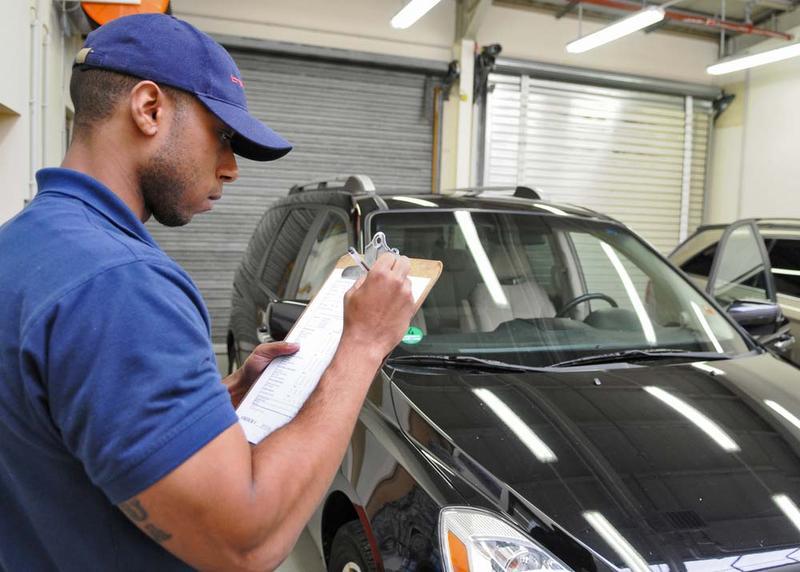
IAL and TRANSCOM officials, the Surface Deployment and Distribution Command and Army transportation brigades conducted site surveys in August at vehicle processing centers and vehicle staging facilities worldwide and identified potential weaknesses in IAL’s supply chain, TRANSCOM officials said. They also took a random sample of records for vehicles turned in and delivered in August, to evaluate improvements.
The increased volume of deliveries in August indicates IAL has more reliable data tracking and has improved its customs clearance procedures, Guemmer said.
Clearing the logjam
IAL officials have said they are starting to clear the logjam that has caused delays in getting cars to their owners; have contracted with a call center to be more responsive to the flood of service members asking about the location of their cars; and are using the vehicle-by-vehicle inventories with TRANSCOM as one step in improving online tracking for service members.
As of early September, they said, service members should be able to accurately track the location of their vehicles at the www.pcsmypov.com site.
“IAL’s systems are showing improved visibility. However, there will still be some cases that will require additional hands-on service,” said company spokeswoman Amanda Nunez.
Recently retired Air Force Master Sgt. Jeremy Carter dropped his vehicle off in Belgium on June 23 and was supposed to receive it in the U.S. by Aug. 15. He said he has been trying unsuccessfully to reach IAL for weeks, and the website wasn’t tracking his vehicle.
“While the pcsmypov website is much improved, it is still not where IAL wants it to be and they continue to work on it daily,” Nunez said.
Carter retired Sept. 1 and is trying to move to Florida from Oklahoma, “which necessitates the use of my truck,” he said. “I am single and once I start working full time, I will be unable to take off work to pick up my vehicle in Dallas during the week. They are not open on weekends. So I’m having to put off my new position for several weeks. This is hurting me financially.”
Asked about Carter’s vehicle, Nunez said Sept. 10 that it should be in Dallas early the week of Sept. 15, and the vehicle processing center manager would contact him when it’s ready to be picked up.
“This is the first I have heard this,” Carter said in an email exchange Sept. 11. “I have called every day this week and have been e-mailing as well with absolutely no response from IAL.”
(Late on Sept. 11, Nunez said Carter should have received notification that his vehicle can be picked up.)
Troops whose vehicles are overdue for fewer than seven days should contact their local personal property, personnel support detachment or finance officer, for reimbursement of up to $30 a day for rental cars. After that, IAL handles reimbursement. The email address is: claims@ialpov.us.


