

-

CENTCOM chief: The future of warfare demands more cyber authorities
The head of U.S. Central Command, Gen. Joseph Votel, in a Dec. 18 paper stated that the Pentagon must “normalize” electronic warfare and cyberattacks into daily operations.
-

Behind the White House’s plan to be more aggressive in cyberspace
How North Korean threats, disappearing Russians and massive Chinese hacks led the Trump administration to a new cybersecurity strategy.
-

Warner wants more Pentagon spending on cybersecurity
Sen. Mark Warner, the ranking member of the Senate’s intelligence committee, called for a realignment of Pentagon spending priorities to boost cybersecurity and technology investments.
-

Seeking counter-terrorism partnership, Trump dangles removing Sudan from state sponsor of terror list
The Trump administration is entering a new chapter of engagement with Khartoum and offering the possibility of removing the African nation from the state sponsors of terror list.
-
Inside the Pentagon’s struggle to build a cyber force
Experts suggest the armed forces have structural problems that prevent it from becoming a digitally cohesive force.
-

Polar fitness app broadcasted sensitive details of intelligence and service members
More than 6,500 users who worked at more than 200 sensitive sites across the world appear to have been unknowingly broadcasting their exercise location and their name to the entire world.
-

Japanese peacekeepers arrive in South Sudan with new powers
For the first time since the end of World War II, these peacekeepers will have the ability to use force to protect civilians, U.N. staff and themselves.
-
CENTCOM chief: The future of warfare demands more cyber authorities
The head of U.S. Central Command, Gen. Joseph Votel, in a Dec. 18 paper stated that the Pentagon must “normalize” electronic warfare and cyberattacks into daily operations.
-
Behind the White House’s plan to be more aggressive in cyberspace
How North Korean threats, disappearing Russians and massive Chinese hacks led the Trump administration to a new cybersecurity strategy.
-
Warner wants more Pentagon spending on cybersecurity
Sen. Mark Warner, the ranking member of the Senate’s intelligence committee, called for a realignment of Pentagon spending priorities to boost cybersecurity and technology investments.
-
Seeking counter-terrorism partnership, Trump dangles removing Sudan from state sponsor of terror list
The Trump administration is entering a new chapter of engagement with Khartoum and offering the possibility of removing the African nation from the state sponsors of terror list.
-
Inside the Pentagon’s struggle to build a cyber force
Experts suggest the armed forces have structural problems that prevent it from becoming a digitally cohesive force.
-
Polar fitness app broadcasted sensitive details of intelligence and service members
More than 6,500 users who worked at more than 200 sensitive sites across the world appear to have been unknowingly broadcasting their exercise location and their name to the entire world.
-
Japanese peacekeepers arrive in South Sudan with new powers
For the first time since the end of World War II, these peacekeepers will have the ability to use force to protect civilians, U.N. staff and themselves.
-

CENTCOM chief: The future of warfare demands more cyber authorities
The head of U.S. Central Command, Gen. Joseph Votel, in a Dec. 18 paper stated that the Pentagon must “normalize” electronic warfare and cyberattacks into daily operations.
-
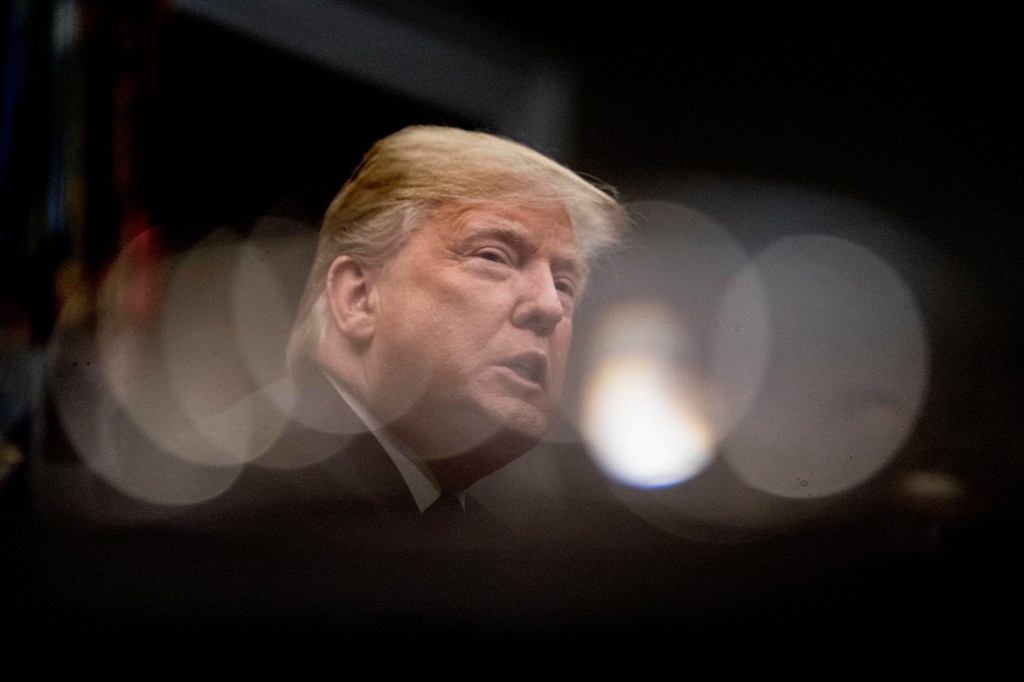
Behind the White House’s plan to be more aggressive in cyberspace
How North Korean threats, disappearing Russians and massive Chinese hacks led the Trump administration to a new cybersecurity strategy.
-

Warner wants more Pentagon spending on cybersecurity
Sen. Mark Warner, the ranking member of the Senate’s intelligence committee, called for a realignment of Pentagon spending priorities to boost cybersecurity and technology investments.
-
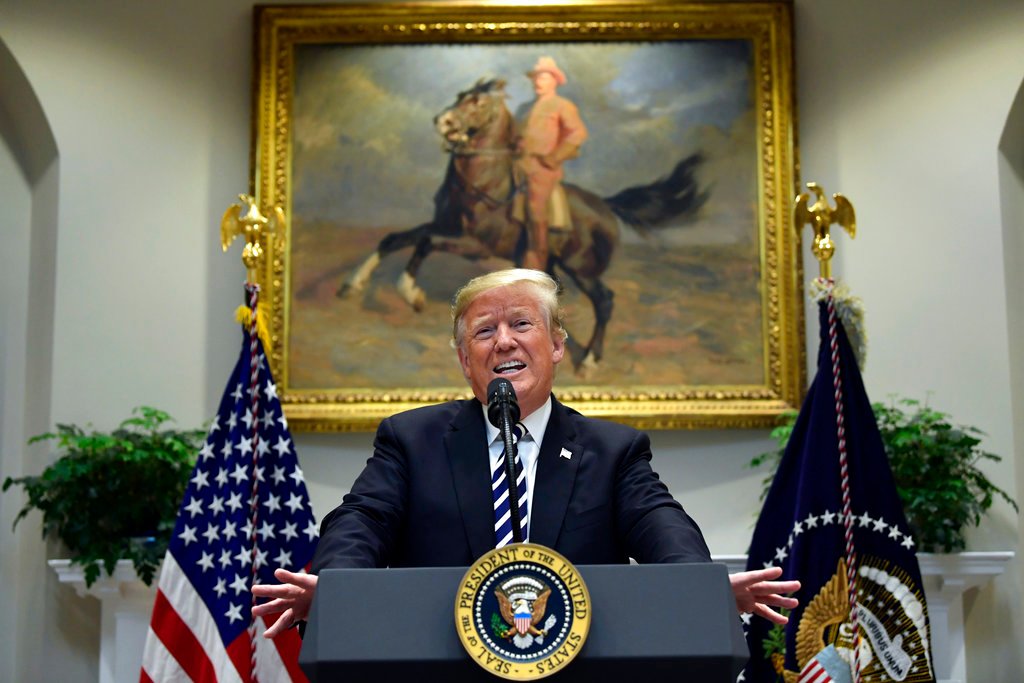
Seeking counter-terrorism partnership, Trump dangles removing Sudan from state sponsor of terror list
The Trump administration is entering a new chapter of engagement with Khartoum and offering the possibility of removing the African nation from the state sponsors of terror list.
-
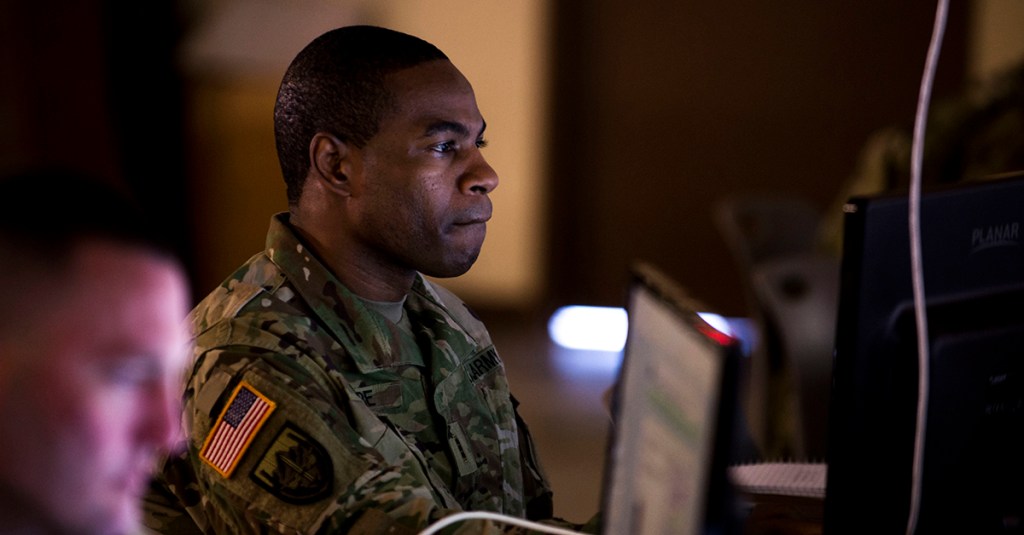
Inside the Pentagon’s struggle to build a cyber force
Experts suggest the armed forces have structural problems that prevent it from becoming a digitally cohesive force.
-

Polar fitness app broadcasted sensitive details of intelligence and service members
More than 6,500 users who worked at more than 200 sensitive sites across the world appear to have been unknowingly broadcasting their exercise location and their name to the entire world.
-
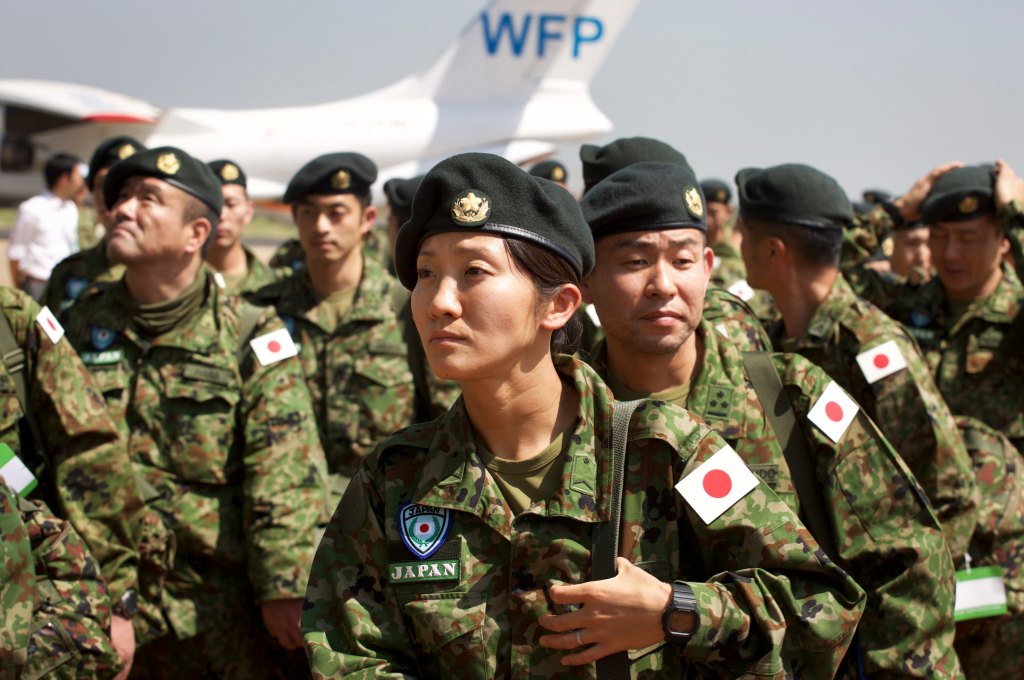
Japanese peacekeepers arrive in South Sudan with new powers
For the first time since the end of World War II, these peacekeepers will have the ability to use force to protect civilians, U.N. staff and themselves.


