Trauma embeds in the minds of combat troops at a cellular level.
It takes prisoners from all generations.
In the documentary film “Acronym: The Cross-Generational Battle With PTSD,” physiological adaptations that helped war fighters stay alive downrange have insidious effects back home.
The veterans who tell their stories served in major conflicts from World War II to Afghanistan. Their message about PTSD is urgent — and hopeful — and relevant to all combat veterans who might not have made it out unscathed after all.
The DVD is totally free.
Their stories
An Air Force mom driving in Kabul strikes two children with her vehicle, but she can’t stop. She has nightmares about it, and she still thinks about suicide.
An Iwo Jima Marine’s delayed-onset PTSD has hit home in recent years, though he witnessed traumatic events before ever setting foot on the beach.
A Vietnam veteran of the rubber-tree plantation off Highway 1 outside Saigon is matter-of-fact about his daily fight. His weapons of choice are a vegetable garden and a morning routine of coffee, the newspaper and a “nice bowl of weed. That’s to stop anything that’s going to start that morning. I just cut it short.”
A teenage boy breaks down when he talks about the gulf in his relationship with his Army dad after two years of combat tours. The boy already looks inward more than your average civilian.
Their stories are violent, but normal.
The people may remind you of someone you know.
Their strategies
Now imagine that person happier — after getting help.
Drugs, accepted or otherwise, take a back seat to active therapies in the film’s story line.
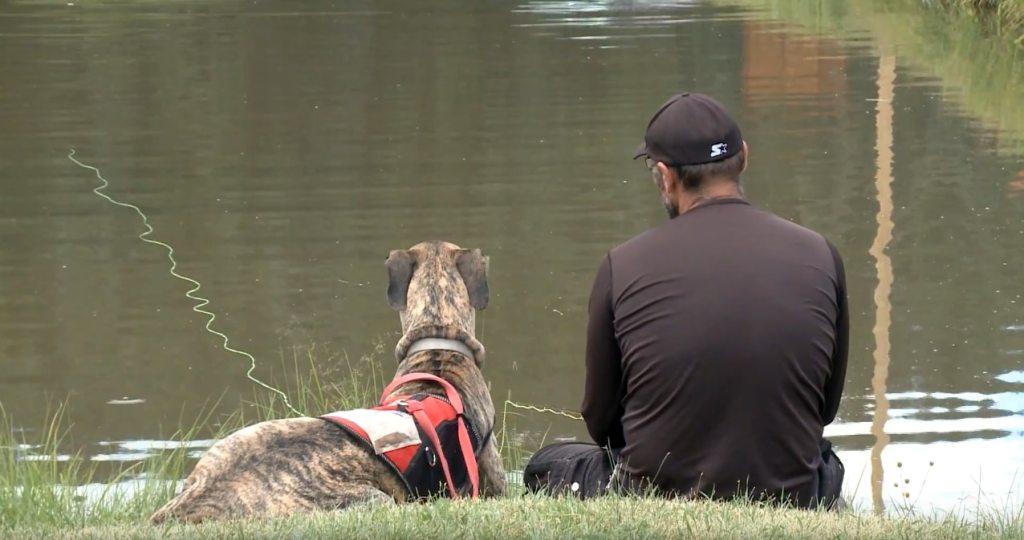
Veterans instead find therapeutic value — feelings of security and a singular focus apart from the trauma — in the likes of fishing with Wounded Warriors USA, equine therapy with Combat Veterans Cowboy Up, dogs, surfing, golf lessons, guitar lessons, photography, and family retreats such as those hosted by Project Sanctuary.
Word of caution
Gun blasts and wartime footage are present in “Acronym” (not gratuitous), described as “triggering” during a recent screening at Colorado State University.
The filmmakers from Mountain Time Media, led by Denver radio host and longtime newsman Steffan Tubbs, tried to be sensitive to triggers while also bringing home a sense of war’s realities to civilians, Tubbs said.
A mental health provider from the Veterans Affairs Department’s VITAL programwas in attendance at CSU’s screening.
How to follow
Keep up with the filmmakers on Facebook at facebook.com/acronymptsdand facebook.com/mountaintm; and follow them on Twitter: @ACRONYM_PTSDand
@MtnTimeMedia.