-

The US Army wants to manufacture meatless proteins in combat zones
The service “is exploring how the emerging alternative-protein sector can help meet several objectives, including enhancing food supply chain resilience.”
-
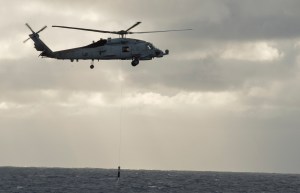
US Navy wants helicopter sonar that can detect subs – and mines
Instead of separate tech to spot mines and subs, the Navy is exploring the convenience of having one sonar that allows a single helicopter to do both.
-
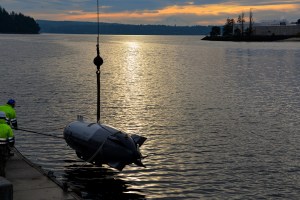
US and UK teaming up to destroy underwater drones
America and Britain are joining forces to tackle the threat of underwater drones to ports and other critical infrastructure.
-
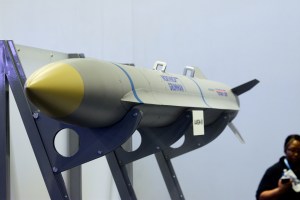
Navy seeks new anti-radar missile compatible with F-18, F-35 aircraft
The Navy is seeking a next-gen missile, compatible with F/A-18E/F, EA-18G and F-35 aircraft, for knocking out modern radar systems.
-
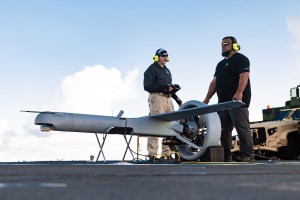
US Navy on the hunt for strike drones that can launch from any warship
The Navy is looking for armed drones that can be launched from austere locations or from surface warships other than aircraft carriers.
-
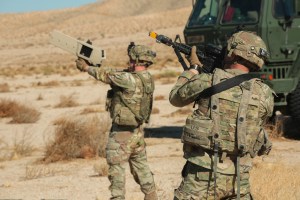
Bureaucratic confusion leaves DOD sites exposed to drones, DOD IG says
Major military installations in the U.S. are unprotected from drone attacks, despite policies that mandate otherwise, a Pentagon watchdog report warns.
-
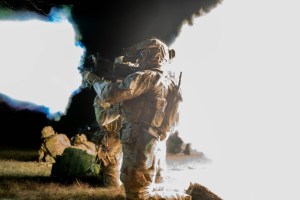
TBI research neglects special operations forces, report says
There is limited research on traumatic brain injury among SOF, although the community faces a higher risk of TBI, according to a new Rand report.
-

New lab offers generative AI for defense wargaming
The hope is that AI players are realistic enough to facilitate the creation of multiple strategies during a wargaming exercise.
-

Can a tabletop game explain why America lost the Vietnam War?
Fifty years after the last U.S. helicopters left Saigon, why America lost the Vietnam War is elusive. But can a tabletop wargame offer insight?
-
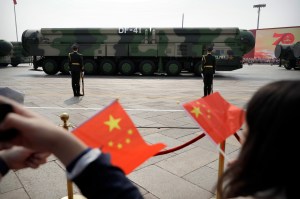
China’s military may discard its rigid command structure, report warns
A new Rand report explores the prospect of China embracing the more flexible Western concept of mission command and what that means for U.S. strategy.
-
The US Army wants to manufacture meatless proteins in combat zones
The service “is exploring how the emerging alternative-protein sector can help meet several objectives, including enhancing food supply chain resilience.”
-
US Navy wants helicopter sonar that can detect subs – and mines
Instead of separate tech to spot mines and subs, the Navy is exploring the convenience of having one sonar that allows a single helicopter to do both.
-
US and UK teaming up to destroy underwater drones
America and Britain are joining forces to tackle the threat of underwater drones to ports and other critical infrastructure.
-
Navy seeks new anti-radar missile compatible with F-18, F-35 aircraft
The Navy is seeking a next-gen missile, compatible with F/A-18E/F, EA-18G and F-35 aircraft, for knocking out modern radar systems.
-
US Navy on the hunt for strike drones that can launch from any warship
The Navy is looking for armed drones that can be launched from austere locations or from surface warships other than aircraft carriers.
-
Bureaucratic confusion leaves DOD sites exposed to drones, DOD IG says
Major military installations in the U.S. are unprotected from drone attacks, despite policies that mandate otherwise, a Pentagon watchdog report warns.
-
TBI research neglects special operations forces, report says
There is limited research on traumatic brain injury among SOF, although the community faces a higher risk of TBI, according to a new Rand report.
-
New lab offers generative AI for defense wargaming
The hope is that AI players are realistic enough to facilitate the creation of multiple strategies during a wargaming exercise.
-
Can a tabletop game explain why America lost the Vietnam War?
Fifty years after the last U.S. helicopters left Saigon, why America lost the Vietnam War is elusive. But can a tabletop wargame offer insight?
-
China’s military may discard its rigid command structure, report warns
A new Rand report explores the prospect of China embracing the more flexible Western concept of mission command and what that means for U.S. strategy.
-
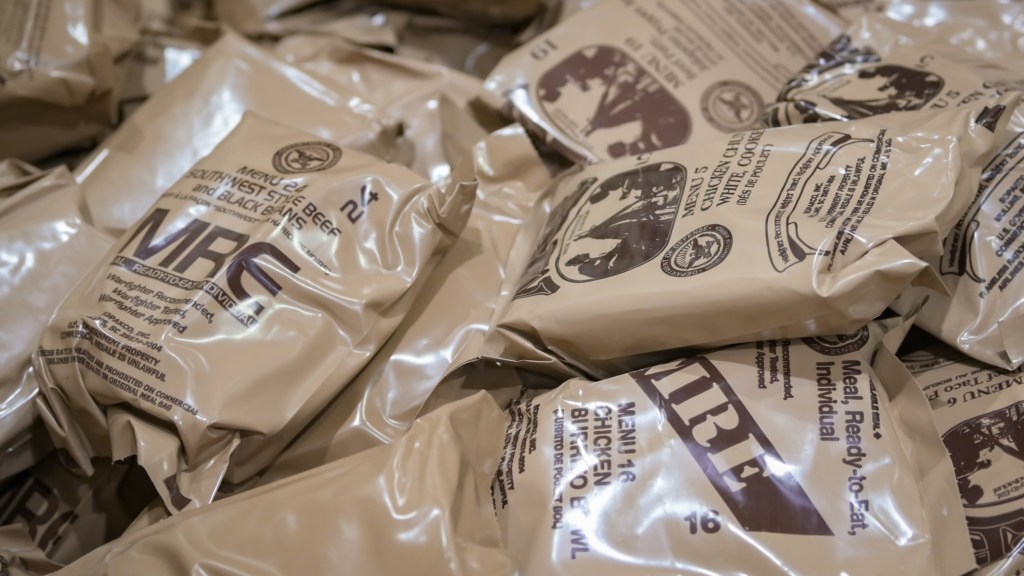
The US Army wants to manufacture meatless proteins in combat zones
The service “is exploring how the emerging alternative-protein sector can help meet several objectives, including enhancing food supply chain resilience.”
-
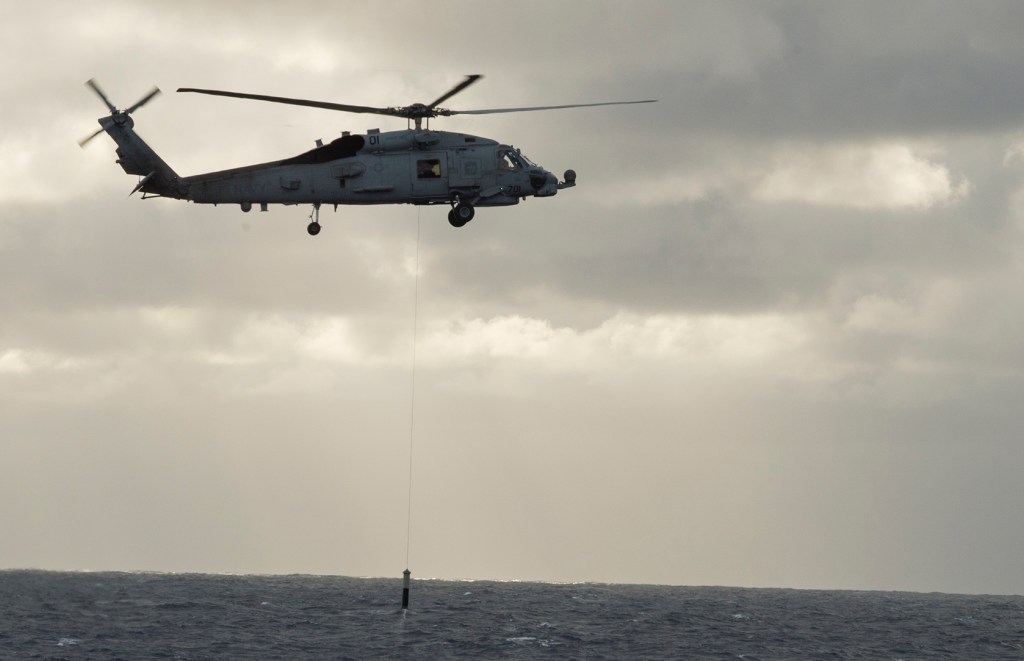
US Navy wants helicopter sonar that can detect subs – and mines
Instead of separate tech to spot mines and subs, the Navy is exploring the convenience of having one sonar that allows a single helicopter to do both.
-
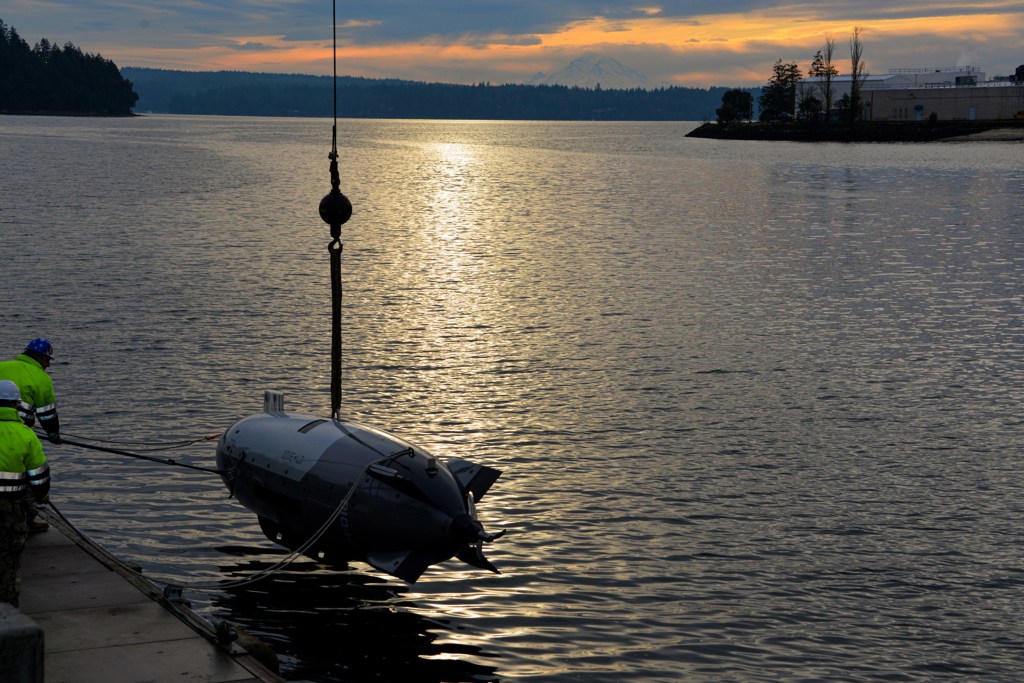
US and UK teaming up to destroy underwater drones
America and Britain are joining forces to tackle the threat of underwater drones to ports and other critical infrastructure.
-
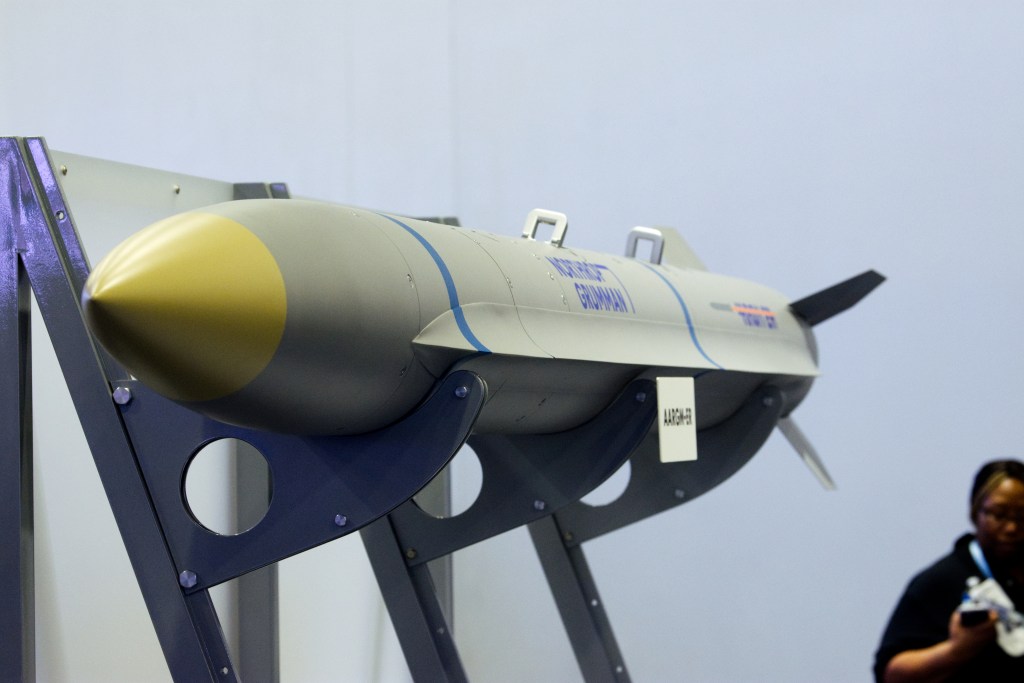
Navy seeks new anti-radar missile compatible with F-18, F-35 aircraft
The Navy is seeking a next-gen missile, compatible with F/A-18E/F, EA-18G and F-35 aircraft, for knocking out modern radar systems.
-
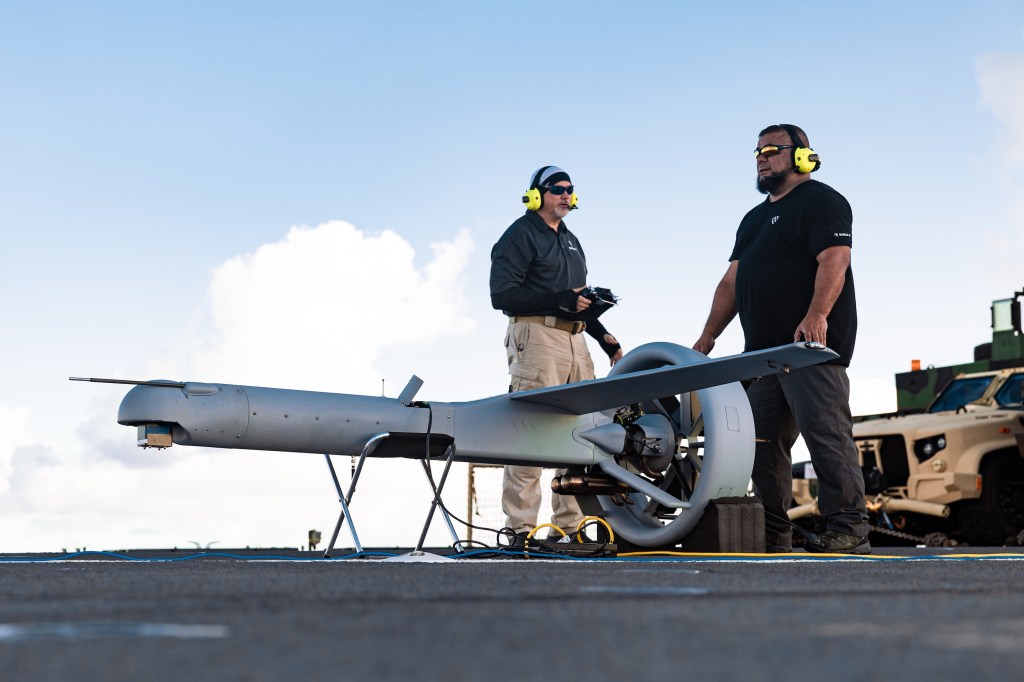
US Navy on the hunt for strike drones that can launch from any warship
The Navy is looking for armed drones that can be launched from austere locations or from surface warships other than aircraft carriers.
-
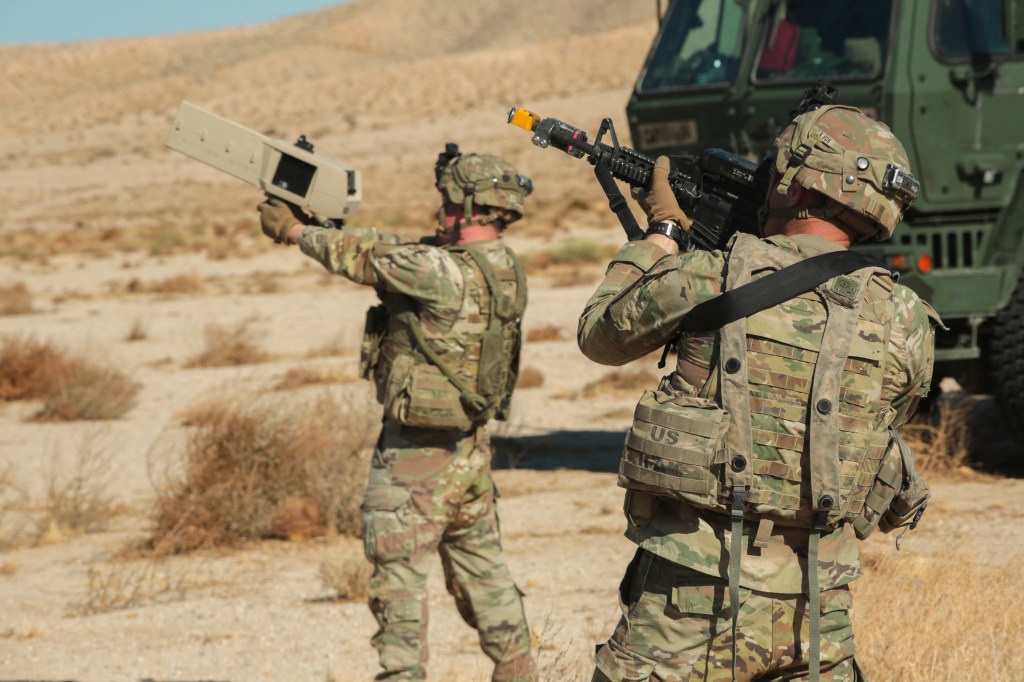
Bureaucratic confusion leaves DOD sites exposed to drones, DOD IG says
Major military installations in the U.S. are unprotected from drone attacks, despite policies that mandate otherwise, a Pentagon watchdog report warns.
-
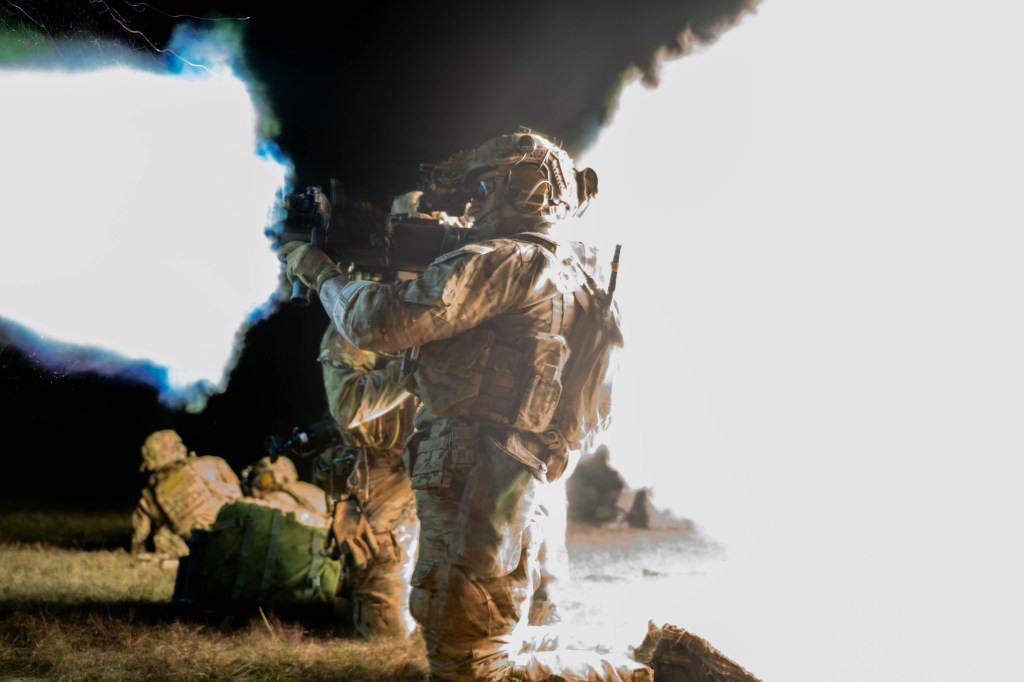
TBI research neglects special operations forces, report says
There is limited research on traumatic brain injury among SOF, although the community faces a higher risk of TBI, according to a new Rand report.
-

New lab offers generative AI for defense wargaming
The hope is that AI players are realistic enough to facilitate the creation of multiple strategies during a wargaming exercise.
-

Can a tabletop game explain why America lost the Vietnam War?
Fifty years after the last U.S. helicopters left Saigon, why America lost the Vietnam War is elusive. But can a tabletop wargame offer insight?
-
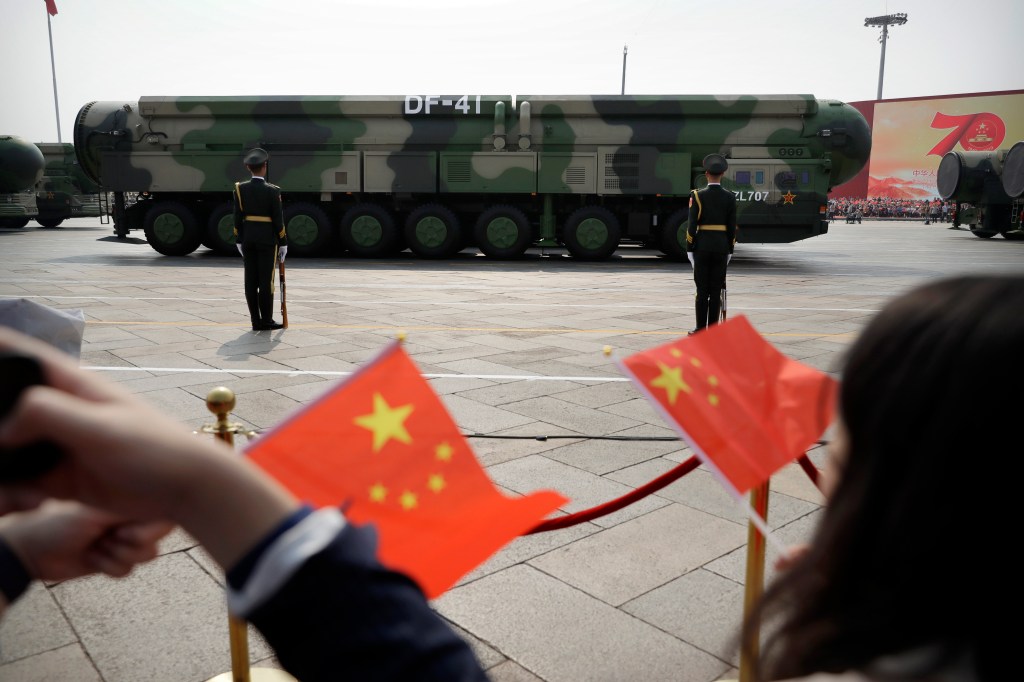
China’s military may discard its rigid command structure, report warns
A new Rand report explores the prospect of China embracing the more flexible Western concept of mission command and what that means for U.S. strategy.