source GAIA package: Sx_MilitaryTimes_M6201410309080040_5675.zip Origin key: Sx_MilitaryTimes_M6201410309080040 imported at Fri Jan 8 18:19:05 2016
Veterans Affairs Secretary Bob McDonald said the recurring complaint he heard during a month-long listening tour across America is that his department’s culture is still too closed and unfriendly.
To counter that, he has been giving out his personal cell phone and email at every stop — to lawmakers, media members, employees, and large groups of frustrated veterans.
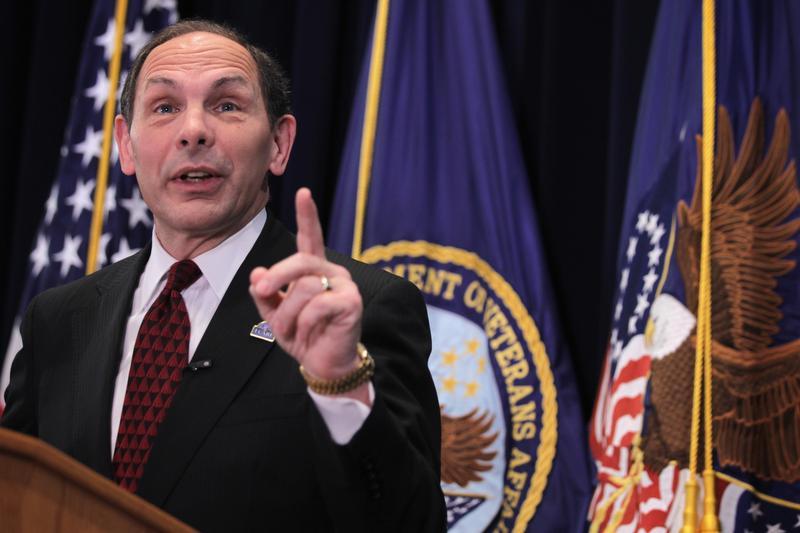
“We need to rebuild relationships with veterans and other stakeholders,” McDonald said during a press conference in Washington, D.C., on Monday. “We’re trying to reach out, establish relationships, learn about what’s going wrong and figure out how to improve.”
Monday’s event was the official launch of VA’s new “Road to Veterans Day” initiative, a push to reform and rebrand the department in McDonald’s first 100 days in office.
The moves include internal reforms in how things like inter-office communications and appointment scheduling are handled, and outreach to community leaders to help with recruiting new workers and fixing future problems.
McDonald, a former CEO of Procter & Gamble who took over the cabinet post after former secretary Eric Shinseki resigned, has promised significant changes in a short period of time.
He has mandated that employees reaffirm their commitment to putting veterans first, and re-examine their workload to jettison any tasks that interfere with providing direct care to veterans. On Monday, he noted that the department currently has 14 different websites to access veterans programs, each with a separate login and password.
“That’s just flat-out wrong,” he said, acknowledging that VA “is too complicated from a veteran’s standpoint.”
He has also promised to discipline workers found to be harming veterans, either through negligence or malice. The department has been in turmoil for months since reports showed evidence of record manipulation and lengthy medical care wait times for veterans at dozens of VA sites, and Congress recently passed new legislation to ease rules to quickly dismiss senior executives for mismanagement.
McDonald said that this summer alone, the department has started disciplinary actions against more than 30 employees for malfeasance and incompetence, including at least five senior executives.
But lawmakers and department critics have said that pace is still too slow to root out problem workers.
McDonald acknowledged that more than 100 cases involving VA facilities are currently under investigation by department and outside legal agencies, and promised more actions will be taken when those reviews are complete.
He also said that fixing VA will require more than firing individuals, and spoke about the importance of building new leaders and recruiting top talent into the department.
“We’re working hard to create and sustain a climate that embraces constructive dissent, that welcomes critical feedback,” he said. “I want every employee to criticize what we do and help us improve.”
But McDonald also pushed back against the public narrative about VA being a broken mess, touting the Veterans Health Administration as full of dedicated employees with innovative health ideas. He insisted that veterans should be proud of VA, even as they demand changes.