The Air Force’s long-range strike bomber is an integral to keep the country’snuclear deterrent safeas the rest of the bomber fleet ages out of service, the head of U.S. Strategic Command told lawmakers Thursdaytoday.
The Air Force is expected to award a contract to this spring to kick off procurement of the next-generation stealth bomber. Adm. Cecil Haney, the commander of U.S. Strategic Command, said this bomber is integral because tThe service will needs to replace its bomber fleet and keep the next generation flying “for decades to come,” Navy Adm. Cecil Haney, commander of U.S. Strategic Command, said.
“Our air leg is supported today by the B-2 and the B-52 aircraft,” Haney said today at a House Armed Services Committee hearing. “The B-52, which was last off the assembly line in 1962, will be used out until at least the 2040 time period. It is very important we invest in the long-range bomber.”
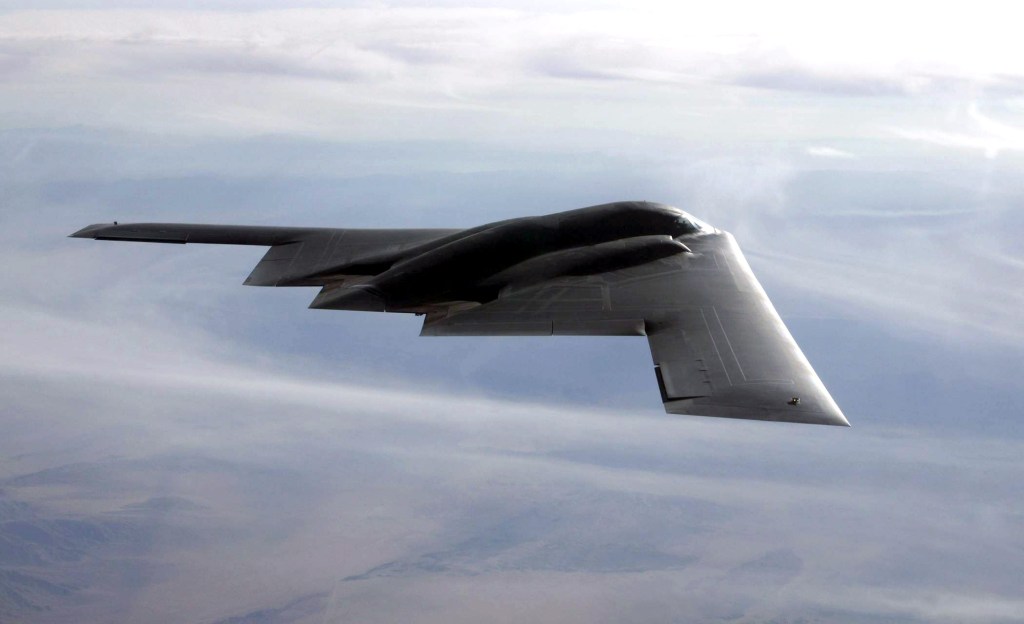
The service’s newest bomber, the B-2 Spirit, has also been flying for decades and will continue to fly for decades to come.
The next-generation new bomber will replace the B-52 and carry both conventional and nuclear weapons.
“In order to have the strategic and conventional capability, it’s important that we recapitalize and move forward as the Air Force is investing in the long-range strike bomber,” Haney said.
The contract will be awarded to either Northrop Grumman, which produced the B-2, or a team of Lockheed Martin and Boeing. The Air Force last summer released a request for proposals, kicking off the procurement process, but has since been quiet because of the classified nature of the program.
The service wants to field 80 to 100 of the planes by 2040, and is looking at the aircraft being “optionally manned,” meaning it can fly with or without a pilot in the cockpit. The goal is to keep the cost down to about $500 million per aircraft.