Fourteen-day quarantines for two military families at Army Garrison Yongsan, South Korea, who may have been exposed to the virus that causes Middle East respiratory syndrome were lifted Wednesday afternoon, according to a post on the garrison’s Facebook page.
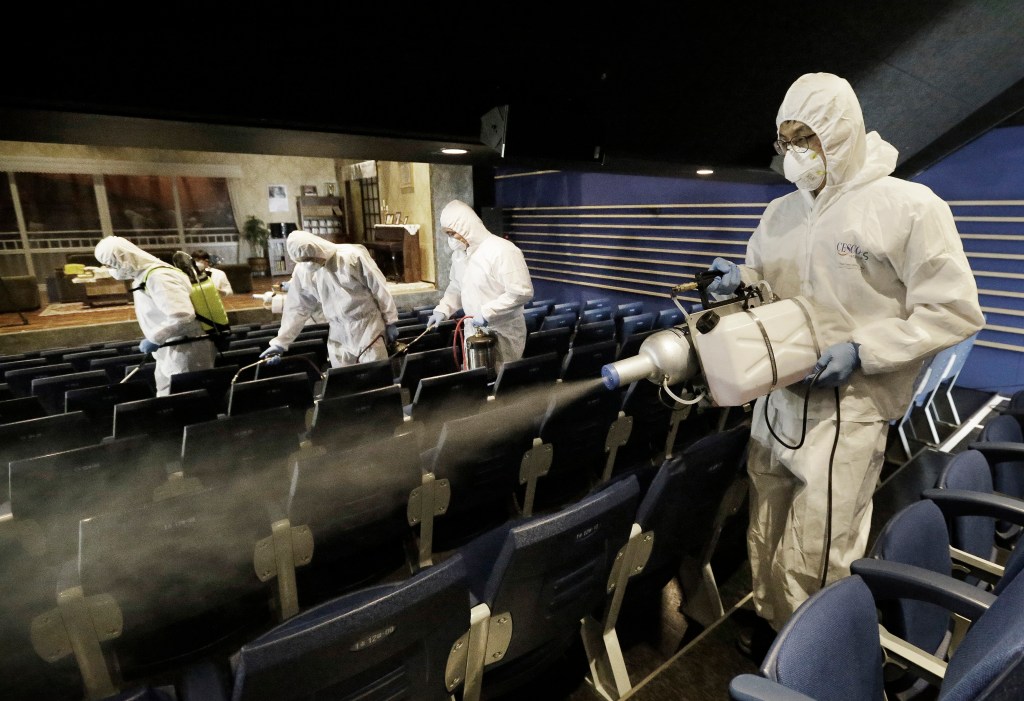
One service member attached to U.S. Forces Korea was quarantined off post and a military dependent was quarantined on the installation after both received treatment at an off-base hospital where the MERS virus had been reported, according to a June 15 garrison Facebook posting. An June 23 update yesterday noted that the families of those individuals had been quarantined but that no one had shown symptoms of the disease, which has killed 27 people in South Korea since the first reported case last month, according to the South Korean Ministry of Health.
The quarantines were lifted Wednesday after the individuals “were cleared by USFK health officials with negative test results,” according to the posting. No other details on the individuals were provided.
There have been 179 confirmed cases of the disease in South Korea, according to government figures released Wednesday. Eighty-five patients are in treatment and 67 have been released from treatment; most of the deaths have occurred among the elderly and those with other medical conditions.
More than 30,000 service members and dependents were stationed in South Korea as of March, according to Defense Department figures, including more than 20,000 soldiers.
USFK service members, civilians and family members have been asked to seek approval for all off-base medical appointments with their chain of command and health-care officials, according to a June 12 news release.
“We are ensuring that our personnel are provided the necessary preventive and cautionary measures prior to seeking medical care here in Korea,” Gen. Curtis Scaparrotti, USFK commander, said in the release.
The U.S. has not restricted travel to the nation, although the Centers for Disease Control and Prevention have issued a Level-1 advisory, asking travelers to “practice usual precautions.”
The disease caused 455 deaths out of 1,300 reported cases from its initial discovery in Saudi Arabia in late 2012 until June 12 of this year, the CDC reported.