
The Regular Army’s most senior chief warrant officers will be considered for possible involuntary early retirement by a board that convenes March 29.
The zone of eligibility for the Selective Early Retirement Board will include retirement-eligible CW5s who hold an aviation or technical services military occupational specialty.
Lt. Gen. James McConville, Army personnel chief, said the SERB is necessary to meet congressionally mandated end-strength requirements, and to free-up promotion opportunity for junior officers coming up through the ranks.
More than one-half of the Army’s 48 CW5 specialties are overstrength, and will stagnate promotion flow if not brought into balance with future manning requirements, according to personnel officials.
The basic zone of consideration for the SERB will include officers who are eligible for retirement under any provision of law, and who do not have an approved voluntary retirement, and who are not being forced into mandatory retirementmandatorily retired under any provision of law in fiscal 2016 or 2017.
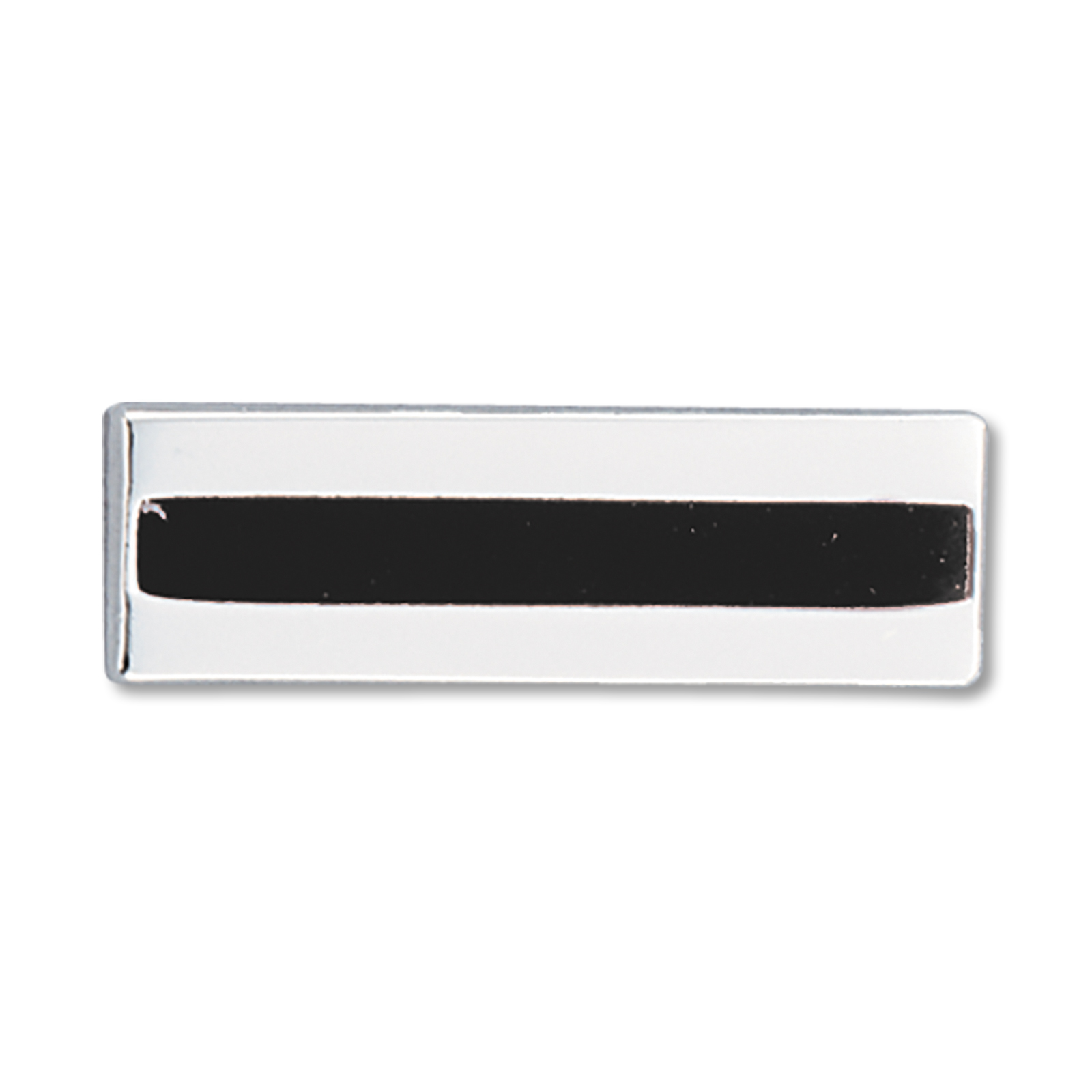
ARM-Insignia-Chief-Warrant-CW5-1600
Photo Credit: File
CW5s who hold an aviation MOS will be included in the retention review if they have five or more years’ time in grade.
Officers of the technical services will be included if they have four or more years’ time in grade.
Warrant officers who are selected by the board will be required to leave active duty sometime in the spring of 2017, unless they opt to leave sooner.
Separation board results normally take 90 to 100 days to process before being approved by the secretary of the Army. The mandatory separation date will then be the first day of the 10th month after the secretary signs the early retirement list.
For example, if the secretary approves the SERB list in June 2016, as expected, selected officers will be required to leave service no later than April 1, 2017.
Federal law authorizes the Army to select up to 30 percent of the officers in the SERB population.
The SERB board will review performance documents in an officer’s personnel file — (the Army Military Human Resources Record — ), as well as Officer Record Brief, official photograph and any derogatory information that may be filed in the restricted section of the record.
Derogatory information that may be pre-screened for review by the board includes Uniform Code of Military Justice actions that have not been set aside, Army Suitability and Evaluation Board filings of unfavorable information, promotion list removal documents, and punitive, or administrative letters of reprimand, admonition or censure.
Officers who are in the zone of consideration may submit a letter to the SERB regarding matters that they feel are important in the consideration of their file. Such letters must arrive at the Human Resources Command before the board convenes.
Code 9 “complete-the-record” officer evaluation reports are not authorized for the SERB.
The online My Board File record-review application will be available to zone-eligible warrant officers beginning on Jan. 29 and ending on March 22. MBF can be accessed from the “Self Service” link on the Human Resources Command homepage at www.hrc.army.mil.
Under policy, SERB findings are final once approved by the secretary of the Army.
There is no appeal process, and the Army will not conduct a standby board to reconsider board decisions. Officers who believe their board file contained material error, or that their selection is an injustice, can seek relief through the Army Board for Correction of Military Records.
Officers who are honorably retired as a result of SERB selection will have their DD Form 214 discharge certificate annotated with the Separation Program Designator code “SCN – Early Retirement from Service.”
Officers who do not want to risk SERB selection can request voluntary retirement, but the retirement date must be approved by the board-convening date.
Retirement applications must be processed through an officer’s chain of command and local transition center before being sent to Human Resources Command for final approval.