
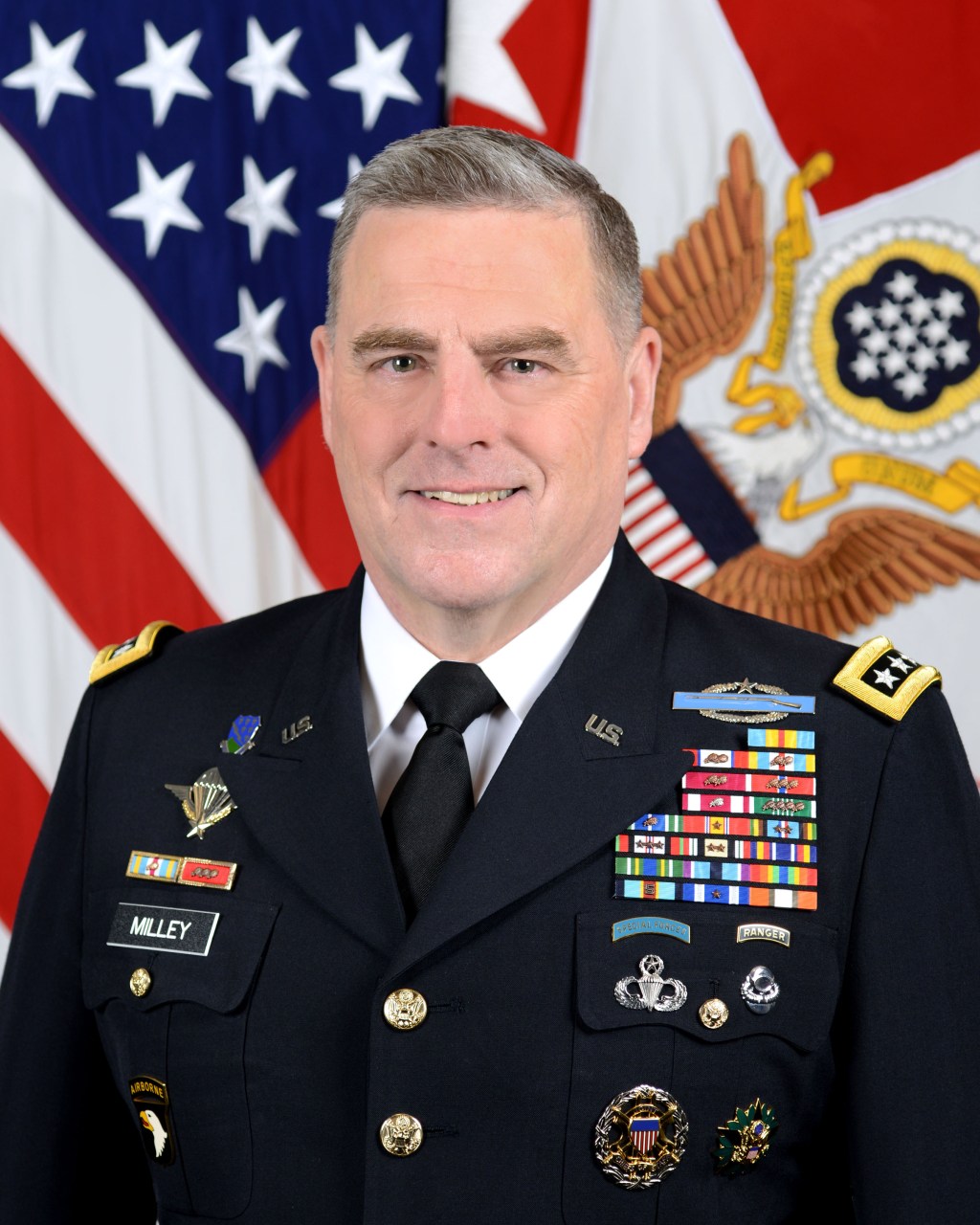
With the National Defense Authorization Act through Congress and on the President’s desk, attention is shifting toward certain acquisition authorities the legislation may grant.
Defense Department buying power was a hot topic at numerous recent events, all of them including high-level Pentagon officials concerned about the state of reform efforts and who should have what authorities. On Oct. 7, the new Army chief of staff made it clear he thinks more acquisition decision-making should be delegated from top DoD officials to service chiefs.
“Put us in charge of this stuff. Let us take a swing at the bat because it hasn’t been working,” GEN Mark Milley said at a Council on Foreign Relations event in Washington. “Empower the [program executive officers], empower the [Army’s acquisition executive] Heidi Shyus of the world, empower the service chiefs.”
Draft legislation from Senate Armed Service Committee Chairman Sen. John McCain (R-Ariz.) would do just that, but it’s been hotly debated by those who don’t share the same view. That may or may not include the Pentagon’s top weapons-buyer, Frank Kendall, undersecretary of Defense for acquisition, technology and logistics, who seems to support service chiefs’ involvement in buying – but only up to a certain point.
“They should not be deeply engaged on how to structure a program, what kind of contract to use or what kind of risk mitigation to use. Because when they get engaged on those things, we have big problems,” Kendall said at an industry event earlier this year. “We need to be careful about what we ask the service chiefs to do. They do not have expertise in technology or program management or testing. They don’t come from those communities, and we are a professional community.”
But more recently, Kendall highlighted that his Better Buying Power initiatives actually do give the service chiefs more say in acquisition, saying he needs their input to understand and balance investment risks in exchange for more modern, effective weapons and tools.
“It’s not a question of changing laws, it’s a question of leadership and capability,” Kendall said Oct. 6 at Defense One’s State of Defense Acquisition event in Arlington, Virginia. “I really applaud bringing the service leadership, and service chiefs in particular, more into the acquisition and requirements. One of the things we’ve done in the Better Buying Power initiative is get the service operators and service chiefs to define the value of performance…so what I’ve asked the services to do is define how much they’re willing to pay for increased performance.”
Is that good enough for Milley and his counterparts in the other services? It’s not clear. In the past Kendall alluded to there being more perception than reality that service chiefs are excluded from the acquisition process, but Milley emphatically disagreed with that premise.
“The entire way in which requirements are developed, certified [and] approved…the service chiefs need to be put in charge of that. Right now they’re not…with Goldwater-Nichols, service chiefs were cut out of this process,” Milley said. “We should be the guys calling the ball on the acquisitions programs.”


