-

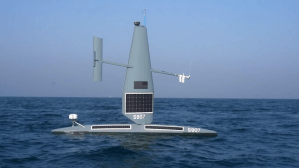
Inside China, artificial intelligence is a snake eating its own tail
AI researchers refer to this as “model collapse,” a phenomenon in which models trained on their own synthetic outputs degrade over successive generations.
-
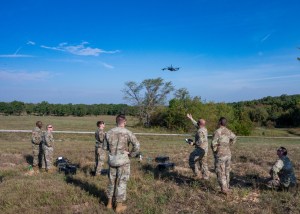
The military’s fabled ‘human in the loop’ for AI is dangerously misleading
A “human in the loop” whose sole function is to approve a machine’s actions is not a safeguard but a design failure, argues Mikey Dickerson.
-
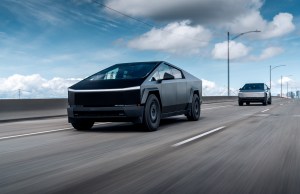
Tesla’s Cybertruck may be wrong for some. Could it be right for the battlefield?
The author of this op-ed discusses how the Tesla Cybertruck could offer a unique platform to carry anti-drone systems.
-
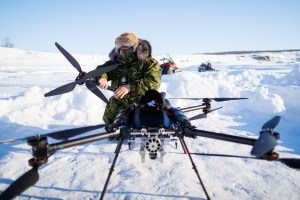
NATO is not ready for drone warfare in the Arctic
Russia is moving faster in fielding uncrewed systems suitable for operations in the region, argue analysts from the Center for European Policy Analysis.
-
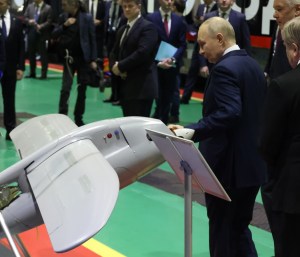
Russia’s domestic drone push is a mixed bag for its war on the West
Russia’s decade-plus domestic tech push shows that Russia can excel at software development but often fails miserably at hardware, writes Justin Sherman.
-
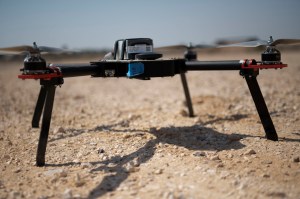
How Washington’s drone policy is catching up to reality
The MTCR reinterpretation should be coupled with updated nonproliferation standards and robust safeguards to balance competition and global responsibility.
-
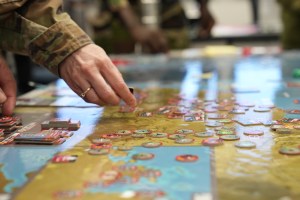
Wargaming is having its ‘Moneyball’ moment
Just like in baseball, the future of wargaming lies in a marriage of modeling and simulation, human expertise and AI.
-

NATO should break the ice on unmanned systems for icebreakers
Opinion: New icebreakers designed to deploy and service uncrewed systems would bolster a credible Arctic defense.
-

Five priorities for advancing NATO’s space mission
NATO’s progress in the “final frontier” is notable but insufficient, argue RAND analysts Anca Agachi, Shaan Shaikh and Bruce McClintock.
-

Tariffs or not, China’s infiltration of US systems needs new attention
The challenge facing the U.S. and allied governments is how to protect systems, citizens, infrastructure and industries from data theft.
-
Inside China, artificial intelligence is a snake eating its own tail
AI researchers refer to this as “model collapse,” a phenomenon in which models trained on their own synthetic outputs degrade over successive generations.
-
The military’s fabled ‘human in the loop’ for AI is dangerously misleading
A “human in the loop” whose sole function is to approve a machine’s actions is not a safeguard but a design failure, argues Mikey Dickerson.
-
Tesla’s Cybertruck may be wrong for some. Could it be right for the battlefield?
The author of this op-ed discusses how the Tesla Cybertruck could offer a unique platform to carry anti-drone systems.
-
NATO is not ready for drone warfare in the Arctic
Russia is moving faster in fielding uncrewed systems suitable for operations in the region, argue analysts from the Center for European Policy Analysis.
-
Russia’s domestic drone push is a mixed bag for its war on the West
Russia’s decade-plus domestic tech push shows that Russia can excel at software development but often fails miserably at hardware, writes Justin Sherman.
-
How Washington’s drone policy is catching up to reality
The MTCR reinterpretation should be coupled with updated nonproliferation standards and robust safeguards to balance competition and global responsibility.
-
Wargaming is having its ‘Moneyball’ moment
Just like in baseball, the future of wargaming lies in a marriage of modeling and simulation, human expertise and AI.
-
NATO should break the ice on unmanned systems for icebreakers
Opinion: New icebreakers designed to deploy and service uncrewed systems would bolster a credible Arctic defense.
-
Five priorities for advancing NATO’s space mission
NATO’s progress in the “final frontier” is notable but insufficient, argue RAND analysts Anca Agachi, Shaan Shaikh and Bruce McClintock.
-
Tariffs or not, China’s infiltration of US systems needs new attention
The challenge facing the U.S. and allied governments is how to protect systems, citizens, infrastructure and industries from data theft.
-

Inside China, artificial intelligence is a snake eating its own tail
AI researchers refer to this as “model collapse,” a phenomenon in which models trained on their own synthetic outputs degrade over successive generations.
-
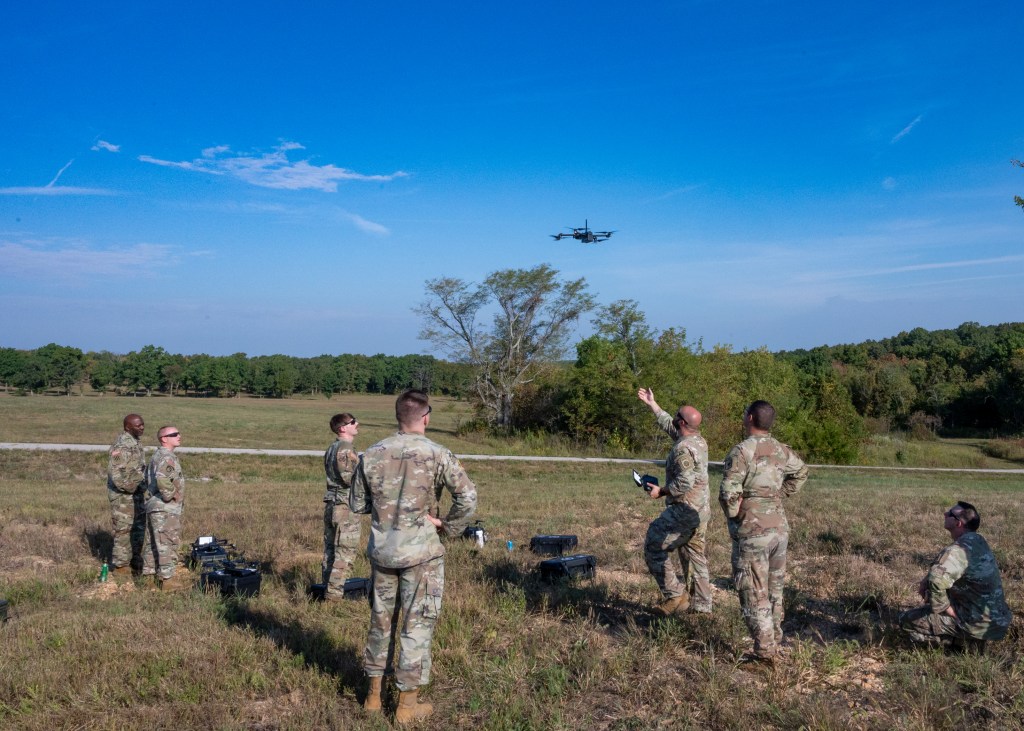
The military’s fabled ‘human in the loop’ for AI is dangerously misleading
A “human in the loop” whose sole function is to approve a machine’s actions is not a safeguard but a design failure, argues Mikey Dickerson.
-
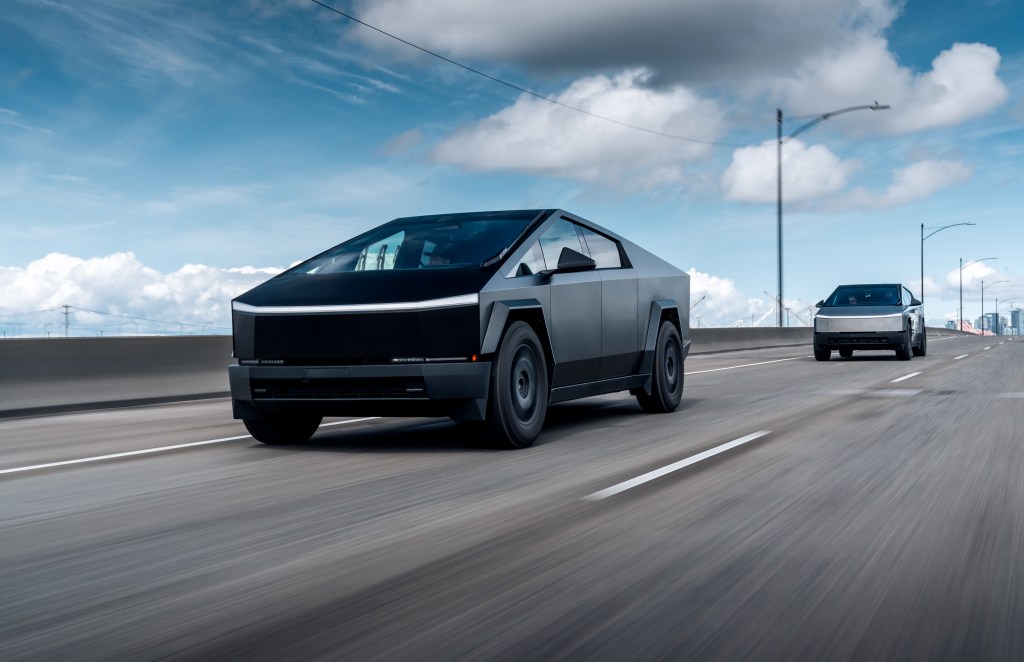
Tesla’s Cybertruck may be wrong for some. Could it be right for the battlefield?
The author of this op-ed discusses how the Tesla Cybertruck could offer a unique platform to carry anti-drone systems.
-
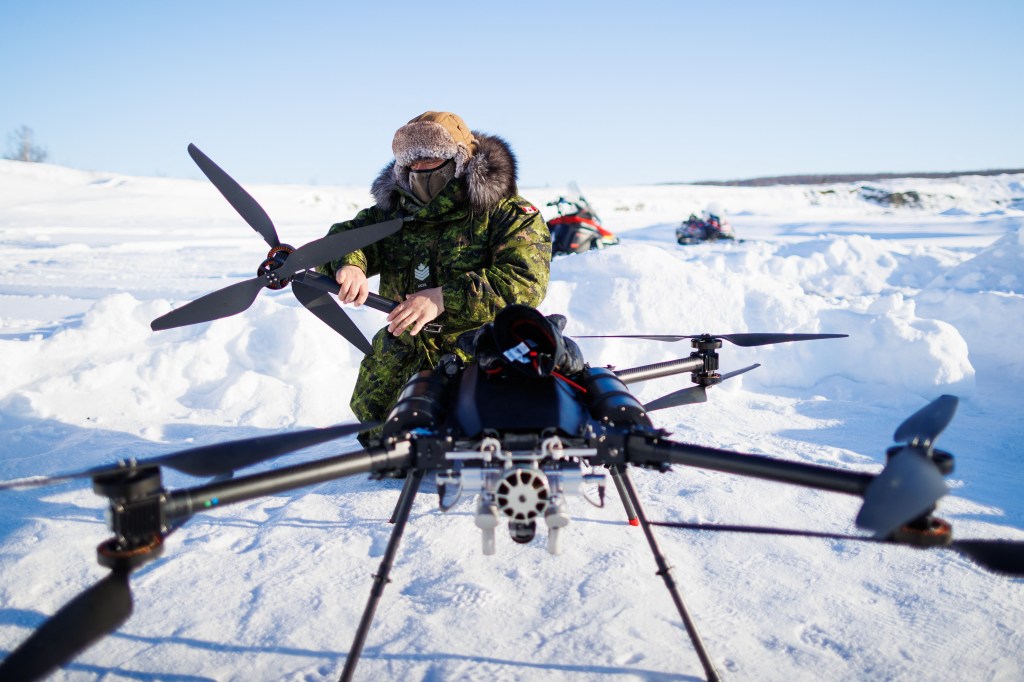
NATO is not ready for drone warfare in the Arctic
Russia is moving faster in fielding uncrewed systems suitable for operations in the region, argue analysts from the Center for European Policy Analysis.
-
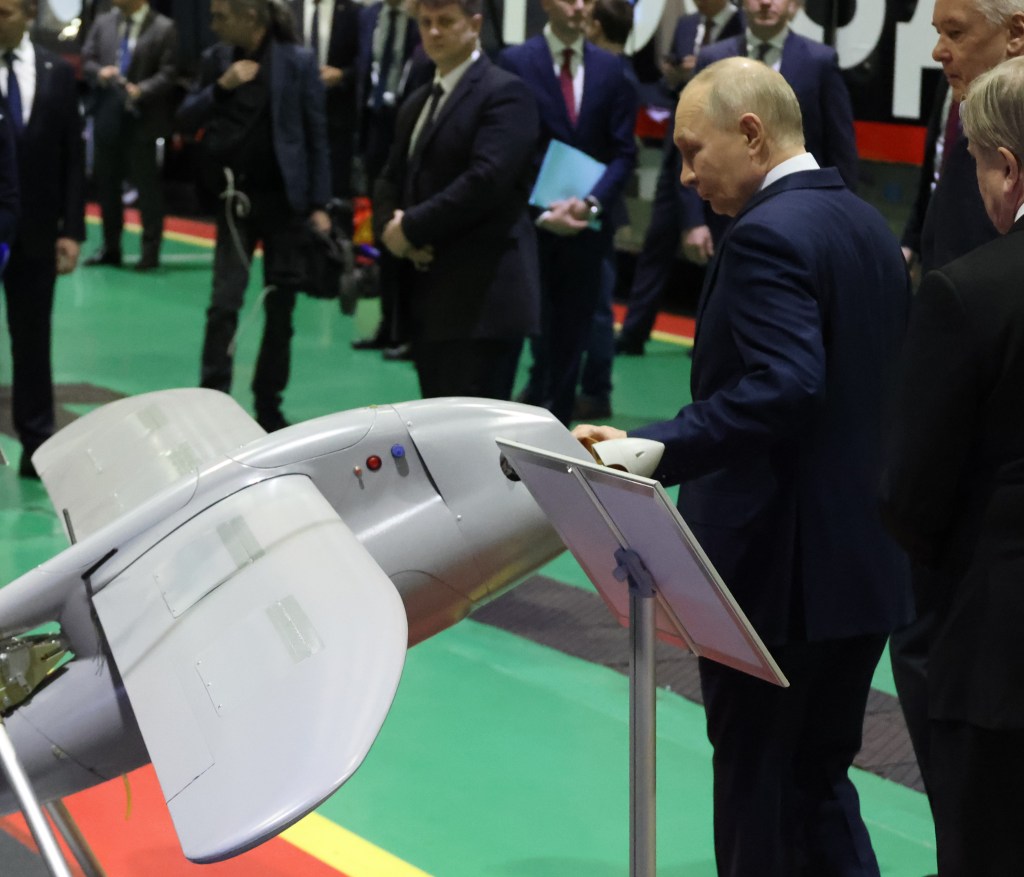
Russia’s domestic drone push is a mixed bag for its war on the West
Russia’s decade-plus domestic tech push shows that Russia can excel at software development but often fails miserably at hardware, writes Justin Sherman.
-
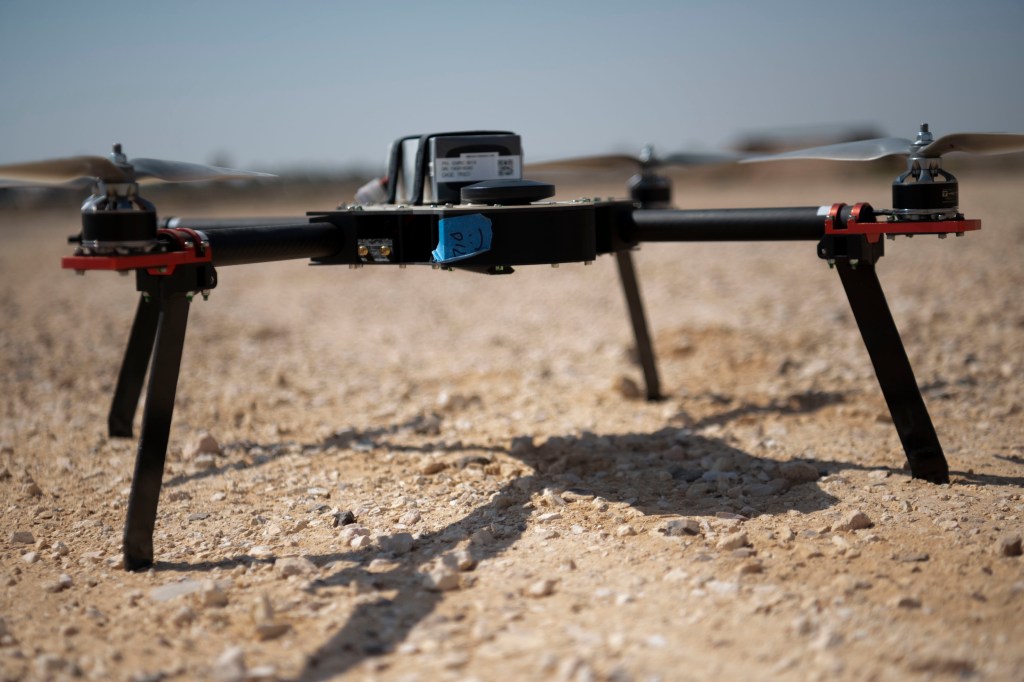
How Washington’s drone policy is catching up to reality
The MTCR reinterpretation should be coupled with updated nonproliferation standards and robust safeguards to balance competition and global responsibility.
-
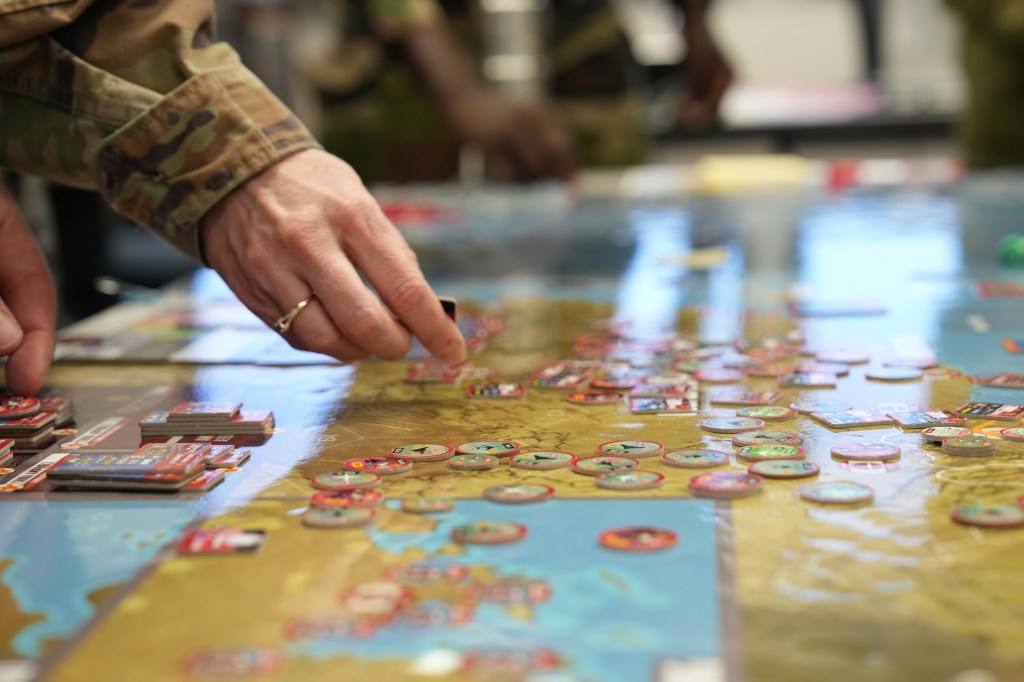
Wargaming is having its ‘Moneyball’ moment
Just like in baseball, the future of wargaming lies in a marriage of modeling and simulation, human expertise and AI.
-

NATO should break the ice on unmanned systems for icebreakers
Opinion: New icebreakers designed to deploy and service uncrewed systems would bolster a credible Arctic defense.
-

Five priorities for advancing NATO’s space mission
NATO’s progress in the “final frontier” is notable but insufficient, argue RAND analysts Anca Agachi, Shaan Shaikh and Bruce McClintock.
-

Tariffs or not, China’s infiltration of US systems needs new attention
The challenge facing the U.S. and allied governments is how to protect systems, citizens, infrastructure and industries from data theft.