-

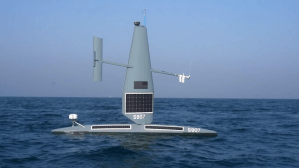
Pentagon taps 12 more companies for space data transport network demos
The program, led by the Defense Innovation Unit, plans to start demonstrating the hybrid network this summer and launch a pilot next year.
-
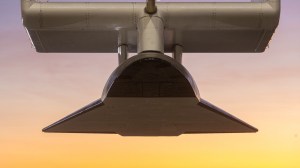
Northrop tests tech to help hypersonic vehicles maneuver without GPS
The successful demonstration of inertial measurement unit technology on a hypersonic aircraft is an industry first.
-
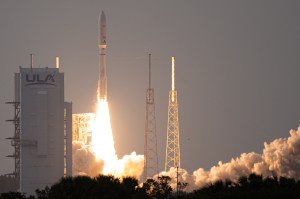
Space Force weighs options for boosting launch resiliency, capacity
The service is exploring a range of leads for increasing launch access — including international partnerships and newer modalities like sea-based launch.
-

Golden Dome costs driven by interceptors, not launch, analysts say
A constellation of interceptors meant to counter low- and high-end threats would require a much more robust architecture than past estimates have assumed.
-

Stratolaunch hits milestone with fully reusable hypersonic testbed
Both flights met all of the Defense Department’s performance benchmarks within a 1% margin, according to Stratolaunch CEO Zachary Krevor.
-

Pentagon seeks drone-killing technology that’s safe for civilians
Low-collateral systems can take out drone threats in highly populated areas without major impacts on the environment and, critically, civilians.
-

Lockheed loses experimental satellite after Firefly launch mishap
The mishap caused the rocket to lose its engine nozzle extension, significantly reducing its thrust and making it unable to reach its designated orbit.
-
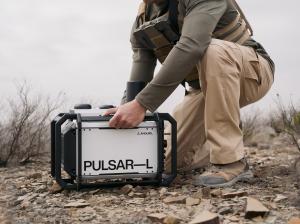
Anduril announces lighter, smaller Pulsar jammer
The system is about the size of a shoebox and weighs less than 25 pounds, allowing users to quickly deploy it against enemy threats, like drone swarms.
-

GOP funding boost targets Golden Dome, high-tech fighters and ships
The House Armed Services Committee will debate the package Tuesday and House Republicans expect to pass the bill in May.
-
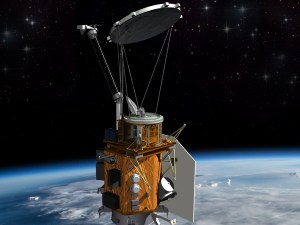
Space Force weather satellite deemed ready for forecasts
The service is crafting a plan to replace its legacy weather capability, and WSF-M and its companion EWS program are a bridge to that architecture.
-
Pentagon taps 12 more companies for space data transport network demos
The program, led by the Defense Innovation Unit, plans to start demonstrating the hybrid network this summer and launch a pilot next year.
-
Northrop tests tech to help hypersonic vehicles maneuver without GPS
The successful demonstration of inertial measurement unit technology on a hypersonic aircraft is an industry first.
-
Space Force weighs options for boosting launch resiliency, capacity
The service is exploring a range of leads for increasing launch access — including international partnerships and newer modalities like sea-based launch.
-
Golden Dome costs driven by interceptors, not launch, analysts say
A constellation of interceptors meant to counter low- and high-end threats would require a much more robust architecture than past estimates have assumed.
-
Stratolaunch hits milestone with fully reusable hypersonic testbed
Both flights met all of the Defense Department’s performance benchmarks within a 1% margin, according to Stratolaunch CEO Zachary Krevor.
-
Pentagon seeks drone-killing technology that’s safe for civilians
Low-collateral systems can take out drone threats in highly populated areas without major impacts on the environment and, critically, civilians.
-
Lockheed loses experimental satellite after Firefly launch mishap
The mishap caused the rocket to lose its engine nozzle extension, significantly reducing its thrust and making it unable to reach its designated orbit.
-
Anduril announces lighter, smaller Pulsar jammer
The system is about the size of a shoebox and weighs less than 25 pounds, allowing users to quickly deploy it against enemy threats, like drone swarms.
-
GOP funding boost targets Golden Dome, high-tech fighters and ships
The House Armed Services Committee will debate the package Tuesday and House Republicans expect to pass the bill in May.
-
Space Force weather satellite deemed ready for forecasts
The service is crafting a plan to replace its legacy weather capability, and WSF-M and its companion EWS program are a bridge to that architecture.
-

Pentagon taps 12 more companies for space data transport network demos
The program, led by the Defense Innovation Unit, plans to start demonstrating the hybrid network this summer and launch a pilot next year.
-

Northrop tests tech to help hypersonic vehicles maneuver without GPS
The successful demonstration of inertial measurement unit technology on a hypersonic aircraft is an industry first.
-
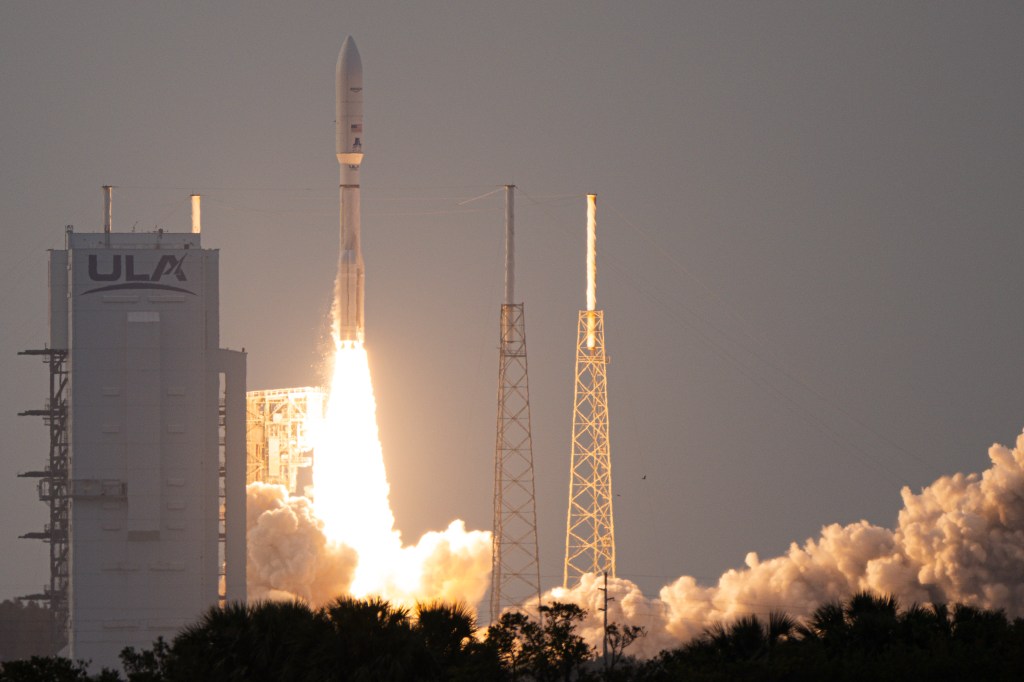
Space Force weighs options for boosting launch resiliency, capacity
The service is exploring a range of leads for increasing launch access — including international partnerships and newer modalities like sea-based launch.
-
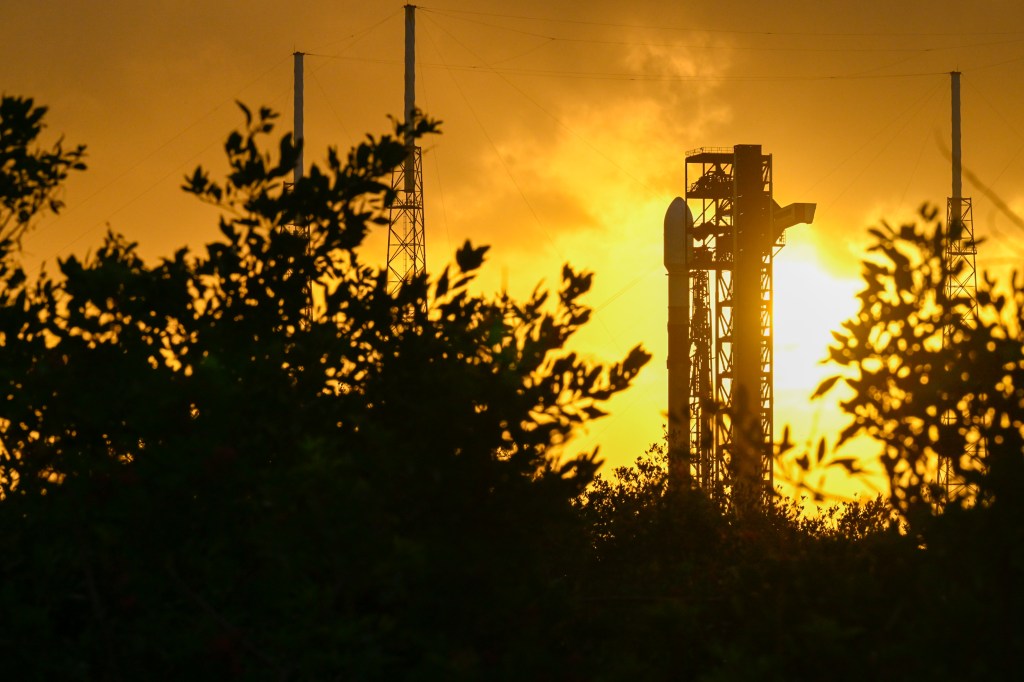
Golden Dome costs driven by interceptors, not launch, analysts say
A constellation of interceptors meant to counter low- and high-end threats would require a much more robust architecture than past estimates have assumed.
-

Stratolaunch hits milestone with fully reusable hypersonic testbed
Both flights met all of the Defense Department’s performance benchmarks within a 1% margin, according to Stratolaunch CEO Zachary Krevor.
-
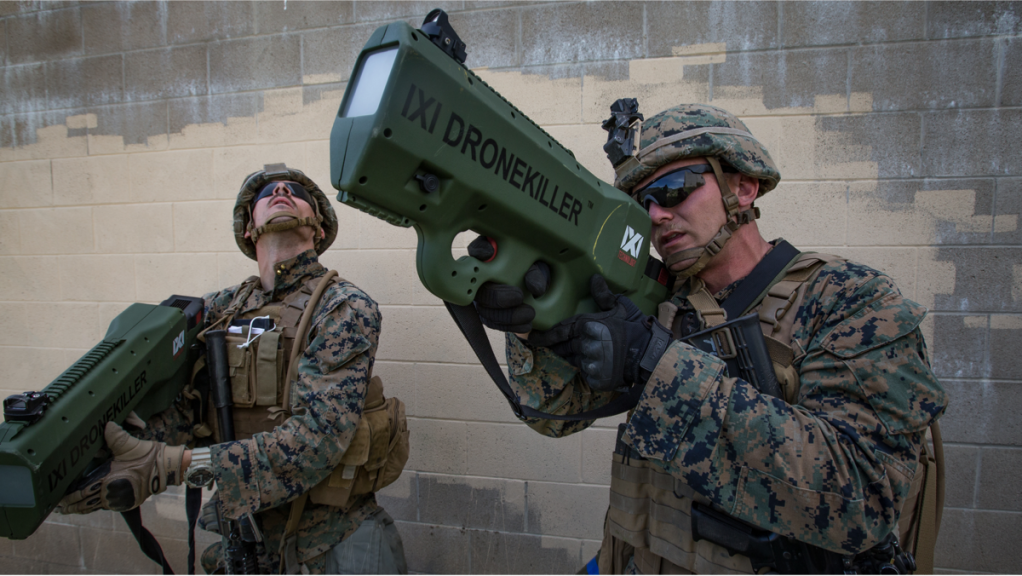
Pentagon seeks drone-killing technology that’s safe for civilians
Low-collateral systems can take out drone threats in highly populated areas without major impacts on the environment and, critically, civilians.
-
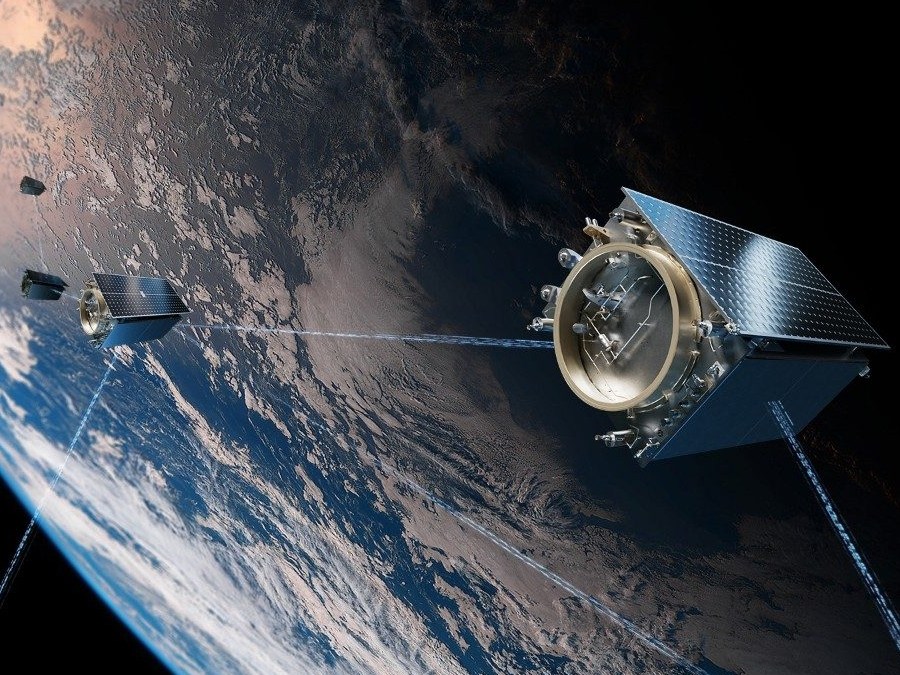
Lockheed loses experimental satellite after Firefly launch mishap
The mishap caused the rocket to lose its engine nozzle extension, significantly reducing its thrust and making it unable to reach its designated orbit.
-
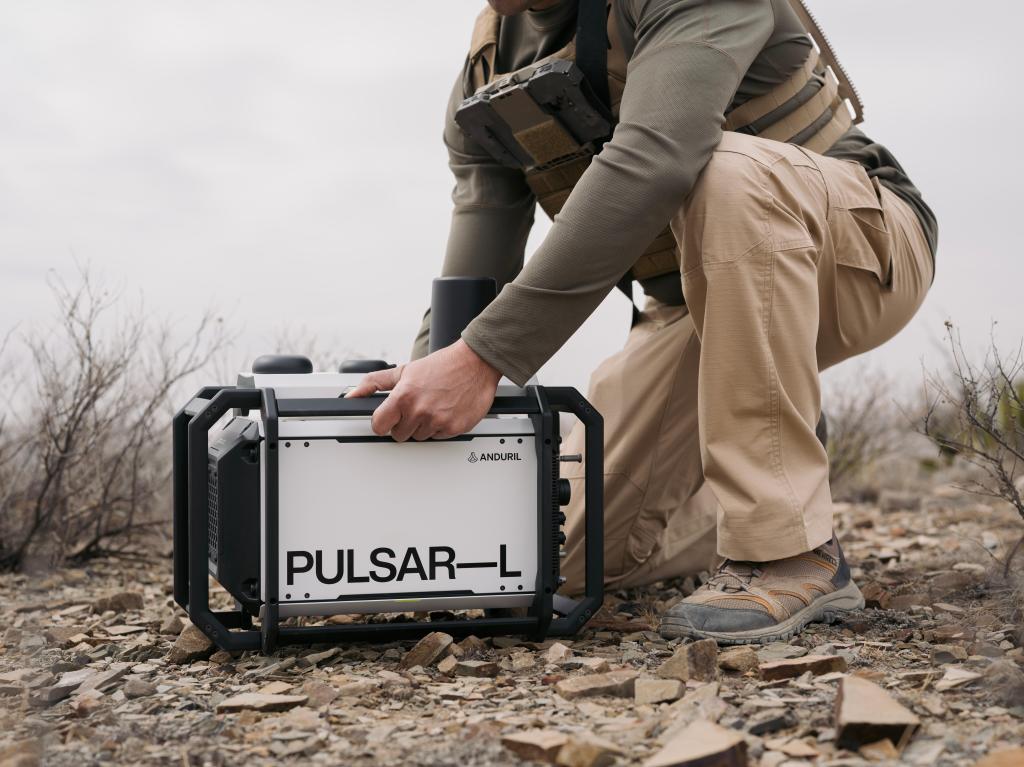
Anduril announces lighter, smaller Pulsar jammer
The system is about the size of a shoebox and weighs less than 25 pounds, allowing users to quickly deploy it against enemy threats, like drone swarms.
-

GOP funding boost targets Golden Dome, high-tech fighters and ships
The House Armed Services Committee will debate the package Tuesday and House Republicans expect to pass the bill in May.
-
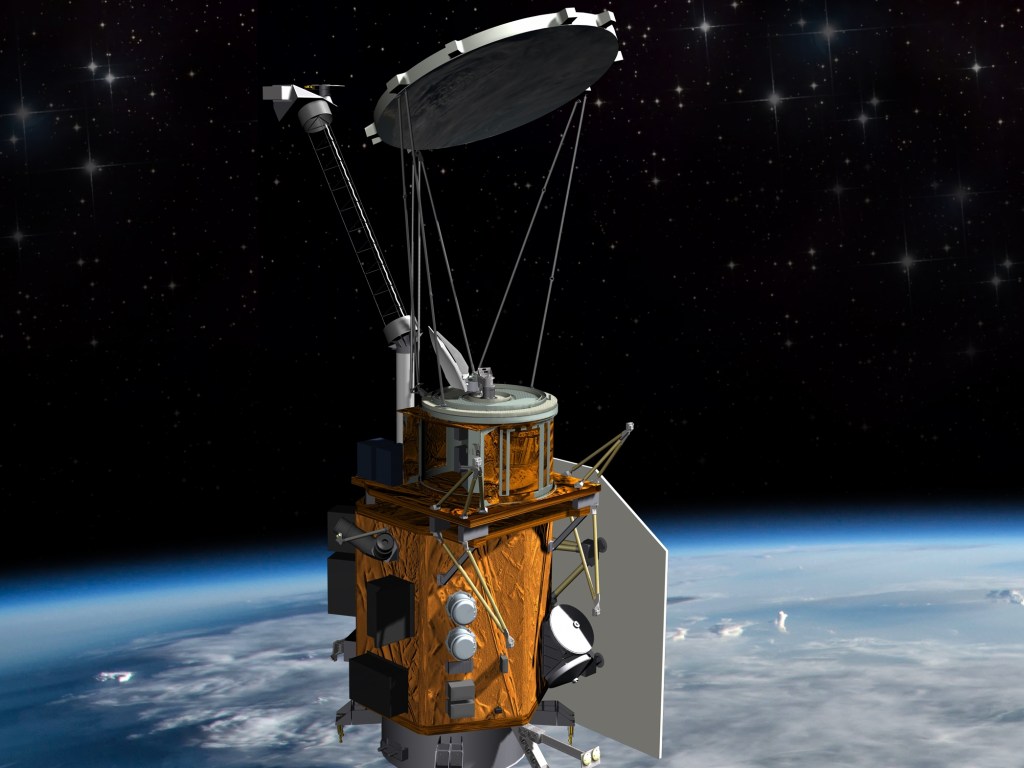
Space Force weather satellite deemed ready for forecasts
The service is crafting a plan to replace its legacy weather capability, and WSF-M and its companion EWS program are a bridge to that architecture.