-

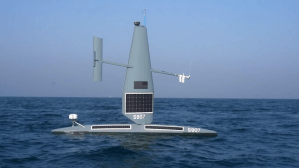
Army awards contract for the next batch of ‘Gunsmoke’ satellites
The classified satellite program is expected to have hardware ready to launch within two years.
-
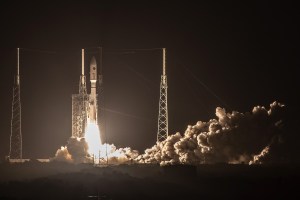
The Air Force launched its next protected communications satellite
The launch of AEHF-4 completes the initial AEHF constellation, enabling the military to transmit crucial information 10 times faster than the legacy constellation.
-
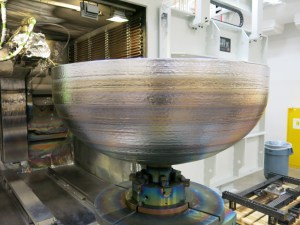
How the Office of Naval Research hopes to revolutionize manufacturing
3-D printing parts requires persistent monitoring by specialists to ensure intricate parts are produced without impurities and imperfections that can compromise the integrity of the part overall. To optimize this laborious process, Lockheed is being tasked with developing multi-axis robots that use laser beams to deposit material and oversee the printing of parts.
-

Autonomous systems to play key role in NATO logistics drills
The point of the drill is to demonstrate how autonomous systems can reduce the number of personnel needed to do key jobs on expeditionary missions.
-
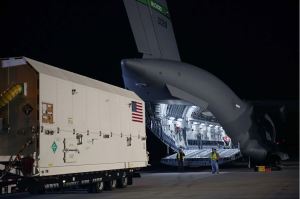
Air Force awards $1.3B contract for two GPS III satellites
The U.S. Air Force awarded Lockheed Martin a contract worth more than $1.3 billion for two GPS III satellites, according to an announcement from the Department of Defense Sept. 26.
-

Differentiating a port from a shipyard is a new kind of problem for AI
Researchers at IARPA and Lockheed Martin used artificial intelligence to identify more than 100 objects a second in satellite imagery. They were right 83 percent of the time.
-

How the Air Force plans to use space to project power in the 21st century
One reason space is so important not just to the Air Force, but all military services, is that space assets enable multidomain operations that are becoming the norm in the modern warfare.
-
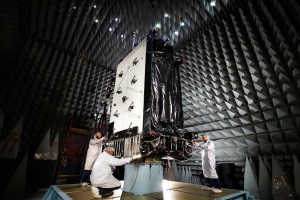
GPS III satellites are nearly ready to launch, but what’s being done on terra firma to support them?
Updates to ground-based hardware and software will give the Air Force a head start on testing and operations before the rest of the constellation is in orbit.
-

DISA opens a new operations floor in Utah to boost resiliency
Dividing the work force between two locations introduces new challenges, but the agency is confident the move will improve resiliency.
-
Navy issues second NGEN extension
The wait for the NGEN recompete continues.
-
Army awards contract for the next batch of ‘Gunsmoke’ satellites
The classified satellite program is expected to have hardware ready to launch within two years.
-
The Air Force launched its next protected communications satellite
The launch of AEHF-4 completes the initial AEHF constellation, enabling the military to transmit crucial information 10 times faster than the legacy constellation.
-
How the Office of Naval Research hopes to revolutionize manufacturing
3-D printing parts requires persistent monitoring by specialists to ensure intricate parts are produced without impurities and imperfections that can compromise the integrity of the part overall. To optimize this laborious process, Lockheed is being tasked with developing multi-axis robots that use laser beams to deposit material and oversee the printing of parts.
-
Autonomous systems to play key role in NATO logistics drills
The point of the drill is to demonstrate how autonomous systems can reduce the number of personnel needed to do key jobs on expeditionary missions.
-
Air Force awards $1.3B contract for two GPS III satellites
The U.S. Air Force awarded Lockheed Martin a contract worth more than $1.3 billion for two GPS III satellites, according to an announcement from the Department of Defense Sept. 26.
-
Differentiating a port from a shipyard is a new kind of problem for AI
Researchers at IARPA and Lockheed Martin used artificial intelligence to identify more than 100 objects a second in satellite imagery. They were right 83 percent of the time.
-
How the Air Force plans to use space to project power in the 21st century
One reason space is so important not just to the Air Force, but all military services, is that space assets enable multidomain operations that are becoming the norm in the modern warfare.
-
GPS III satellites are nearly ready to launch, but what’s being done on terra firma to support them?
Updates to ground-based hardware and software will give the Air Force a head start on testing and operations before the rest of the constellation is in orbit.
-
DISA opens a new operations floor in Utah to boost resiliency
Dividing the work force between two locations introduces new challenges, but the agency is confident the move will improve resiliency.
-
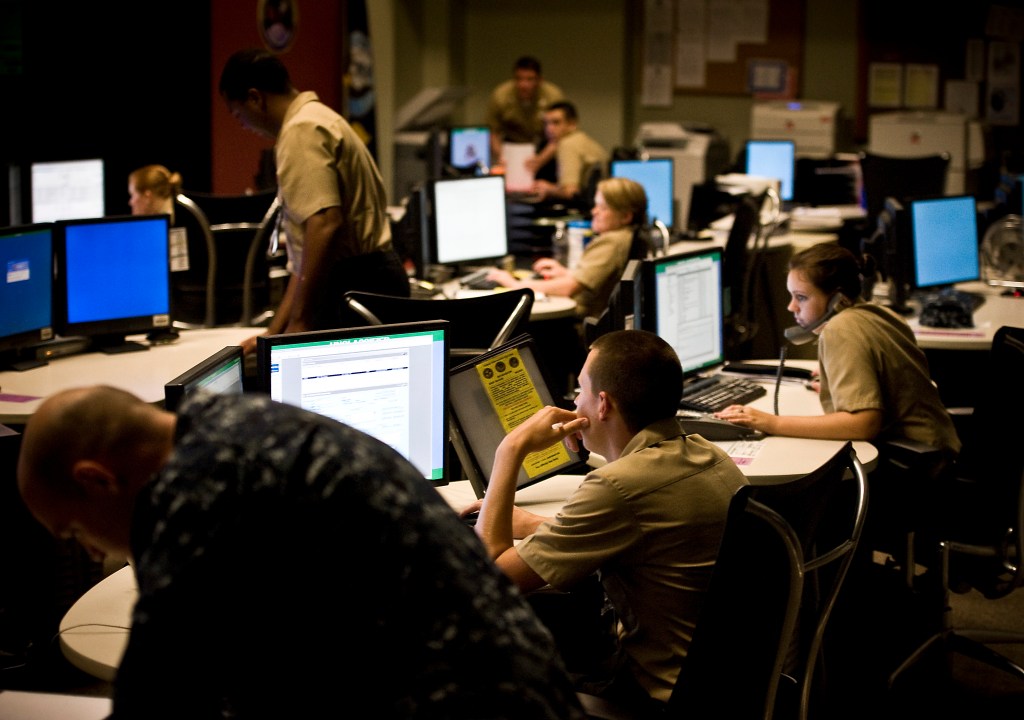
Navy issues second NGEN extension
The wait for the NGEN recompete continues.
-
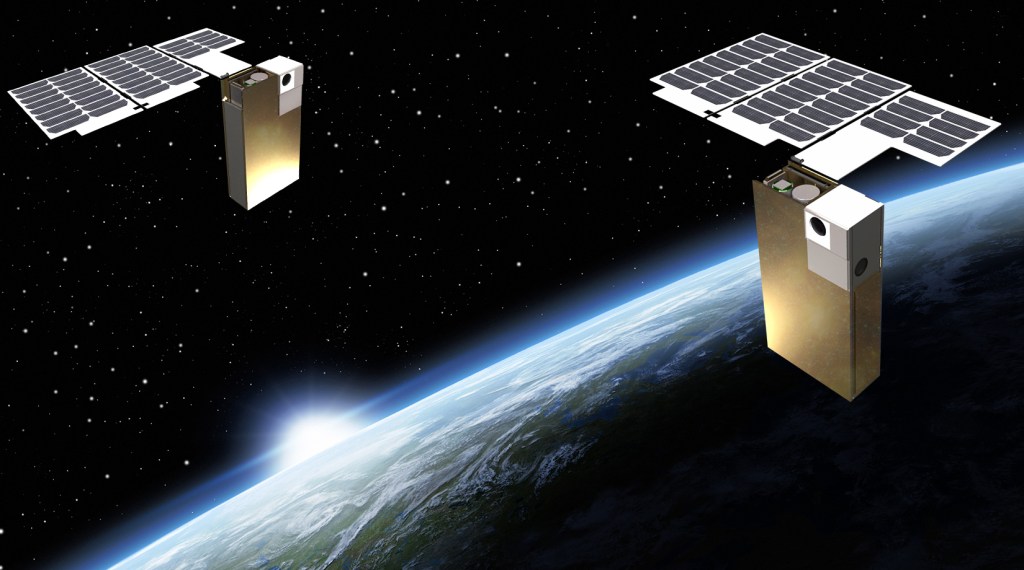
Army awards contract for the next batch of ‘Gunsmoke’ satellites
The classified satellite program is expected to have hardware ready to launch within two years.
-
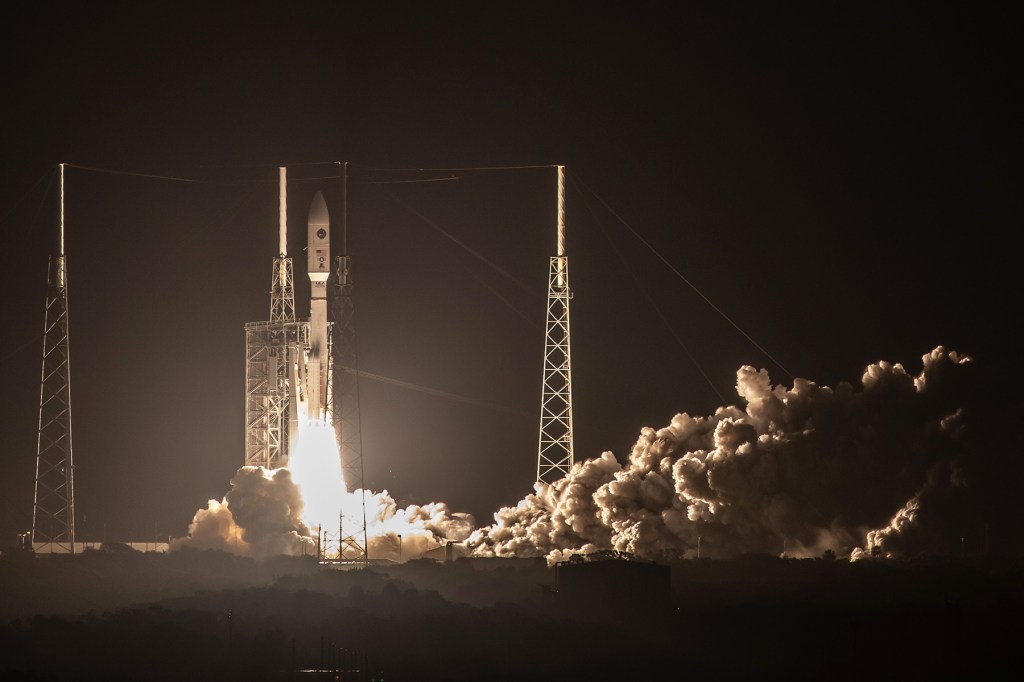
The Air Force launched its next protected communications satellite
The launch of AEHF-4 completes the initial AEHF constellation, enabling the military to transmit crucial information 10 times faster than the legacy constellation.
-
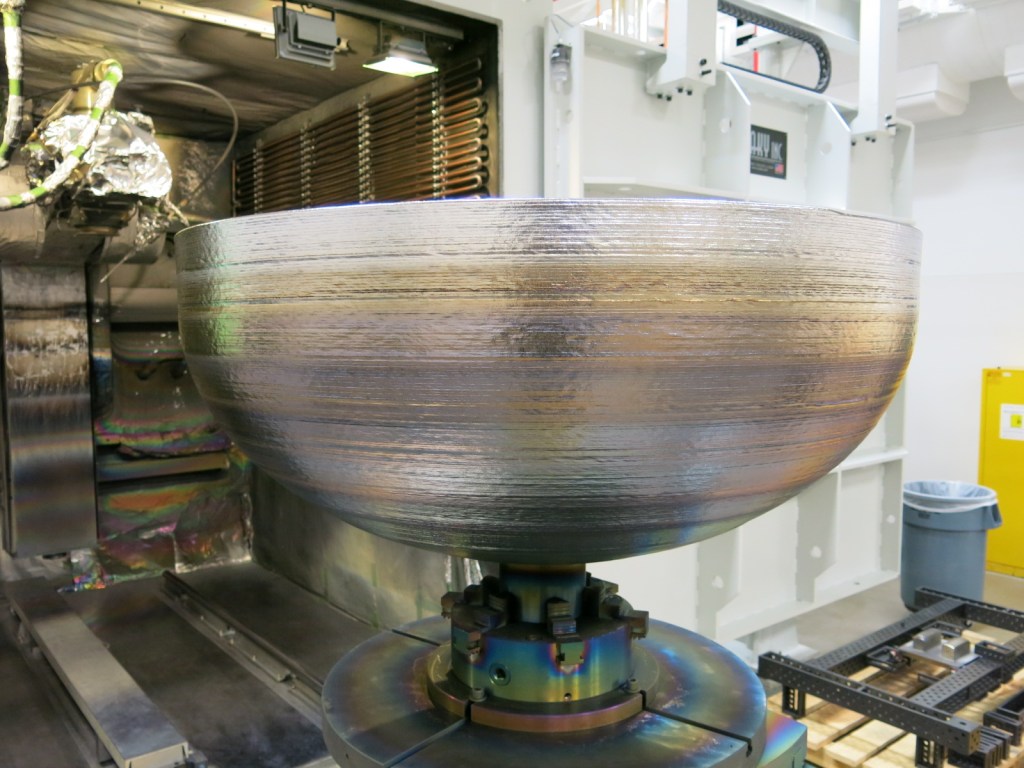
How the Office of Naval Research hopes to revolutionize manufacturing
3-D printing parts requires persistent monitoring by specialists to ensure intricate parts are produced without impurities and imperfections that can compromise the integrity of the part overall. To optimize this laborious process, Lockheed is being tasked with developing multi-axis robots that use laser beams to deposit material and oversee the printing of parts.
-
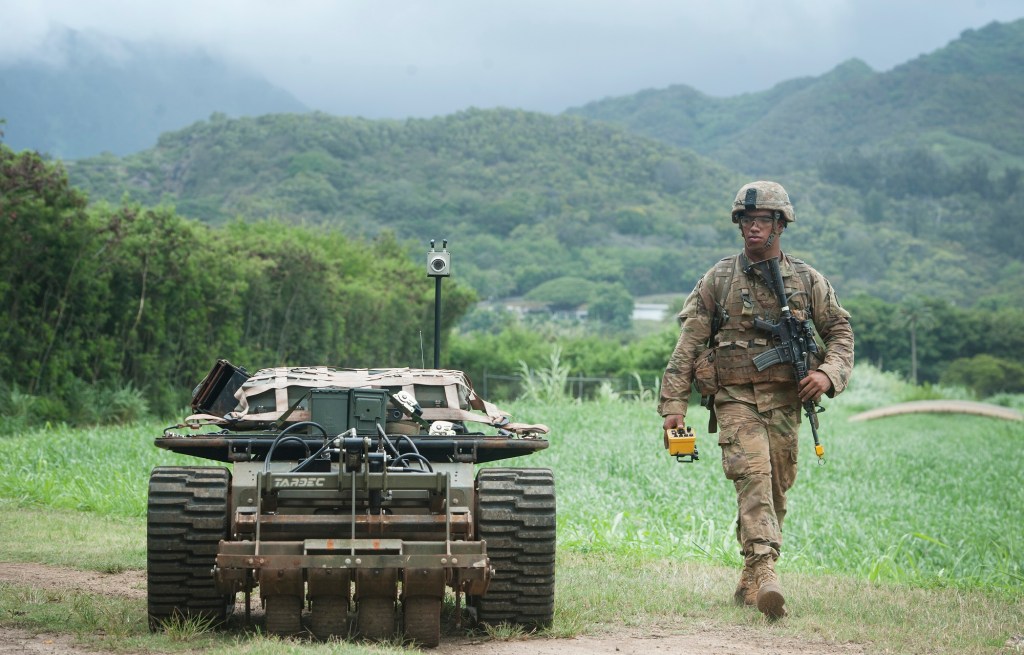
Autonomous systems to play key role in NATO logistics drills
The point of the drill is to demonstrate how autonomous systems can reduce the number of personnel needed to do key jobs on expeditionary missions.
-
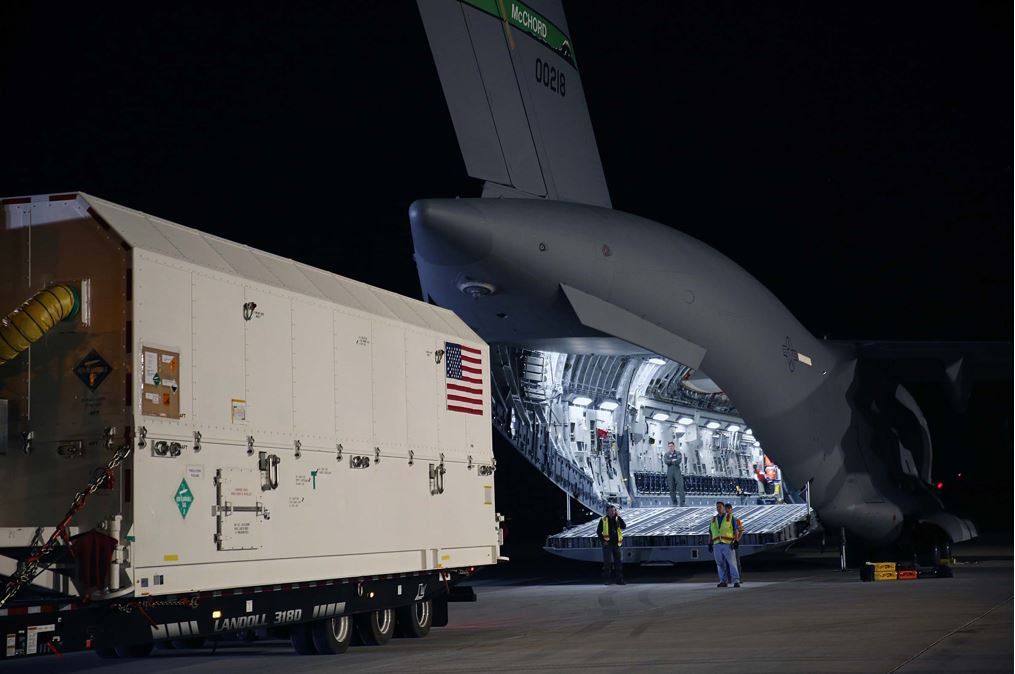
Air Force awards $1.3B contract for two GPS III satellites
The U.S. Air Force awarded Lockheed Martin a contract worth more than $1.3 billion for two GPS III satellites, according to an announcement from the Department of Defense Sept. 26.
-

Differentiating a port from a shipyard is a new kind of problem for AI
Researchers at IARPA and Lockheed Martin used artificial intelligence to identify more than 100 objects a second in satellite imagery. They were right 83 percent of the time.
-
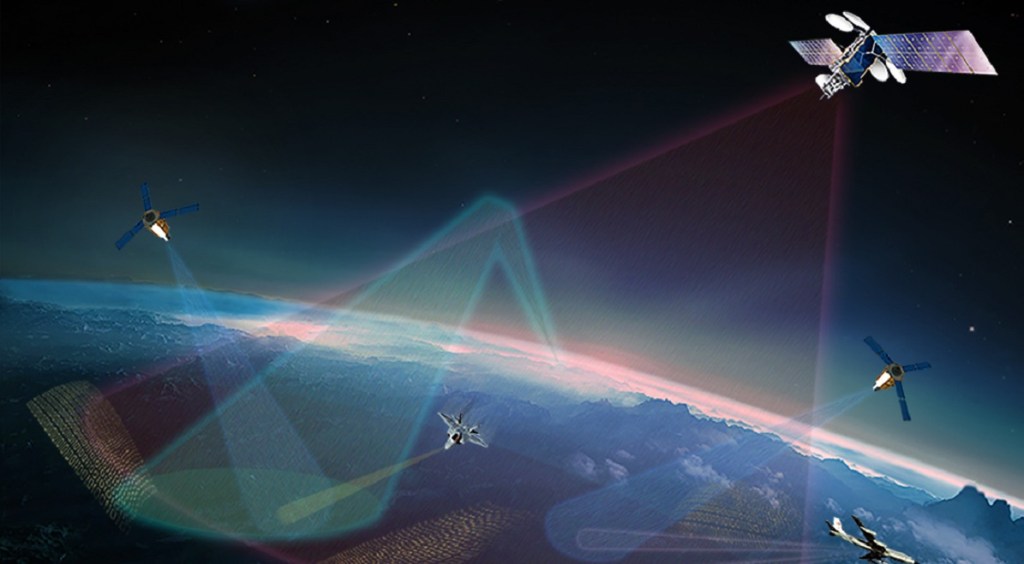
How the Air Force plans to use space to project power in the 21st century
One reason space is so important not just to the Air Force, but all military services, is that space assets enable multidomain operations that are becoming the norm in the modern warfare.
-
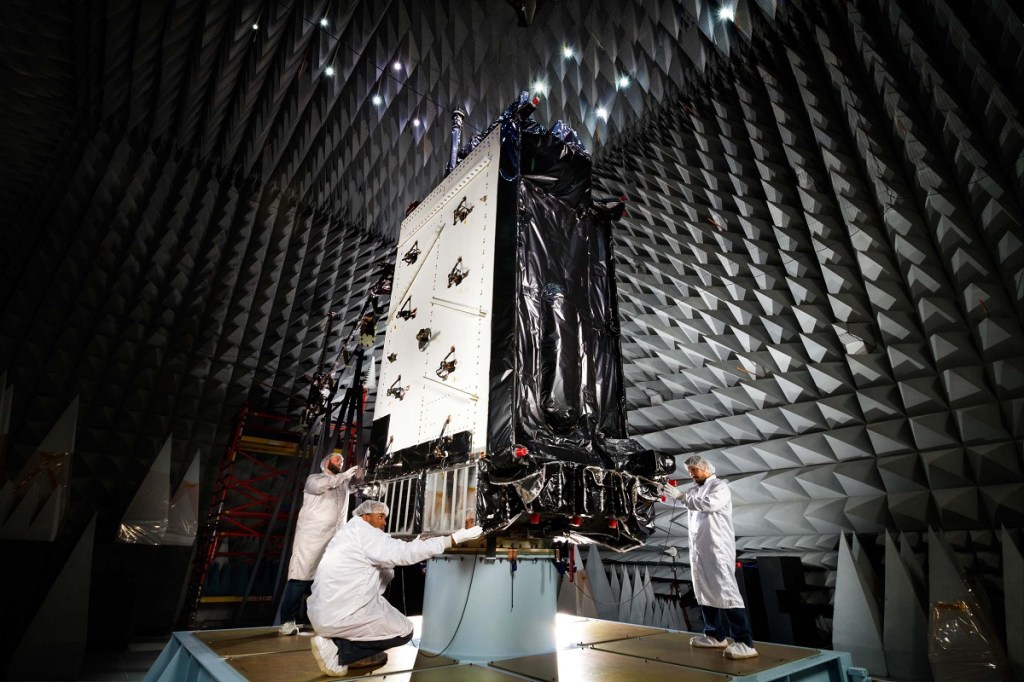
GPS III satellites are nearly ready to launch, but what’s being done on terra firma to support them?
Updates to ground-based hardware and software will give the Air Force a head start on testing and operations before the rest of the constellation is in orbit.
-

DISA opens a new operations floor in Utah to boost resiliency
Dividing the work force between two locations introduces new challenges, but the agency is confident the move will improve resiliency.