-
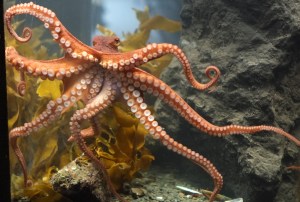
What every bomb squad robot needs … a tentacle?
Coiling tentacles with vacuum-powered grippers could handle objects on the battlefields of the future.
-
Tomorrow Wars Volume 1 Issue 18: Space Case
In the latest issue of the Tomorrow Wars newsletter, a look at understanding risk in space, and the process of converting that mathematical debate into plain language.
-
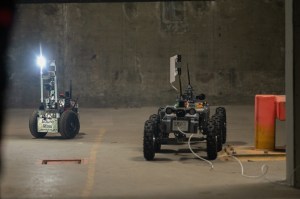
DARPA wants to fill in a void on underground robotic operations
In the bones of a never-used nuclear reactor, competitors at the DARPA-hosted Subterranean Challenge are exploring how robots can find people and items underground.
-
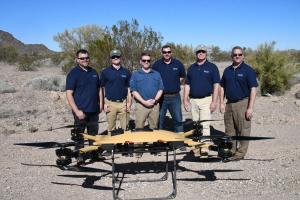
Delivery drones carry dinner to Marines in battle
Autonomous resupply could bring food, water, and ammunition to infantry in need.
-
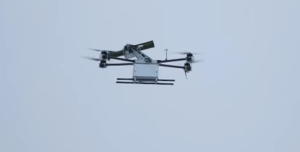
For Belarus, two rockets on a drone are better than one
When it comes to hunting tanks or other armored vehicles from the sky, a second anti-tank round could be the difference between an enemy destroyed or an enemy merely deterred.
-
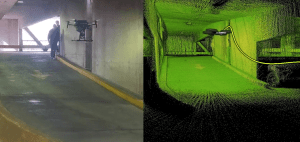
Can scout drones be programmed with new tricks?
Exyn Technologies announced this week it has built code to allow drones to fly in and map a GPS-denied environment.
-
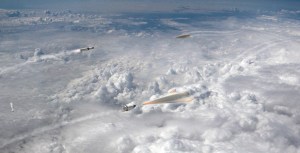
DARPA bets big on hypersonic missile interceptors
Glide Breaker is a program to see if missile interception can work at hypersonic speeds and trajectories.
-

Tomorrow Wars Volume 1 Issue 17: Mining the Future
In the latest issue of the Tomorrow Wars newsletter, a discussion of how explosives made in the present can carry harm decades, sometimes even centuries, into the future.
-
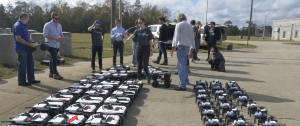
DARPA wants commanding robots to work like a video game
DARPA’s latest swarming exercise brings gesture control and haptic feedback to swarm management.
-
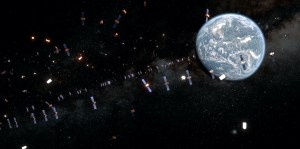
We don’t really know what we don’t know in orbit
Recent events show that current methods for calculating satellite collision in orbit are outdated and nearsighted, and better math for conjunction mitigation could shape how humans manage risk to maintain vital functions of space.
-
What every bomb squad robot needs … a tentacle?
Coiling tentacles with vacuum-powered grippers could handle objects on the battlefields of the future.
-
Tomorrow Wars Volume 1 Issue 18: Space Case
In the latest issue of the Tomorrow Wars newsletter, a look at understanding risk in space, and the process of converting that mathematical debate into plain language.
-
DARPA wants to fill in a void on underground robotic operations
In the bones of a never-used nuclear reactor, competitors at the DARPA-hosted Subterranean Challenge are exploring how robots can find people and items underground.
-
Delivery drones carry dinner to Marines in battle
Autonomous resupply could bring food, water, and ammunition to infantry in need.
-
For Belarus, two rockets on a drone are better than one
When it comes to hunting tanks or other armored vehicles from the sky, a second anti-tank round could be the difference between an enemy destroyed or an enemy merely deterred.
-
Can scout drones be programmed with new tricks?
Exyn Technologies announced this week it has built code to allow drones to fly in and map a GPS-denied environment.
-
DARPA bets big on hypersonic missile interceptors
Glide Breaker is a program to see if missile interception can work at hypersonic speeds and trajectories.
-
Tomorrow Wars Volume 1 Issue 17: Mining the Future
In the latest issue of the Tomorrow Wars newsletter, a discussion of how explosives made in the present can carry harm decades, sometimes even centuries, into the future.
-
DARPA wants commanding robots to work like a video game
DARPA’s latest swarming exercise brings gesture control and haptic feedback to swarm management.
-
We don’t really know what we don’t know in orbit
Recent events show that current methods for calculating satellite collision in orbit are outdated and nearsighted, and better math for conjunction mitigation could shape how humans manage risk to maintain vital functions of space.
-
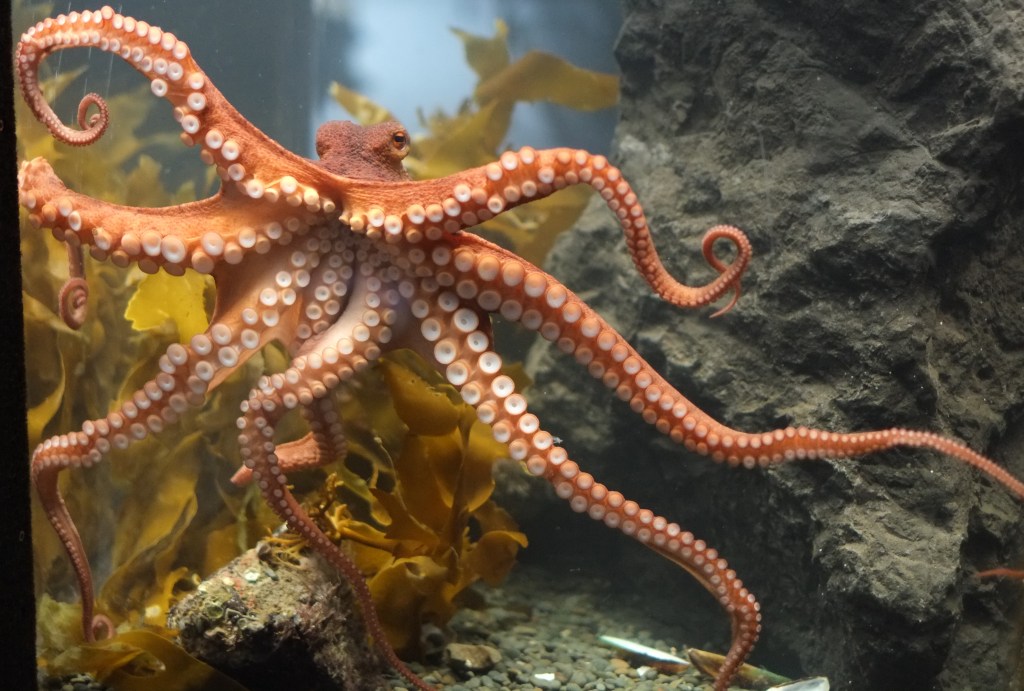
What every bomb squad robot needs … a tentacle?
Coiling tentacles with vacuum-powered grippers could handle objects on the battlefields of the future.
-
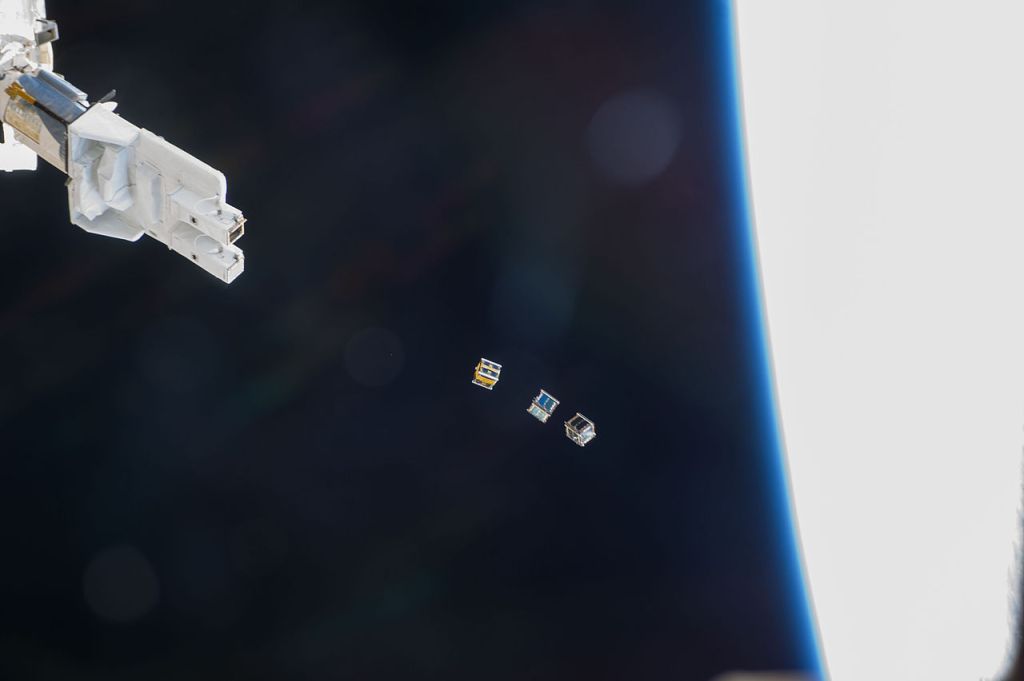
Tomorrow Wars Volume 1 Issue 18: Space Case
In the latest issue of the Tomorrow Wars newsletter, a look at understanding risk in space, and the process of converting that mathematical debate into plain language.
-
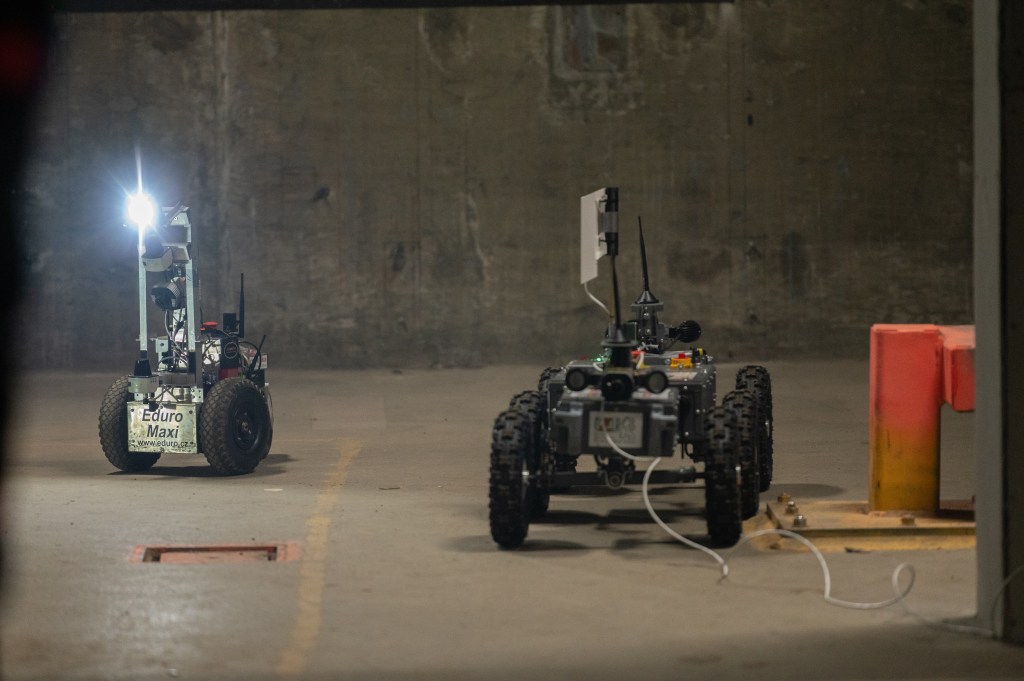
DARPA wants to fill in a void on underground robotic operations
In the bones of a never-used nuclear reactor, competitors at the DARPA-hosted Subterranean Challenge are exploring how robots can find people and items underground.
-
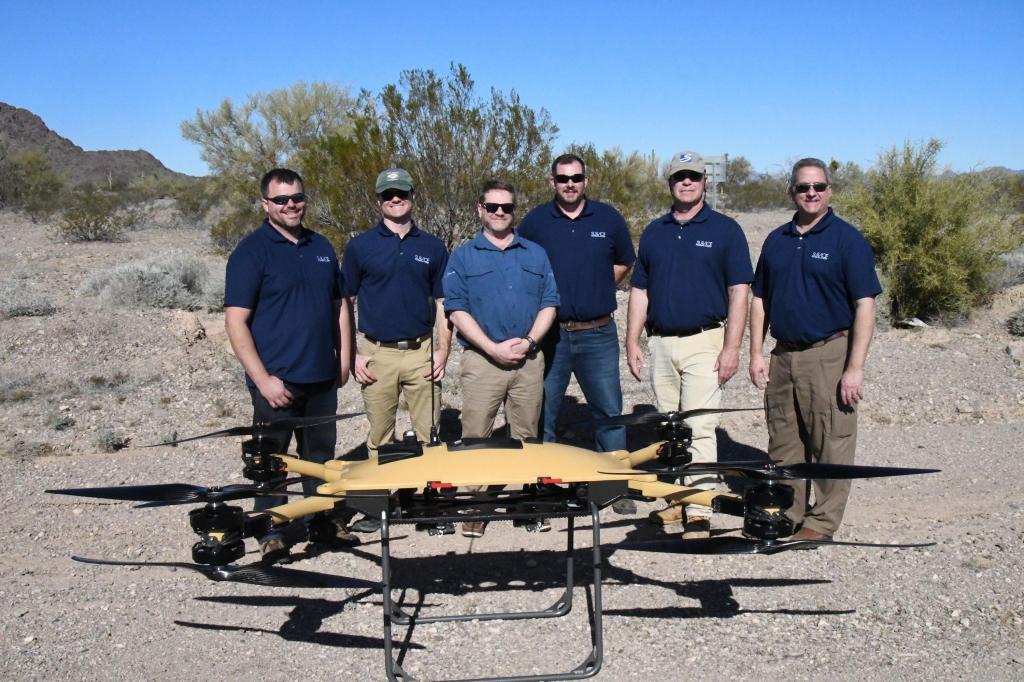
Delivery drones carry dinner to Marines in battle
Autonomous resupply could bring food, water, and ammunition to infantry in need.
-
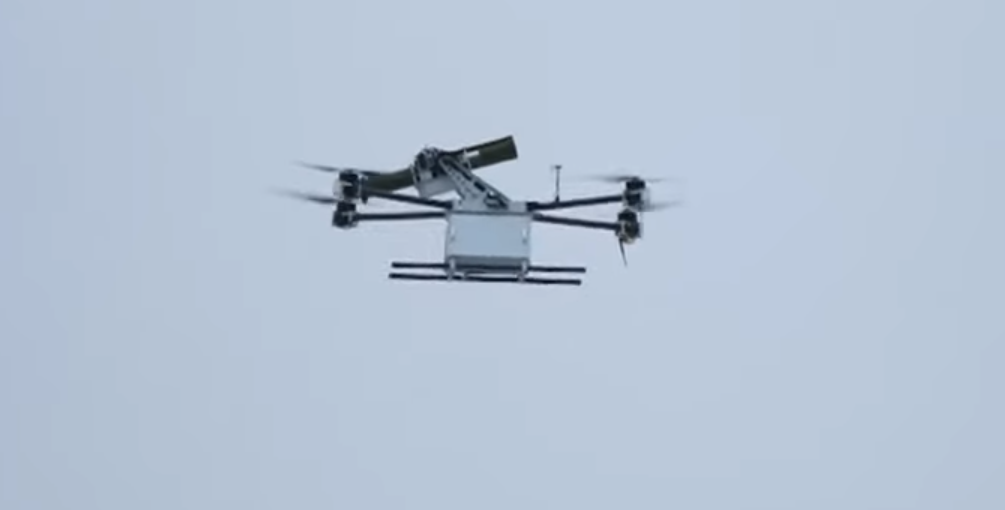
For Belarus, two rockets on a drone are better than one
When it comes to hunting tanks or other armored vehicles from the sky, a second anti-tank round could be the difference between an enemy destroyed or an enemy merely deterred.
-
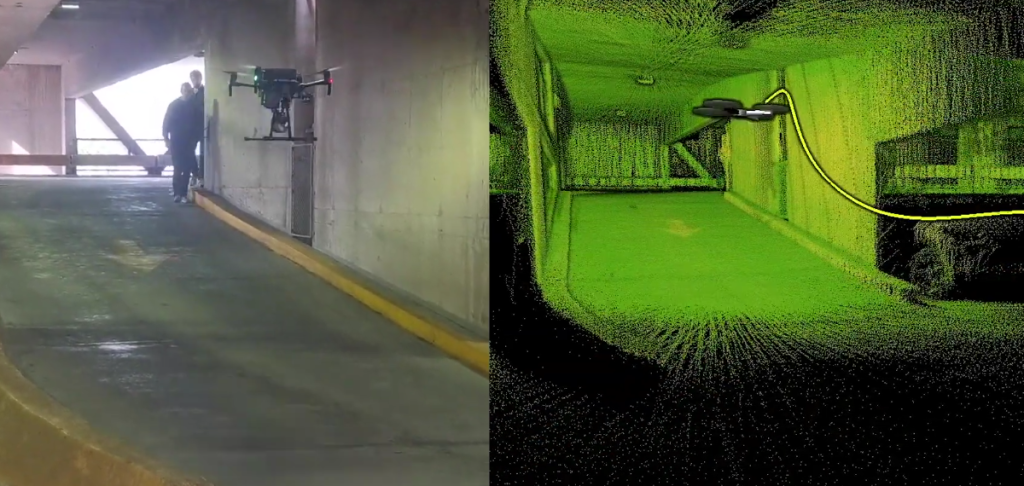
Can scout drones be programmed with new tricks?
Exyn Technologies announced this week it has built code to allow drones to fly in and map a GPS-denied environment.
-
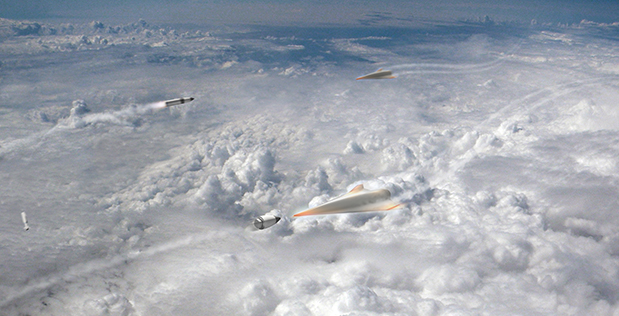
DARPA bets big on hypersonic missile interceptors
Glide Breaker is a program to see if missile interception can work at hypersonic speeds and trajectories.
-
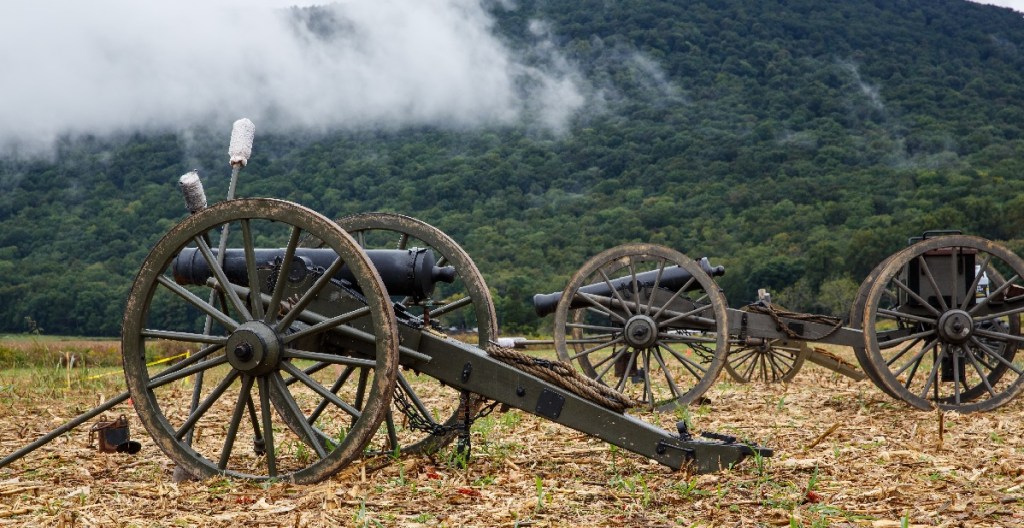
Tomorrow Wars Volume 1 Issue 17: Mining the Future
In the latest issue of the Tomorrow Wars newsletter, a discussion of how explosives made in the present can carry harm decades, sometimes even centuries, into the future.
-
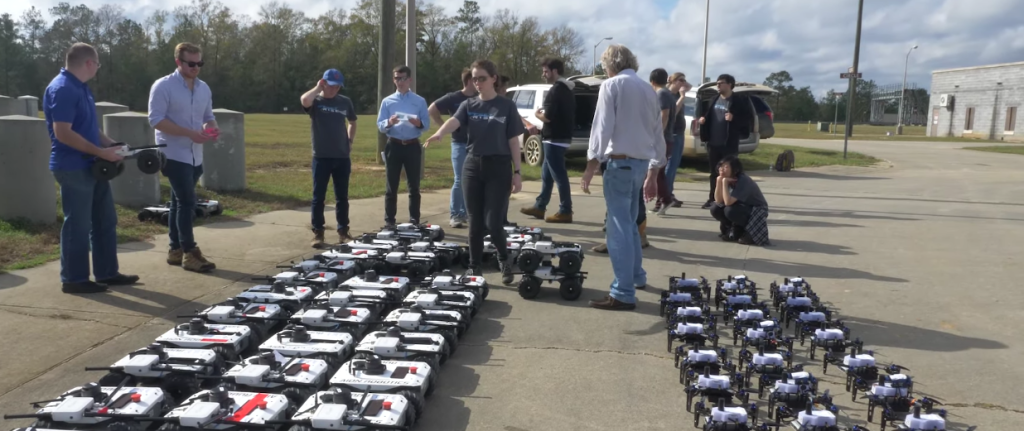
DARPA wants commanding robots to work like a video game
DARPA’s latest swarming exercise brings gesture control and haptic feedback to swarm management.
-
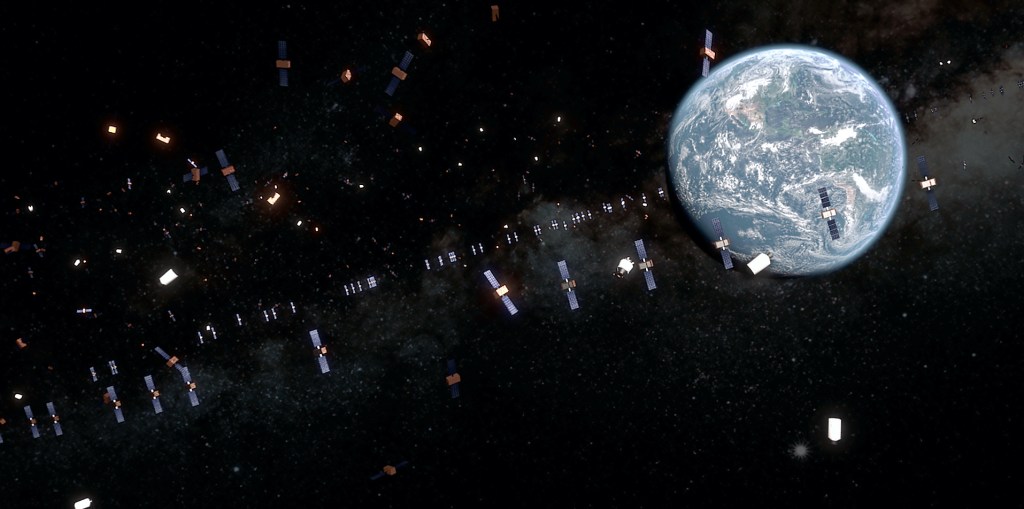
We don’t really know what we don’t know in orbit
Recent events show that current methods for calculating satellite collision in orbit are outdated and nearsighted, and better math for conjunction mitigation could shape how humans manage risk to maintain vital functions of space.