-

Space Force to cost $2 billion, include 15,000 personnel in first five years
We now know the details of the Space Force.
-
The Navy’s new plan for agility
The Navy formally announced Feb. 14 the creation of NavalX, a technology accelerator aimed at improving agility.
-
How a Triton mishap might boost confidence in autonomous vehicles
When autonomous vehicles respond as expected, especially in emergencies, it helps build trust in their systems.
-
The Navy wants sensor data to serve more than one purpose
U.S. Navy leaders want the information they receive from sensors and traditional intelligence, surveillance and reconnaissance tools to more seamlessly feed into the service’s combat systems as a way to eventually improve how the service searches for targets.
-
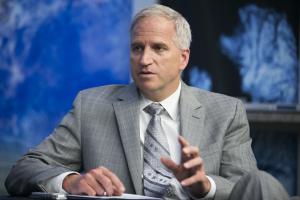
NGA’s outgoing director on how to avoid a cultural ‘backslide’
Robert Cardillo, the outgoing director of the National Geospatial-Intelligence Agency, explained how the agency has evolved during his four years at the helm, why the intelligence community needs to continue to challenge the status quo, and how intel work has changed in the last 30 years.
-
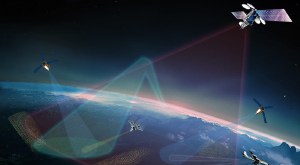
Here’s what the battlefield tech industry predicts for 2019
C4ISRNET asked industry leaders what trends they expect to see in 2019. This is what they said.
-
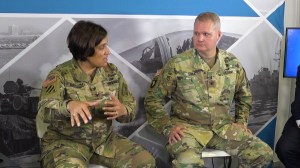
The merger of modernization and innovation
Two Army leaders share their thoughts on the service’s efforts to improve resilient communications in increasingly contested environments.
-

C4ISRNET’s 5 most-read stories of the year
From the Strava scandal to the Insane Clown Posse to Russian tanks, these are the stories our readers loved most in 2018.
-
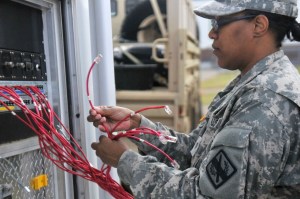
The Army’s ‘triad of opportunity’
Lt. Gen. Bruce Crawford, the Army’s chief information officer/G-6, shares his thoughts on the cloud, hiring, data security and other big focus areas that excite him.
-

Is near-instant satellite imagery almost here?
Intelligence analysts and soldiers on the battlefield could have access to near real-time imagery from commercial satellites as soon as 2021 thanks to new industry partnerships.
-
Space Force to cost $2 billion, include 15,000 personnel in first five years
We now know the details of the Space Force.
-
The Navy’s new plan for agility
The Navy formally announced Feb. 14 the creation of NavalX, a technology accelerator aimed at improving agility.
-
How a Triton mishap might boost confidence in autonomous vehicles
When autonomous vehicles respond as expected, especially in emergencies, it helps build trust in their systems.
-
The Navy wants sensor data to serve more than one purpose
U.S. Navy leaders want the information they receive from sensors and traditional intelligence, surveillance and reconnaissance tools to more seamlessly feed into the service’s combat systems as a way to eventually improve how the service searches for targets.
-
NGA’s outgoing director on how to avoid a cultural ‘backslide’
Robert Cardillo, the outgoing director of the National Geospatial-Intelligence Agency, explained how the agency has evolved during his four years at the helm, why the intelligence community needs to continue to challenge the status quo, and how intel work has changed in the last 30 years.
-
Here’s what the battlefield tech industry predicts for 2019
C4ISRNET asked industry leaders what trends they expect to see in 2019. This is what they said.
-
The merger of modernization and innovation
Two Army leaders share their thoughts on the service’s efforts to improve resilient communications in increasingly contested environments.
-
C4ISRNET’s 5 most-read stories of the year
From the Strava scandal to the Insane Clown Posse to Russian tanks, these are the stories our readers loved most in 2018.
-
The Army’s ‘triad of opportunity’
Lt. Gen. Bruce Crawford, the Army’s chief information officer/G-6, shares his thoughts on the cloud, hiring, data security and other big focus areas that excite him.
-
Is near-instant satellite imagery almost here?
Intelligence analysts and soldiers on the battlefield could have access to near real-time imagery from commercial satellites as soon as 2021 thanks to new industry partnerships.
-
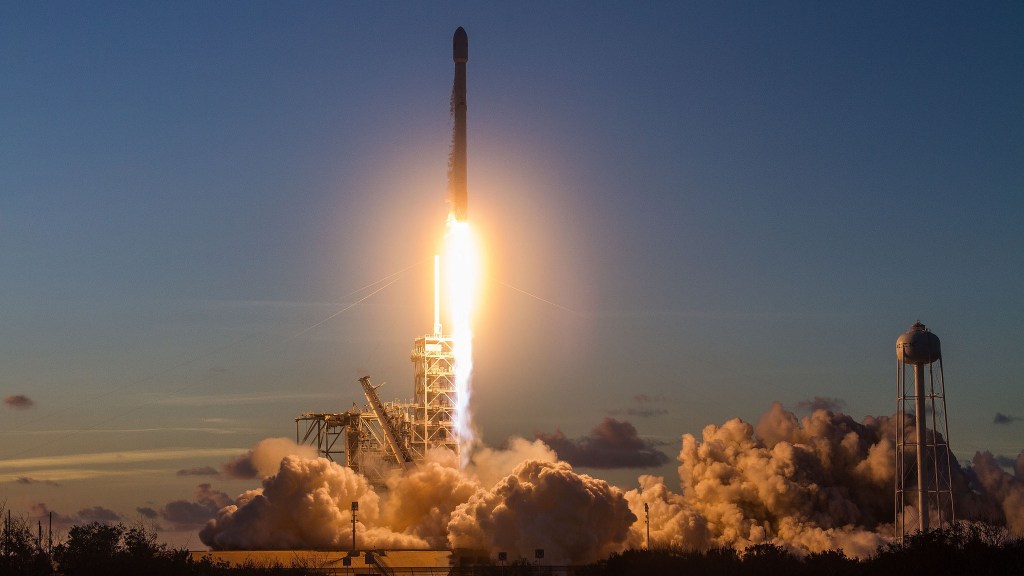
Space Force to cost $2 billion, include 15,000 personnel in first five years
We now know the details of the Space Force.
-
The Navy’s new plan for agility
The Navy formally announced Feb. 14 the creation of NavalX, a technology accelerator aimed at improving agility.
-
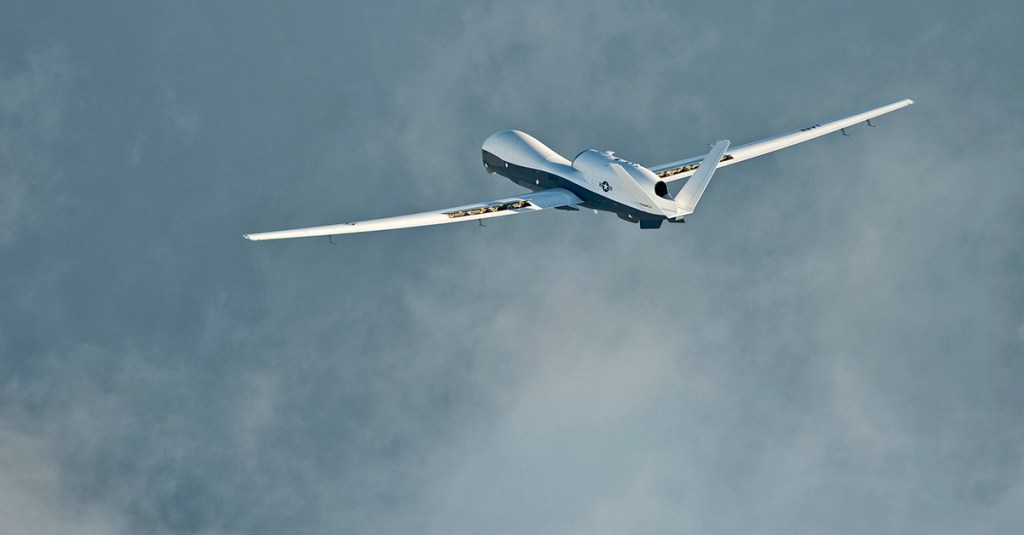
How a Triton mishap might boost confidence in autonomous vehicles
When autonomous vehicles respond as expected, especially in emergencies, it helps build trust in their systems.
-
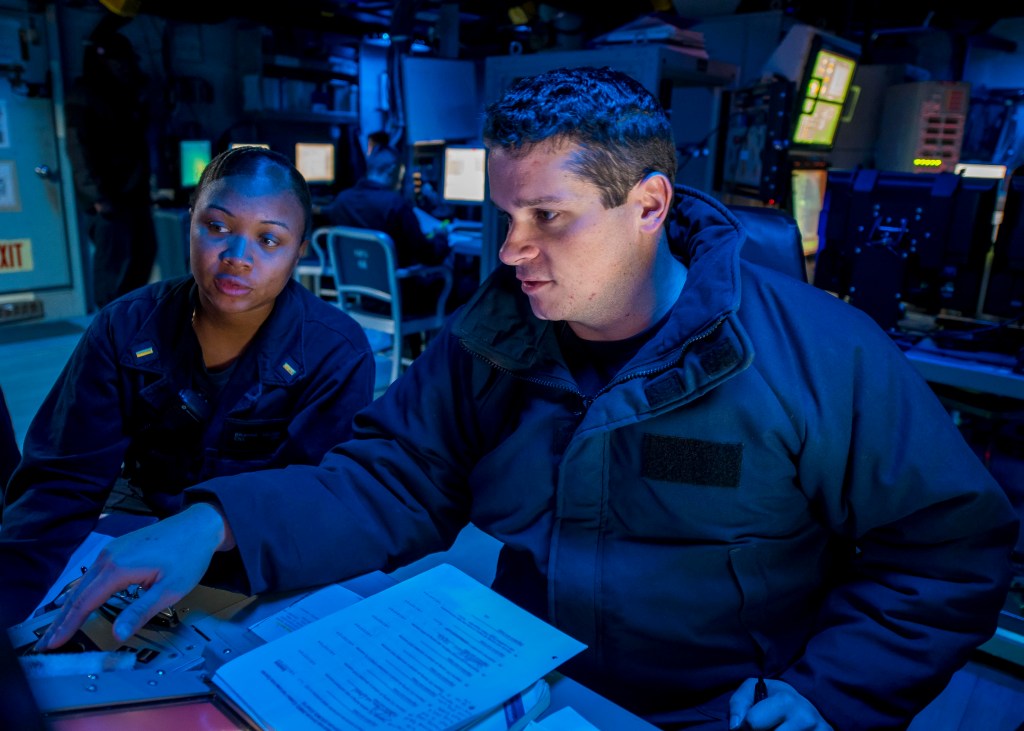
The Navy wants sensor data to serve more than one purpose
U.S. Navy leaders want the information they receive from sensors and traditional intelligence, surveillance and reconnaissance tools to more seamlessly feed into the service’s combat systems as a way to eventually improve how the service searches for targets.
-
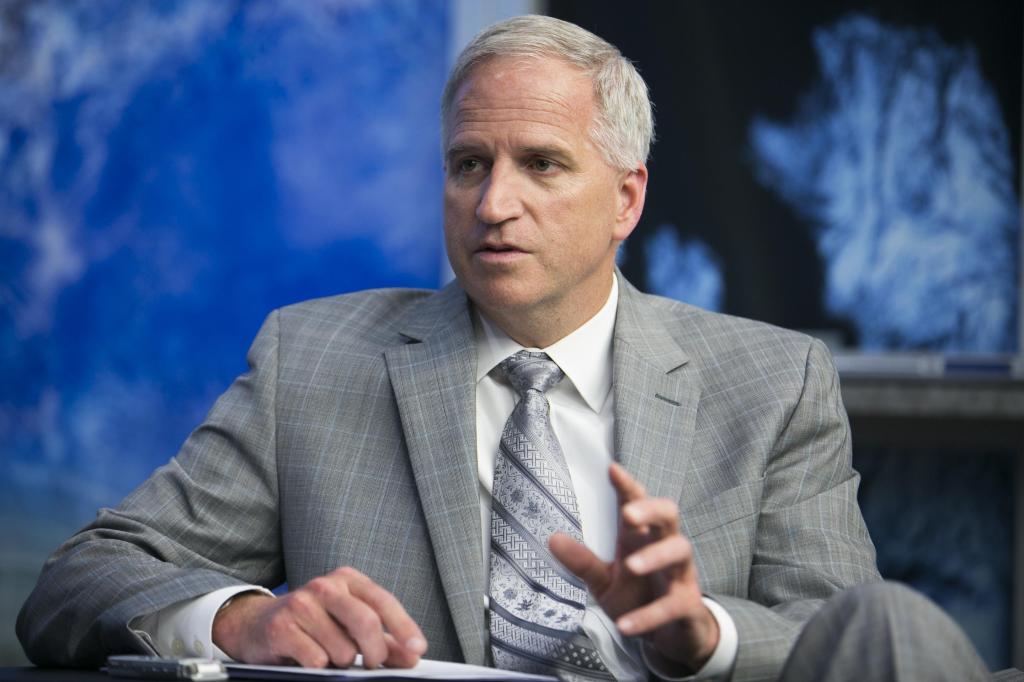
NGA’s outgoing director on how to avoid a cultural ‘backslide’
Robert Cardillo, the outgoing director of the National Geospatial-Intelligence Agency, explained how the agency has evolved during his four years at the helm, why the intelligence community needs to continue to challenge the status quo, and how intel work has changed in the last 30 years.
-
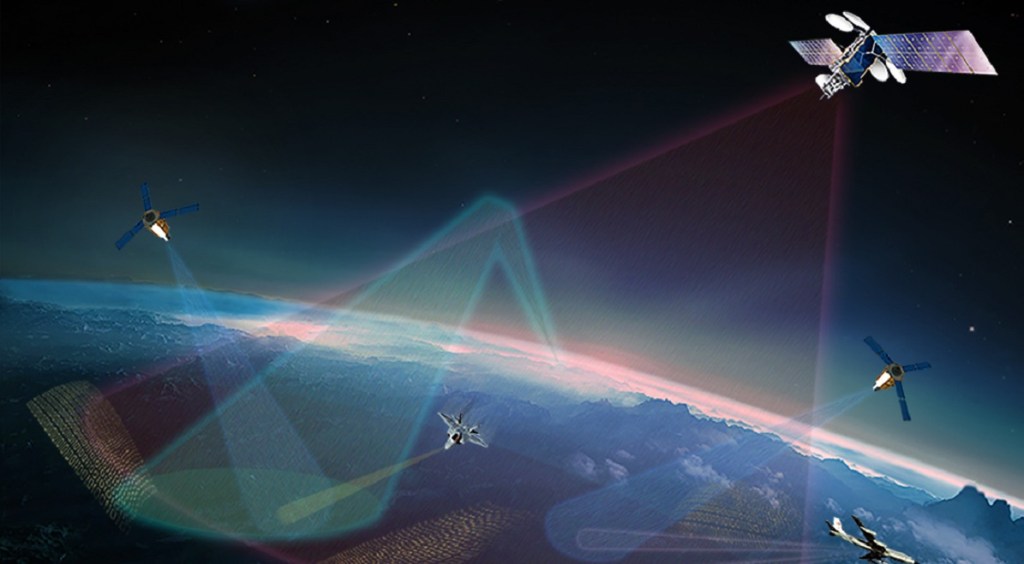
Here’s what the battlefield tech industry predicts for 2019
C4ISRNET asked industry leaders what trends they expect to see in 2019. This is what they said.
-
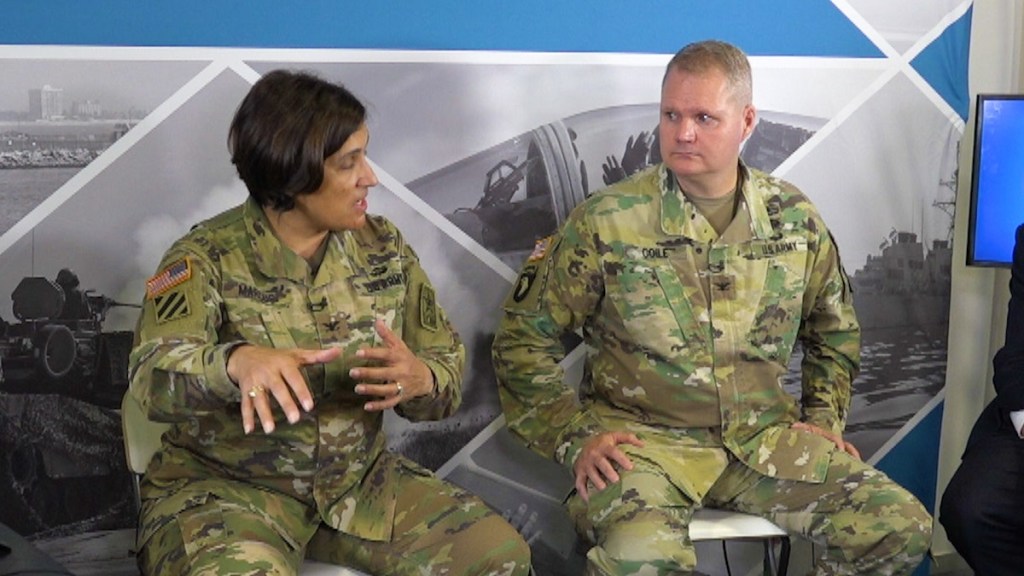
The merger of modernization and innovation
Two Army leaders share their thoughts on the service’s efforts to improve resilient communications in increasingly contested environments.
-

C4ISRNET’s 5 most-read stories of the year
From the Strava scandal to the Insane Clown Posse to Russian tanks, these are the stories our readers loved most in 2018.
-
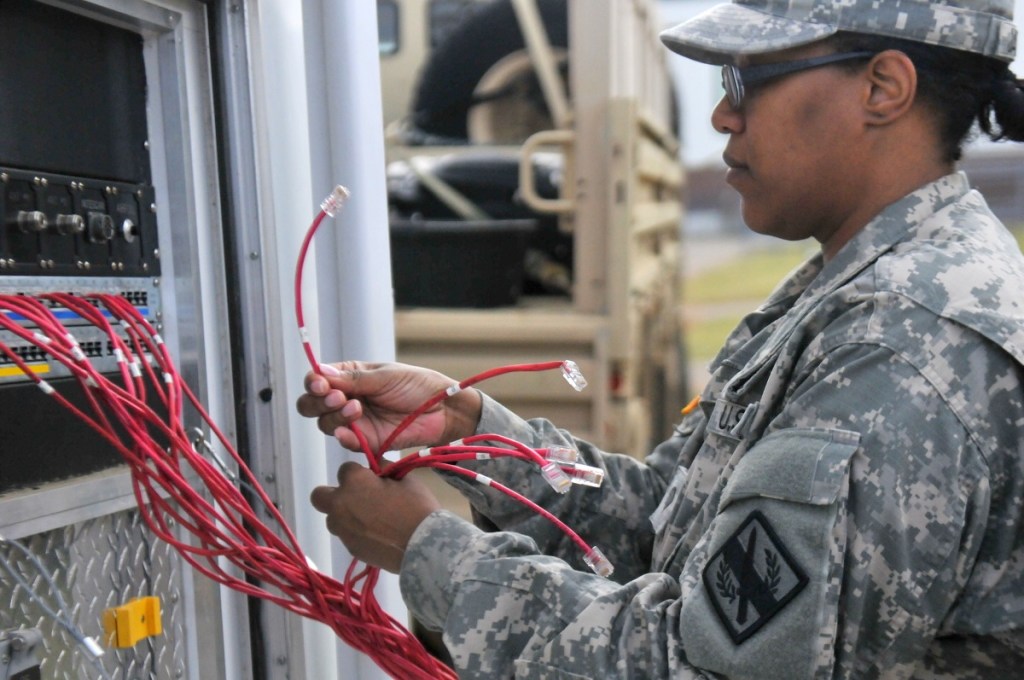
The Army’s ‘triad of opportunity’
Lt. Gen. Bruce Crawford, the Army’s chief information officer/G-6, shares his thoughts on the cloud, hiring, data security and other big focus areas that excite him.
-
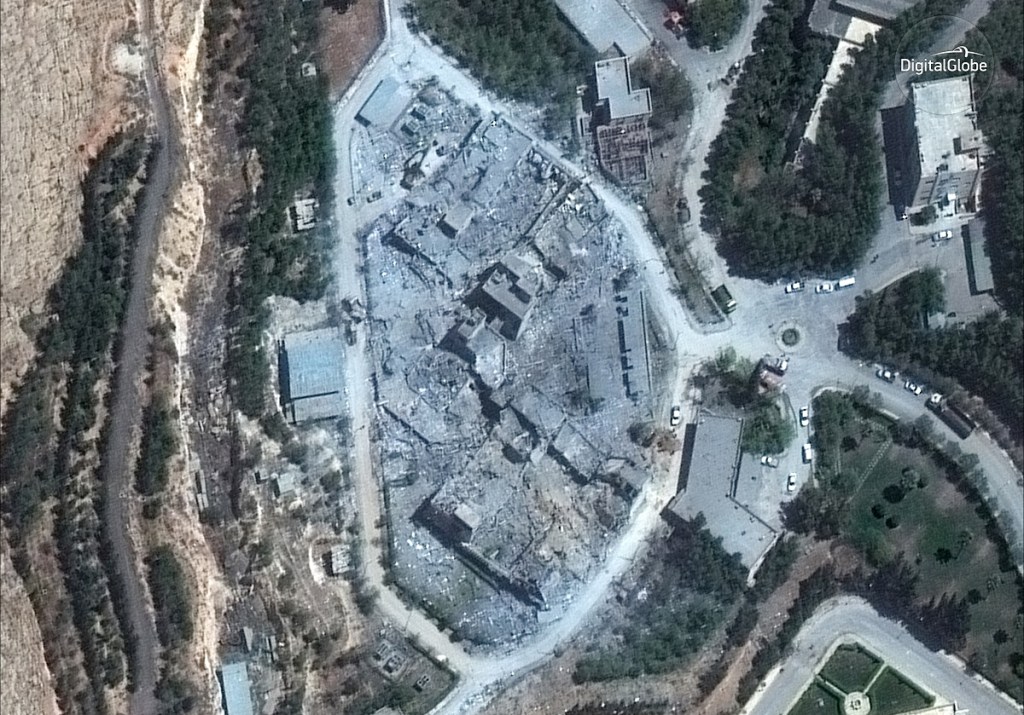
Is near-instant satellite imagery almost here?
Intelligence analysts and soldiers on the battlefield could have access to near real-time imagery from commercial satellites as soon as 2021 thanks to new industry partnerships.