-

The sneaky ways China and Russia could threaten US satellites
Kinetic attacks in space are still possible, but nations are looking more towards electronic warfare and cyber attacks, a report has concluded.
-

How the Pentagon can get serious about cyber
To make cybersecurity a priority within the defense community, the Pentagon has its acquisition office.
-

The satellite surprise inside the spending bill
The new spending plan Congressional leaders unveiled Wednesday unexpectedly includes $600 million for the Air Force to extend its wideband satellite communications program by two satellites.
-

Separating Space Corps from the Pentagon’s space troubles
Any renewed conversation about a Space Corps and the role of military space should emphasize the need for a more holistic, inclusive view of space, from satellites to terminals to networks.
-

Three tech problems the Navy and Marines are worried about
Leaders from the Navy and Marine Corps highlighted technical problems that could lead to long-term difficulties for the Pentagon.
-

The debate about whether DISA’s new security system is ready for primetime
The Pentagon’s chief weapons tester and the Defense Information Systems Agency disagree about the direction of a program to strengthen network security.
-
The Navy’s $1 million fix-it team
Before the Navy deploys a strike group, leaders send a specialized team of IT experts at a cost of about $1 million a pop to ensure that network systems within each ship and from ship-to-ship work seamlessly together.
-

Six reasons the Pentagon’s deputy secretary is excited about the cloud
Patrick Shanahan, the deputy secretary for the Department of Defense, used a press gaggle Feb. 6 to explain his optimism for broader cloud adoption at the Pentagon.
-

Pentagon’s No. 2: Dismissing cyber risks is like ignoring smoking dangers
The Pentagon and its contractors need to take a more rigid and uncompromising approach to cybersecurity, a change in philosophy that would require a more active role from CEOs and industry leaders.
-

What three of the year’s biggest defense stories looked like from space
Earth imagery, data and analysis company DigitalGlobe has released a collection of satellite images representing some of the most important and newsworthy global events of 2017.
-
The sneaky ways China and Russia could threaten US satellites
Kinetic attacks in space are still possible, but nations are looking more towards electronic warfare and cyber attacks, a report has concluded.
-
How the Pentagon can get serious about cyber
To make cybersecurity a priority within the defense community, the Pentagon has its acquisition office.
-
The satellite surprise inside the spending bill
The new spending plan Congressional leaders unveiled Wednesday unexpectedly includes $600 million for the Air Force to extend its wideband satellite communications program by two satellites.
-
Separating Space Corps from the Pentagon’s space troubles
Any renewed conversation about a Space Corps and the role of military space should emphasize the need for a more holistic, inclusive view of space, from satellites to terminals to networks.
-
Three tech problems the Navy and Marines are worried about
Leaders from the Navy and Marine Corps highlighted technical problems that could lead to long-term difficulties for the Pentagon.
-
The debate about whether DISA’s new security system is ready for primetime
The Pentagon’s chief weapons tester and the Defense Information Systems Agency disagree about the direction of a program to strengthen network security.
-
The Navy’s $1 million fix-it team
Before the Navy deploys a strike group, leaders send a specialized team of IT experts at a cost of about $1 million a pop to ensure that network systems within each ship and from ship-to-ship work seamlessly together.
-
Six reasons the Pentagon’s deputy secretary is excited about the cloud
Patrick Shanahan, the deputy secretary for the Department of Defense, used a press gaggle Feb. 6 to explain his optimism for broader cloud adoption at the Pentagon.
-
Pentagon’s No. 2: Dismissing cyber risks is like ignoring smoking dangers
The Pentagon and its contractors need to take a more rigid and uncompromising approach to cybersecurity, a change in philosophy that would require a more active role from CEOs and industry leaders.
-
What three of the year’s biggest defense stories looked like from space
Earth imagery, data and analysis company DigitalGlobe has released a collection of satellite images representing some of the most important and newsworthy global events of 2017.
-

The sneaky ways China and Russia could threaten US satellites
Kinetic attacks in space are still possible, but nations are looking more towards electronic warfare and cyber attacks, a report has concluded.
-
How the Pentagon can get serious about cyber
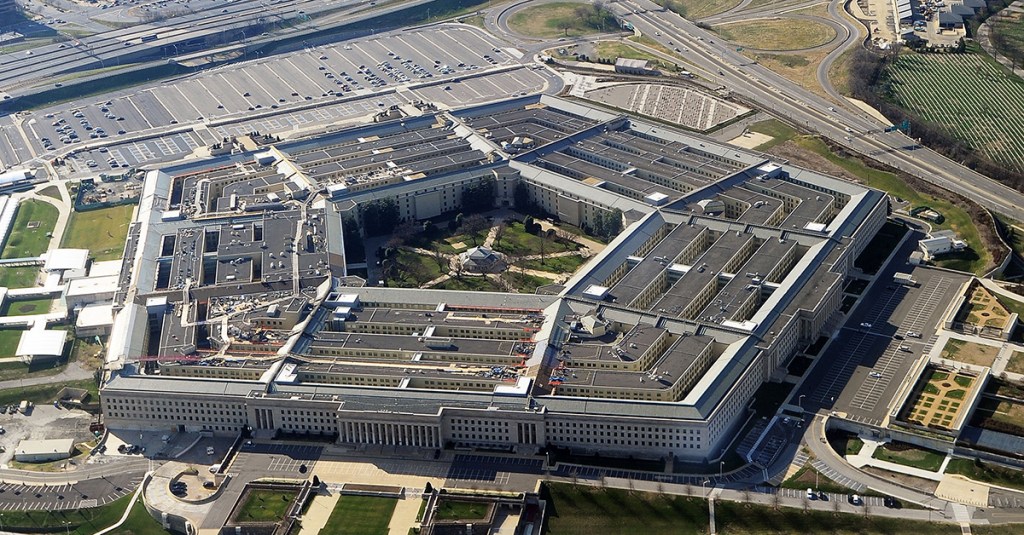
To make cybersecurity a priority within the defense community, the Pentagon has its acquisition office.
-
The satellite surprise inside the spending bill
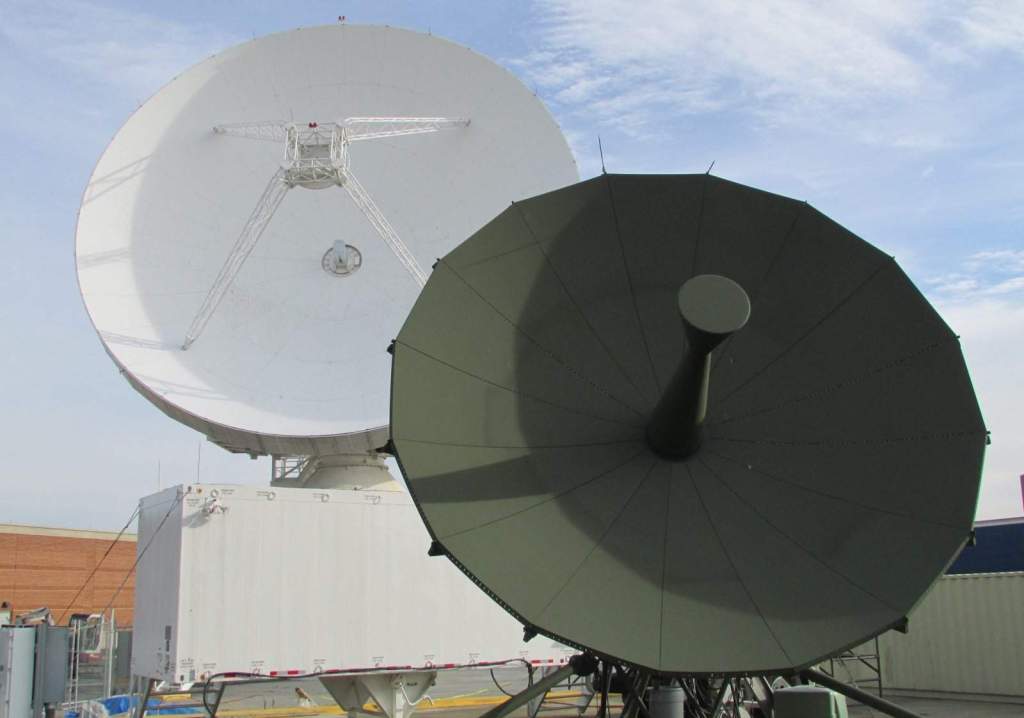
The new spending plan Congressional leaders unveiled Wednesday unexpectedly includes $600 million for the Air Force to extend its wideband satellite communications program by two satellites.
-

Separating Space Corps from the Pentagon’s space troubles
Any renewed conversation about a Space Corps and the role of military space should emphasize the need for a more holistic, inclusive view of space, from satellites to terminals to networks.
-

Three tech problems the Navy and Marines are worried about
Leaders from the Navy and Marine Corps highlighted technical problems that could lead to long-term difficulties for the Pentagon.
-

The debate about whether DISA’s new security system is ready for primetime
The Pentagon’s chief weapons tester and the Defense Information Systems Agency disagree about the direction of a program to strengthen network security.
-
The Navy’s $1 million fix-it team
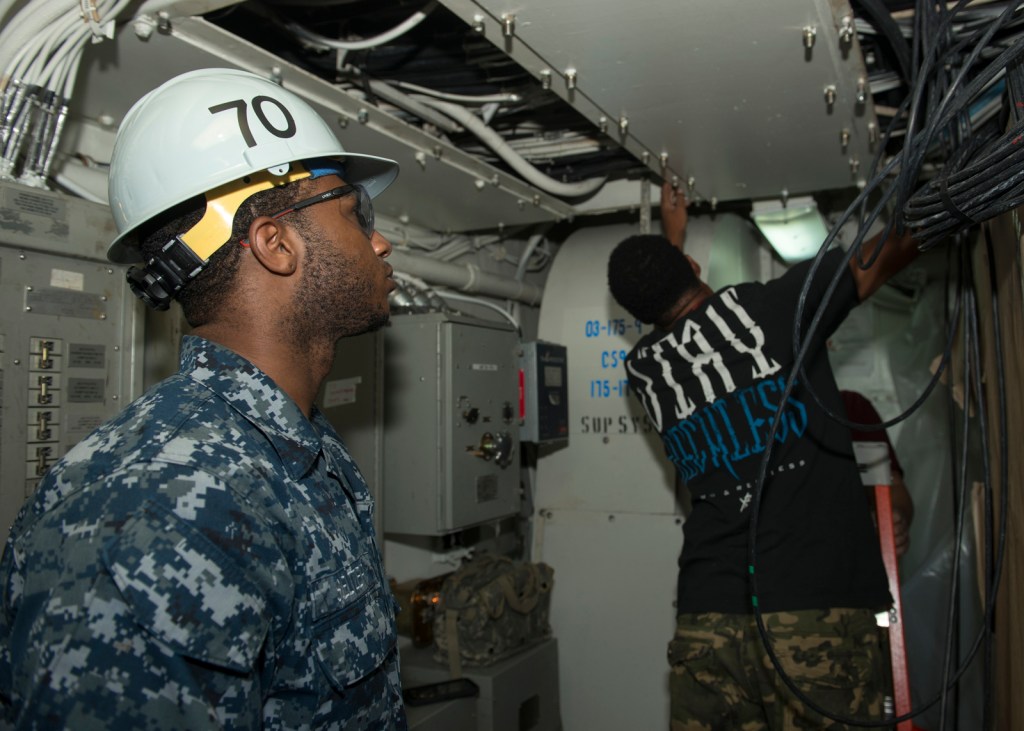
Before the Navy deploys a strike group, leaders send a specialized team of IT experts at a cost of about $1 million a pop to ensure that network systems within each ship and from ship-to-ship work seamlessly together.
-

Six reasons the Pentagon’s deputy secretary is excited about the cloud
Patrick Shanahan, the deputy secretary for the Department of Defense, used a press gaggle Feb. 6 to explain his optimism for broader cloud adoption at the Pentagon.
-

Pentagon’s No. 2: Dismissing cyber risks is like ignoring smoking dangers
The Pentagon and its contractors need to take a more rigid and uncompromising approach to cybersecurity, a change in philosophy that would require a more active role from CEOs and industry leaders.
-

What three of the year’s biggest defense stories looked like from space
Earth imagery, data and analysis company DigitalGlobe has released a collection of satellite images representing some of the most important and newsworthy global events of 2017.