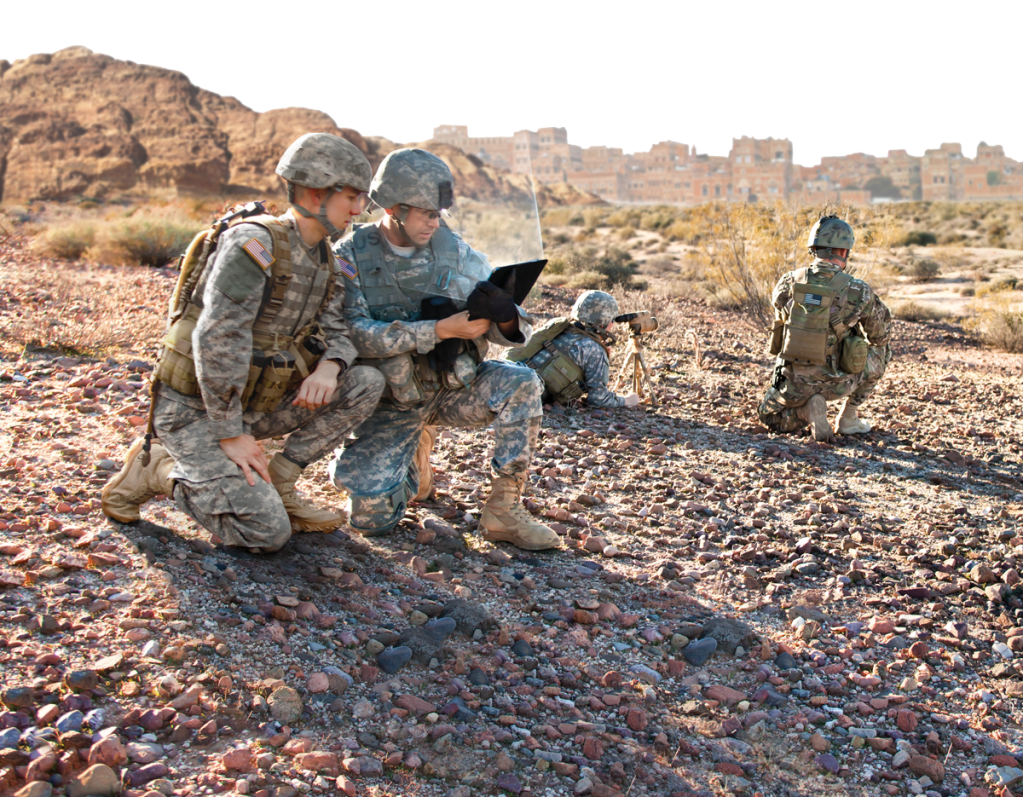
The military needs a way to get voice, video and data to deployed troops even without high-bandwidth access in remote corners of the world, but there are a lot of obstacles to making that happen.
According to several industry experts, speaking specifically about special forces, achieving the necessary throughput for mounting levels of data is a big challenge.
Related: Meeting network needs for special ops
Event:Joseph Fontanella, director of the U.S. Army Geospatial Center, will discuss this problem in detail and offer insight into possible solutions during a June 3 C4ISR & Networks webcast. The free event takes place at 1 p.m., and an archived version will be available afterward. Click here for more information and registration.
“Special operations forces missions are often characterized by lightning quick actions in a denied environment,” said Cedric Leighton, former deputy director of training for the National Security Agency and chairman of Cedric Leighton International Strategies. “That means special operations forces need to have networks that can provide resilient real-time connectivity to intelligence feeds and command and control links.”
The problem isn’t limited to special forces, but in a way they represent the most extreme example of the need, according to other sources.
Complaints about shortage of bandwidth on the battlefield are not likely to end anytime soon, Leighton said. “With big-data-style information needs only increasing the requirement for bandwidth, special operations forces will need to continually increase the amount of bandwidth available to its operational elements,” he said.