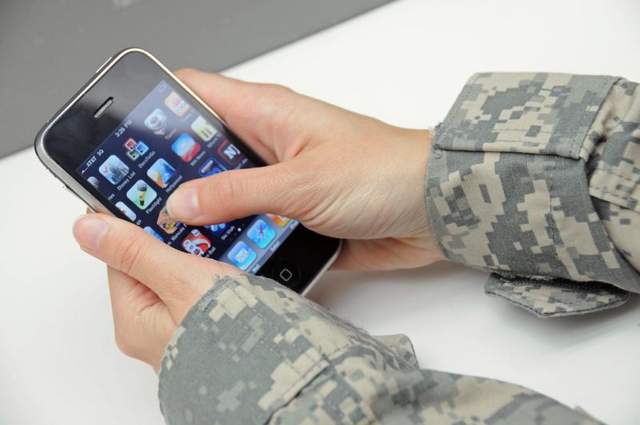
Mobile devices are among the frequently cited security risks for federal and defense agencies — alongside shadow IT and shared services — according to a SolarWinds survey released in late July.
A third of the survey respondents came from defense organizations, while 55 percent came from federal civilian and independent agencies. While 36 percent said their agencies allow only agency-issued devices to connect to agency networks, 35 percent of Defense Department respondents said no mobile access is allowed at all.
Bonus: Spend some time with TSA CIO Stephen Rice to learn how TSA ensures the security of data and mobile apps, in a Federal Times webcast on Aug. 11. Register or get more information here.
The Defense Department seems to have a troubled relationship with mobile. CIO Terry Halvorsen told a conference in early July that a planned bring-your-own-device pilot program has been back-burnered as attention shifts to installing Wi-Fi throughout the Pentagon. (See related story.) At the same time, the Defense Information Systems Agency is moving ahead with a classified mobility capability, which moved from pilot to operational status in late June.
Defense Mobile Classified Capability – Secret (DMCC-S) enables users to access classified voice and data, up to the secret level, from anywhere in the world, according to DISA. The latest release provides improved call interoperability, failover and mobile device management. The system uses commercial smart phones with cameras, GPS and Bluetooth disabled.
“The operational mobile classified capability brings us one step closer to the Joint Information Environment vision, where our warfighters and national level leaders can access a secure infrastructure and applications from any device, anytime, anywhere,” said Kim Rice, DISA’s mobility portfolio manager.