
-
Cornell University to get $2.5M for cybersecurity work
Cornell University will receive $2.5 million in federal funds to support the development of new cybersecurity software.
-

What defense leaders (are now willing to) tell us about offensive cyber ops
The Defense Department as well as the individual services have slowly but surely provided details regarding their offensive efforts in cyberspace, most notably the fight against the Islamic State group in Iraq and Syria.
-
House passes IT modernization bill with eye toward cybersecurity
A bill to modernize federal IT systems passed the House and has wide-ranging support in Congress and the administration.
-
House passes bill to boost local cyber crime-fighting
The “Strengthening State and Local Cyber Crime Fighting Act of 2017,” which has passed the House of Representatives, joins a companion Senate bill authorizing the National Computer Forensics Institute in Hoover, Ala., as a cybercrime training center for state and local law enforcement.
-

Trump’s signed cybersecurity EO emphasizes risk management, resilience
President Donald Trump on Thursday released the long-awaited presidential executive order on cybersecurity. The EO is similar in substance to the draft EO released last week and covered in depth by Fifth Domain.
-
6 priorities on Cyber Command’s extensive to-do list
U.S. Cyber Command has a lot to do before it’s ready to step out on its own. Here are six things its commander, Adm. Michael Rogers, cited during a recent Senate hearing.
-

US told France Russia was trying to hack its election
A top U.S. cyber official says the United States watched Russians penetrate France’s computer networks and tipped French officials before the hacking became public during the country’s recent election.
-
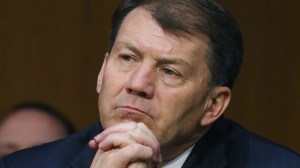
Rounds: Senate cyber subcommittee to focus on foreign capabilities
An interview with Sen. Mike Rounds, R-S.D., chairman of a newly created Senate Armed Services subcommittee.
-

Senate, House bills to train officers to fight cybercrimes
Companion legislation has been introduced in the Senate to support a House bill authorizing the National Computer Forensics Institute in Hoover, Ala., to continue in its efforts to train state and local law enforcement agencies nationwide in cybercrime-fighting techniques.
-
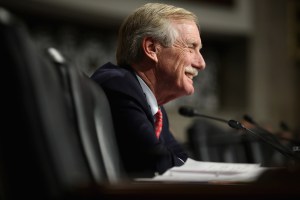
Bill urging ‘retro’ approach to securing power grid gets support in Senate
A proposal from Maine Sen. Angus King (I) and Idaho Sen. Jim Risch (R) to protect the electric grid from cyberattacks by introducing more manual processes has cleared a procedural hurdle, getting support from the Senate Energy and Natural Resources Subcommittee on Energy.
-
Cornell University to get $2.5M for cybersecurity work
Cornell University will receive $2.5 million in federal funds to support the development of new cybersecurity software.
-
What defense leaders (are now willing to) tell us about offensive cyber ops
The Defense Department as well as the individual services have slowly but surely provided details regarding their offensive efforts in cyberspace, most notably the fight against the Islamic State group in Iraq and Syria.
-
House passes IT modernization bill with eye toward cybersecurity
A bill to modernize federal IT systems passed the House and has wide-ranging support in Congress and the administration.
-
House passes bill to boost local cyber crime-fighting
The “Strengthening State and Local Cyber Crime Fighting Act of 2017,” which has passed the House of Representatives, joins a companion Senate bill authorizing the National Computer Forensics Institute in Hoover, Ala., as a cybercrime training center for state and local law enforcement.
-
Trump’s signed cybersecurity EO emphasizes risk management, resilience
President Donald Trump on Thursday released the long-awaited presidential executive order on cybersecurity. The EO is similar in substance to the draft EO released last week and covered in depth by Fifth Domain.
-
6 priorities on Cyber Command’s extensive to-do list
U.S. Cyber Command has a lot to do before it’s ready to step out on its own. Here are six things its commander, Adm. Michael Rogers, cited during a recent Senate hearing.
-
US told France Russia was trying to hack its election
A top U.S. cyber official says the United States watched Russians penetrate France’s computer networks and tipped French officials before the hacking became public during the country’s recent election.
-
Rounds: Senate cyber subcommittee to focus on foreign capabilities
An interview with Sen. Mike Rounds, R-S.D., chairman of a newly created Senate Armed Services subcommittee.
-
Senate, House bills to train officers to fight cybercrimes
Companion legislation has been introduced in the Senate to support a House bill authorizing the National Computer Forensics Institute in Hoover, Ala., to continue in its efforts to train state and local law enforcement agencies nationwide in cybercrime-fighting techniques.
-
Bill urging ‘retro’ approach to securing power grid gets support in Senate
A proposal from Maine Sen. Angus King (I) and Idaho Sen. Jim Risch (R) to protect the electric grid from cyberattacks by introducing more manual processes has cleared a procedural hurdle, getting support from the Senate Energy and Natural Resources Subcommittee on Energy.
-
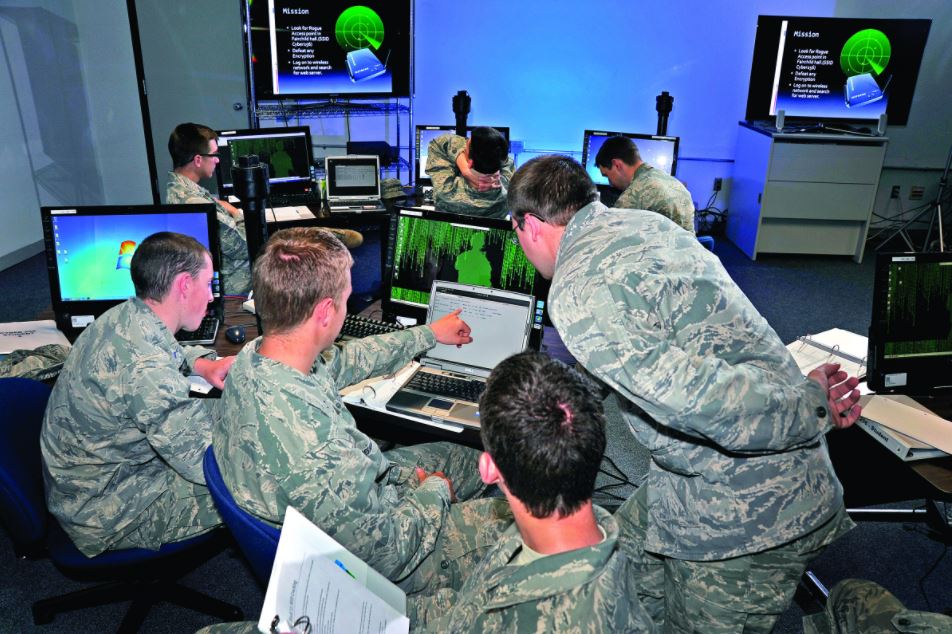
Cornell University to get $2.5M for cybersecurity work
Cornell University will receive $2.5 million in federal funds to support the development of new cybersecurity software.
-

What defense leaders (are now willing to) tell us about offensive cyber ops
The Defense Department as well as the individual services have slowly but surely provided details regarding their offensive efforts in cyberspace, most notably the fight against the Islamic State group in Iraq and Syria.
-
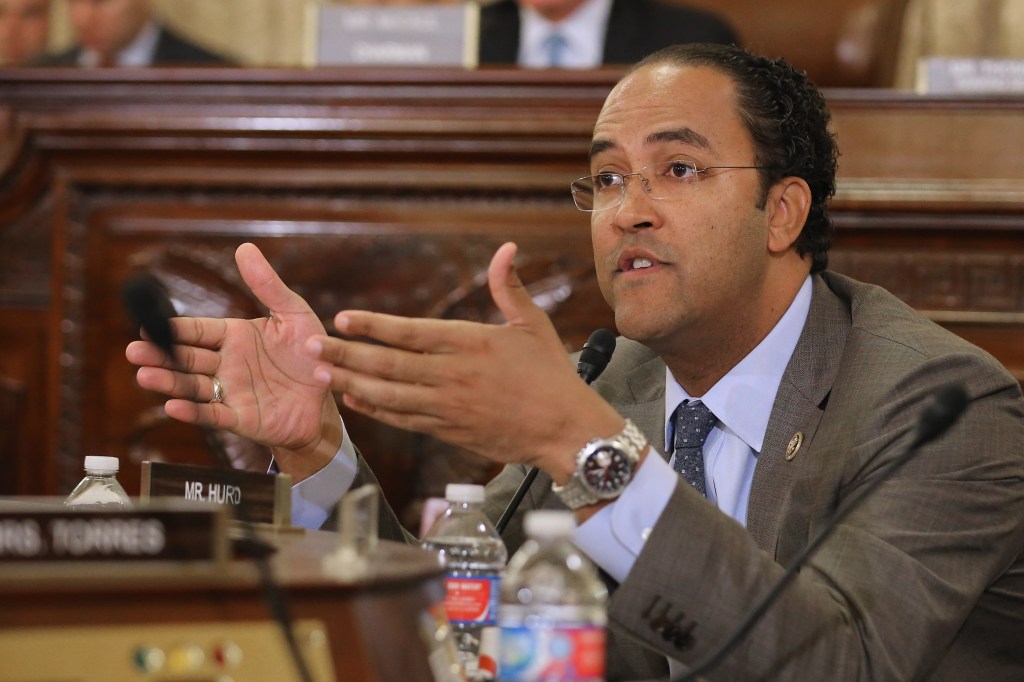
House passes IT modernization bill with eye toward cybersecurity
A bill to modernize federal IT systems passed the House and has wide-ranging support in Congress and the administration.
-
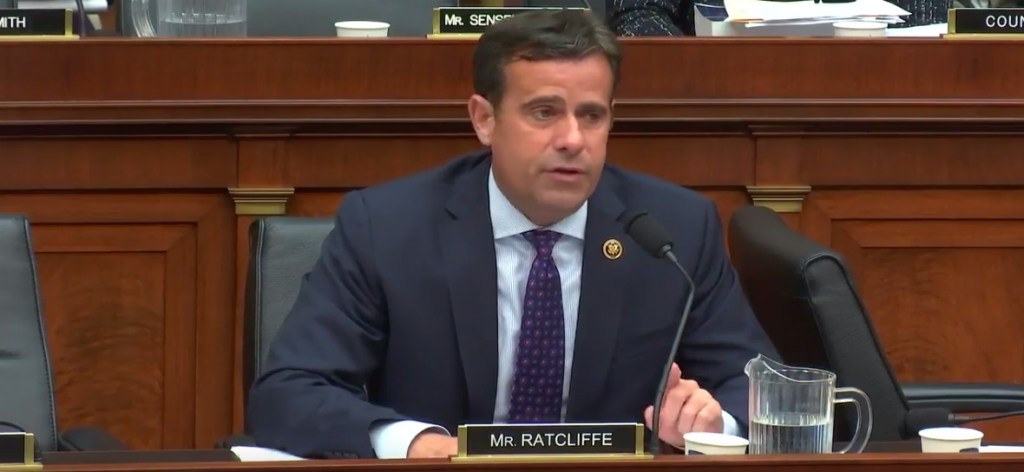
House passes bill to boost local cyber crime-fighting
The “Strengthening State and Local Cyber Crime Fighting Act of 2017,” which has passed the House of Representatives, joins a companion Senate bill authorizing the National Computer Forensics Institute in Hoover, Ala., as a cybercrime training center for state and local law enforcement.
-

Trump’s signed cybersecurity EO emphasizes risk management, resilience
President Donald Trump on Thursday released the long-awaited presidential executive order on cybersecurity. The EO is similar in substance to the draft EO released last week and covered in depth by Fifth Domain.
-
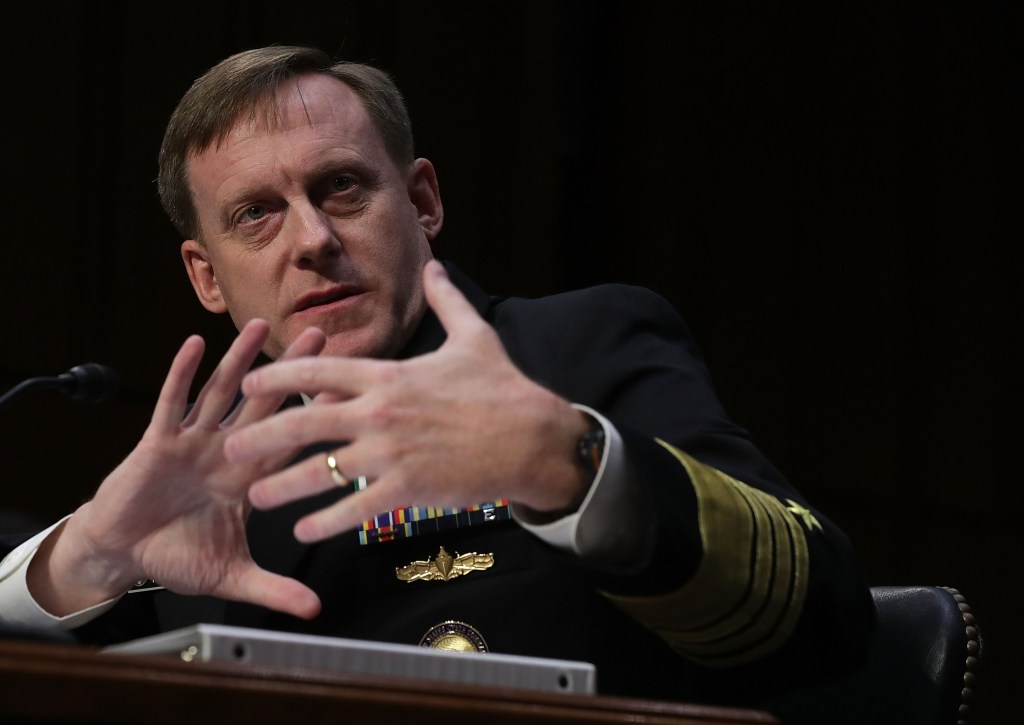
6 priorities on Cyber Command’s extensive to-do list
U.S. Cyber Command has a lot to do before it’s ready to step out on its own. Here are six things its commander, Adm. Michael Rogers, cited during a recent Senate hearing.
-

US told France Russia was trying to hack its election
A top U.S. cyber official says the United States watched Russians penetrate France’s computer networks and tipped French officials before the hacking became public during the country’s recent election.
-
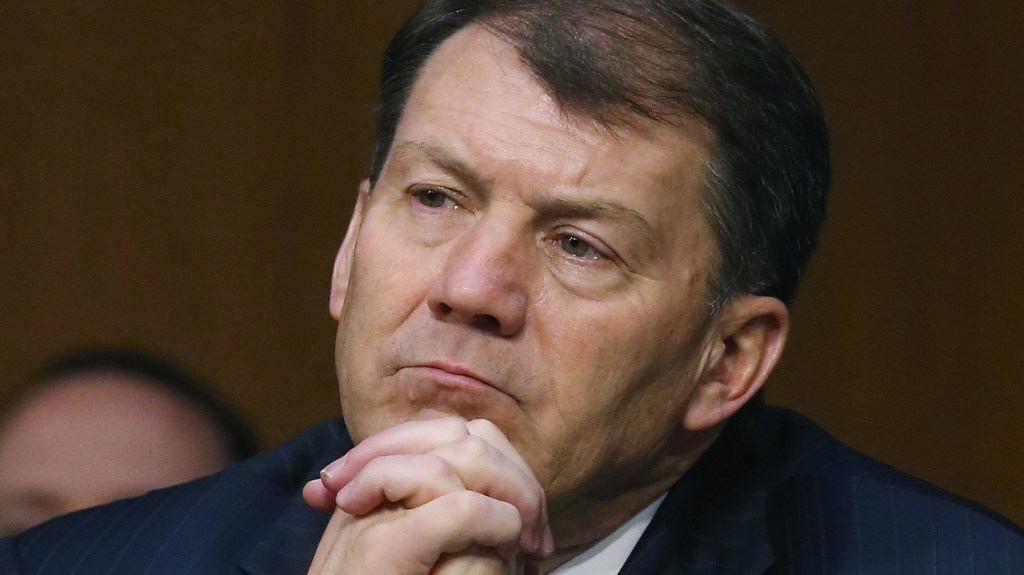
Rounds: Senate cyber subcommittee to focus on foreign capabilities
An interview with Sen. Mike Rounds, R-S.D., chairman of a newly created Senate Armed Services subcommittee.
-

Senate, House bills to train officers to fight cybercrimes
Companion legislation has been introduced in the Senate to support a House bill authorizing the National Computer Forensics Institute in Hoover, Ala., to continue in its efforts to train state and local law enforcement agencies nationwide in cybercrime-fighting techniques.
-
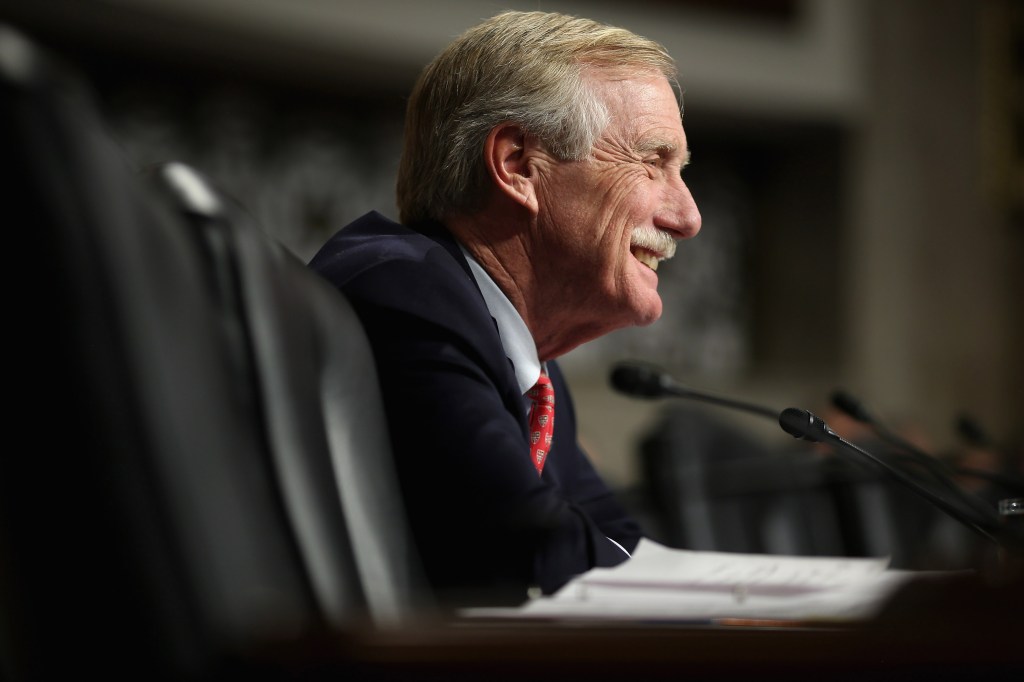
Bill urging ‘retro’ approach to securing power grid gets support in Senate
A proposal from Maine Sen. Angus King (I) and Idaho Sen. Jim Risch (R) to protect the electric grid from cyberattacks by introducing more manual processes has cleared a procedural hurdle, getting support from the Senate Energy and Natural Resources Subcommittee on Energy.


