-
State of encryption, part II: Policy limbo
Part I explored legal issues and the implications of recent cases on encryption. Part II surveys recent developments in and the current state of encryption technology and policy.
-
State of encryption, part I: Cryptic laws
The past year has seen significant developments in encryption technology, policy and legal cases. With a new presidential administration and Congress, its timely to consider the current state of encryption and what the future could hold.
-

Options for incentivizing private-sector cybersecurity
Cybersecurity is a unique policy challenge because over 80 percent of U.S. information technology infrastructure is owned and operated by private entities, according to former CIA Director John Brennan. Yet cybersecurity vulnerabilities in these systems, networks and products could have national security implications.
-

Should cybersecurity be a human right?
Having access to the internet is increasingly considered to be an emerging human right. The next step to help ensure some measure of cyber peace online may be for cybersecurity to be recognized as a human right, too.
-
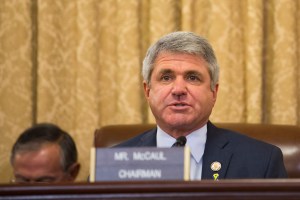
McCaul calls for ‘red lines’ on political hacking
Cyberattacks against the U.S., particularly domestic Democratic institutions, are a “red line we should not allow anyone to cross,” Rep. Michael McCaul, chairman of the House Homeland Security Committee, told the crowd at the 2017 RSA Conference in San Francisco.
-
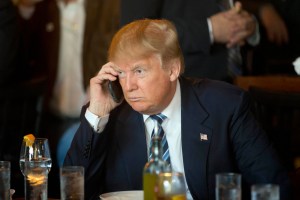
Concerns over Trump’s alleged use of personal, unsecured smartphone
Two senators on the Senate Committee on Homeland Security and Governmental Affairs have requested that the Department of Defense provide information on what is being done to secure and preserve presidential communications reportedly made from an unapproved device at risk to hacking.
-

Senator says election to live in ‘cyber infamy’
Sen. Dick Durbin of Illinois was referring to the intelligence community assessment that Russia meddled in the Nov. 8 election to help Trump beat Democrat Hillary Clinton.
-
House committee eliminates federal Election Assistance Commission
A House committee has voted to terminate an independent election commission charged with helping states improve their voting systems.
-

Long-awaited cyber norms manual Tallinn 2.0 published
The Tallinn Manual 2.0 on international law and cyber operations has been published and released.
-
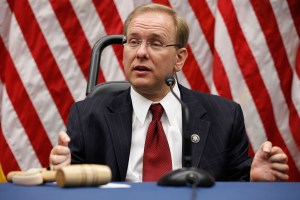
Bill seeks to fortify U.S.-Israel cybersecurity research
The United States-Israel Cybersecurity Cooperation Enhancement Act, which has now passed the House of Representatives, would boost joint cybersecurity efforts through strategic research and development ventures.
-
State of encryption, part II: Policy limbo
Part I explored legal issues and the implications of recent cases on encryption. Part II surveys recent developments in and the current state of encryption technology and policy.
-
State of encryption, part I: Cryptic laws
The past year has seen significant developments in encryption technology, policy and legal cases. With a new presidential administration and Congress, its timely to consider the current state of encryption and what the future could hold.
-
Options for incentivizing private-sector cybersecurity
Cybersecurity is a unique policy challenge because over 80 percent of U.S. information technology infrastructure is owned and operated by private entities, according to former CIA Director John Brennan. Yet cybersecurity vulnerabilities in these systems, networks and products could have national security implications.
-
Should cybersecurity be a human right?
Having access to the internet is increasingly considered to be an emerging human right. The next step to help ensure some measure of cyber peace online may be for cybersecurity to be recognized as a human right, too.
-
McCaul calls for ‘red lines’ on political hacking
Cyberattacks against the U.S., particularly domestic Democratic institutions, are a “red line we should not allow anyone to cross,” Rep. Michael McCaul, chairman of the House Homeland Security Committee, told the crowd at the 2017 RSA Conference in San Francisco.
-
Concerns over Trump’s alleged use of personal, unsecured smartphone
Two senators on the Senate Committee on Homeland Security and Governmental Affairs have requested that the Department of Defense provide information on what is being done to secure and preserve presidential communications reportedly made from an unapproved device at risk to hacking.
-
Senator says election to live in ‘cyber infamy’
Sen. Dick Durbin of Illinois was referring to the intelligence community assessment that Russia meddled in the Nov. 8 election to help Trump beat Democrat Hillary Clinton.
-
House committee eliminates federal Election Assistance Commission
A House committee has voted to terminate an independent election commission charged with helping states improve their voting systems.
-
Long-awaited cyber norms manual Tallinn 2.0 published
The Tallinn Manual 2.0 on international law and cyber operations has been published and released.
-
Bill seeks to fortify U.S.-Israel cybersecurity research
The United States-Israel Cybersecurity Cooperation Enhancement Act, which has now passed the House of Representatives, would boost joint cybersecurity efforts through strategic research and development ventures.
-
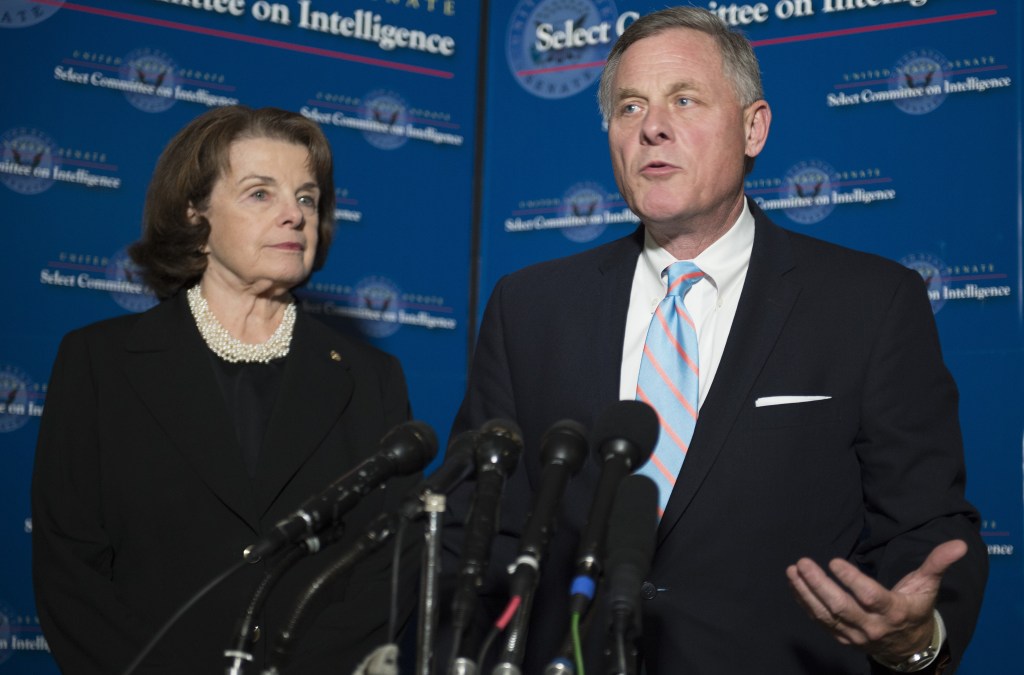
State of encryption, part II: Policy limbo
Part I explored legal issues and the implications of recent cases on encryption. Part II surveys recent developments in and the current state of encryption technology and policy.
-
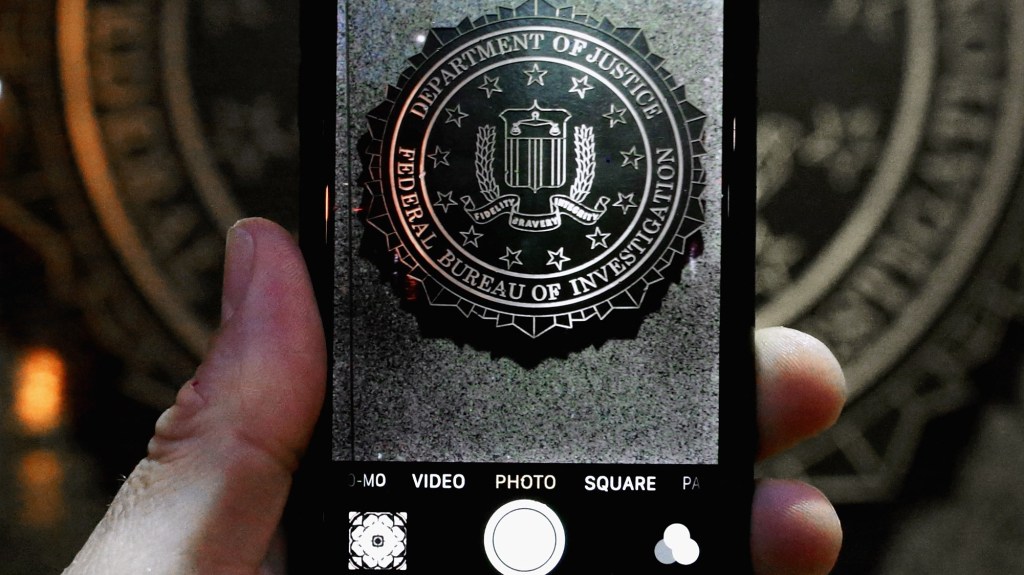
State of encryption, part I: Cryptic laws
The past year has seen significant developments in encryption technology, policy and legal cases. With a new presidential administration and Congress, its timely to consider the current state of encryption and what the future could hold.
-

Options for incentivizing private-sector cybersecurity
Cybersecurity is a unique policy challenge because over 80 percent of U.S. information technology infrastructure is owned and operated by private entities, according to former CIA Director John Brennan. Yet cybersecurity vulnerabilities in these systems, networks and products could have national security implications.
-

Should cybersecurity be a human right?
Having access to the internet is increasingly considered to be an emerging human right. The next step to help ensure some measure of cyber peace online may be for cybersecurity to be recognized as a human right, too.
-
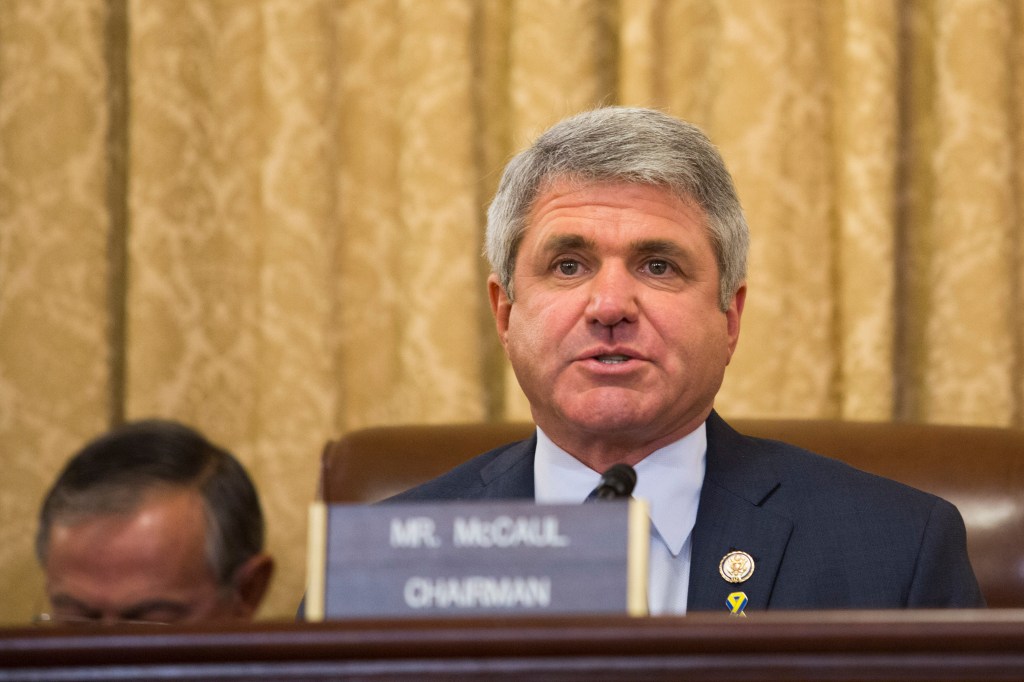
McCaul calls for ‘red lines’ on political hacking
Cyberattacks against the U.S., particularly domestic Democratic institutions, are a “red line we should not allow anyone to cross,” Rep. Michael McCaul, chairman of the House Homeland Security Committee, told the crowd at the 2017 RSA Conference in San Francisco.
-
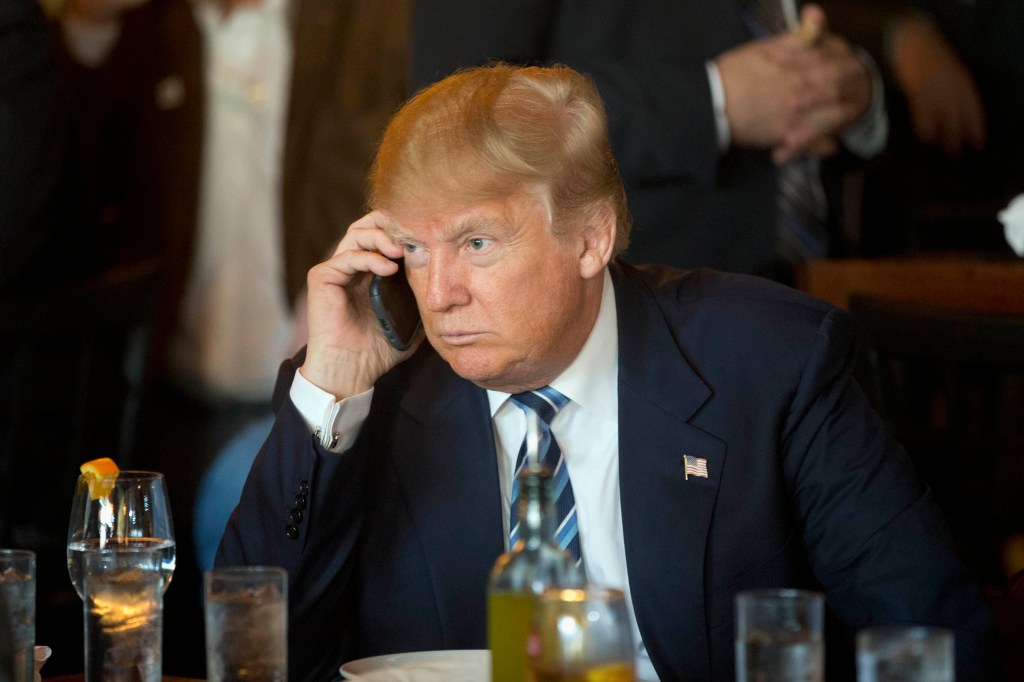
Concerns over Trump’s alleged use of personal, unsecured smartphone
Two senators on the Senate Committee on Homeland Security and Governmental Affairs have requested that the Department of Defense provide information on what is being done to secure and preserve presidential communications reportedly made from an unapproved device at risk to hacking.
-

Senator says election to live in ‘cyber infamy’
Sen. Dick Durbin of Illinois was referring to the intelligence community assessment that Russia meddled in the Nov. 8 election to help Trump beat Democrat Hillary Clinton.
-
House committee eliminates federal Election Assistance Commission
A House committee has voted to terminate an independent election commission charged with helping states improve their voting systems.
-

Long-awaited cyber norms manual Tallinn 2.0 published
The Tallinn Manual 2.0 on international law and cyber operations has been published and released.
-
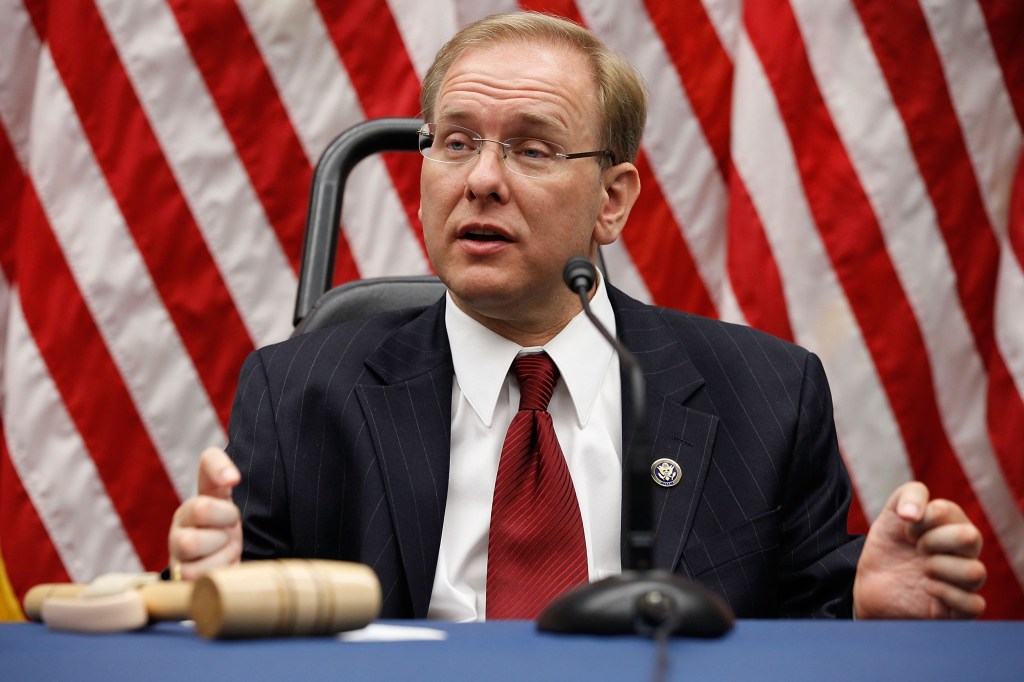
Bill seeks to fortify U.S.-Israel cybersecurity research
The United States-Israel Cybersecurity Cooperation Enhancement Act, which has now passed the House of Representatives, would boost joint cybersecurity efforts through strategic research and development ventures.