-
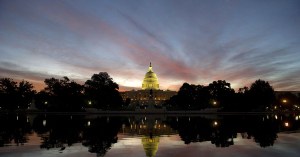
House panel officially clears Trump, but finds Russian cyber interference
The Republican-led House intelligence committee on Friday released a lengthy report concluding it found no evidence that Donald Trump’s campaign colluded with Russia in the 2016 presidential campaign, a finding that drew praise from the president and rebuttals from Democrats.
-
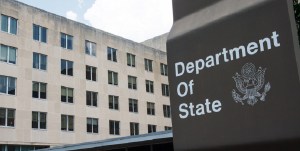
The State Department might designate a cyber ambassador
A Department of State reauthorization bill includes a proposal to elevate a proposed Bureau for Cyberspace and the Digital Economy.
-

‘Hack the State Department’ legislation introduced in the House
The legislation would require the Secretary of State to develop a vulnerability disclosure and bug bounty program for the department’s public-facing websites.
-

Michigan legislature OKs exempting cybersecurity info from FOIA
Cybersecurity plans and vulnerabilities would be exempt from open-records requests under legislation approved by Michigan lawmakers Tuesday.
-

Cyber adversaries could benefit from State Department shortcomings
Experts said downgrading the Office of the Coordinator for Cyber Issues at the Department of State sends a message to foreign nations that hacking the U.S. may offer immediate rewards and delayed response.
-
Shutdown could make it harder to prevent cyberattacks
Prolonged budget debates in Congress can inhibit federal agencies’ ability to effectively implement phases of the DHS Continuous Diagnostics and Mitigation program, which helps monitor and protect government networks.
-
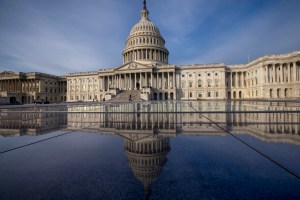
Cybersecurity firm: US Senate in Russian hackers’ crosshairs
Fancy Bear, the group whose hacking campaign scrambled the 2016 U.S. electoral contest, is “still very active — in making preparations at least — to influence public opinion again,” said Feike Hacquebord, a security researcher at Trend Micro Inc., which published the report. “They are looking for information they might leak later.”
-
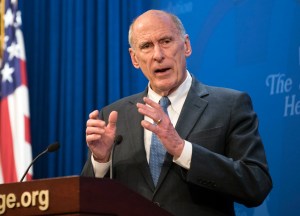
House reauthorizes spy program that helps prevent cyber attacks
The House on Thursday passed a bill to reauthorize a key foreign intelligence collection program that is often described as critical in helping prevent and unravel terrorist activity, including cyber attacks.
-

Where’s C3PO? Pentagon memo’s ‘Star Wars’ references disappear
References to “Star Wars” ― the movie, not the missile defense system ― apparently are not embraced by the Pentagon brass when it comes to official memos.
-
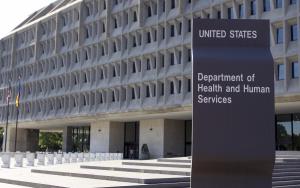
Congress to investigate alleged retaliation against HHS cyber whistleblowers
Members of the House Committee on Energy and Commerce are looking into whether the Department of Health and Human services retaliated against two cybersecurity employees who made protected communications to the committee by detailing them to unclassified duties.
-
House panel officially clears Trump, but finds Russian cyber interference
The Republican-led House intelligence committee on Friday released a lengthy report concluding it found no evidence that Donald Trump’s campaign colluded with Russia in the 2016 presidential campaign, a finding that drew praise from the president and rebuttals from Democrats.
-
The State Department might designate a cyber ambassador
A Department of State reauthorization bill includes a proposal to elevate a proposed Bureau for Cyberspace and the Digital Economy.
-
‘Hack the State Department’ legislation introduced in the House
The legislation would require the Secretary of State to develop a vulnerability disclosure and bug bounty program for the department’s public-facing websites.
-
Michigan legislature OKs exempting cybersecurity info from FOIA
Cybersecurity plans and vulnerabilities would be exempt from open-records requests under legislation approved by Michigan lawmakers Tuesday.
-
Cyber adversaries could benefit from State Department shortcomings
Experts said downgrading the Office of the Coordinator for Cyber Issues at the Department of State sends a message to foreign nations that hacking the U.S. may offer immediate rewards and delayed response.
-
Shutdown could make it harder to prevent cyberattacks
Prolonged budget debates in Congress can inhibit federal agencies’ ability to effectively implement phases of the DHS Continuous Diagnostics and Mitigation program, which helps monitor and protect government networks.
-
Cybersecurity firm: US Senate in Russian hackers’ crosshairs
Fancy Bear, the group whose hacking campaign scrambled the 2016 U.S. electoral contest, is “still very active — in making preparations at least — to influence public opinion again,” said Feike Hacquebord, a security researcher at Trend Micro Inc., which published the report. “They are looking for information they might leak later.”
-
House reauthorizes spy program that helps prevent cyber attacks
The House on Thursday passed a bill to reauthorize a key foreign intelligence collection program that is often described as critical in helping prevent and unravel terrorist activity, including cyber attacks.
-
Where’s C3PO? Pentagon memo’s ‘Star Wars’ references disappear
References to “Star Wars” ― the movie, not the missile defense system ― apparently are not embraced by the Pentagon brass when it comes to official memos.
-
Congress to investigate alleged retaliation against HHS cyber whistleblowers
Members of the House Committee on Energy and Commerce are looking into whether the Department of Health and Human services retaliated against two cybersecurity employees who made protected communications to the committee by detailing them to unclassified duties.
-
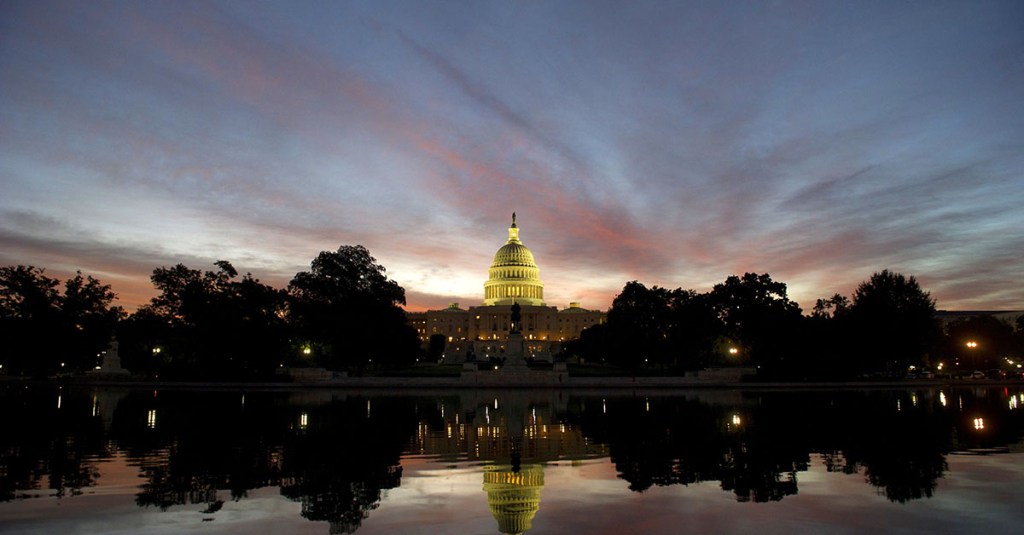
House panel officially clears Trump, but finds Russian cyber interference
The Republican-led House intelligence committee on Friday released a lengthy report concluding it found no evidence that Donald Trump’s campaign colluded with Russia in the 2016 presidential campaign, a finding that drew praise from the president and rebuttals from Democrats.
-
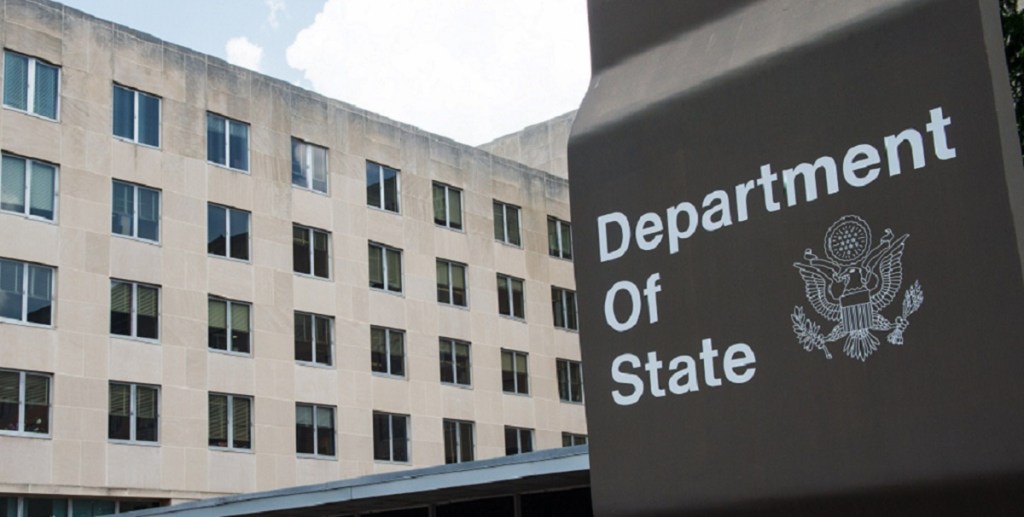
The State Department might designate a cyber ambassador
A Department of State reauthorization bill includes a proposal to elevate a proposed Bureau for Cyberspace and the Digital Economy.
-

‘Hack the State Department’ legislation introduced in the House
The legislation would require the Secretary of State to develop a vulnerability disclosure and bug bounty program for the department’s public-facing websites.
-

Michigan legislature OKs exempting cybersecurity info from FOIA
Cybersecurity plans and vulnerabilities would be exempt from open-records requests under legislation approved by Michigan lawmakers Tuesday.
-
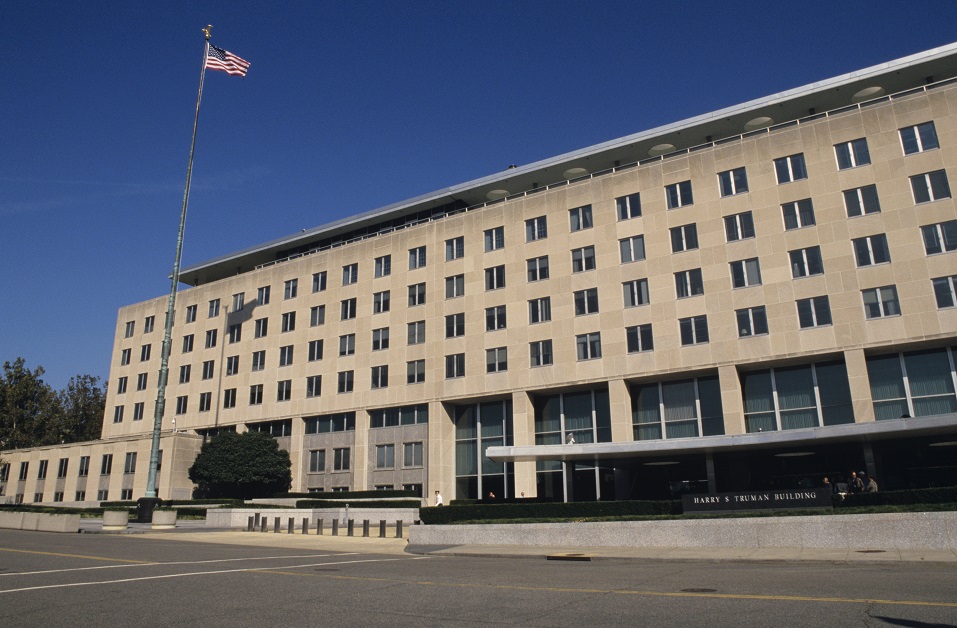
Cyber adversaries could benefit from State Department shortcomings
Experts said downgrading the Office of the Coordinator for Cyber Issues at the Department of State sends a message to foreign nations that hacking the U.S. may offer immediate rewards and delayed response.
-
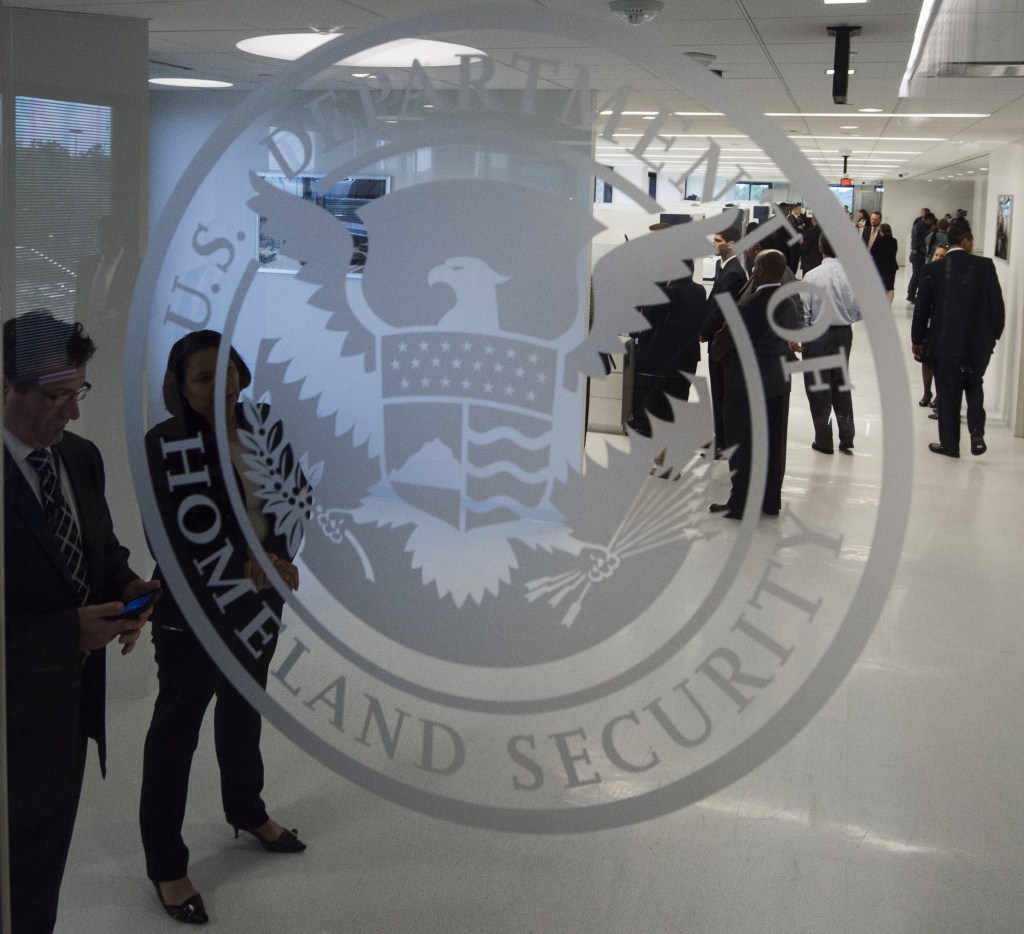
Shutdown could make it harder to prevent cyberattacks
Prolonged budget debates in Congress can inhibit federal agencies’ ability to effectively implement phases of the DHS Continuous Diagnostics and Mitigation program, which helps monitor and protect government networks.
-
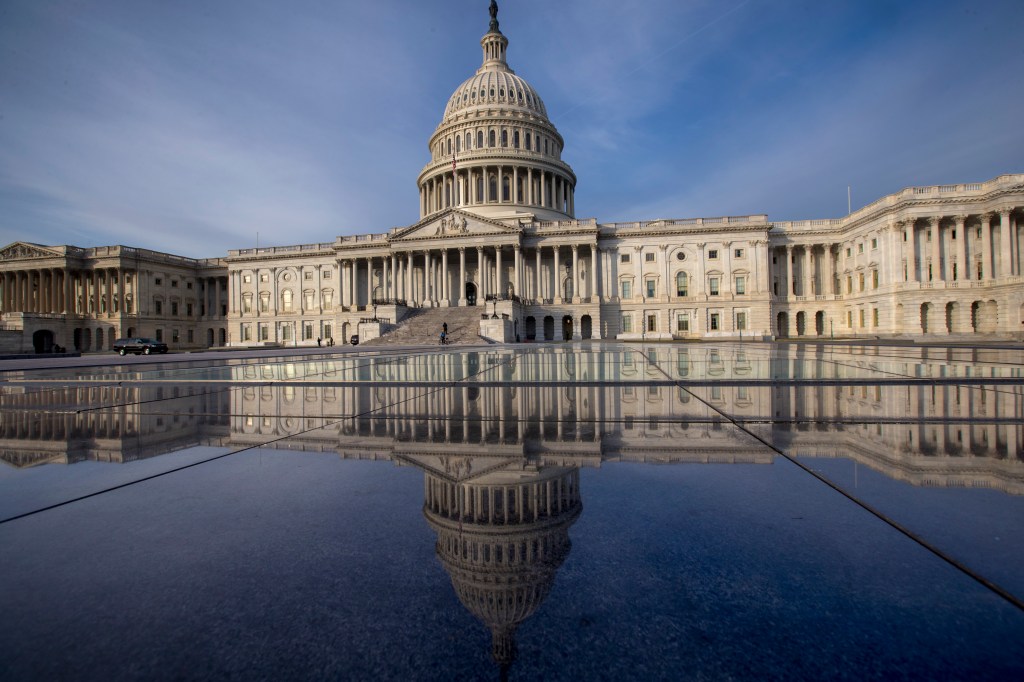
Cybersecurity firm: US Senate in Russian hackers’ crosshairs
Fancy Bear, the group whose hacking campaign scrambled the 2016 U.S. electoral contest, is “still very active — in making preparations at least — to influence public opinion again,” said Feike Hacquebord, a security researcher at Trend Micro Inc., which published the report. “They are looking for information they might leak later.”
-
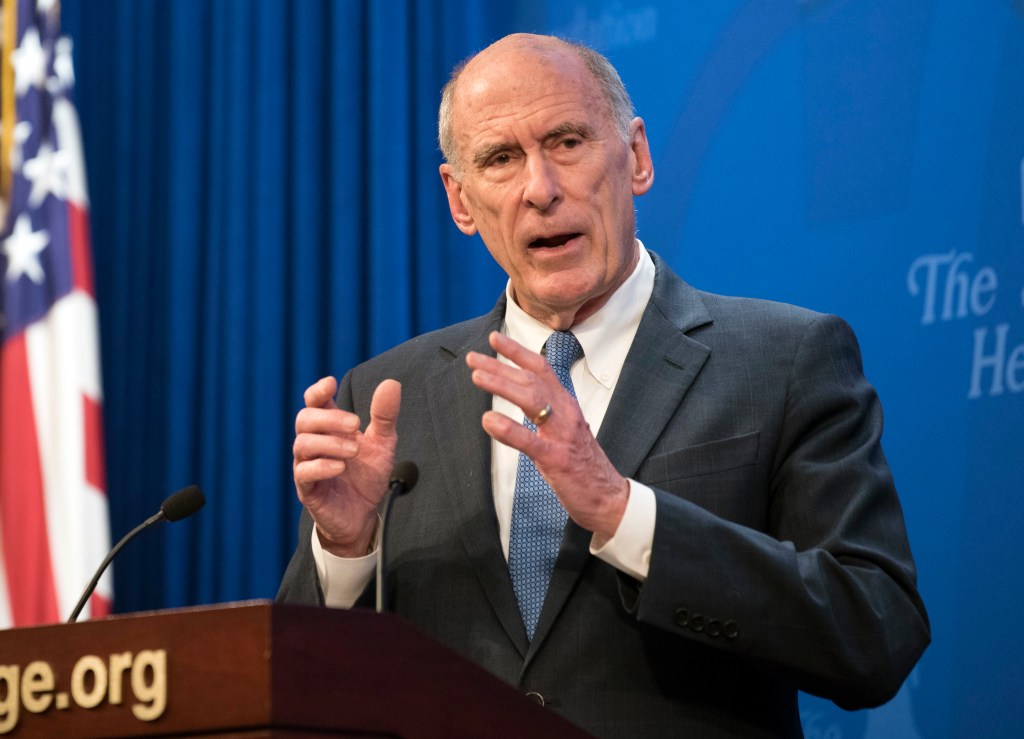
House reauthorizes spy program that helps prevent cyber attacks
The House on Thursday passed a bill to reauthorize a key foreign intelligence collection program that is often described as critical in helping prevent and unravel terrorist activity, including cyber attacks.
-

Where’s C3PO? Pentagon memo’s ‘Star Wars’ references disappear
References to “Star Wars” ― the movie, not the missile defense system ― apparently are not embraced by the Pentagon brass when it comes to official memos.
-
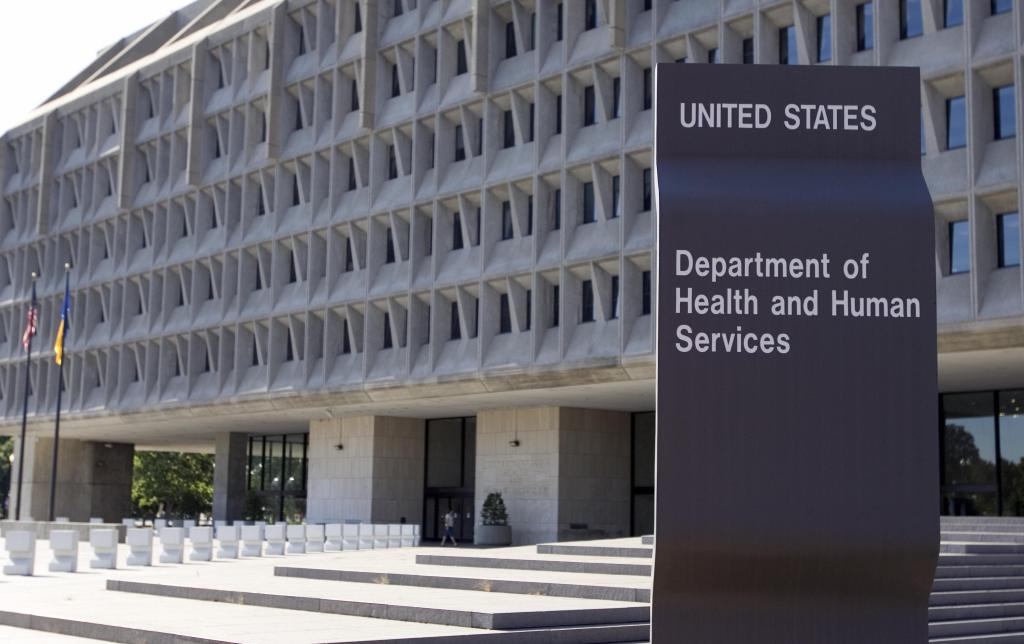
Congress to investigate alleged retaliation against HHS cyber whistleblowers
Members of the House Committee on Energy and Commerce are looking into whether the Department of Health and Human services retaliated against two cybersecurity employees who made protected communications to the committee by detailing them to unclassified duties.