-

Space Force wants 40% budget increase as it looks to bolster space-based missile warning
The service’s $24.5 billion fiscal 2022 budget request is weighted heavily in its research and development portfolio as it seeks to develop more resilient, capable architectures, particularly for space-based missile warning and tracking.
-
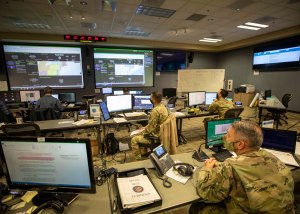
Pentagon wants to spend big on joint war-fighting systems
JADC2 investments are peppered throughout the budget proposal — from the services’ individual projects to AI and other emerging tech.
-

Space Force seeks sizeable budget increase, reflecting the domain’s importance
The increase of 13 percent over last year’s budget request includes the transfer of some satellite communications efforts from the U.S. Army and Navy.
-

Senate bill promises more funding for space-based hypersonic defense, but mum on details
A summary of the legislation says it will provide additional funding for the Hypersonic and Ballistic Tracking Space Sensor, but it does not say how much or clarify where that money will go.
-

Here’s what the White House wants to spend on IT
The White House’s IT budget proposal increased about $4 billion over last year’s request.
-

Corps looks to cut more than 2,000 active-duty Marines in 2021 budget
The changes intend to build a “more experienced, better trained, and more capable force,” the budget says.
-

Trump budget coming Feb. 10 — here’s what you can expect
The budget will arrive less than two months after FY20 funding was settled.
-

Esper points to $5 billion in ‘night court’ savings
The savings were identified following a review initiated by Defense Secretary Mark Esper in August, soon after his confirmation.
-

Independent estimate claims Space Force could cost up to $4.7B in start up costs
An independent analysis of the costs of launching and operating Space Force disputes the Department of Defense’s estimate that the new service could be launched for $2 billion over a five-year period.
-

Congress to Pentagon: Um, we asked you to buy tech faster
Espionage and open markets complicate a world where cutting-edge technology is no longer an exclusive domain of the Pentagon.
-
Space Force wants 40% budget increase as it looks to bolster space-based missile warning
The service’s $24.5 billion fiscal 2022 budget request is weighted heavily in its research and development portfolio as it seeks to develop more resilient, capable architectures, particularly for space-based missile warning and tracking.
-
Pentagon wants to spend big on joint war-fighting systems
JADC2 investments are peppered throughout the budget proposal — from the services’ individual projects to AI and other emerging tech.
-
Space Force seeks sizeable budget increase, reflecting the domain’s importance
The increase of 13 percent over last year’s budget request includes the transfer of some satellite communications efforts from the U.S. Army and Navy.
-
Senate bill promises more funding for space-based hypersonic defense, but mum on details
A summary of the legislation says it will provide additional funding for the Hypersonic and Ballistic Tracking Space Sensor, but it does not say how much or clarify where that money will go.
-
Here’s what the White House wants to spend on IT
The White House’s IT budget proposal increased about $4 billion over last year’s request.
-
Corps looks to cut more than 2,000 active-duty Marines in 2021 budget
The changes intend to build a “more experienced, better trained, and more capable force,” the budget says.
-
Trump budget coming Feb. 10 — here’s what you can expect
The budget will arrive less than two months after FY20 funding was settled.
-
Esper points to $5 billion in ‘night court’ savings
The savings were identified following a review initiated by Defense Secretary Mark Esper in August, soon after his confirmation.
-
Independent estimate claims Space Force could cost up to $4.7B in start up costs
An independent analysis of the costs of launching and operating Space Force disputes the Department of Defense’s estimate that the new service could be launched for $2 billion over a five-year period.
-
Congress to Pentagon: Um, we asked you to buy tech faster
Espionage and open markets complicate a world where cutting-edge technology is no longer an exclusive domain of the Pentagon.
-

Space Force wants 40% budget increase as it looks to bolster space-based missile warning
The service’s $24.5 billion fiscal 2022 budget request is weighted heavily in its research and development portfolio as it seeks to develop more resilient, capable architectures, particularly for space-based missile warning and tracking.
-
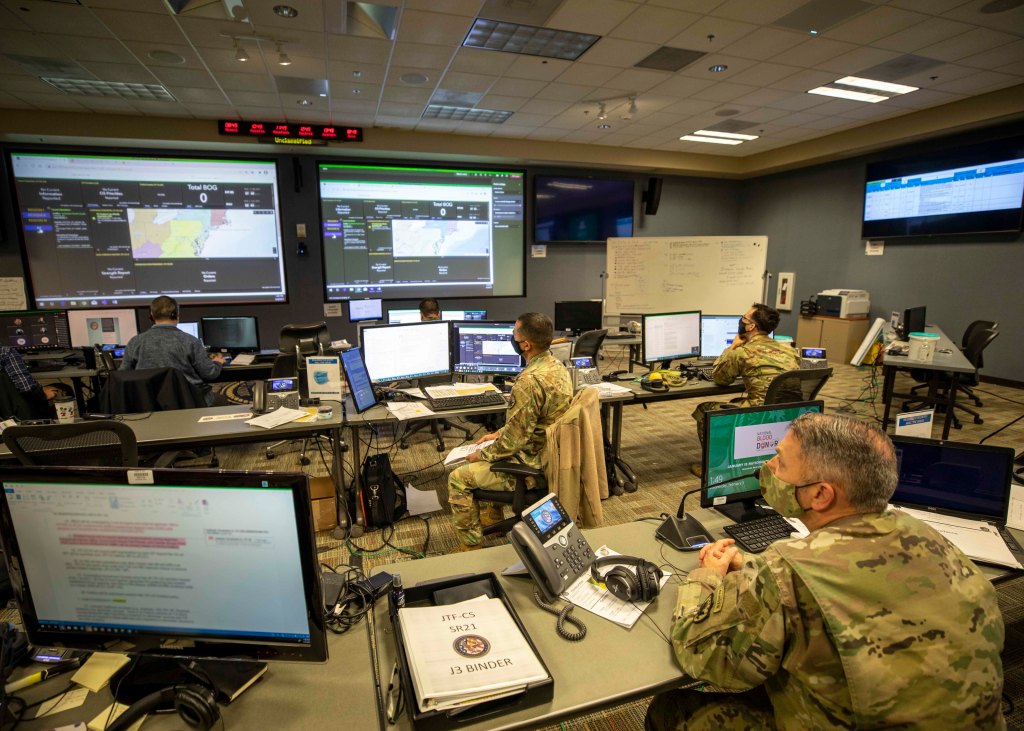
Pentagon wants to spend big on joint war-fighting systems
JADC2 investments are peppered throughout the budget proposal — from the services’ individual projects to AI and other emerging tech.
-

Space Force seeks sizeable budget increase, reflecting the domain’s importance
The increase of 13 percent over last year’s budget request includes the transfer of some satellite communications efforts from the U.S. Army and Navy.
-
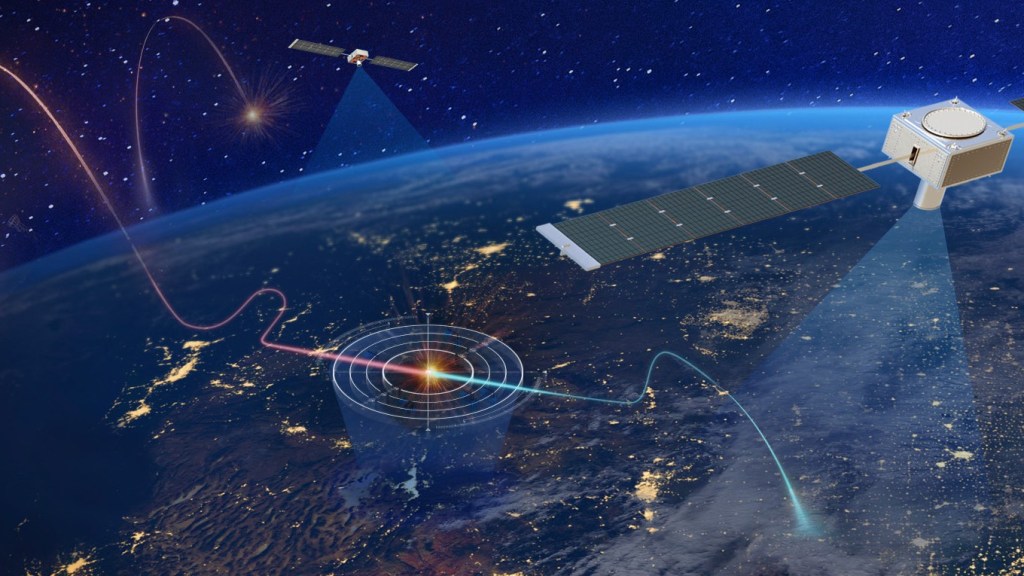
Senate bill promises more funding for space-based hypersonic defense, but mum on details
A summary of the legislation says it will provide additional funding for the Hypersonic and Ballistic Tracking Space Sensor, but it does not say how much or clarify where that money will go.
-

Here’s what the White House wants to spend on IT
The White House’s IT budget proposal increased about $4 billion over last year’s request.
-

Corps looks to cut more than 2,000 active-duty Marines in 2021 budget
The changes intend to build a “more experienced, better trained, and more capable force,” the budget says.
-

Trump budget coming Feb. 10 — here’s what you can expect
The budget will arrive less than two months after FY20 funding was settled.
-

Esper points to $5 billion in ‘night court’ savings
The savings were identified following a review initiated by Defense Secretary Mark Esper in August, soon after his confirmation.
-

Independent estimate claims Space Force could cost up to $4.7B in start up costs
An independent analysis of the costs of launching and operating Space Force disputes the Department of Defense’s estimate that the new service could be launched for $2 billion over a five-year period.
-
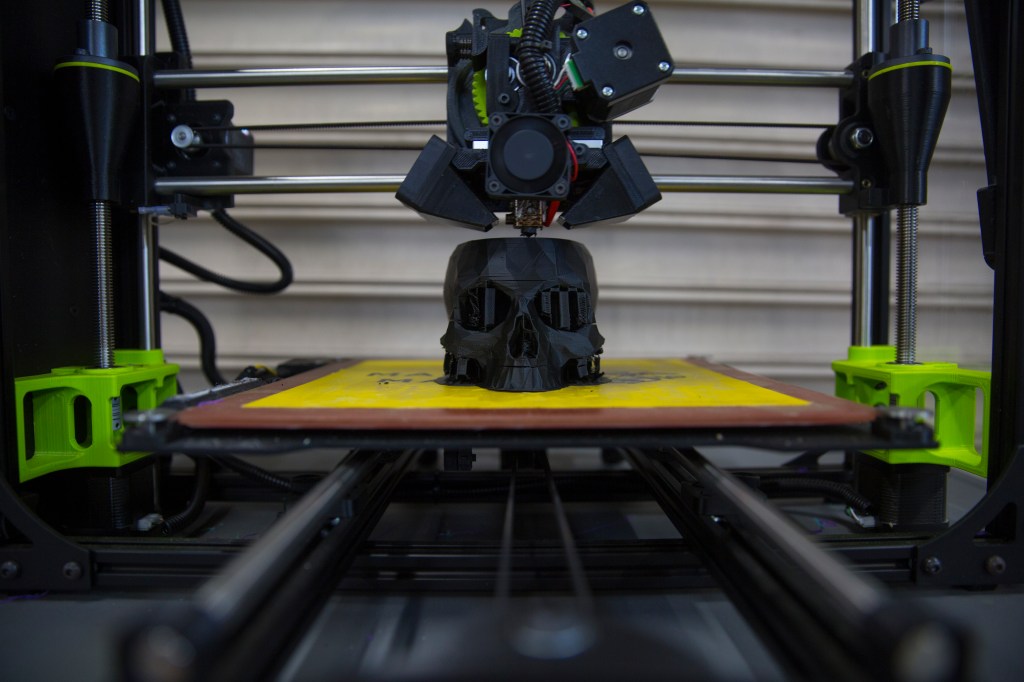
Congress to Pentagon: Um, we asked you to buy tech faster
Espionage and open markets complicate a world where cutting-edge technology is no longer an exclusive domain of the Pentagon.