-
Biden to set cybersecurity standards for nation’s ports
Hostile activity in cyberspace — from spying to the use of malware that disrupts infrastructure — has become a hallmark of modern geopolitical rivalry.
-

Future soldier resupply could rely on AI-powered logistics, robo-boats
New watercraft are key to the Army’s resupply, logistical plans for future combat.
-

Adopt a treaty for semiconductor export control
The absence of a robust global semiconductor export control regime leaves the United States vulnerable in the technological race.
-

Intel community tools can speed AI adoption
Global security is constantly changing and existing AI tools can give America’s warfighters faster recognition and decision advantage.
-

AI companies to start safety test reports under Defense Production Act
The Biden administration also is looking at congressional legislation and working with other countries and the EU on rules for managing the technology.
-

Secretive surveillance flights keep close watch on Russia and Ukraine
NATO policing of its airspace has ramped up since the Russian invasion of Ukraine almost two years ago.
-

Pentagon rewrites space classification policy to improve info-sharing
The policy, approved in late December, is itself classified, according to the Pentagon’s assistant secretary of defense for space policy.
-

The biggest CJADC2 opportunity isn’t AI, it’s true interoperability
The conflicts of the 21st century require unprecedented global coordination as threats operate across geographies, borders, and digital platforms.
-

Protecting those below the cyber-poverty line is critical to everyone
Whatever resources these countries and organizations have devoted to cybersecurity, they are less than what is optimal.
-

In search of a zero trust solution for critical defense infrastructure
The Military Internet of Things remains a large, relatively unprotected attack surface area for adversaries looking to compromise U.S. defense operations.
-
Biden to set cybersecurity standards for nation’s ports
Hostile activity in cyberspace — from spying to the use of malware that disrupts infrastructure — has become a hallmark of modern geopolitical rivalry.
-
Future soldier resupply could rely on AI-powered logistics, robo-boats
New watercraft are key to the Army’s resupply, logistical plans for future combat.
-
Adopt a treaty for semiconductor export control
The absence of a robust global semiconductor export control regime leaves the United States vulnerable in the technological race.
-
Intel community tools can speed AI adoption
Global security is constantly changing and existing AI tools can give America’s warfighters faster recognition and decision advantage.
-
AI companies to start safety test reports under Defense Production Act
The Biden administration also is looking at congressional legislation and working with other countries and the EU on rules for managing the technology.
-
Secretive surveillance flights keep close watch on Russia and Ukraine
NATO policing of its airspace has ramped up since the Russian invasion of Ukraine almost two years ago.
-
Pentagon rewrites space classification policy to improve info-sharing
The policy, approved in late December, is itself classified, according to the Pentagon’s assistant secretary of defense for space policy.
-
The biggest CJADC2 opportunity isn’t AI, it’s true interoperability
The conflicts of the 21st century require unprecedented global coordination as threats operate across geographies, borders, and digital platforms.
-
Protecting those below the cyber-poverty line is critical to everyone
Whatever resources these countries and organizations have devoted to cybersecurity, they are less than what is optimal.
-
In search of a zero trust solution for critical defense infrastructure
The Military Internet of Things remains a large, relatively unprotected attack surface area for adversaries looking to compromise U.S. defense operations.
-
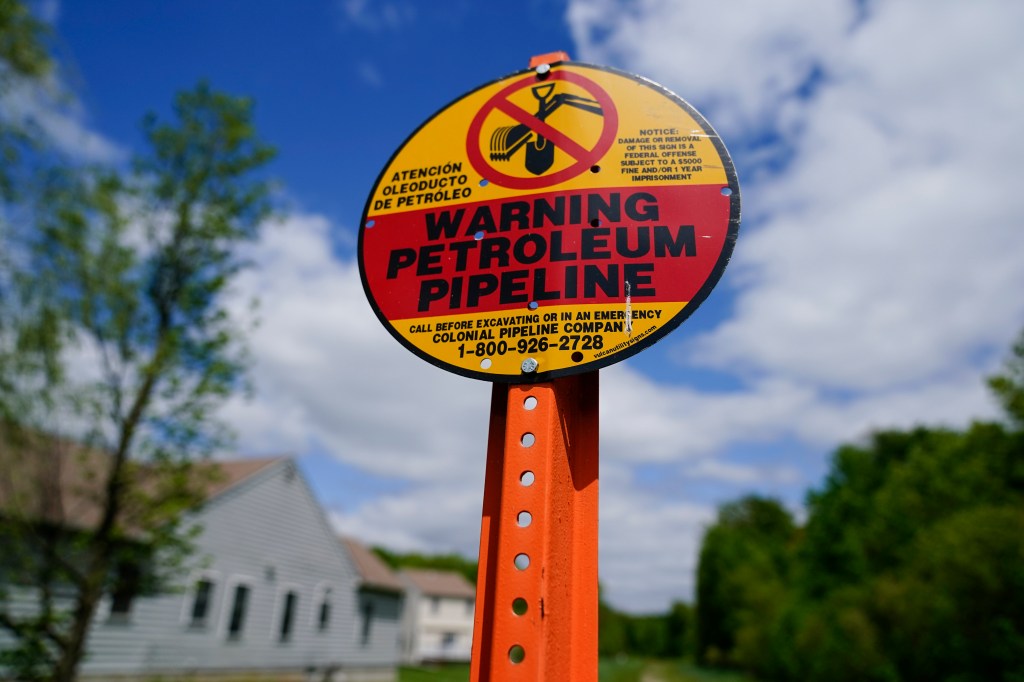
Biden to set cybersecurity standards for nation’s ports
Hostile activity in cyberspace — from spying to the use of malware that disrupts infrastructure — has become a hallmark of modern geopolitical rivalry.
-
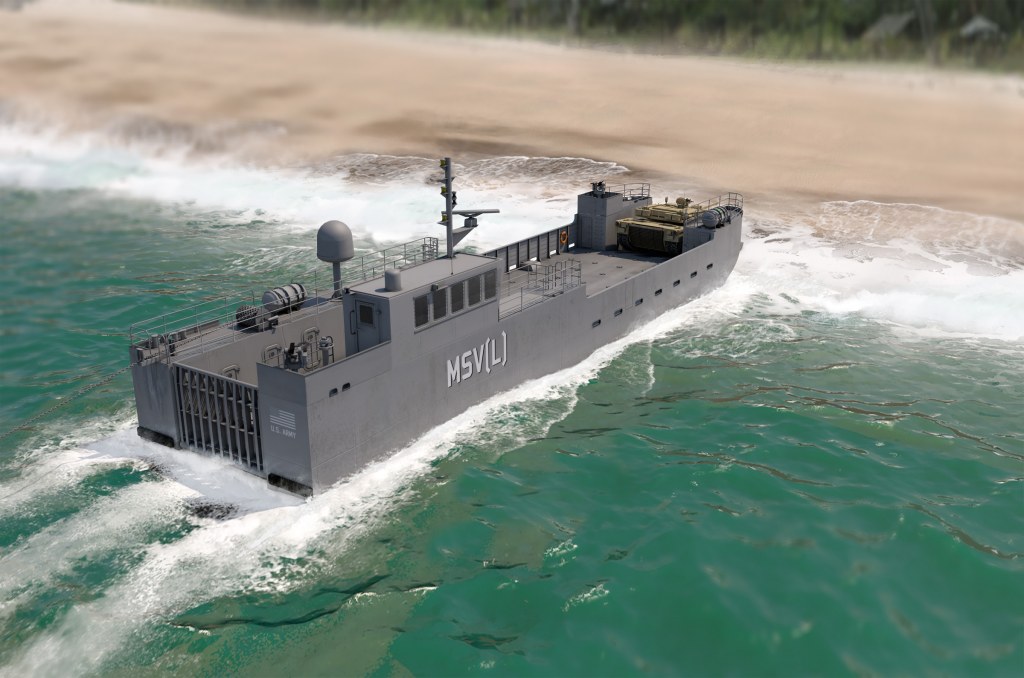
Future soldier resupply could rely on AI-powered logistics, robo-boats
New watercraft are key to the Army’s resupply, logistical plans for future combat.
-

Adopt a treaty for semiconductor export control
The absence of a robust global semiconductor export control regime leaves the United States vulnerable in the technological race.
-

Intel community tools can speed AI adoption
Global security is constantly changing and existing AI tools can give America’s warfighters faster recognition and decision advantage.
-

AI companies to start safety test reports under Defense Production Act
The Biden administration also is looking at congressional legislation and working with other countries and the EU on rules for managing the technology.
-

Secretive surveillance flights keep close watch on Russia and Ukraine
NATO policing of its airspace has ramped up since the Russian invasion of Ukraine almost two years ago.
-

Pentagon rewrites space classification policy to improve info-sharing
The policy, approved in late December, is itself classified, according to the Pentagon’s assistant secretary of defense for space policy.
-

The biggest CJADC2 opportunity isn’t AI, it’s true interoperability
The conflicts of the 21st century require unprecedented global coordination as threats operate across geographies, borders, and digital platforms.
-

Protecting those below the cyber-poverty line is critical to everyone
Whatever resources these countries and organizations have devoted to cybersecurity, they are less than what is optimal.
-
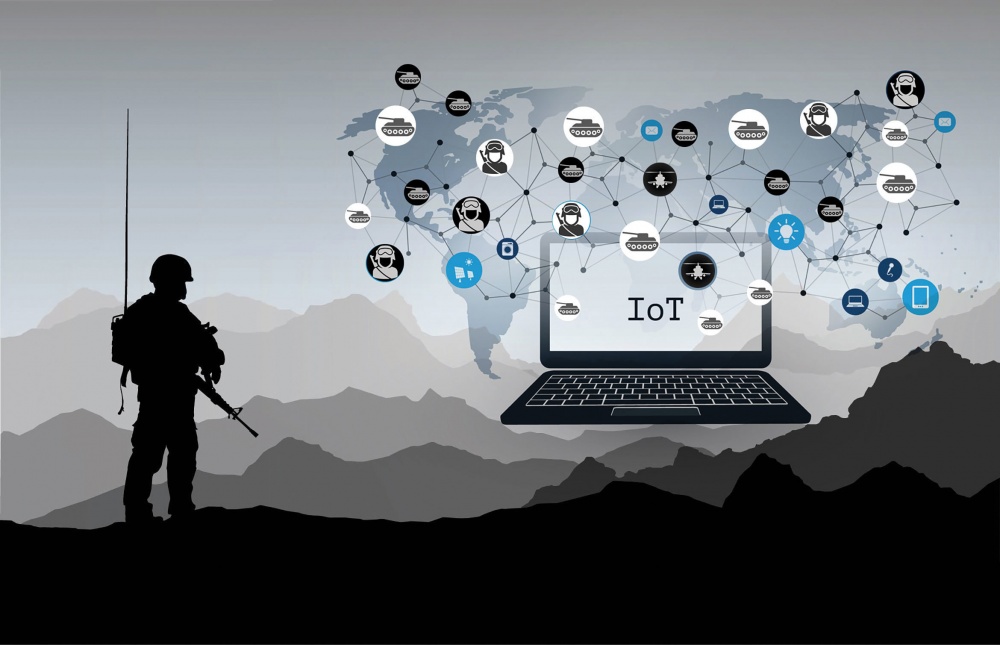
In search of a zero trust solution for critical defense infrastructure
The Military Internet of Things remains a large, relatively unprotected attack surface area for adversaries looking to compromise U.S. defense operations.