-

Pentagon makes progress on Zero Trust, but next steps will be critical
Not everyone has the in-house expertise or technology that DISA does, but everyone has the capabilities to pick a place to start and make progress.
-

UK says Russia behind cyber espionage aimed at undermining democracy
FSB targeted British parliamentarians from at least 2015 to this year and selectively leaked and amplified sensitive information, the Foreign Office said.
-

Eight contract opportunities to watch in FY24
There are several major U.S. defense competitions expected in fiscal 2024, with just these eight estimated to be worth a total of $61.9 billion.
-

Failure to renew spy program would be ‘devastating,’ FBI chief says
Section 702 of the Foreign Intelligence Surveillance Act allows the U.S. government to collect data without a warrant.
-

AUKUS can work without gutting US export control laws
The AUKUS-versus-ITAR debate is a false dilemma created by industry and some in Congress, argue analysts Paul Esau and Valerie Lincy.
-

The challenge of adding governance as a pillar of cybersecurity
The new framework expands past critical infrastructure and reflects a structure for all organizations, no matter size, industry or region.
-

The case for LEO satellite connectivity in $50 billion EIS contract
The contracting vehicle is designed to enable federal agencies to procure mission-critical telecommunications, infrastructure and technology services.
-
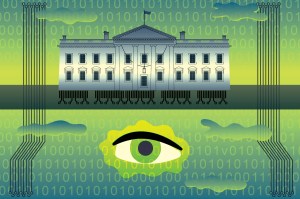
5 steps to better artificial intelligence procurement
Over the past 75 years or so, we have come simply to accept that policy lags technology.
-

Pentagon seeks to rapidly build up information-warfare force
Emerging technologies play a critical role in both waging and foiling influence campaigns, according to the Defense Department’s strategy.
-
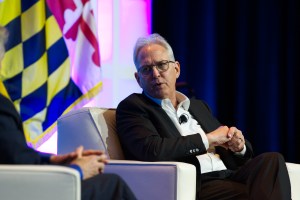
Pentagon AI boss seeks ‘justified confidence’ to take tech into battle
Not a soldier but a data scientist, Martell headed machine-learning at companies including LinkedIn, Dropbox and Lyft before taking the job last year.
-
Pentagon makes progress on Zero Trust, but next steps will be critical
Not everyone has the in-house expertise or technology that DISA does, but everyone has the capabilities to pick a place to start and make progress.
-
UK says Russia behind cyber espionage aimed at undermining democracy
FSB targeted British parliamentarians from at least 2015 to this year and selectively leaked and amplified sensitive information, the Foreign Office said.
-
Eight contract opportunities to watch in FY24
There are several major U.S. defense competitions expected in fiscal 2024, with just these eight estimated to be worth a total of $61.9 billion.
-
Failure to renew spy program would be ‘devastating,’ FBI chief says
Section 702 of the Foreign Intelligence Surveillance Act allows the U.S. government to collect data without a warrant.
-
AUKUS can work without gutting US export control laws
The AUKUS-versus-ITAR debate is a false dilemma created by industry and some in Congress, argue analysts Paul Esau and Valerie Lincy.
-
The challenge of adding governance as a pillar of cybersecurity
The new framework expands past critical infrastructure and reflects a structure for all organizations, no matter size, industry or region.
-
The case for LEO satellite connectivity in $50 billion EIS contract
The contracting vehicle is designed to enable federal agencies to procure mission-critical telecommunications, infrastructure and technology services.
-
5 steps to better artificial intelligence procurement
Over the past 75 years or so, we have come simply to accept that policy lags technology.
-
Pentagon seeks to rapidly build up information-warfare force
Emerging technologies play a critical role in both waging and foiling influence campaigns, according to the Defense Department’s strategy.
-
Pentagon AI boss seeks ‘justified confidence’ to take tech into battle
Not a soldier but a data scientist, Martell headed machine-learning at companies including LinkedIn, Dropbox and Lyft before taking the job last year.
-

Pentagon makes progress on Zero Trust, but next steps will be critical
Not everyone has the in-house expertise or technology that DISA does, but everyone has the capabilities to pick a place to start and make progress.
-

UK says Russia behind cyber espionage aimed at undermining democracy
FSB targeted British parliamentarians from at least 2015 to this year and selectively leaked and amplified sensitive information, the Foreign Office said.
-

Eight contract opportunities to watch in FY24
There are several major U.S. defense competitions expected in fiscal 2024, with just these eight estimated to be worth a total of $61.9 billion.
-
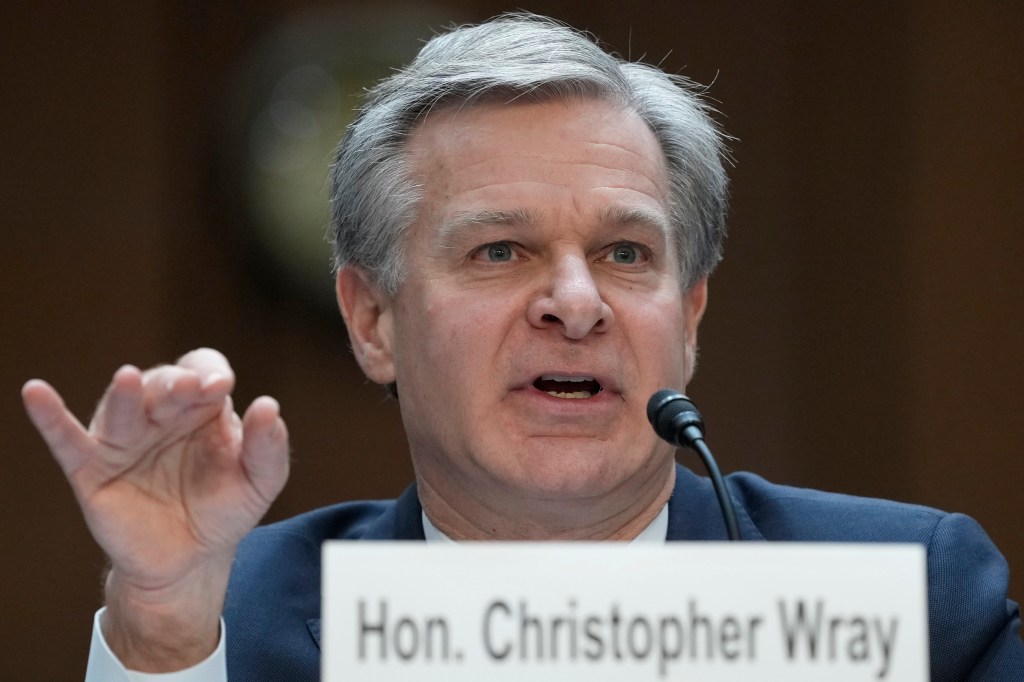
Failure to renew spy program would be ‘devastating,’ FBI chief says
Section 702 of the Foreign Intelligence Surveillance Act allows the U.S. government to collect data without a warrant.
-

AUKUS can work without gutting US export control laws
The AUKUS-versus-ITAR debate is a false dilemma created by industry and some in Congress, argue analysts Paul Esau and Valerie Lincy.
-

The challenge of adding governance as a pillar of cybersecurity
The new framework expands past critical infrastructure and reflects a structure for all organizations, no matter size, industry or region.
-
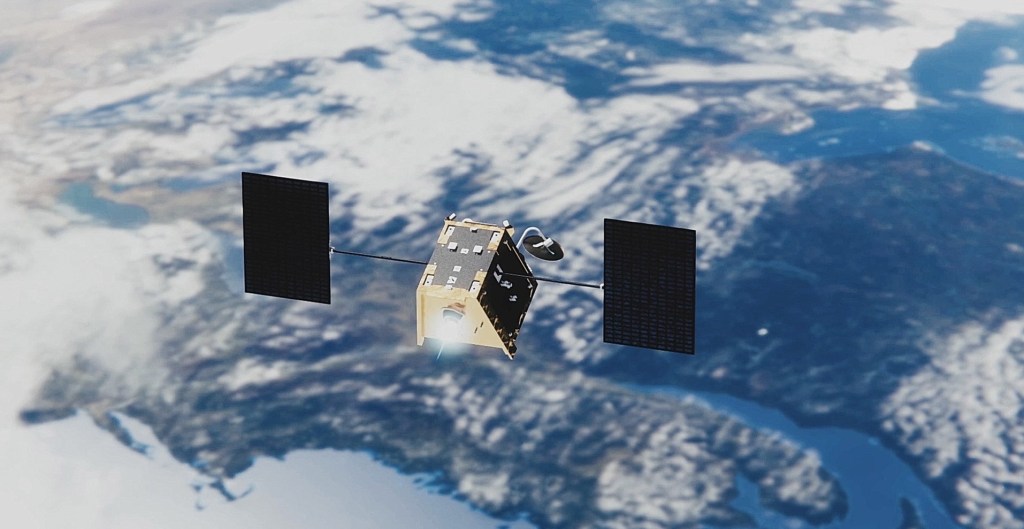
The case for LEO satellite connectivity in $50 billion EIS contract
The contracting vehicle is designed to enable federal agencies to procure mission-critical telecommunications, infrastructure and technology services.
-

5 steps to better artificial intelligence procurement
Over the past 75 years or so, we have come simply to accept that policy lags technology.
-

Pentagon seeks to rapidly build up information-warfare force
Emerging technologies play a critical role in both waging and foiling influence campaigns, according to the Defense Department’s strategy.
-
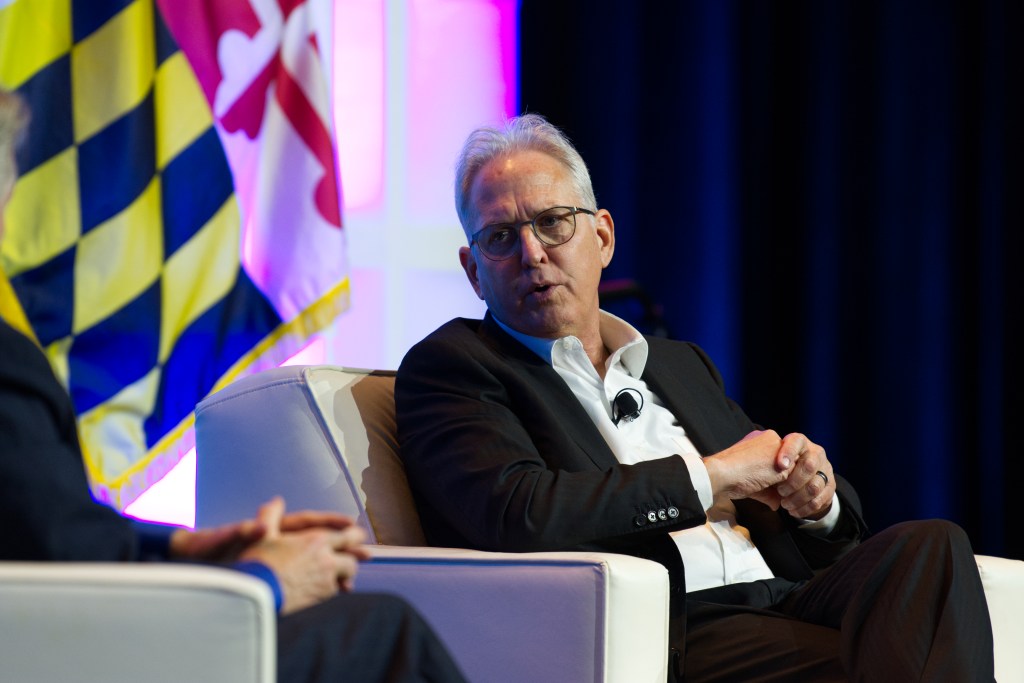
Pentagon AI boss seeks ‘justified confidence’ to take tech into battle
Not a soldier but a data scientist, Martell headed machine-learning at companies including LinkedIn, Dropbox and Lyft before taking the job last year.