-

How the Air Force data strategy is evolving
Lt. Gen. VeraLinn “Dash” Jamieson, the deputy chief of staff for ISR, explains the genesis for the Air Force’s new “Next Generation ISR Dominance Flight Plan,” which lays out the service’s goals for the next 10 years.
-
What will top the Space Force to-do list?
If Congress moves forward with a Space Force, protecting GPS satellites will inevitably be one of the service’s top priorities. Here’s why …
-

America’s new intelligence research chief wants to predict cyberattacks. Can it work?
In her first comments as IARPA chief, the new director of the intelligence community’s research arm emphasized machine learning to forecast cyberattacks.
-
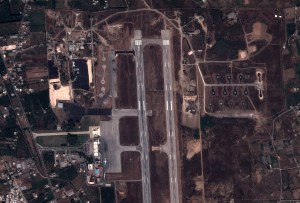
NGA offers $15,000 in prizes for imagery technology
The Rapid Image Colorization challenge is seeking an algorithm to colorize panchromatic images.
-
To update key databases, NGA looks at $1.5B in contracts
JANUS updates and maintains geospatial databases which can be accessed by NGA’s data partners including the intelligence community and military.
-
Want satellite imagery but not satellites? This company can help.
The subscription-based service would offer access to 10-satellite constellations for customized images and data.
-

NGA’s first chief technology officer steps down
As CTO, Vinci reported directly to the director and deputy director of NGA, as opposed to the chief information officer. Vinci’s role focused on increasing the NGA’s ability to use and integrate new technology.
-
How the Pentagon can learn from the Hawaiian volcanoes
Experts say the lessons learned from the volcanoes on Hawaii could have implications for future military drone operations.
-

Think tank and intelligence agency partner for public reports on North Korea
A new partnership between CSIS and NGA promises more open source information on North Korea.
-

How intel agencies can win over skeptics in Silicon Valley
In light of protest over the Pentagon’s use of AI, Defense and intelligence agencies have to rethink how to sell their mission to Silicon Valley.
-
How the Air Force data strategy is evolving
Lt. Gen. VeraLinn “Dash” Jamieson, the deputy chief of staff for ISR, explains the genesis for the Air Force’s new “Next Generation ISR Dominance Flight Plan,” which lays out the service’s goals for the next 10 years.
-
What will top the Space Force to-do list?
If Congress moves forward with a Space Force, protecting GPS satellites will inevitably be one of the service’s top priorities. Here’s why …
-
America’s new intelligence research chief wants to predict cyberattacks. Can it work?
In her first comments as IARPA chief, the new director of the intelligence community’s research arm emphasized machine learning to forecast cyberattacks.
-
NGA offers $15,000 in prizes for imagery technology
The Rapid Image Colorization challenge is seeking an algorithm to colorize panchromatic images.
-
To update key databases, NGA looks at $1.5B in contracts
JANUS updates and maintains geospatial databases which can be accessed by NGA’s data partners including the intelligence community and military.
-
Want satellite imagery but not satellites? This company can help.
The subscription-based service would offer access to 10-satellite constellations for customized images and data.
-
NGA’s first chief technology officer steps down
As CTO, Vinci reported directly to the director and deputy director of NGA, as opposed to the chief information officer. Vinci’s role focused on increasing the NGA’s ability to use and integrate new technology.
-
How the Pentagon can learn from the Hawaiian volcanoes
Experts say the lessons learned from the volcanoes on Hawaii could have implications for future military drone operations.
-
Think tank and intelligence agency partner for public reports on North Korea
A new partnership between CSIS and NGA promises more open source information on North Korea.
-
How intel agencies can win over skeptics in Silicon Valley
In light of protest over the Pentagon’s use of AI, Defense and intelligence agencies have to rethink how to sell their mission to Silicon Valley.
-

How the Air Force data strategy is evolving
Lt. Gen. VeraLinn “Dash” Jamieson, the deputy chief of staff for ISR, explains the genesis for the Air Force’s new “Next Generation ISR Dominance Flight Plan,” which lays out the service’s goals for the next 10 years.
-
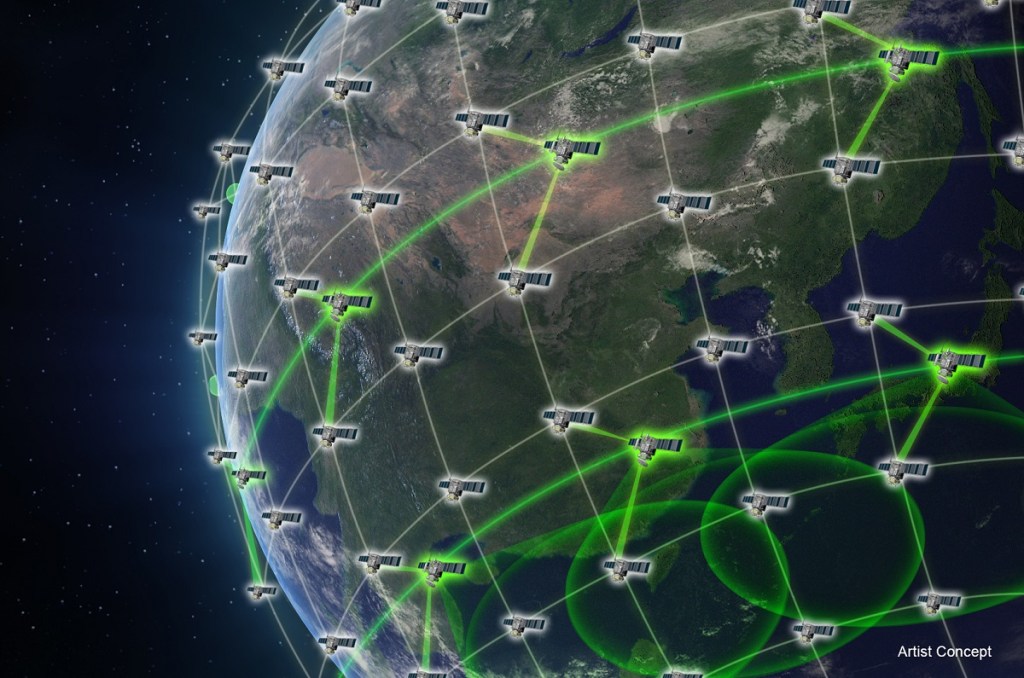
What will top the Space Force to-do list?
If Congress moves forward with a Space Force, protecting GPS satellites will inevitably be one of the service’s top priorities. Here’s why …
-

America’s new intelligence research chief wants to predict cyberattacks. Can it work?
In her first comments as IARPA chief, the new director of the intelligence community’s research arm emphasized machine learning to forecast cyberattacks.
-
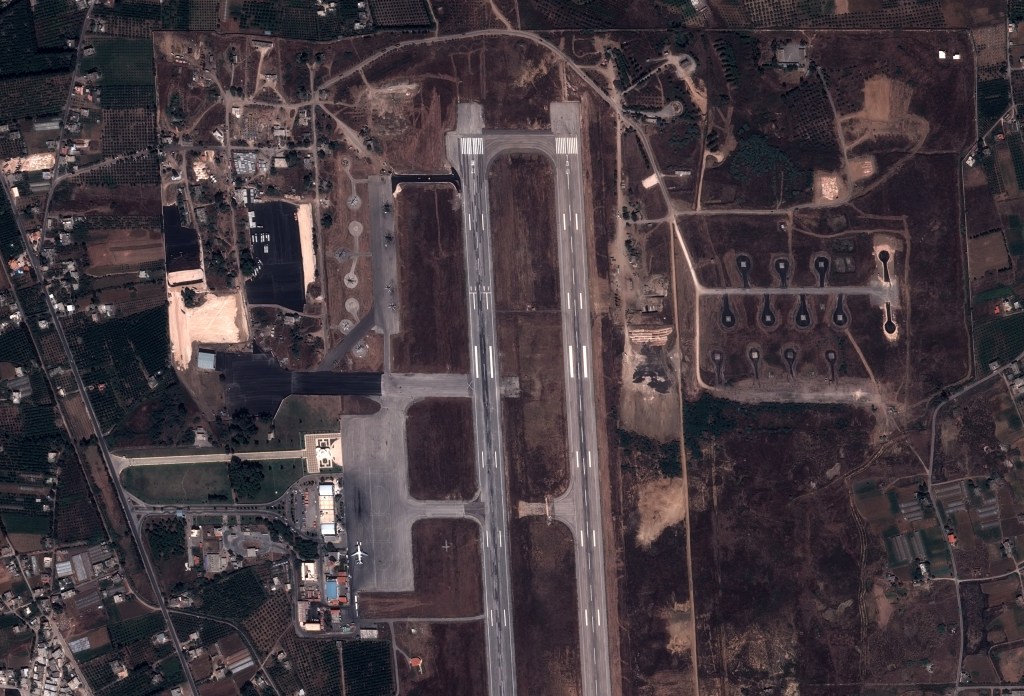
NGA offers $15,000 in prizes for imagery technology
The Rapid Image Colorization challenge is seeking an algorithm to colorize panchromatic images.
-
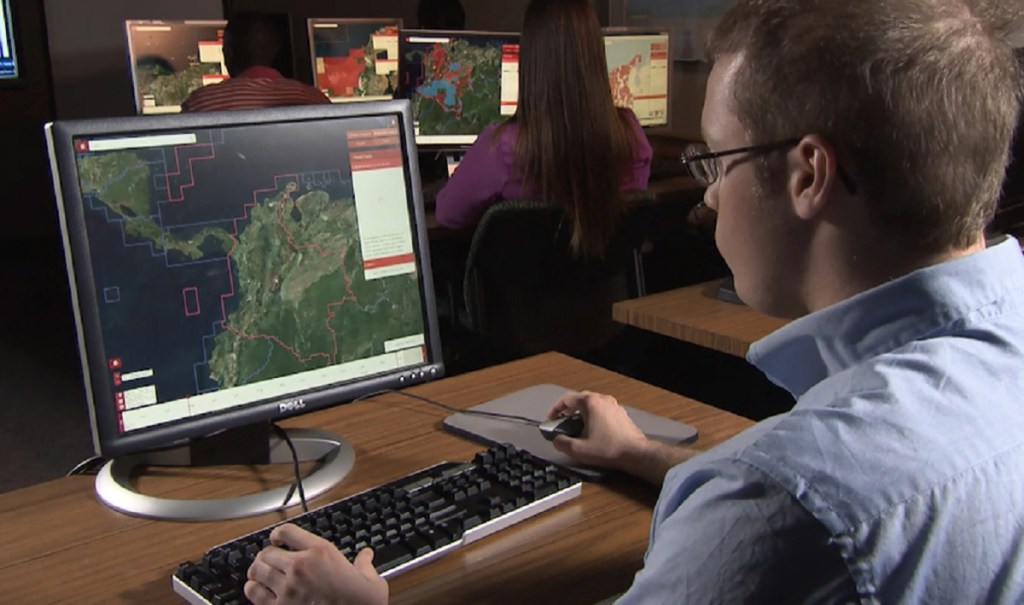
To update key databases, NGA looks at $1.5B in contracts
JANUS updates and maintains geospatial databases which can be accessed by NGA’s data partners including the intelligence community and military.
-
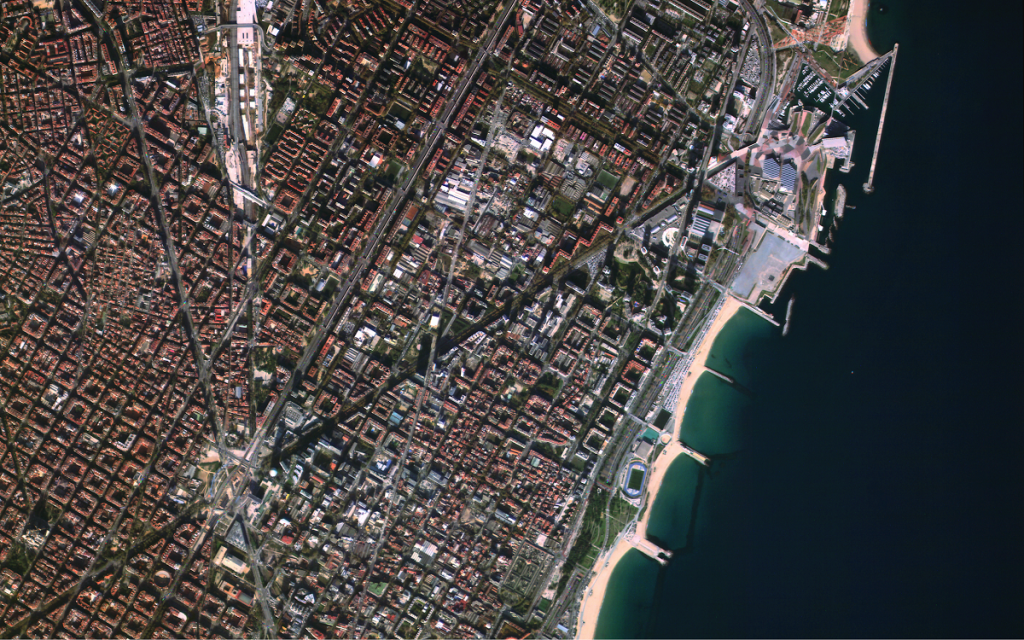
Want satellite imagery but not satellites? This company can help.
The subscription-based service would offer access to 10-satellite constellations for customized images and data.
-

NGA’s first chief technology officer steps down
As CTO, Vinci reported directly to the director and deputy director of NGA, as opposed to the chief information officer. Vinci’s role focused on increasing the NGA’s ability to use and integrate new technology.
-
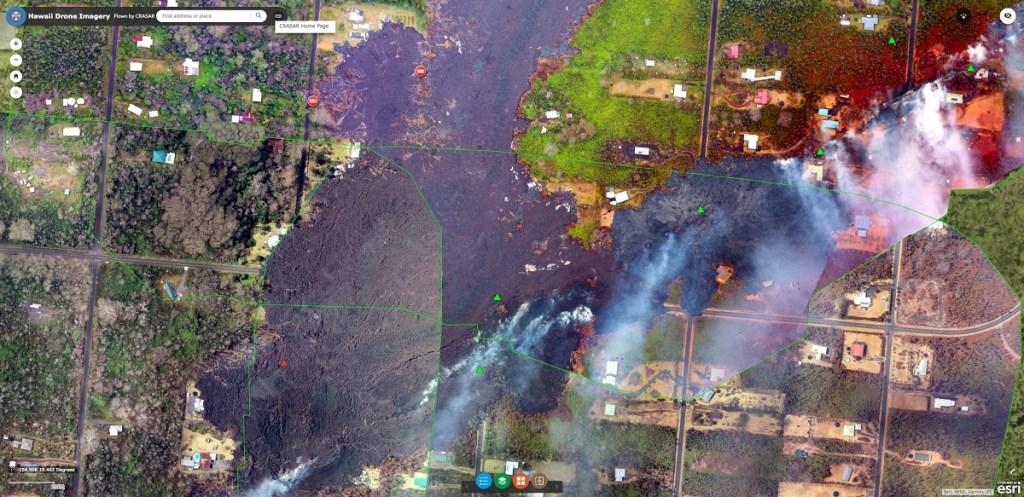
How the Pentagon can learn from the Hawaiian volcanoes
Experts say the lessons learned from the volcanoes on Hawaii could have implications for future military drone operations.
-

Think tank and intelligence agency partner for public reports on North Korea
A new partnership between CSIS and NGA promises more open source information on North Korea.
-
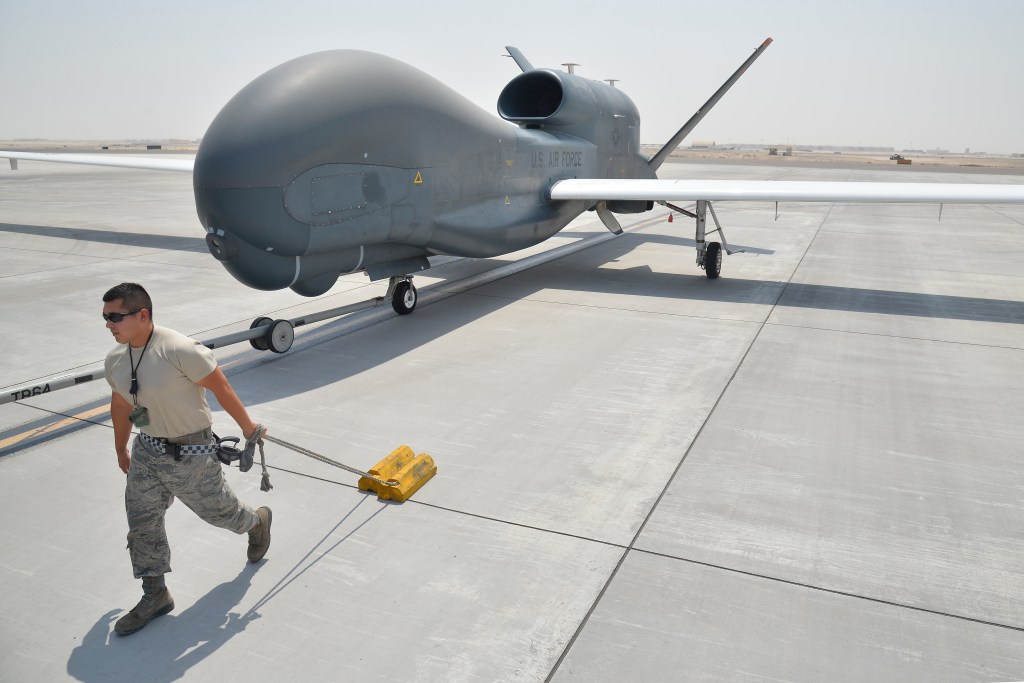
How intel agencies can win over skeptics in Silicon Valley
In light of protest over the Pentagon’s use of AI, Defense and intelligence agencies have to rethink how to sell their mission to Silicon Valley.