-

DoD must act like a startup
Perhaps part of the answer to addressing the cyberthreat environment is for the defense and intelligence organizations and industry players to think and act like a startup.
-

Changing cyber access on state and local levels
Receiving sensitive and sometimes classified cyber intelligence is critical to addressing the growing cyberthreats that target state and local government systems.
-

Streamlining national security decisions
Will our decision-making process around national security be streamlined? If so, there must be balance between speed and making sure we are right.
-

Is the STEM shortage a national security issue?
Here’s what I discovered after looking into the challenge involved in recruiting STEM resources.
-

Keeping up and getting ahead
Agility, creativity, innovation and adaptability are essential attributes for all those involved in security, defense and intelligence.
-

Cyber should have a place in organizational structures
There is little doubt that cyber impacts military strategy, policy, decision-making, training, equipment/weapons and organizational operations. Given the magnitude of impact, it should be organizationally addressed.
-

CD is back in the news
Continued concerns about the use of a nuclear weapon and an increase in concern about the use of an EMP against the U.S. have revived the civil defense brand.
-

Surprise: Cyber presents serious environmental consequences
Too often cyber talk overlooks potential for devastating cascading effects.
-

Talk is cheap — what we need is more action
As Sen. John McCain said: “Threats to the United States in cyberspace continue to grow in scope and severity. But our nation remains woefully unprepared to address these threats, which will be a defining feature of 21st century warfare.”
-
DoD must act like a startup
Perhaps part of the answer to addressing the cyberthreat environment is for the defense and intelligence organizations and industry players to think and act like a startup.
-
Changing cyber access on state and local levels
Receiving sensitive and sometimes classified cyber intelligence is critical to addressing the growing cyberthreats that target state and local government systems.
-
Streamlining national security decisions
Will our decision-making process around national security be streamlined? If so, there must be balance between speed and making sure we are right.
-
Is the STEM shortage a national security issue?
Here’s what I discovered after looking into the challenge involved in recruiting STEM resources.
-
Keeping up and getting ahead
Agility, creativity, innovation and adaptability are essential attributes for all those involved in security, defense and intelligence.
-
Cyber should have a place in organizational structures
There is little doubt that cyber impacts military strategy, policy, decision-making, training, equipment/weapons and organizational operations. Given the magnitude of impact, it should be organizationally addressed.
-

Communications: It’s all about mobile data
Data must answer the call of duty.
-
CD is back in the news
Continued concerns about the use of a nuclear weapon and an increase in concern about the use of an EMP against the U.S. have revived the civil defense brand.
-
Surprise: Cyber presents serious environmental consequences
Too often cyber talk overlooks potential for devastating cascading effects.
-
Talk is cheap — what we need is more action
As Sen. John McCain said: “Threats to the United States in cyberspace continue to grow in scope and severity. But our nation remains woefully unprepared to address these threats, which will be a defining feature of 21st century warfare.”
-

DoD must act like a startup
Perhaps part of the answer to addressing the cyberthreat environment is for the defense and intelligence organizations and industry players to think and act like a startup.
-

Changing cyber access on state and local levels
Receiving sensitive and sometimes classified cyber intelligence is critical to addressing the growing cyberthreats that target state and local government systems.
-
Streamlining national security decisions
Will our decision-making process around national security be streamlined? If so, there must be balance between speed and making sure we are right.
-

Is the STEM shortage a national security issue?
Here’s what I discovered after looking into the challenge involved in recruiting STEM resources.
-

Keeping up and getting ahead
Agility, creativity, innovation and adaptability are essential attributes for all those involved in security, defense and intelligence.
-
Cyber should have a place in organizational structures
There is little doubt that cyber impacts military strategy, policy, decision-making, training, equipment/weapons and organizational operations. Given the magnitude of impact, it should be organizationally addressed.
-

Communications: It’s all about mobile data
Data must answer the call of duty.
-

CD is back in the news
Continued concerns about the use of a nuclear weapon and an increase in concern about the use of an EMP against the U.S. have revived the civil defense brand.
-
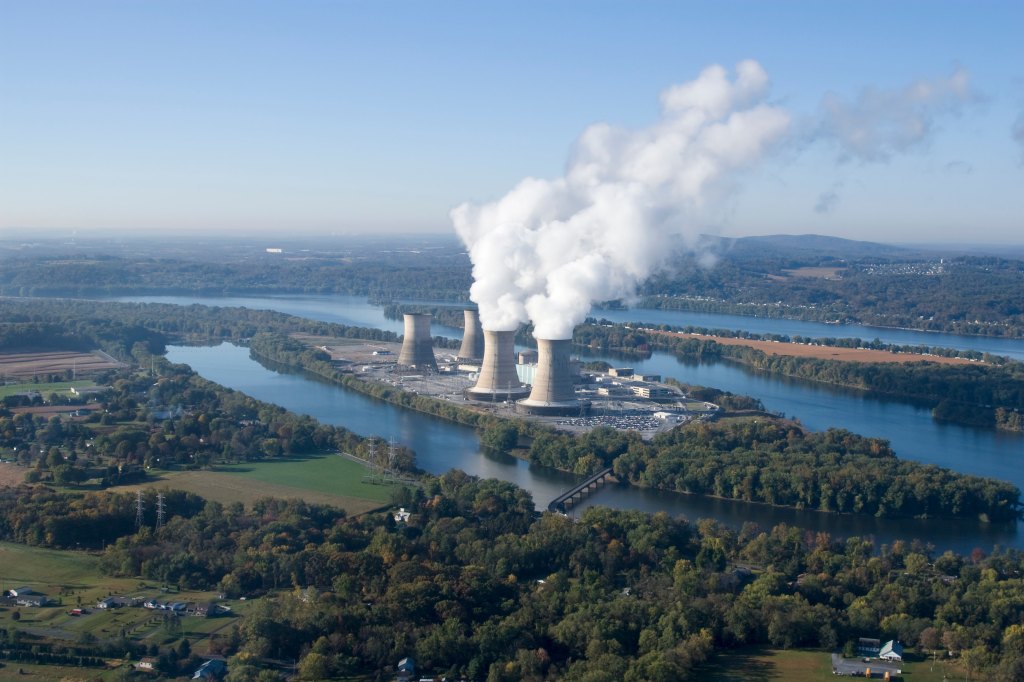
Surprise: Cyber presents serious environmental consequences
Too often cyber talk overlooks potential for devastating cascading effects.
-

Talk is cheap — what we need is more action
As Sen. John McCain said: “Threats to the United States in cyberspace continue to grow in scope and severity. But our nation remains woefully unprepared to address these threats, which will be a defining feature of 21st century warfare.”