-

Intel agency expanding proliferated constellation with April launches
These capabilities make it “harder for our adversaries to hide,” the director of the National Reconnaissance Office said Tuesday.
-
Space Development Agency satellites poised to track first missile test
Tranche 0 tracking satellites have been collecting and transmitting, but their position has yet to align with the timing of a missile launch.


-

US must be transparent about realistic prospects for cooperation in space
The Pentagon’s work to strengthen allied space cooperation remains insufficient to achieve stated policy objectives.
-
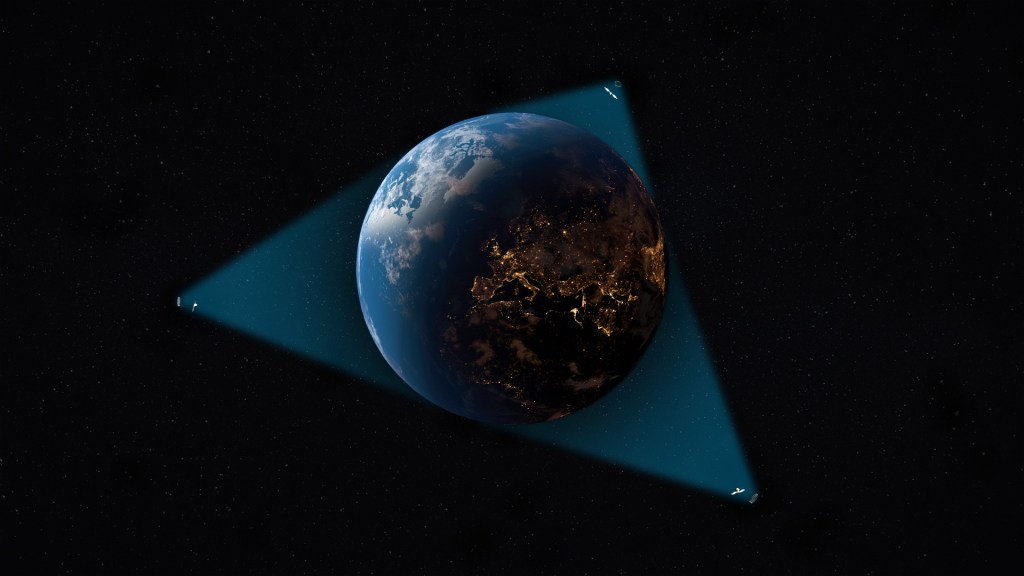
Commercial Space Office’s Kniseley keeps focus on industry engagement
The organization replaces the Commercial Services Office, which was established just a year ago.
-
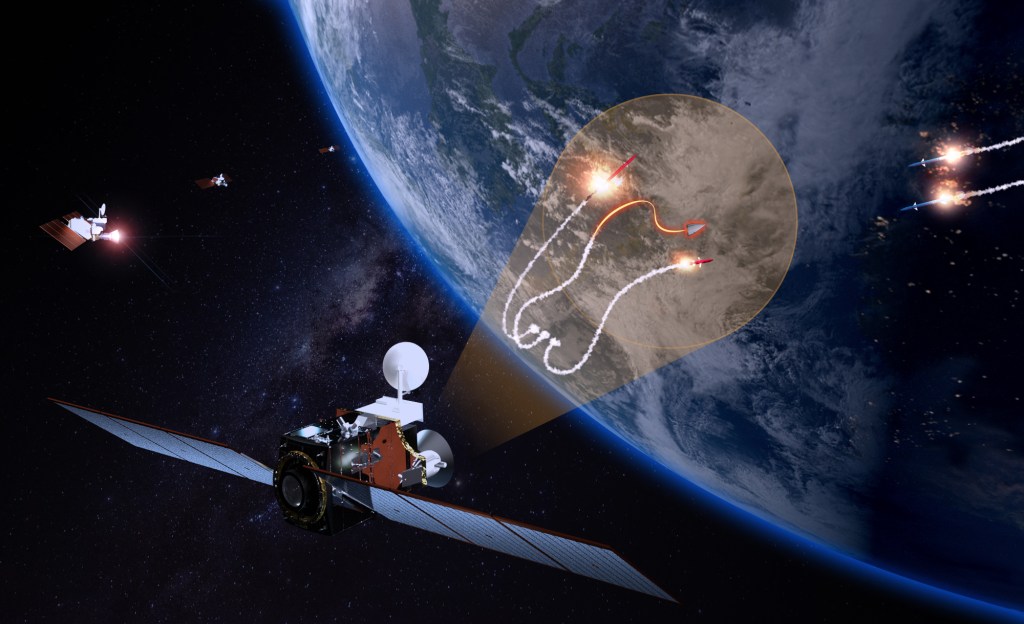
How three space agencies are collaborating on next-gen missile warning
Space Force officials say clarified roles and a combined program office have boosted collaboration on the next-generation missile tracking architecture.
VIDEOS
More Videos
More Stories
-
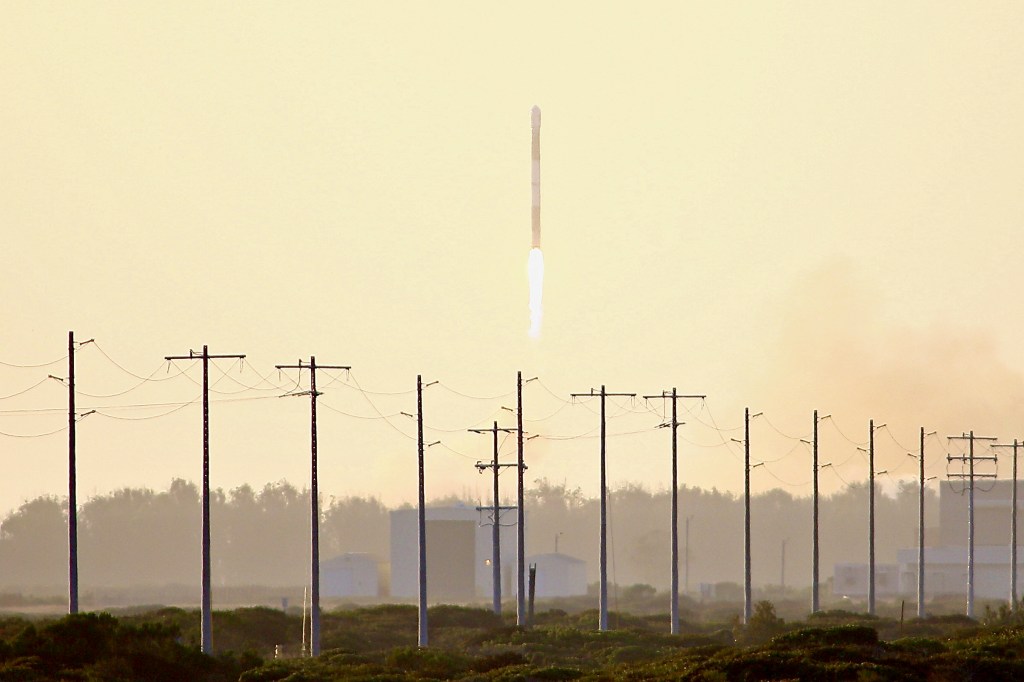
‘Victus Nox’ mission to push Space Force closer to on-demand launch
The upcoming Victus Nox mission and another effort planned for next year will inform the Space Force’s Tactically Responsive Space acquisition strategy.
-
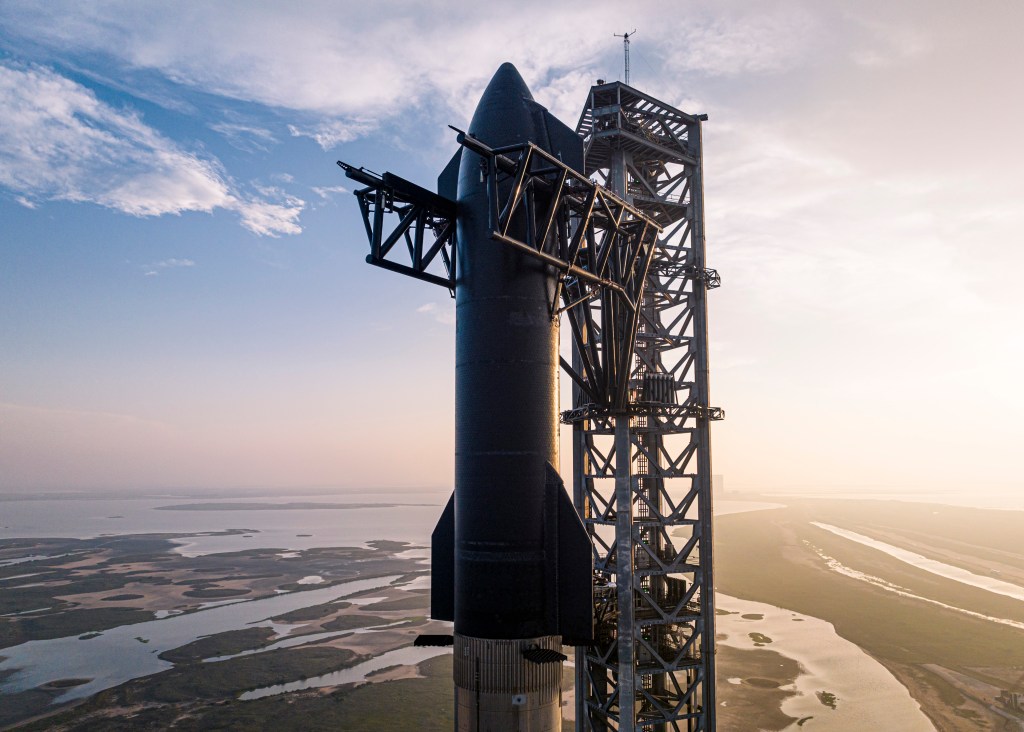
A SpaceX rocket exploded. Here’s why the Space Force remains hopeful.
Rockets like Starship could have significant implications for how the Space Force and commercial industry transport cargo and people around the globe.
-
Space Force crafting framework for commercial fleet access in a crisis
The framework will address five “cornerstone” elements of creating what the service is calling a Commercial Augmentation Space Reserve, or CASR.
-
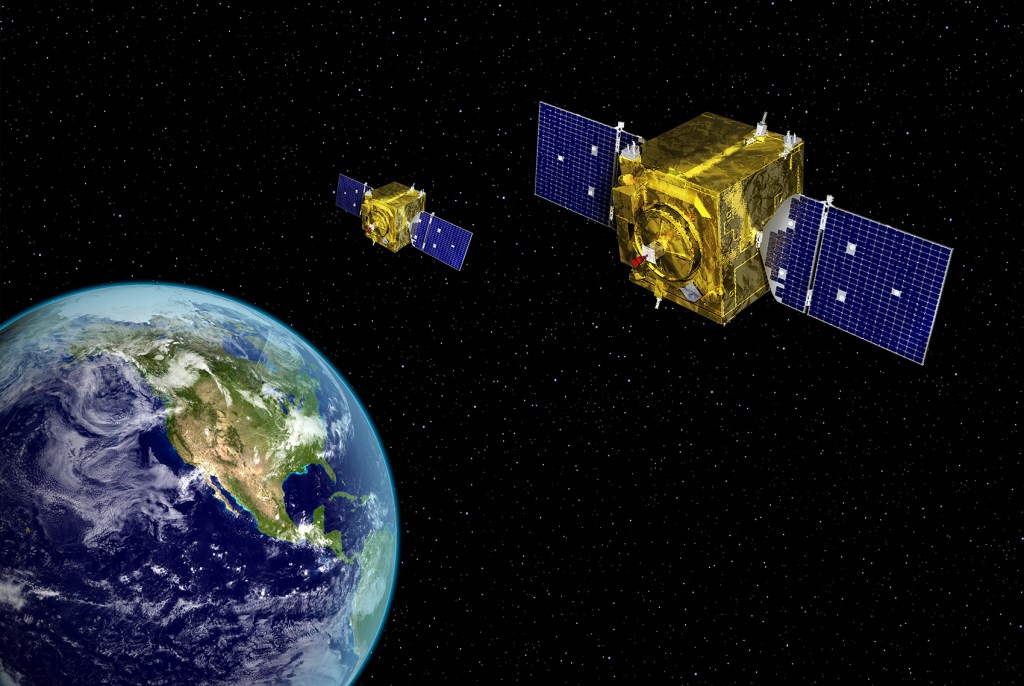
US Space Command seeks maneuverable, refuelable satellites by 2030
The command is working with the Space Force to demonstrate a satellite servicing capability by 2026.
-
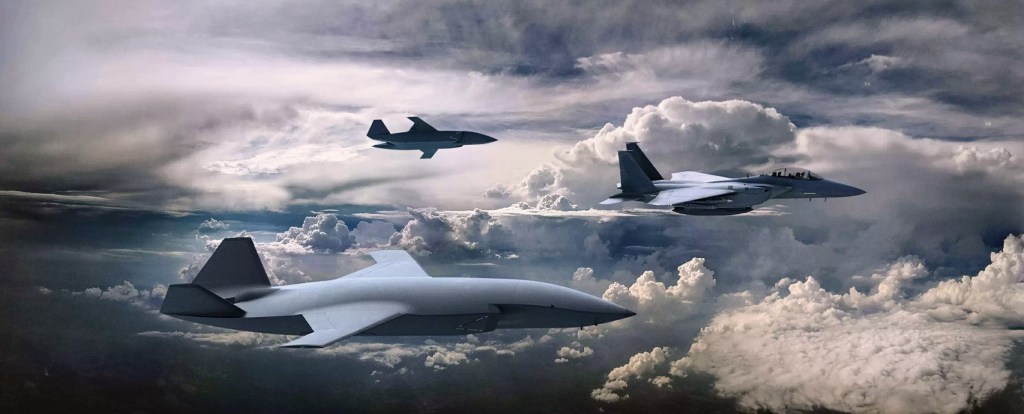
Air Force wants to launch programs without having to wait for Congress
The service submitted a legislative proposal requesting authority to start new programs or ramp up existing efforts without waiting for lawmaker approvals.
-
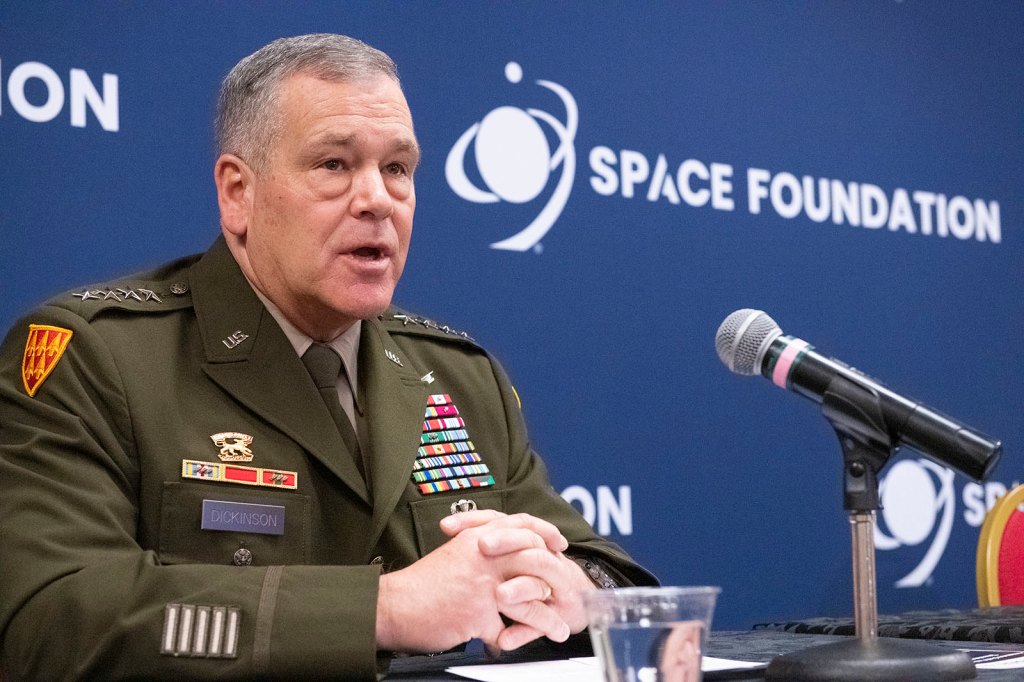
US Space Command commercial integration office draws company interest
The office, located within Space Command headquarters, connects and elevates the work of two organizations already working with private sector companies.
-

Spy agency to prototype ground moving-target tracking from space
The director of the National Reconnaissance Office said the agency is manufacturing the prototypes and plans to start launching in eight to 12 months.
-
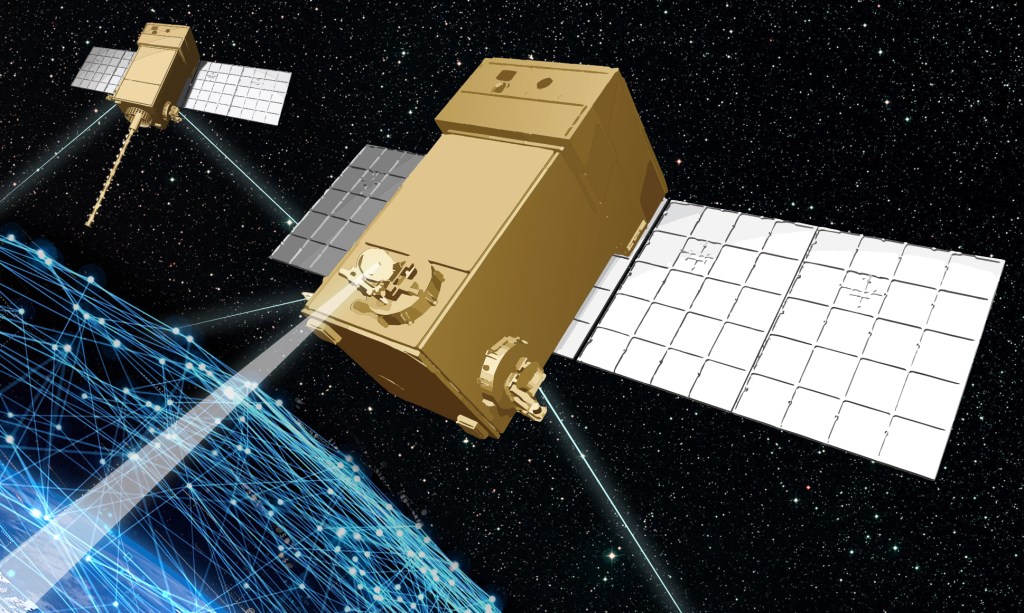
Northrop Grumman passes key review for transport satellites
Northrop is on contract to build 42 satellites for the next iteration of the Space Development Agency’s data transport layer.
-
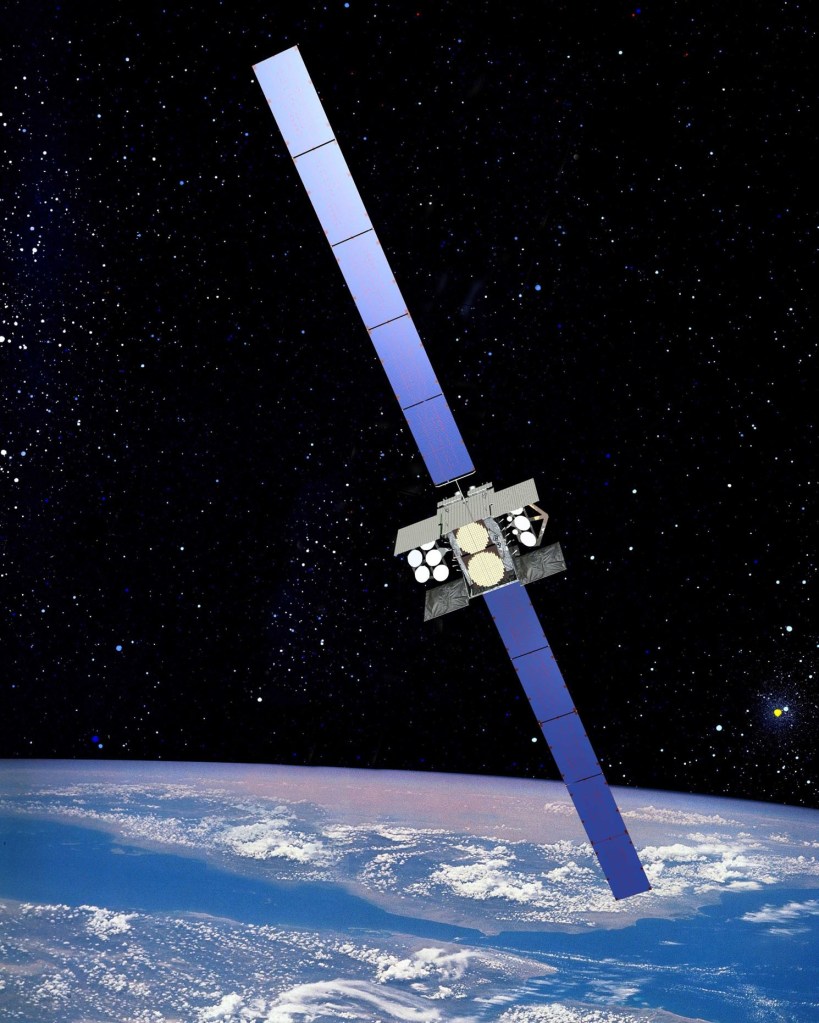
Space Force sees increase in foreign military sales requests
Since the service was created in 2019, there’s been a growing interest from international partners in buying U.S. space capabilities.
-
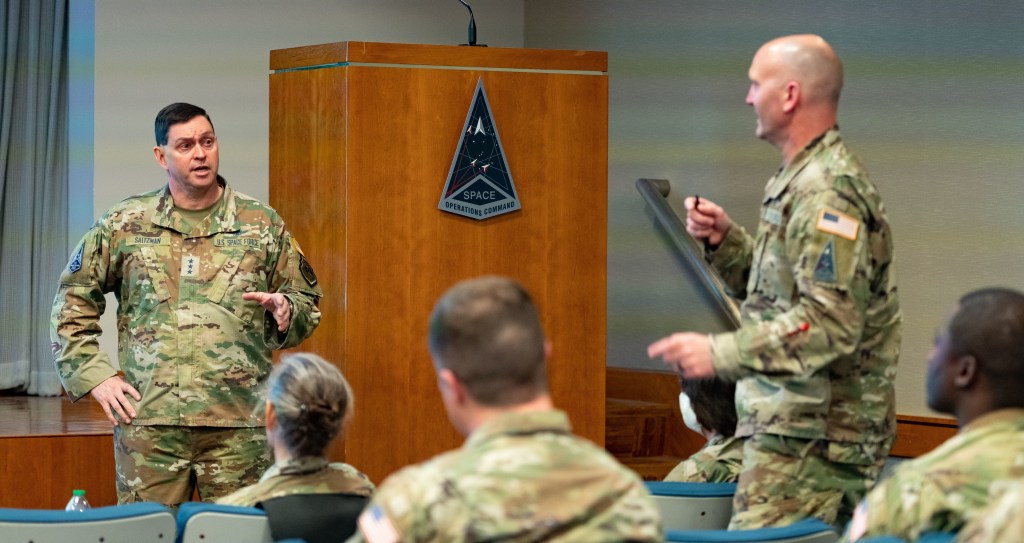
Space Force chief calls for tighter link between operators and buyers
Gen. Chance Saltzman told reporters today he wants space operators to be more involved in shaping plans for future systems and defining training needs.
-
Space companies investing in small satellite production capacity as customers shift to hybrid architectures
As government and commercial customers push for more hybrid, resilient satellite constellations, companies are expanding their production capacity and diversifying their products to respond to those needs.
-
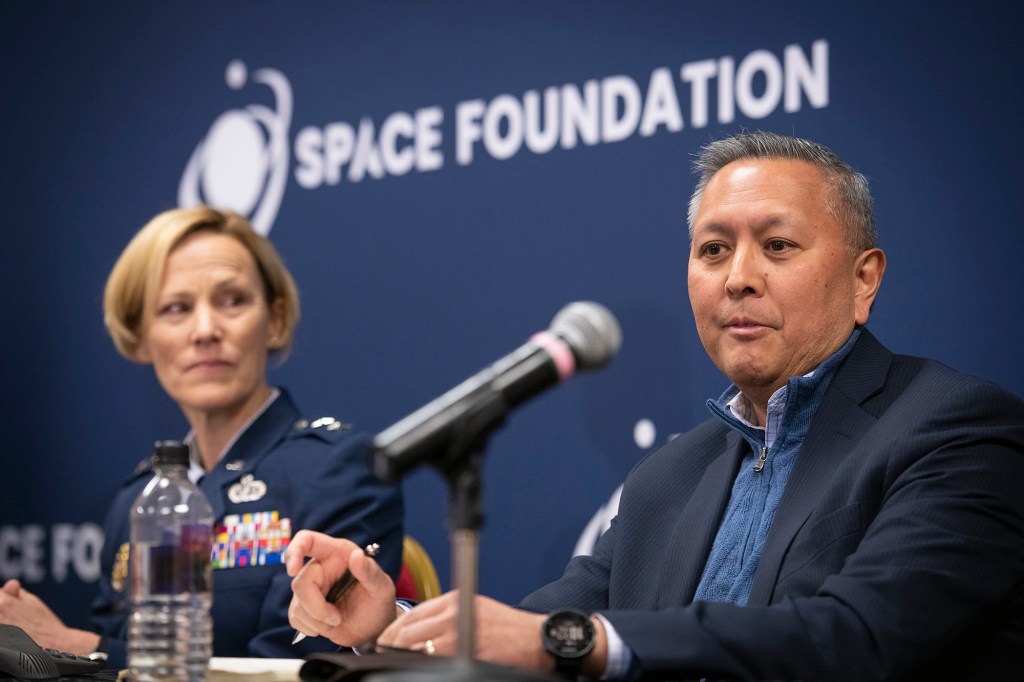
US Space Force to test experimental navigation satellite in upcoming Army exercise
The Space Force is considering how it might incorporate the satellite and its technology into a future hybrid positioning, navigation and timing architecture.
-
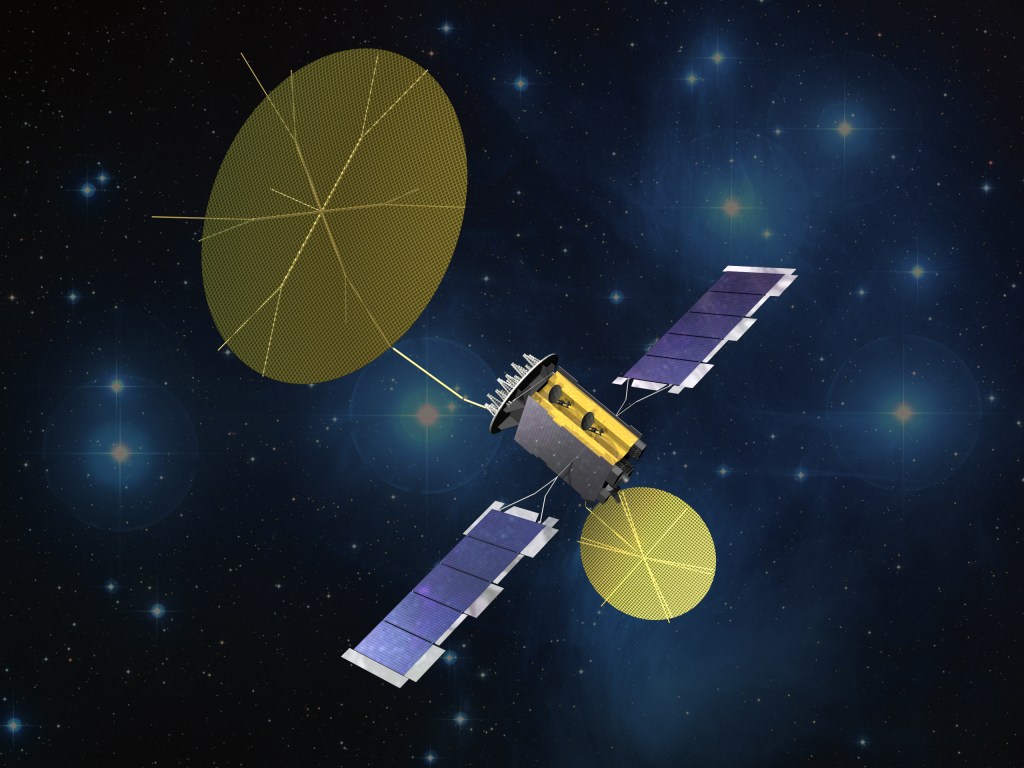
US Space Force wants funding for two more MUOS satellites
The Space Force wants to move forward with a service life extension effort for the narrowband communications constellation that originated in the Navy.
-

Intelligence agencies accelerate use of commercial space imagery to support Ukraine
The National Geospatial-Intelligence Agency has moved quickly to leverage commercial space capabilities to increase its support of Ukraine.
-

ULA expects Amazon deal to drive down Space Force’s Vulcan launch costs
The commercial deal will mean lower prices for some future Space Force missions that fly on ULA’s Vulcan rocket.
-
US Space Command releases commercial integration strategy
The new strategy aims to bolster commercial integration by accelerating acquisition and technology development, adopting a commercial services approach for select mission areas and building stronger relationships with industry.
-
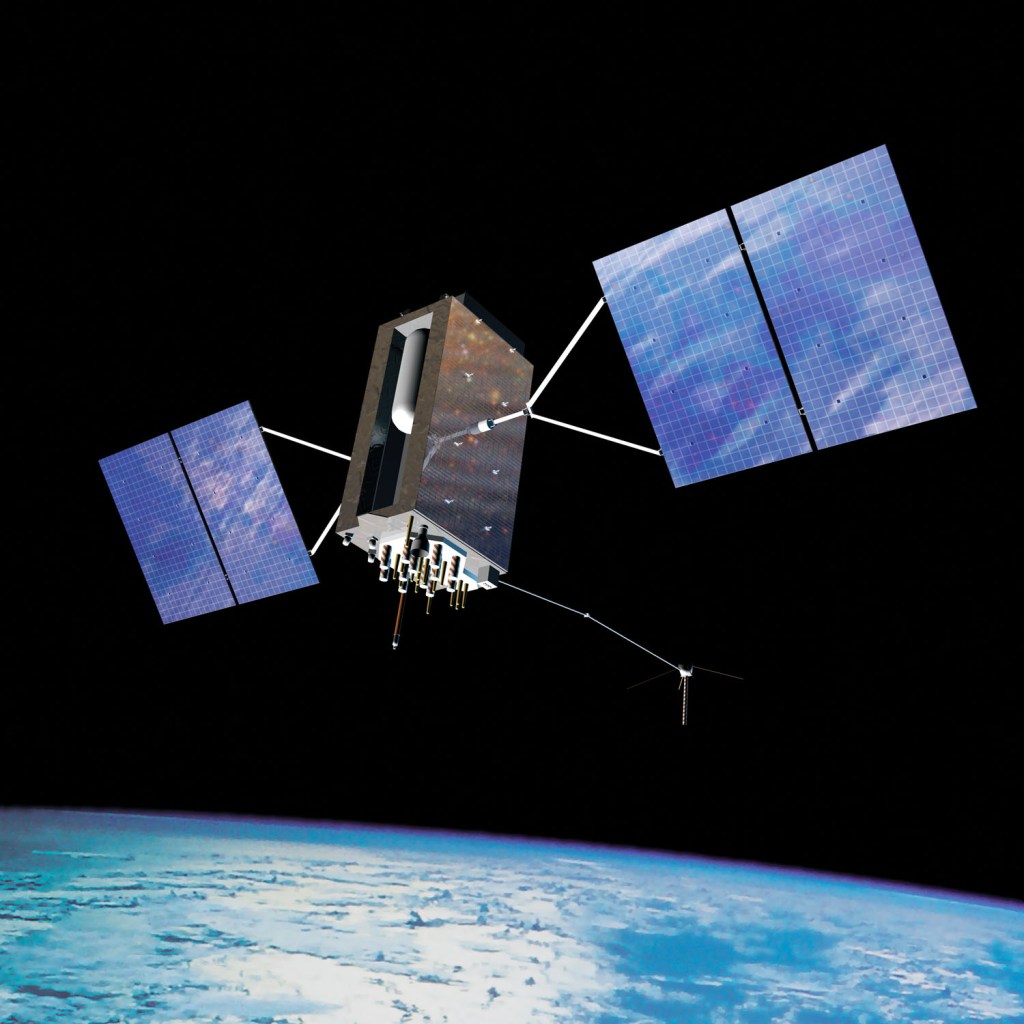
Experts say Russia’s use of counterspace capabilities could make 2022 a ‘pivotal’ year for space security
New reports from the Center for Strategic and International Studies and Secure World Foundation survey global counterspace capabilities and point to an increase in the development and use of counterspace weapons.
-
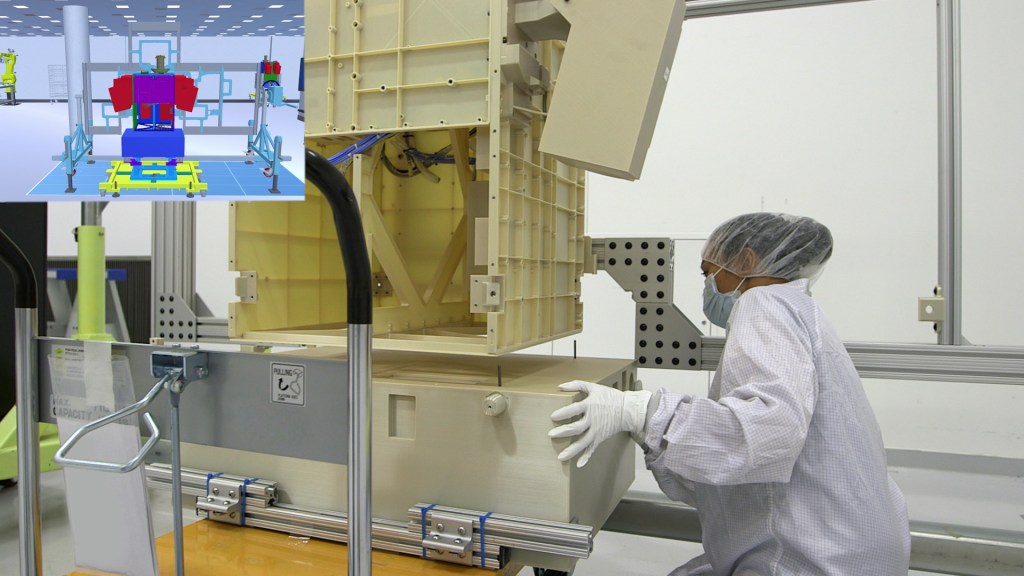
How a contracted supply chain is challenging the Space Development Agency’s open competition model
The agency is concerned about supply chain dependencies among its prime contractors after its first few rounds of satellite development awards.
-

Boeing completes critical design review for protected satellite communications payload
The design milestone positions the company to begin integration and test next year.
-
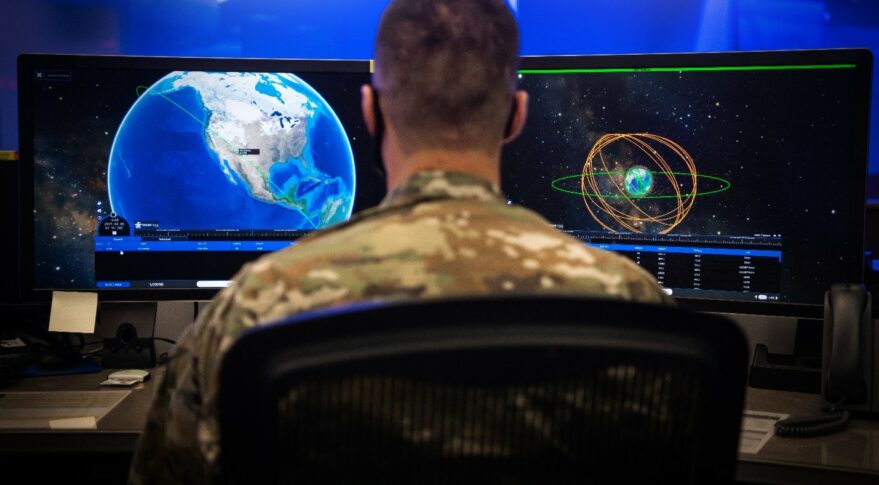
US Space Force preparing to decommission legacy command and control system
The decommissioning of the Space Defense Operations Center follows a slew of attempts to modernize the service’s command-and-control infrastructure.