-

Information superiority and the race for global AI leadership
The Pentagon is pursuing a third offset strategy — one that puts Artificial Intelligence at the forefront of U.S. defense policy.
-

The failure of integrated deterrence, and what to do about China
Modernization must not be sacrificed during this time of crisis, or we risk winning the battle to ultimately lose the war.
-

Technical debt: The cybersecurity threat hiding in plain sight
The Biden Administration’s executive order on cybersecurity in May 2021 jump started the movement toward a zero trust architecture.
-

How to build a robust space domain defense
The integration of ASAT weapon countermeasures will be necessary on future military satellites to responsibly protect these assets.
-

US Air Force’s AdAir fighter training needs road map
Plan for 10-year, $6.4 billion program flying about 37,000 flight hours per year at 12 bases is still underdeveloped.
-

Ukraine needs help to counter Iranian-made ballistic missiles, drones
Iran could soon provide the Russian military with even deadlier weapons than the Iranian drones it has been using to target Ukraine.
-

Proliferation of precision fires creates overmatch
GPS can no longer be relied upon to support the accurate delivery of precision fires, given adversarial capabilities to disrupt satellite communications.
-

How Robotic Process Automation is helping federal agencies manage data
RPA and the use of intelligent bots are proving critical for agencies seeking to automate time-consuming manual processes.
-
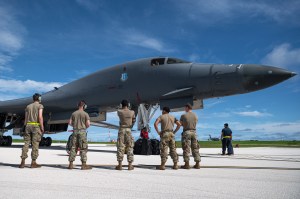
US Air Force’s ‘divest to invest’ plan is too risky
This strategy may look attractive on paper, but past attempts show that it doesn’t work in practice. Here’s why.
-
Pentagon must embrace commercial technologies to win data war
Commercial cloud providers, well entrenched in the DoD, already have the capabilities integrated into their offerings.
-
Information superiority and the race for global AI leadership
The Pentagon is pursuing a third offset strategy — one that puts Artificial Intelligence at the forefront of U.S. defense policy.
-
The failure of integrated deterrence, and what to do about China
Modernization must not be sacrificed during this time of crisis, or we risk winning the battle to ultimately lose the war.
-
Technical debt: The cybersecurity threat hiding in plain sight
The Biden Administration’s executive order on cybersecurity in May 2021 jump started the movement toward a zero trust architecture.
-
How to build a robust space domain defense
The integration of ASAT weapon countermeasures will be necessary on future military satellites to responsibly protect these assets.
-
US Air Force’s AdAir fighter training needs road map
Plan for 10-year, $6.4 billion program flying about 37,000 flight hours per year at 12 bases is still underdeveloped.
-
Ukraine needs help to counter Iranian-made ballistic missiles, drones
Iran could soon provide the Russian military with even deadlier weapons than the Iranian drones it has been using to target Ukraine.
-
Proliferation of precision fires creates overmatch
GPS can no longer be relied upon to support the accurate delivery of precision fires, given adversarial capabilities to disrupt satellite communications.
-
How Robotic Process Automation is helping federal agencies manage data
RPA and the use of intelligent bots are proving critical for agencies seeking to automate time-consuming manual processes.
-
US Air Force’s ‘divest to invest’ plan is too risky
This strategy may look attractive on paper, but past attempts show that it doesn’t work in practice. Here’s why.
-
Pentagon must embrace commercial technologies to win data war
Commercial cloud providers, well entrenched in the DoD, already have the capabilities integrated into their offerings.
-

Information superiority and the race for global AI leadership
The Pentagon is pursuing a third offset strategy — one that puts Artificial Intelligence at the forefront of U.S. defense policy.
-

The failure of integrated deterrence, and what to do about China
Modernization must not be sacrificed during this time of crisis, or we risk winning the battle to ultimately lose the war.
-

Technical debt: The cybersecurity threat hiding in plain sight
The Biden Administration’s executive order on cybersecurity in May 2021 jump started the movement toward a zero trust architecture.
-

How to build a robust space domain defense
The integration of ASAT weapon countermeasures will be necessary on future military satellites to responsibly protect these assets.
-
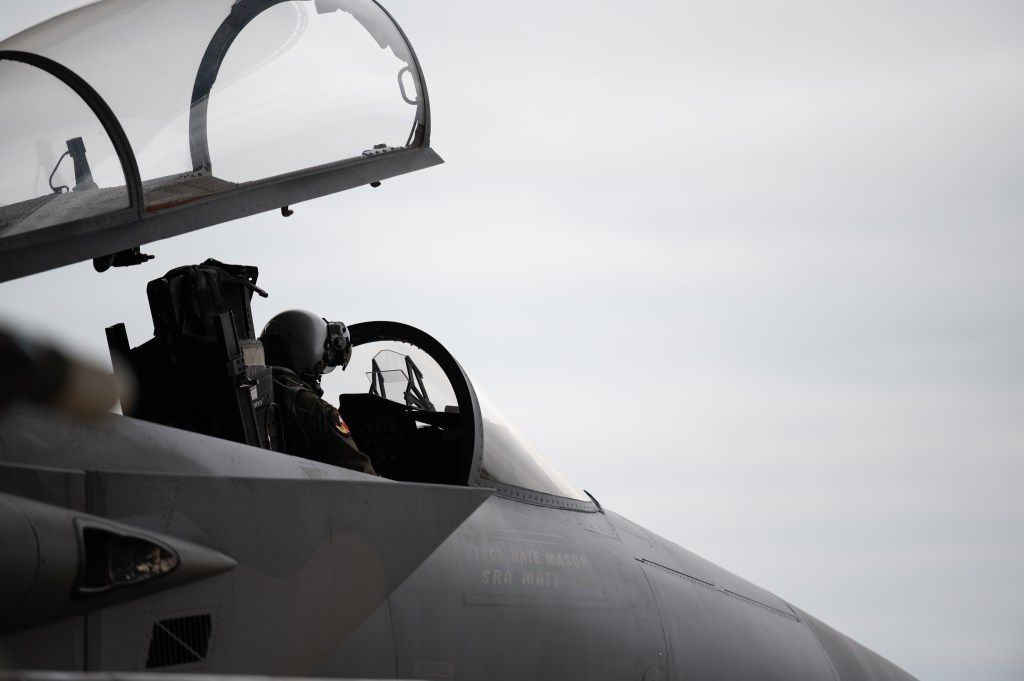
US Air Force’s AdAir fighter training needs road map
Plan for 10-year, $6.4 billion program flying about 37,000 flight hours per year at 12 bases is still underdeveloped.
-

Ukraine needs help to counter Iranian-made ballistic missiles, drones
Iran could soon provide the Russian military with even deadlier weapons than the Iranian drones it has been using to target Ukraine.
-
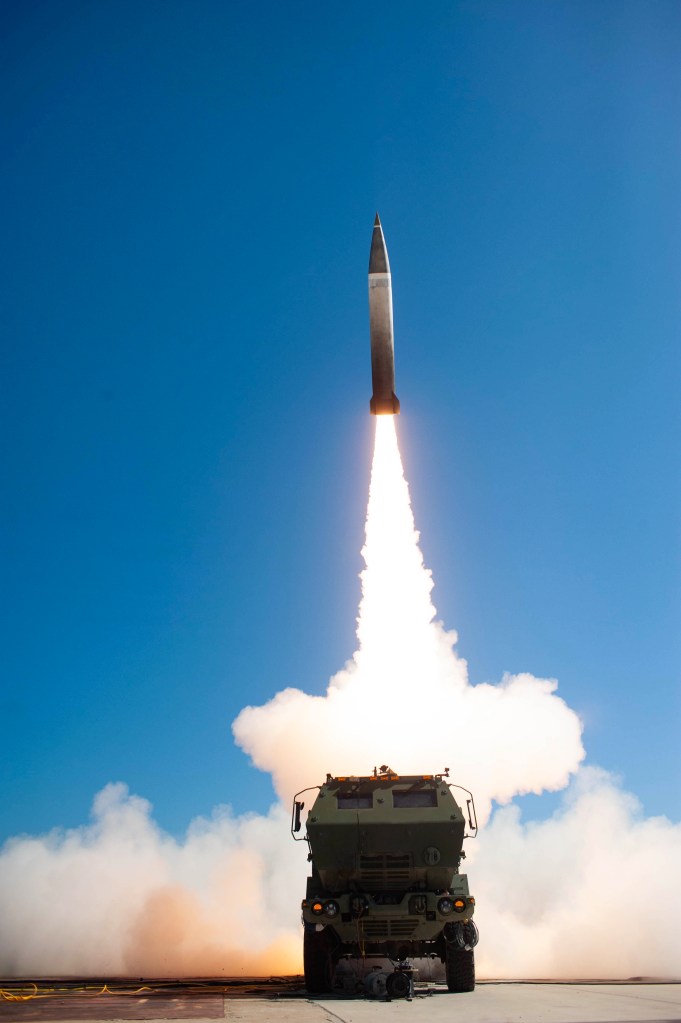
Proliferation of precision fires creates overmatch
GPS can no longer be relied upon to support the accurate delivery of precision fires, given adversarial capabilities to disrupt satellite communications.
-

How Robotic Process Automation is helping federal agencies manage data
RPA and the use of intelligent bots are proving critical for agencies seeking to automate time-consuming manual processes.
-
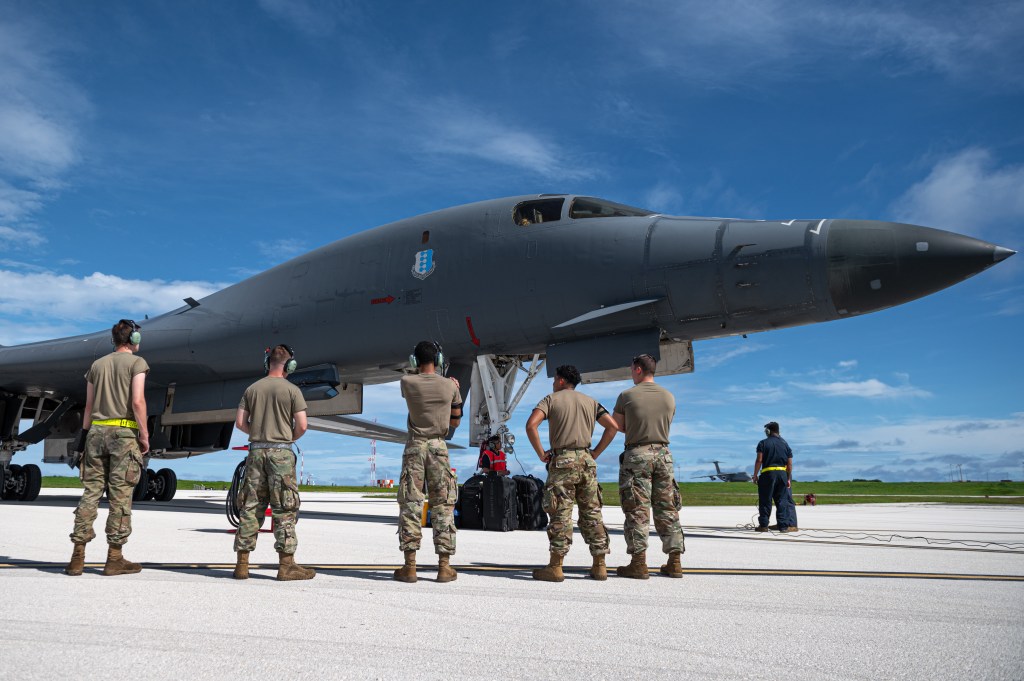
US Air Force’s ‘divest to invest’ plan is too risky
This strategy may look attractive on paper, but past attempts show that it doesn’t work in practice. Here’s why.
-
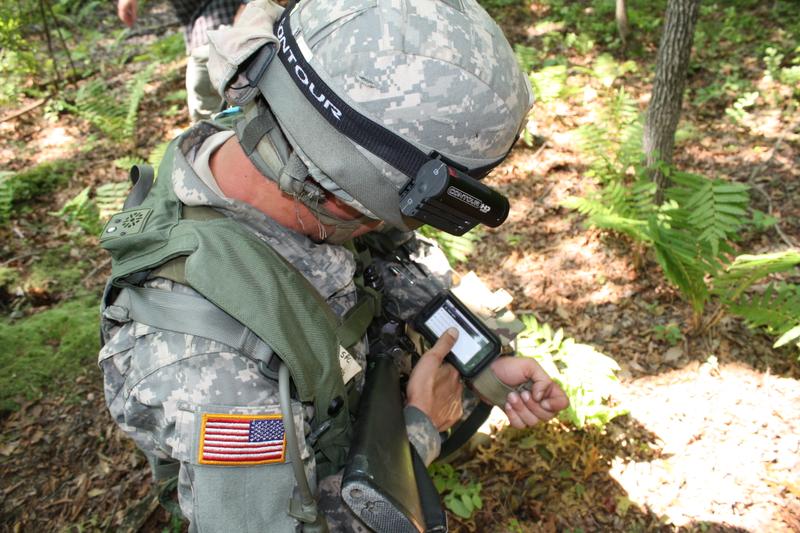
Pentagon must embrace commercial technologies to win data war
Commercial cloud providers, well entrenched in the DoD, already have the capabilities integrated into their offerings.