WASHINGTON — The Pentagon will not seek repayment from industry for money tied to the now-canceled Redesigned Kill Vehicle program, Undersecretary of Defense for Research and Engineering Mike Griffin confirmed Wednesday.
Griffin, delivering a keynote address at the 2019 Defense News Conference, said that the money spent still provides a return for the department, even though the program ended in a failure that will set U.S. missile defense efforts back “a few years.”
“We terminated for convenience, not default. There are no paybacks due, and we learned quite a lot that we’ll carry forward into the next-generation interceptor,” Griffin said. “The money, which was spent, did not go toward hardware which will be mothballed somewhere — it went towards the acquisition of knowledge, which will inform our future.”
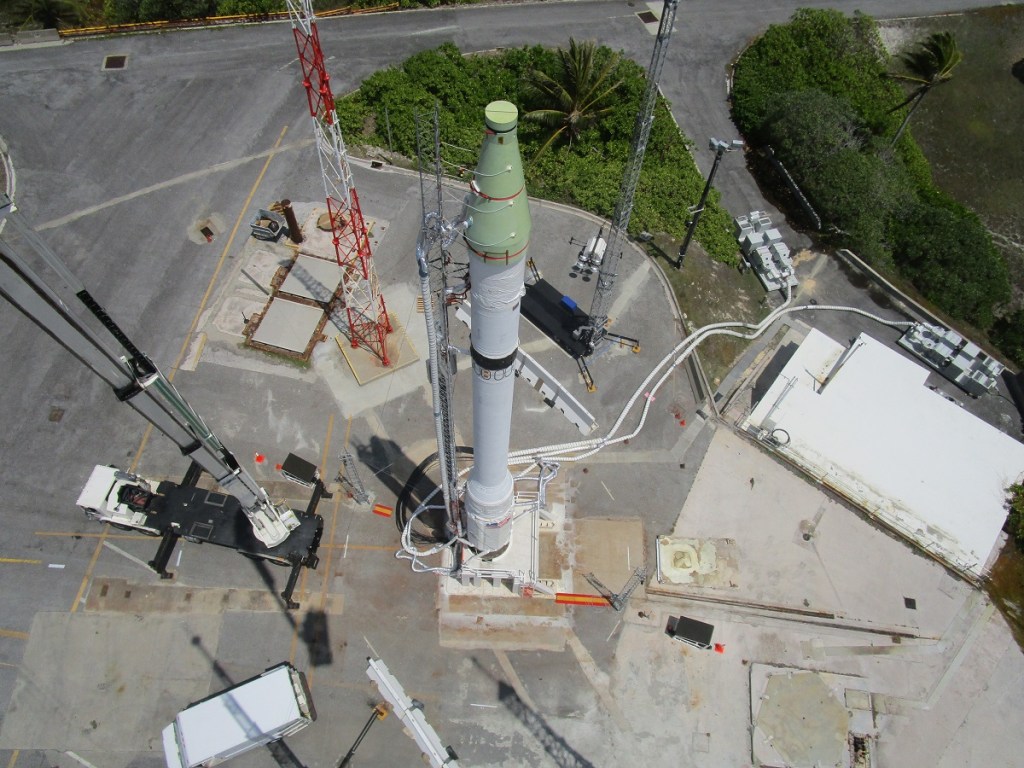
The Redesigned Kill Vehicle would have replaced the current Exoatmospheric Kill Vehicle on the Ground-Based Interceptor, which makes up the Ground-based Midcourse Defense system designed to protect the homeland from ballistic missile threats.
The redesigned variant would have also been fielded on all future ground-based interceptors — ultimately a total of 64.
Griffin made the decision on Aug. 14 to terminate the program due to what was termed “technical design problems.” The Pentagon plans to move forward with a new, next-generation interceptor competition.
More than $1 billion have been spent on the program, primarily to Boeing and Raytheon.
“Obviously we weren’t pleased,” Griffin said of the decision. “Not every new development works out. … We chose to recognize that fact rather than just continue to throw money at it.”
Jen Judson in Washington contributed to this report.