
-

El Nino is a threat indicator. The military should treat it like one.
The weather forecast for the second half of 2026 is giving the DoD something commanders rarely get before disruption arrives: months of notice.
-
Peace through secure supply chains
America cannot dominate the modern battlefield if the Pentagon does not know where its critical materials and components come from, Peter Navarro writes.
-
From depot to detonation: The case for a unified logistics picture
“We have the technology for that comprehensive, near real-time common operating picture (COP), we just need to link it,” writes LMI’s Robert Yon.
-
Europe’s defense build-up is delivering for NATO — and America
“We invite our American friends to judge us not by old assumptions, but by the record we are building together,” writes the EU top envoy to the U.S.
-
The US military is not organized for cyber war
Too much of this debate treats a new service as a judgment on Cyber Command’s performance. It is not.
-
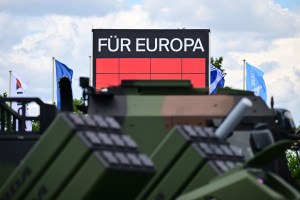
Europe’s defense build-up depends on getting partnerships right
One pattern is worth watching: Partnership activity is not spreading evenly across the market; it is coalescing around a handful of industrial platforms.
-
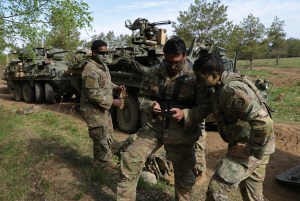
Troop cuts in Europe: Giving away something for nothing
It’s not too late – if Washington is intent on reducing troop levels in Europe, it can still wield this bargaining chip with Russia.
-
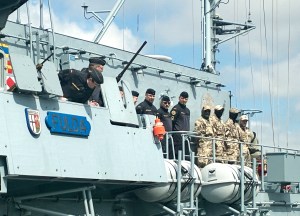
NATO in Hormuz is not mission creep
“For much of the last three decades, NATO has operated on the assumption that allied security cannot be defined solely by geography.”
-

Inside China, artificial intelligence is a snake eating its own tail
AI researchers refer to this as “model collapse,” a phenomenon in which models trained on their own synthetic outputs degrade over successive generations.
-

Trump’s madman diplomacy isn’t working on Iran
Compounding the problem is Trump’s misapplication of the madman theory itself, argues CATO Institute analyst Benjamin Giltner.
-
El Nino is a threat indicator. The military should treat it like one.
The weather forecast for the second half of 2026 is giving the DoD something commanders rarely get before disruption arrives: months of notice.
-
Peace through secure supply chains
America cannot dominate the modern battlefield if the Pentagon does not know where its critical materials and components come from, Peter Navarro writes.
-
From depot to detonation: The case for a unified logistics picture
“We have the technology for that comprehensive, near real-time common operating picture (COP), we just need to link it,” writes LMI’s Robert Yon.
-
Europe’s defense build-up is delivering for NATO — and America
“We invite our American friends to judge us not by old assumptions, but by the record we are building together,” writes the EU top envoy to the U.S.
-
The US military is not organized for cyber war
Too much of this debate treats a new service as a judgment on Cyber Command’s performance. It is not.
-
Europe’s defense build-up depends on getting partnerships right
One pattern is worth watching: Partnership activity is not spreading evenly across the market; it is coalescing around a handful of industrial platforms.
-
Troop cuts in Europe: Giving away something for nothing
It’s not too late – if Washington is intent on reducing troop levels in Europe, it can still wield this bargaining chip with Russia.
-
NATO in Hormuz is not mission creep
“For much of the last three decades, NATO has operated on the assumption that allied security cannot be defined solely by geography.”
-
Inside China, artificial intelligence is a snake eating its own tail
AI researchers refer to this as “model collapse,” a phenomenon in which models trained on their own synthetic outputs degrade over successive generations.
-
Trump’s madman diplomacy isn’t working on Iran
Compounding the problem is Trump’s misapplication of the madman theory itself, argues CATO Institute analyst Benjamin Giltner.
-
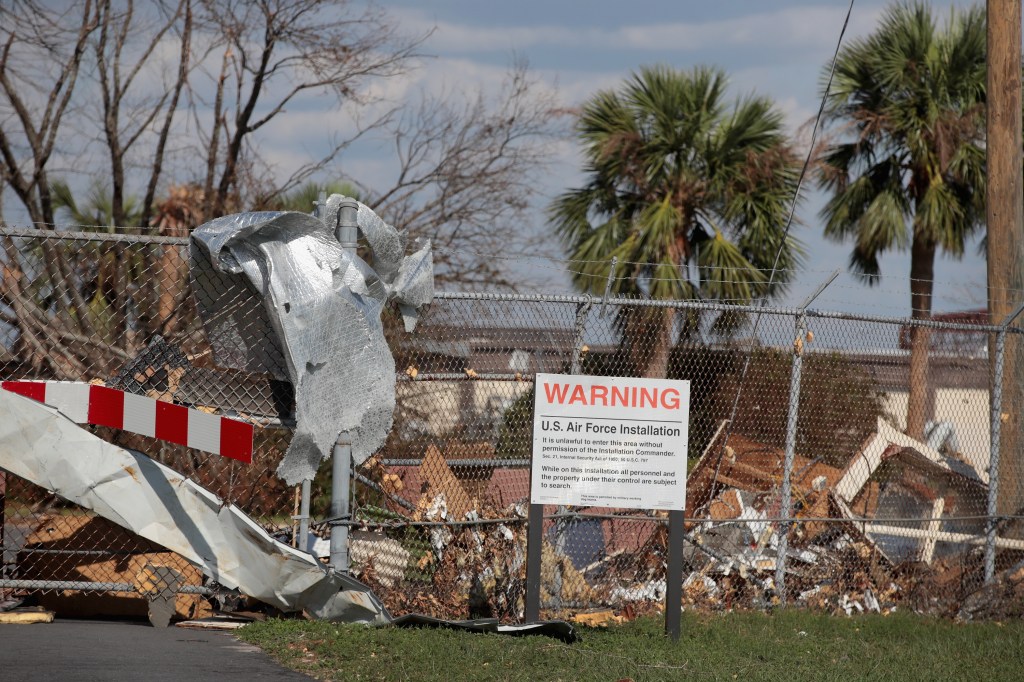
El Nino is a threat indicator. The military should treat it like one.
The weather forecast for the second half of 2026 is giving the DoD something commanders rarely get before disruption arrives: months of notice.
-
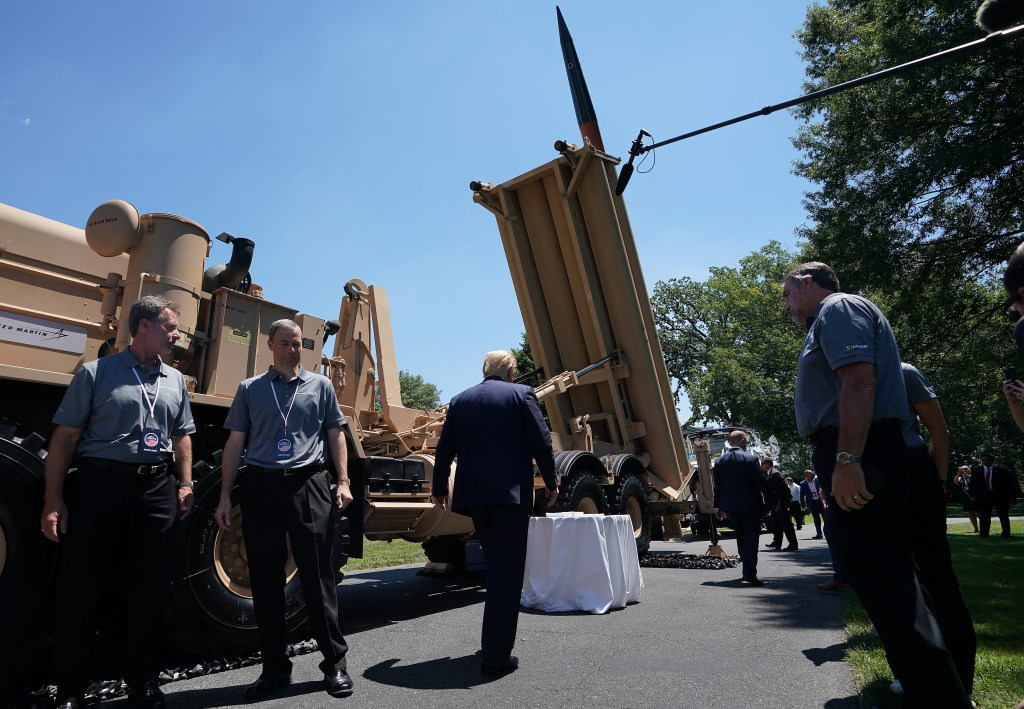
Peace through secure supply chains
America cannot dominate the modern battlefield if the Pentagon does not know where its critical materials and components come from, Peter Navarro writes.
-
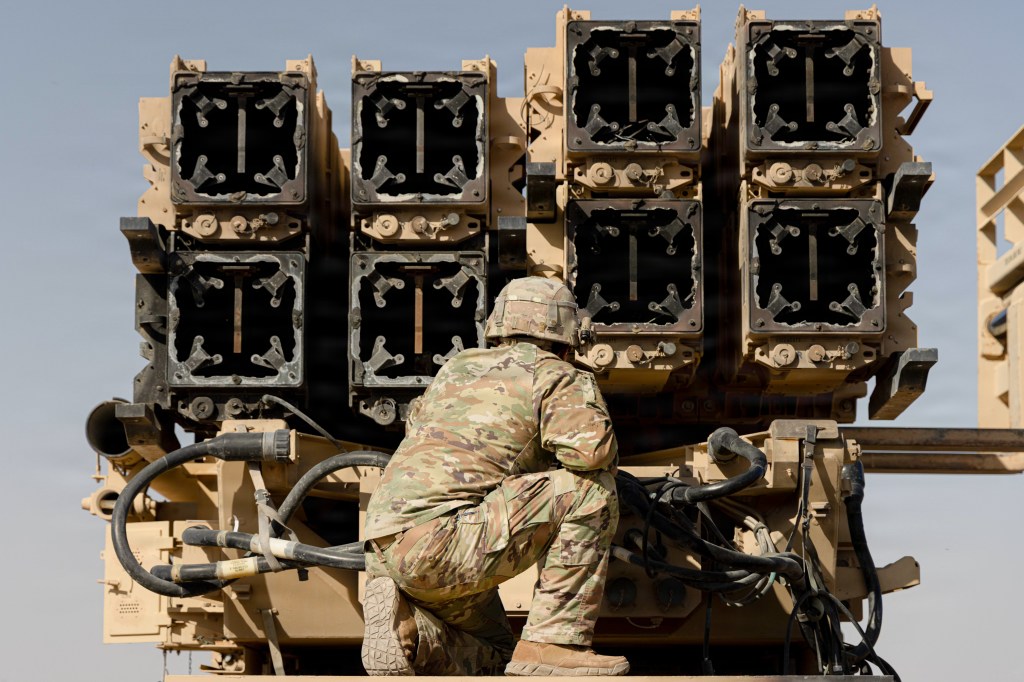
From depot to detonation: The case for a unified logistics picture
“We have the technology for that comprehensive, near real-time common operating picture (COP), we just need to link it,” writes LMI’s Robert Yon.
-
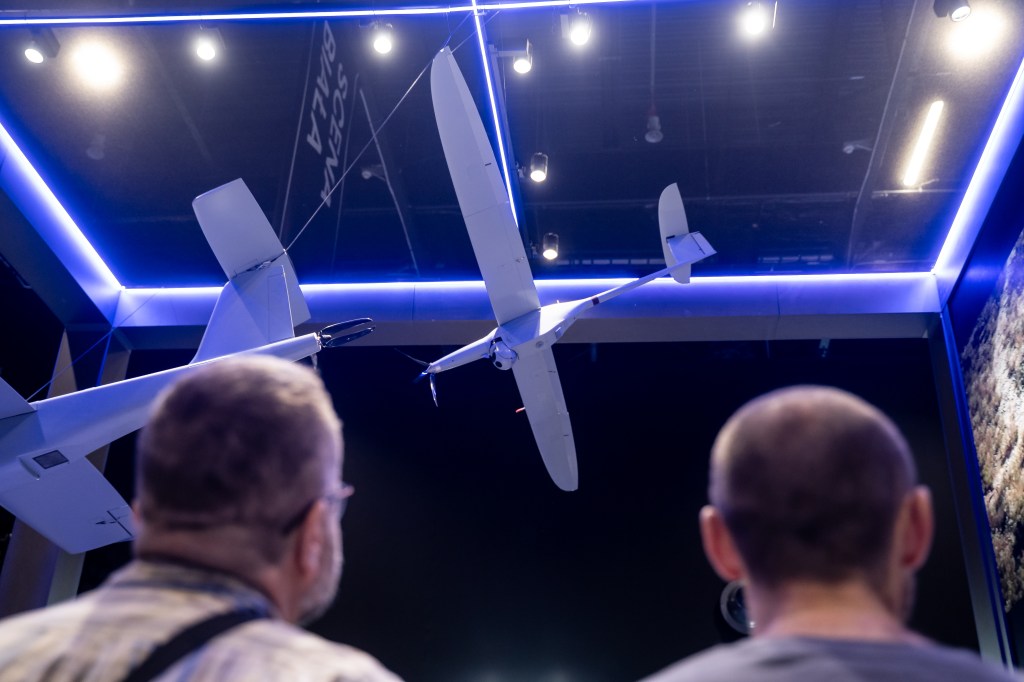
Europe’s defense build-up is delivering for NATO — and America
“We invite our American friends to judge us not by old assumptions, but by the record we are building together,” writes the EU top envoy to the U.S.
-

The US military is not organized for cyber war
Too much of this debate treats a new service as a judgment on Cyber Command’s performance. It is not.
-
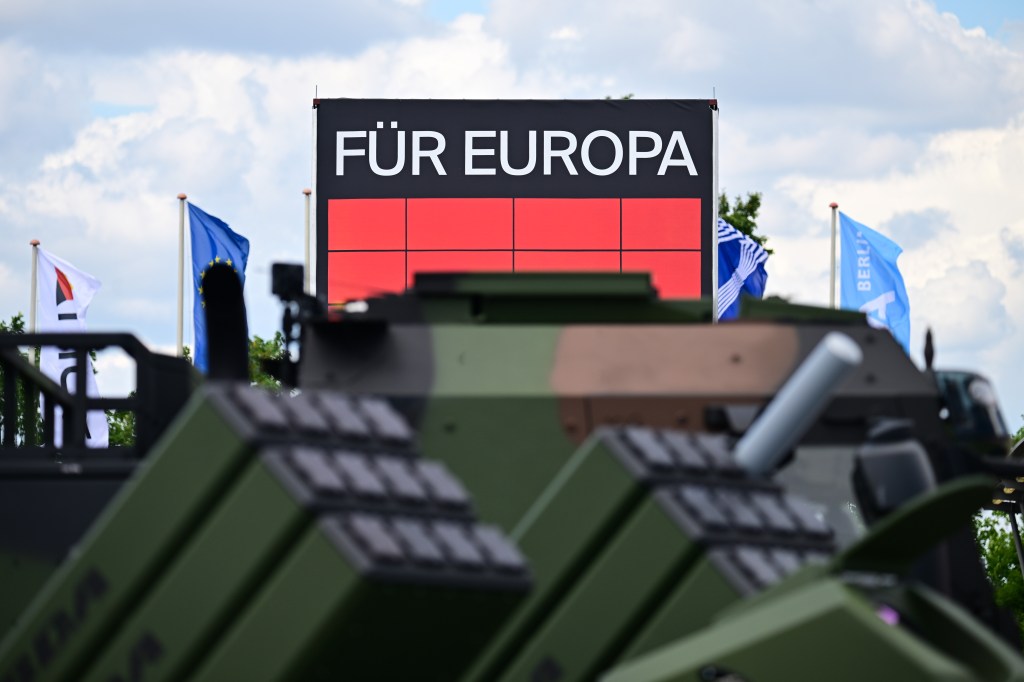
Europe’s defense build-up depends on getting partnerships right
One pattern is worth watching: Partnership activity is not spreading evenly across the market; it is coalescing around a handful of industrial platforms.
-
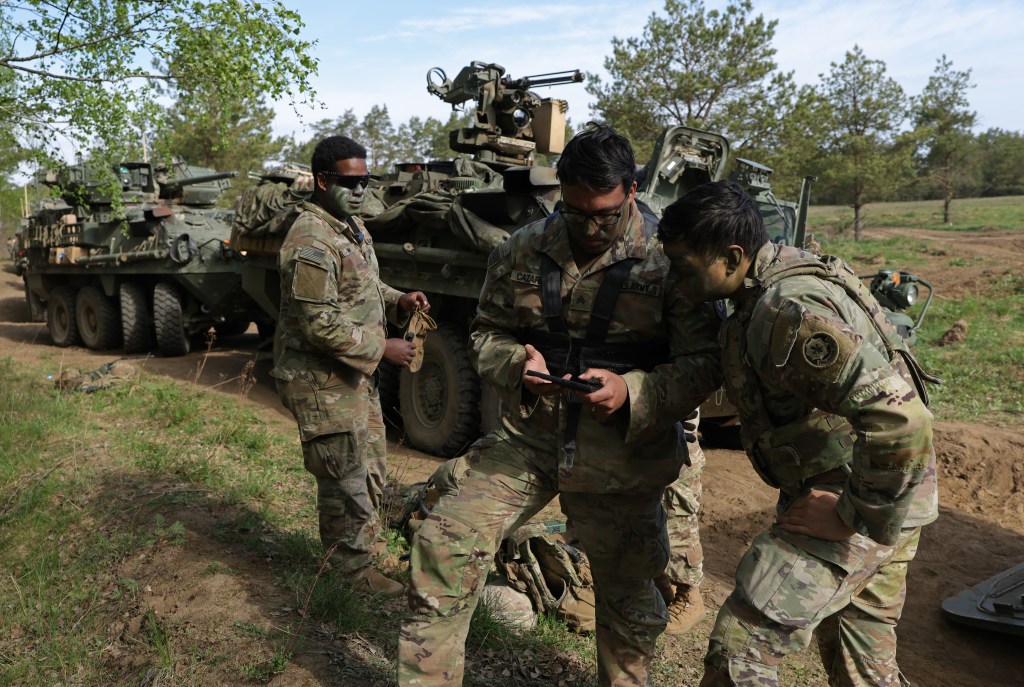
Troop cuts in Europe: Giving away something for nothing
It’s not too late – if Washington is intent on reducing troop levels in Europe, it can still wield this bargaining chip with Russia.
-

NATO in Hormuz is not mission creep
“For much of the last three decades, NATO has operated on the assumption that allied security cannot be defined solely by geography.”
-

Inside China, artificial intelligence is a snake eating its own tail
AI researchers refer to this as “model collapse,” a phenomenon in which models trained on their own synthetic outputs degrade over successive generations.
-
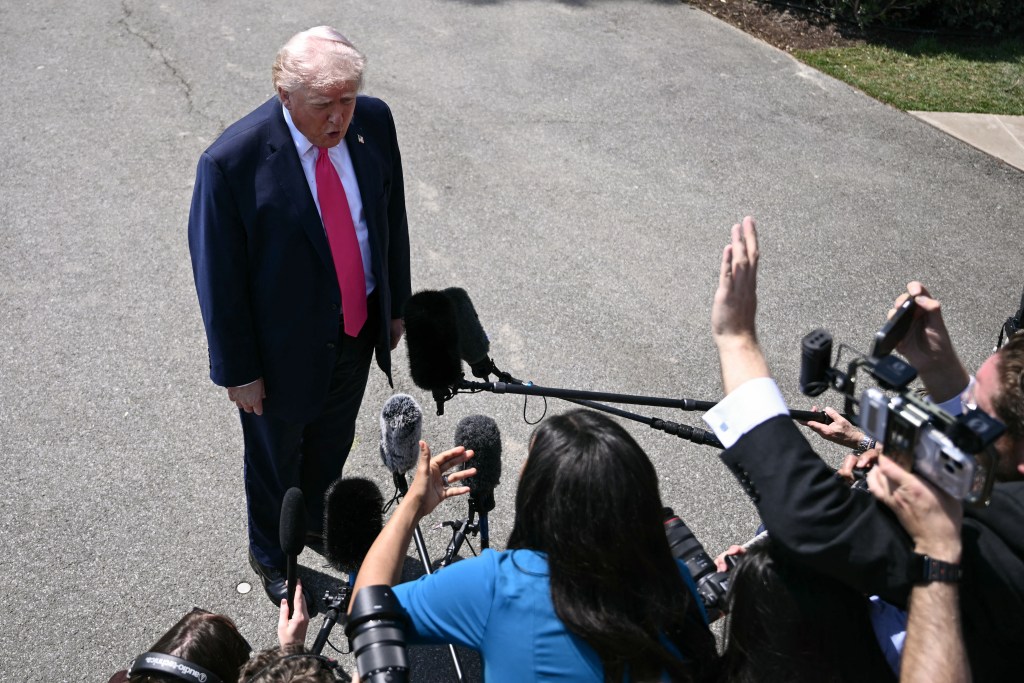
Trump’s madman diplomacy isn’t working on Iran
Compounding the problem is Trump’s misapplication of the madman theory itself, argues CATO Institute analyst Benjamin Giltner.


