-
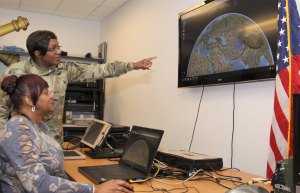
The Pentagon wants to see new ground station prototypes
The Pentagon is asking industry to help build ground stations it needs for multidomain operations and for sending targeting data to military networks used to fire weapons.
-

The Navy will test pushing new software to ships at sea
The Navy plans to test next year whether it can push new software — not just patches but new algorithms and battle-management aids — to its fleet without the assistance of in-person installation teams.
-
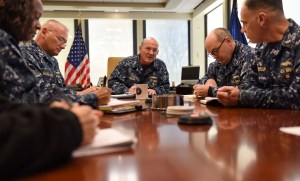
Navy leaders acknowledge networks are a problem. Now what?
Government leaders and industry officials have been hopeful that the Navy’s IT troubles will get renewed attention under the watch of Adm. Michael Gilday, the service’s top officer.
-

Marines wanted to know if a Navy satellite could withstand jamming
Marines Corps leaders asked the Army’s Threat Systems Management Office to intentionally jam parts of the spectrum that the Navy’s narrowband satellites operates in for the Steel Knight 20 exercise.
-

Pentagon’s top artificial intelligence official to retire
The Pentagon plans to announce Jan. 31 that Lt. Gen. Jack Shanahan, the Department of Defense’s top artificial intelligence official, will retire from the Air Force this summer, C4ISRNET has learned.
-

A new artificial intelligence contract to keep planes flying
The Pentagon’s Silicon Valley outpost awarded a contract worth as much as $95 million for software that aims to predict when military aircraft will need repairs, a tool that would make more aircraft available for missions and could potentially save billions of dollars in maintenance costs.
-
The 5 most engaging battlefield tech stories of 2019
High-powered radars, the end of floppy disks, defending hypersonic weapons and odd behavior by foreign satellites in space.Readers of C4ISRNET found those subjects most engaging in 2019.
-
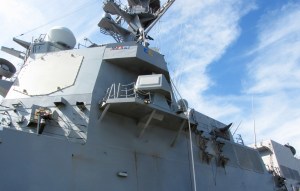
Congress reins in Navy’s electronic warfare programs
House and Senate appropriators are worried about delays and premature funding for two of the Navy’s most high-profile EW programs.
-
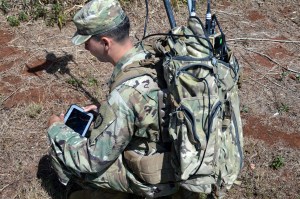
Congress wants to improve electronic warfare capabilities
The Department of Defense is expected to send Congress an updated electronic warfare strategy.
-
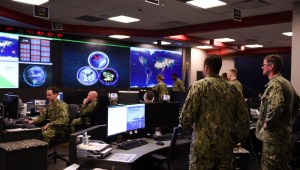
What the intel community needs to rethink in an age of information warfare
The U.S. national security community and its allies must be more publicly transparent about its methods and its findings if it hopes to fend off information warfare campaigns, a panel of experts said at the Defense News Conference.
-
The Pentagon wants to see new ground station prototypes
The Pentagon is asking industry to help build ground stations it needs for multidomain operations and for sending targeting data to military networks used to fire weapons.
-
The Navy will test pushing new software to ships at sea
The Navy plans to test next year whether it can push new software — not just patches but new algorithms and battle-management aids — to its fleet without the assistance of in-person installation teams.
-
Navy leaders acknowledge networks are a problem. Now what?
Government leaders and industry officials have been hopeful that the Navy’s IT troubles will get renewed attention under the watch of Adm. Michael Gilday, the service’s top officer.
-
Marines wanted to know if a Navy satellite could withstand jamming
Marines Corps leaders asked the Army’s Threat Systems Management Office to intentionally jam parts of the spectrum that the Navy’s narrowband satellites operates in for the Steel Knight 20 exercise.
-
Pentagon’s top artificial intelligence official to retire
The Pentagon plans to announce Jan. 31 that Lt. Gen. Jack Shanahan, the Department of Defense’s top artificial intelligence official, will retire from the Air Force this summer, C4ISRNET has learned.
-
A new artificial intelligence contract to keep planes flying
The Pentagon’s Silicon Valley outpost awarded a contract worth as much as $95 million for software that aims to predict when military aircraft will need repairs, a tool that would make more aircraft available for missions and could potentially save billions of dollars in maintenance costs.
-
The 5 most engaging battlefield tech stories of 2019
High-powered radars, the end of floppy disks, defending hypersonic weapons and odd behavior by foreign satellites in space.Readers of C4ISRNET found those subjects most engaging in 2019.
-
Congress reins in Navy’s electronic warfare programs
House and Senate appropriators are worried about delays and premature funding for two of the Navy’s most high-profile EW programs.
-
Congress wants to improve electronic warfare capabilities
The Department of Defense is expected to send Congress an updated electronic warfare strategy.
-
What the intel community needs to rethink in an age of information warfare
The U.S. national security community and its allies must be more publicly transparent about its methods and its findings if it hopes to fend off information warfare campaigns, a panel of experts said at the Defense News Conference.
-
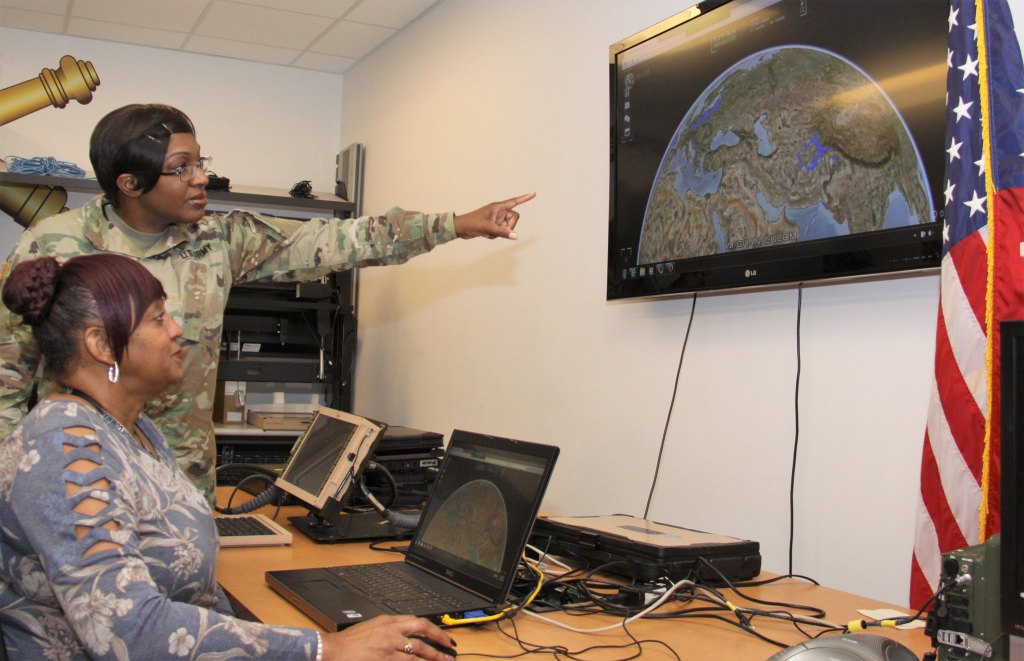
The Pentagon wants to see new ground station prototypes
The Pentagon is asking industry to help build ground stations it needs for multidomain operations and for sending targeting data to military networks used to fire weapons.
-

The Navy will test pushing new software to ships at sea
The Navy plans to test next year whether it can push new software — not just patches but new algorithms and battle-management aids — to its fleet without the assistance of in-person installation teams.
-
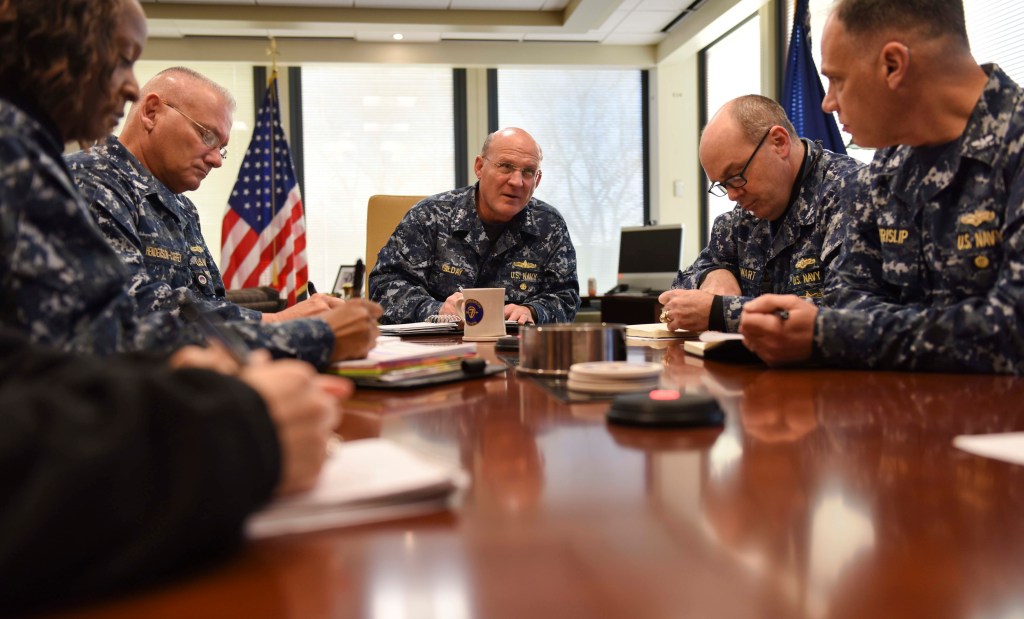
Navy leaders acknowledge networks are a problem. Now what?
Government leaders and industry officials have been hopeful that the Navy’s IT troubles will get renewed attention under the watch of Adm. Michael Gilday, the service’s top officer.
-

Marines wanted to know if a Navy satellite could withstand jamming
Marines Corps leaders asked the Army’s Threat Systems Management Office to intentionally jam parts of the spectrum that the Navy’s narrowband satellites operates in for the Steel Knight 20 exercise.
-

Pentagon’s top artificial intelligence official to retire
The Pentagon plans to announce Jan. 31 that Lt. Gen. Jack Shanahan, the Department of Defense’s top artificial intelligence official, will retire from the Air Force this summer, C4ISRNET has learned.
-

A new artificial intelligence contract to keep planes flying
The Pentagon’s Silicon Valley outpost awarded a contract worth as much as $95 million for software that aims to predict when military aircraft will need repairs, a tool that would make more aircraft available for missions and could potentially save billions of dollars in maintenance costs.
-
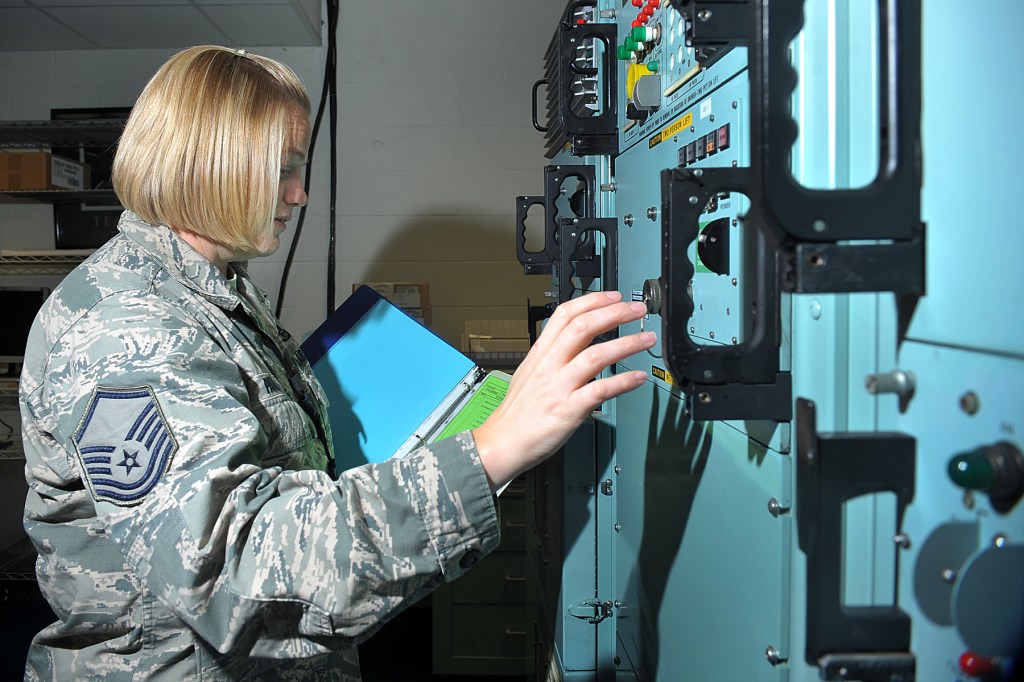
The 5 most engaging battlefield tech stories of 2019
High-powered radars, the end of floppy disks, defending hypersonic weapons and odd behavior by foreign satellites in space.Readers of C4ISRNET found those subjects most engaging in 2019.
-
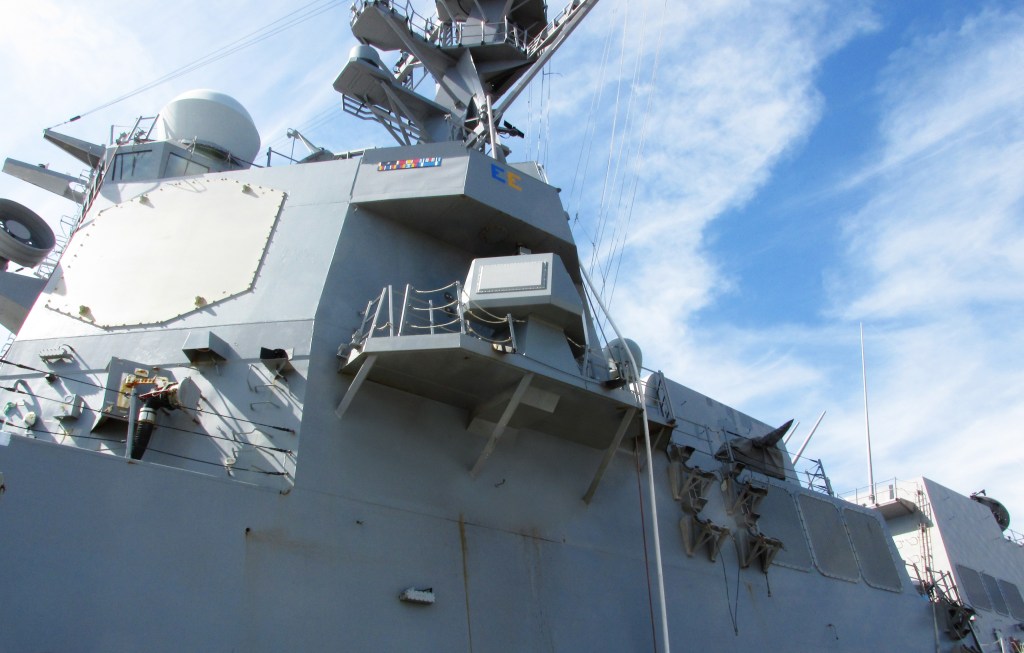
Congress reins in Navy’s electronic warfare programs
House and Senate appropriators are worried about delays and premature funding for two of the Navy’s most high-profile EW programs.
-
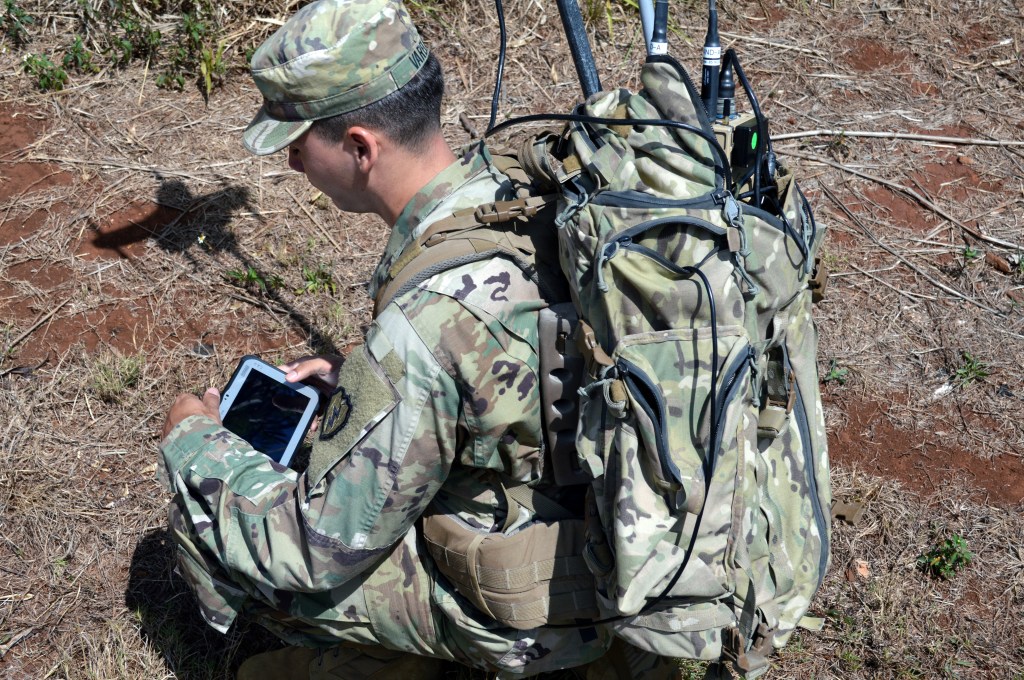
Congress wants to improve electronic warfare capabilities
The Department of Defense is expected to send Congress an updated electronic warfare strategy.
-
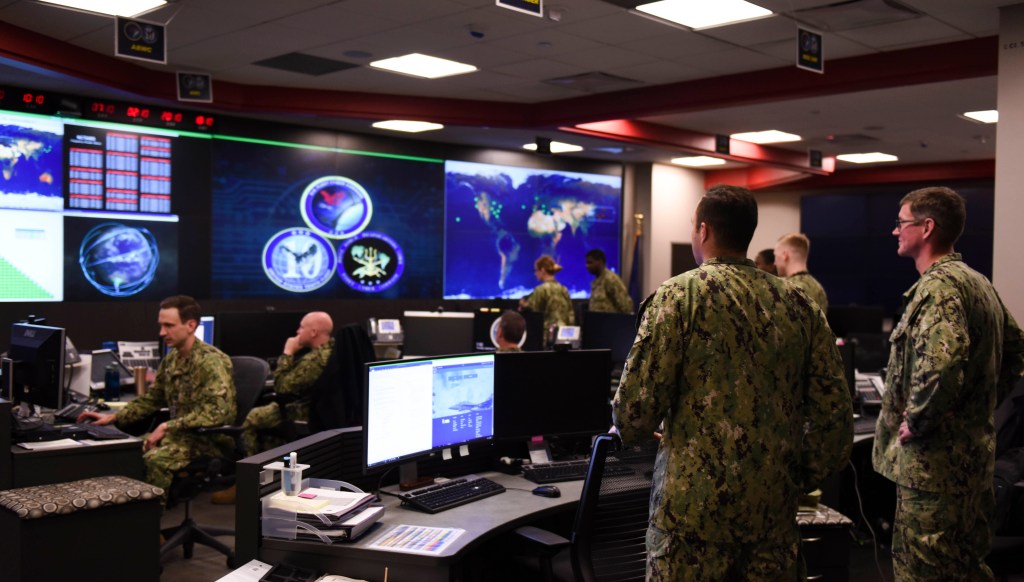
What the intel community needs to rethink in an age of information warfare
The U.S. national security community and its allies must be more publicly transparent about its methods and its findings if it hopes to fend off information warfare campaigns, a panel of experts said at the Defense News Conference.