-

Space Force to cost $2 billion, include 15,000 personnel in first five years
We now know the details of the Space Force.
-
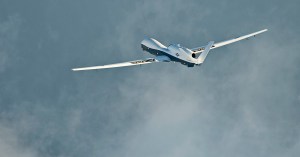
How a Triton mishap might boost confidence in autonomous vehicles
When autonomous vehicles respond as expected, especially in emergencies, it helps build trust in their systems.
-
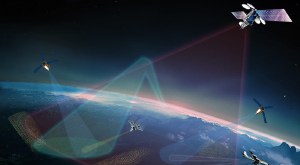
Here’s what the battlefield tech industry predicts for 2019
C4ISRNET asked industry leaders what trends they expect to see in 2019. This is what they said.
-

Is near-instant satellite imagery almost here?
Intelligence analysts and soldiers on the battlefield could have access to near real-time imagery from commercial satellites as soon as 2021 thanks to new industry partnerships.
-

What’s next for the Navy in space?
The Program Executive Officer Command, Control, Communications, Computers and Intelligence, as well as Space Systems, discusses what the Navy’s next task on orbit might be.
-
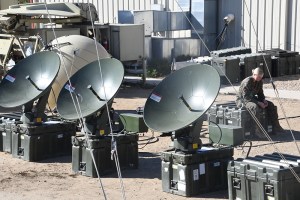
A new target for hackers? Satellites
Government and commercial satellite operators are increasingly the target of hackers, who are looking for inexpensive, but effective ways to limit space capabilities, according to a new report.
-
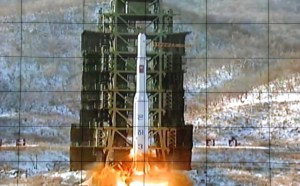
The sneaky ways China and Russia could threaten US satellites
Kinetic attacks in space are still possible, but nations are looking more towards electronic warfare and cyber attacks, a report has concluded.
-
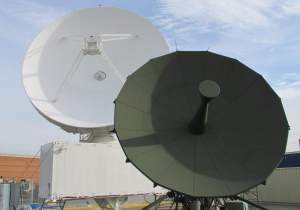
The satellite surprise inside the spending bill
The new spending plan Congressional leaders unveiled Wednesday unexpectedly includes $600 million for the Air Force to extend its wideband satellite communications program by two satellites.
-
Separating Space Corps from the Pentagon’s space troubles
Any renewed conversation about a Space Corps and the role of military space should emphasize the need for a more holistic, inclusive view of space, from satellites to terminals to networks.
-

Pentagon’s No. 2: Dismissing cyber risks is like ignoring smoking dangers
The Pentagon and its contractors need to take a more rigid and uncompromising approach to cybersecurity, a change in philosophy that would require a more active role from CEOs and industry leaders.
-
Space Force to cost $2 billion, include 15,000 personnel in first five years
We now know the details of the Space Force.
-
How a Triton mishap might boost confidence in autonomous vehicles
When autonomous vehicles respond as expected, especially in emergencies, it helps build trust in their systems.
-
Here’s what the battlefield tech industry predicts for 2019
C4ISRNET asked industry leaders what trends they expect to see in 2019. This is what they said.
-
Is near-instant satellite imagery almost here?
Intelligence analysts and soldiers on the battlefield could have access to near real-time imagery from commercial satellites as soon as 2021 thanks to new industry partnerships.
-
What’s next for the Navy in space?
The Program Executive Officer Command, Control, Communications, Computers and Intelligence, as well as Space Systems, discusses what the Navy’s next task on orbit might be.
-
A new target for hackers? Satellites
Government and commercial satellite operators are increasingly the target of hackers, who are looking for inexpensive, but effective ways to limit space capabilities, according to a new report.
-
The sneaky ways China and Russia could threaten US satellites
Kinetic attacks in space are still possible, but nations are looking more towards electronic warfare and cyber attacks, a report has concluded.
-
The satellite surprise inside the spending bill
The new spending plan Congressional leaders unveiled Wednesday unexpectedly includes $600 million for the Air Force to extend its wideband satellite communications program by two satellites.
-
Separating Space Corps from the Pentagon’s space troubles
Any renewed conversation about a Space Corps and the role of military space should emphasize the need for a more holistic, inclusive view of space, from satellites to terminals to networks.
-
Pentagon’s No. 2: Dismissing cyber risks is like ignoring smoking dangers
The Pentagon and its contractors need to take a more rigid and uncompromising approach to cybersecurity, a change in philosophy that would require a more active role from CEOs and industry leaders.
-
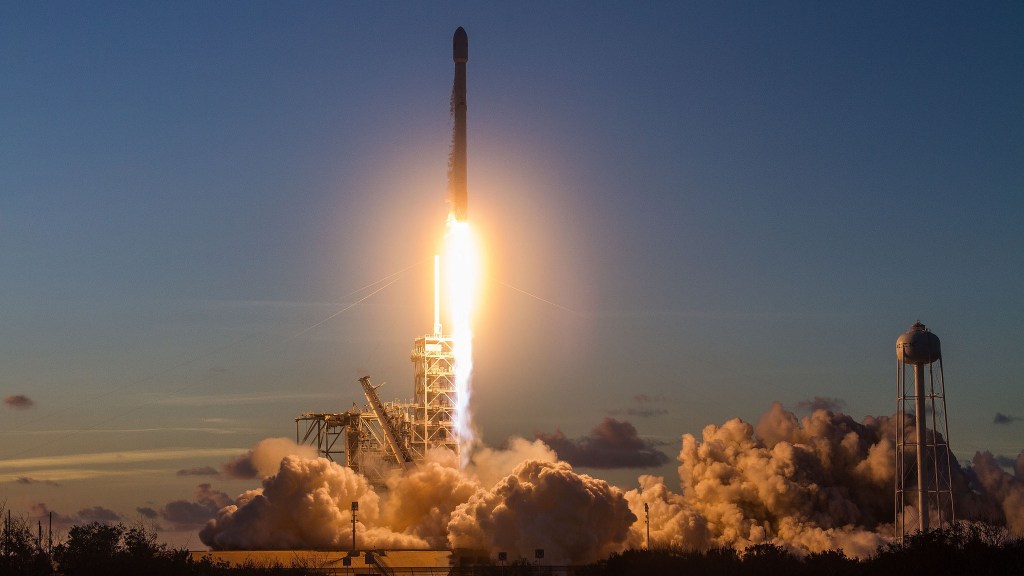
Space Force to cost $2 billion, include 15,000 personnel in first five years
We now know the details of the Space Force.
-
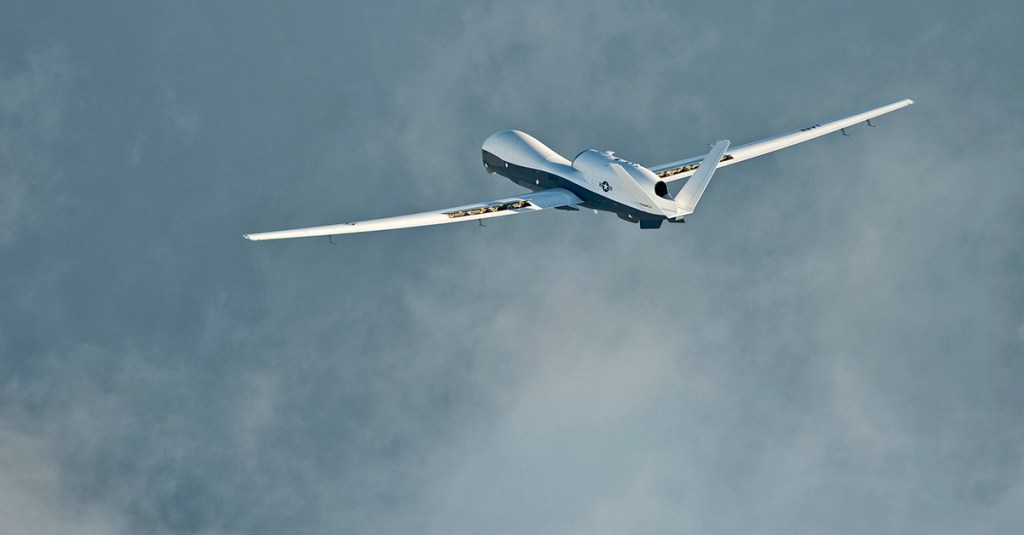
How a Triton mishap might boost confidence in autonomous vehicles
When autonomous vehicles respond as expected, especially in emergencies, it helps build trust in their systems.
-
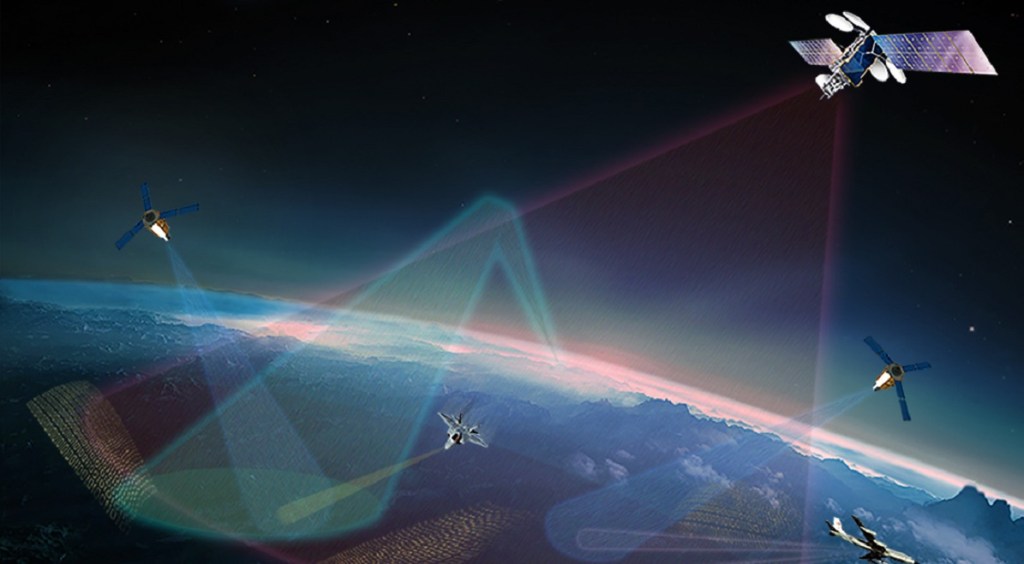
Here’s what the battlefield tech industry predicts for 2019
C4ISRNET asked industry leaders what trends they expect to see in 2019. This is what they said.
-
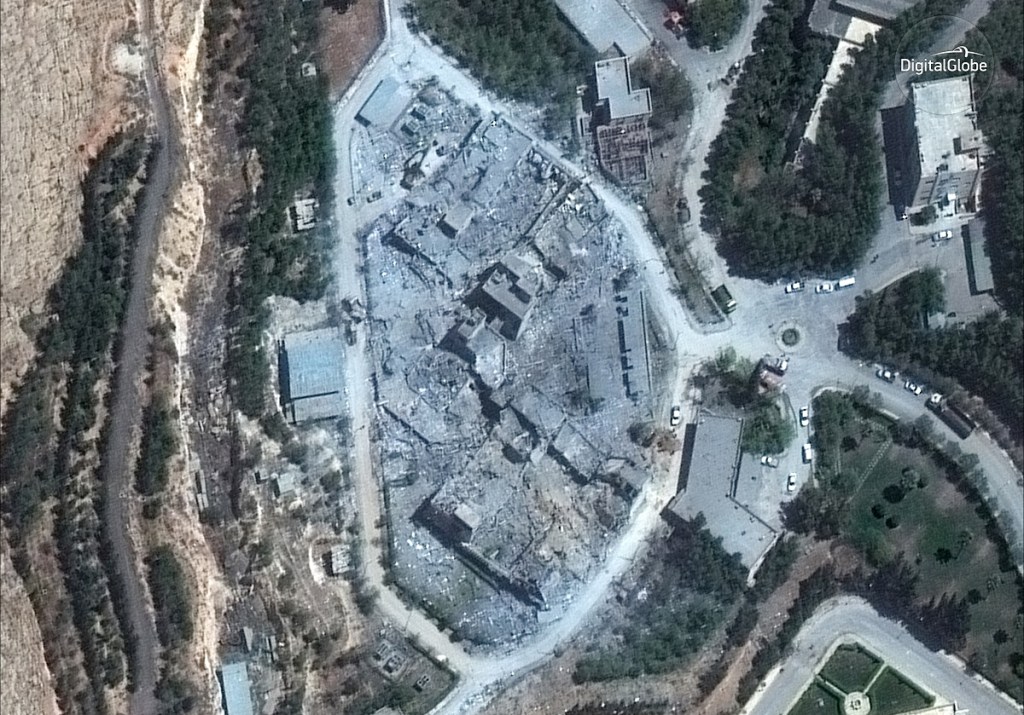
Is near-instant satellite imagery almost here?
Intelligence analysts and soldiers on the battlefield could have access to near real-time imagery from commercial satellites as soon as 2021 thanks to new industry partnerships.
-
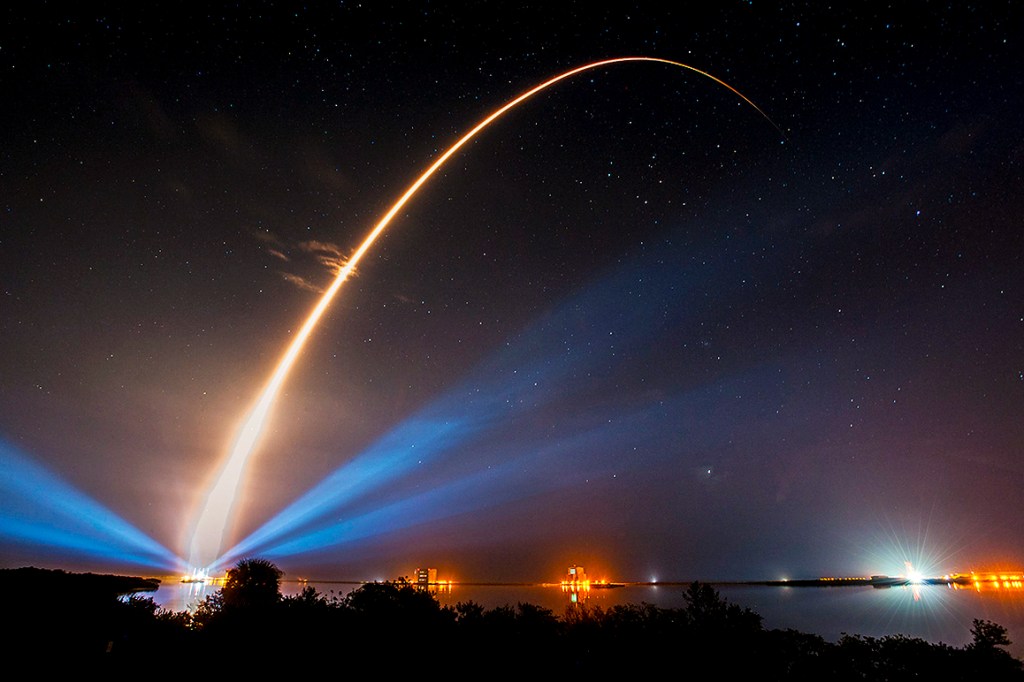
What’s next for the Navy in space?
The Program Executive Officer Command, Control, Communications, Computers and Intelligence, as well as Space Systems, discusses what the Navy’s next task on orbit might be.
-
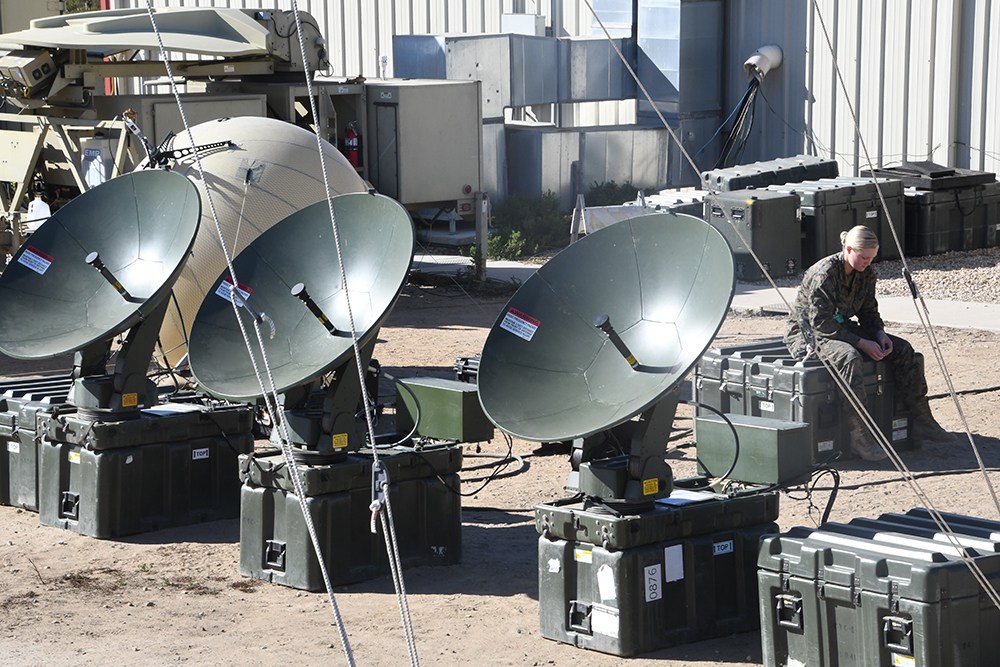
A new target for hackers? Satellites
Government and commercial satellite operators are increasingly the target of hackers, who are looking for inexpensive, but effective ways to limit space capabilities, according to a new report.
-
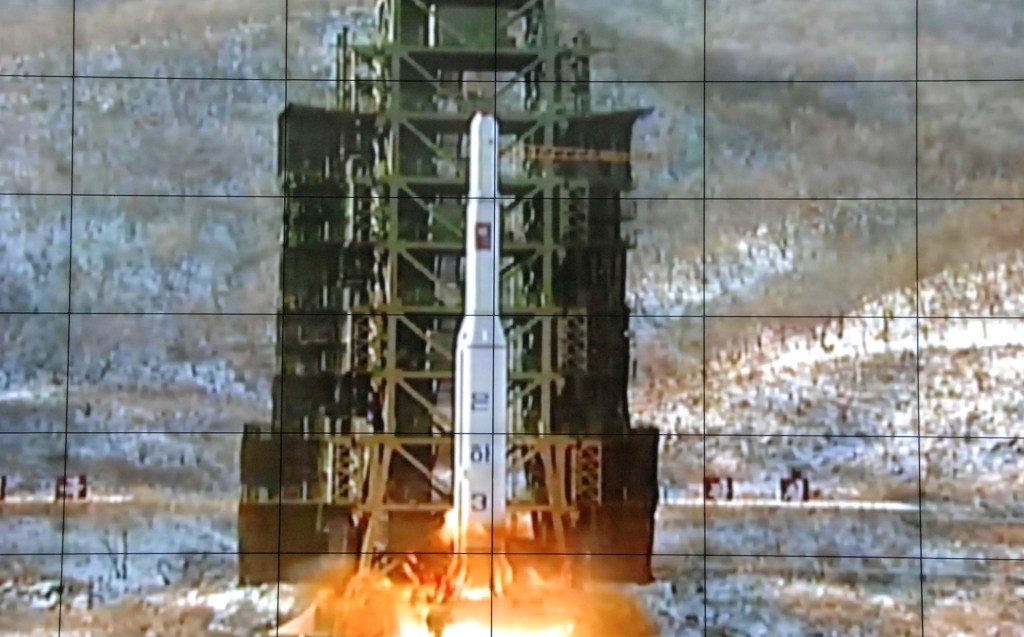
The sneaky ways China and Russia could threaten US satellites
Kinetic attacks in space are still possible, but nations are looking more towards electronic warfare and cyber attacks, a report has concluded.
-
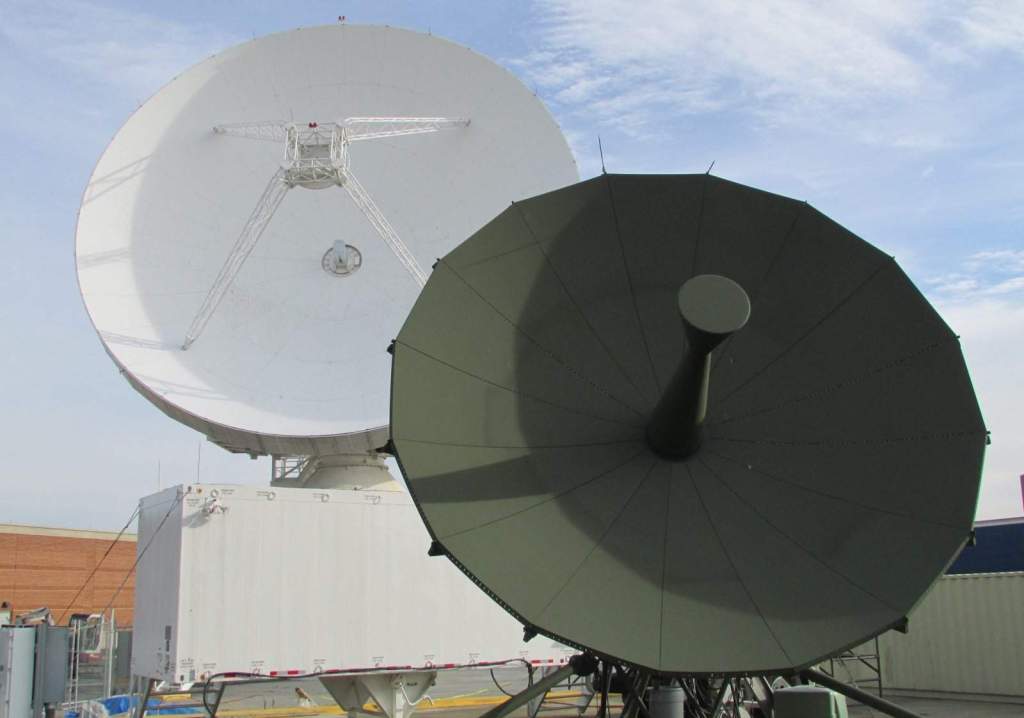
The satellite surprise inside the spending bill
The new spending plan Congressional leaders unveiled Wednesday unexpectedly includes $600 million for the Air Force to extend its wideband satellite communications program by two satellites.
-
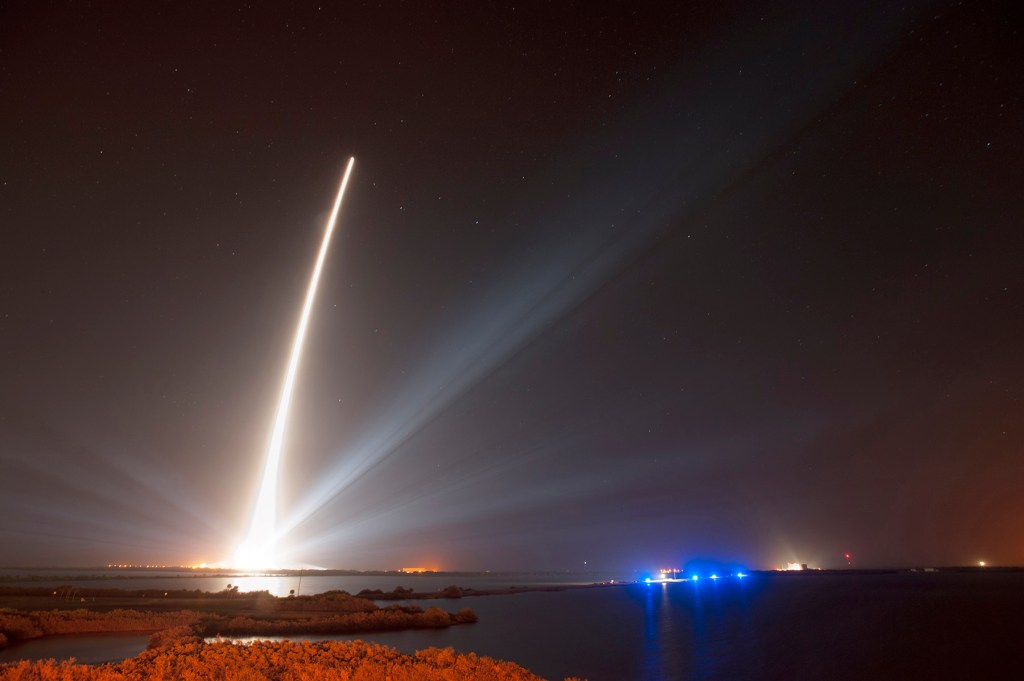
Separating Space Corps from the Pentagon’s space troubles
Any renewed conversation about a Space Corps and the role of military space should emphasize the need for a more holistic, inclusive view of space, from satellites to terminals to networks.
-

Pentagon’s No. 2: Dismissing cyber risks is like ignoring smoking dangers
The Pentagon and its contractors need to take a more rigid and uncompromising approach to cybersecurity, a change in philosophy that would require a more active role from CEOs and industry leaders.