

-

AT&T sees progress in Navy’s 5G smart warehouse experiment
The smart warehouse project is part of a $600 million investment by the Pentagon in testing and experimenting with 5G networks at military installations.
-

Here’s how intelligence agencies can search foreign documents without learning the language
The new machine learning system developed by Raytheon BBN Technologies in partnership with the Intelligence Advanced Research Projects Activity allows English-speaking users to search foreign documents and speech without knowing the language.
-

National Reconnaissance Office awards five contracts for commercial satellite radar capabilities
Synthetic Aperture Radar, or SAR, uses radar to produce images. Unlike traditional electro-optical imagery, SAR is unaffected by cloud cover, darkness or inclement weather, making it useful for a number of intelligence missions.
-

Most federal agencies still aren’t meeting cybersecurity targets
A Jan. 11 Government Accountability Office report found that as of fiscal year 2020 federal civilian agencies were inconsistent in implementing cybersecurity policies and practices.
-

President nominates new chief for National Geospatial-Intelligence Agency
If confirmed by the Senate, the current director of intelligence for the Joint Staff would take over the NGA, the intelligence agency in charge of analyzing and distributing geospatial intelligence for the national security community.
-
The US Army sees a future of robots and AI. But what if budget cuts and leadership changes get in the way?
Four years into Army Futures Command, experts say the effort is on track, but they warn that leadership changes, potential budget cuts and a few contracting and technological hiccups could put it at risk.
-

What will the US Space Force be able to do with its new GPS III variant?
The U.S. Space Force has yet to launch all of the GPS III satellites at its disposal, but work on new, more powerful versions is already underway.
-

Naval Surface Warfare Center invests in additive manufacturing prototypes
The Pentagon believes new additive manufacturing techniques could help them protect military technologies from tampering or intrusion.
-

Kristin Robertson to lead Raytheon’s space efforts
Robertson joins Raytheon from Boeing, where she led that company’s autonomous systems business.
-

Space Force issues $32 million contract for prototype space-based sensor
The prototypes would be hosted on satellites operated by U.S. government and international partners.
-
AT&T sees progress in Navy’s 5G smart warehouse experiment
The smart warehouse project is part of a $600 million investment by the Pentagon in testing and experimenting with 5G networks at military installations.
-
Here’s how intelligence agencies can search foreign documents without learning the language
The new machine learning system developed by Raytheon BBN Technologies in partnership with the Intelligence Advanced Research Projects Activity allows English-speaking users to search foreign documents and speech without knowing the language.
-
National Reconnaissance Office awards five contracts for commercial satellite radar capabilities
Synthetic Aperture Radar, or SAR, uses radar to produce images. Unlike traditional electro-optical imagery, SAR is unaffected by cloud cover, darkness or inclement weather, making it useful for a number of intelligence missions.
-
Most federal agencies still aren’t meeting cybersecurity targets
A Jan. 11 Government Accountability Office report found that as of fiscal year 2020 federal civilian agencies were inconsistent in implementing cybersecurity policies and practices.
-
President nominates new chief for National Geospatial-Intelligence Agency
If confirmed by the Senate, the current director of intelligence for the Joint Staff would take over the NGA, the intelligence agency in charge of analyzing and distributing geospatial intelligence for the national security community.
-
The US Army sees a future of robots and AI. But what if budget cuts and leadership changes get in the way?
Four years into Army Futures Command, experts say the effort is on track, but they warn that leadership changes, potential budget cuts and a few contracting and technological hiccups could put it at risk.
-
What will the US Space Force be able to do with its new GPS III variant?
The U.S. Space Force has yet to launch all of the GPS III satellites at its disposal, but work on new, more powerful versions is already underway.
-
Naval Surface Warfare Center invests in additive manufacturing prototypes
The Pentagon believes new additive manufacturing techniques could help them protect military technologies from tampering or intrusion.
-
Kristin Robertson to lead Raytheon’s space efforts
Robertson joins Raytheon from Boeing, where she led that company’s autonomous systems business.
-
Space Force issues $32 million contract for prototype space-based sensor
The prototypes would be hosted on satellites operated by U.S. government and international partners.
-

AT&T sees progress in Navy’s 5G smart warehouse experiment
The smart warehouse project is part of a $600 million investment by the Pentagon in testing and experimenting with 5G networks at military installations.
-

Here’s how intelligence agencies can search foreign documents without learning the language
The new machine learning system developed by Raytheon BBN Technologies in partnership with the Intelligence Advanced Research Projects Activity allows English-speaking users to search foreign documents and speech without knowing the language.
-

National Reconnaissance Office awards five contracts for commercial satellite radar capabilities
Synthetic Aperture Radar, or SAR, uses radar to produce images. Unlike traditional electro-optical imagery, SAR is unaffected by cloud cover, darkness or inclement weather, making it useful for a number of intelligence missions.
-

Most federal agencies still aren’t meeting cybersecurity targets
A Jan. 11 Government Accountability Office report found that as of fiscal year 2020 federal civilian agencies were inconsistent in implementing cybersecurity policies and practices.
-

President nominates new chief for National Geospatial-Intelligence Agency
If confirmed by the Senate, the current director of intelligence for the Joint Staff would take over the NGA, the intelligence agency in charge of analyzing and distributing geospatial intelligence for the national security community.
-
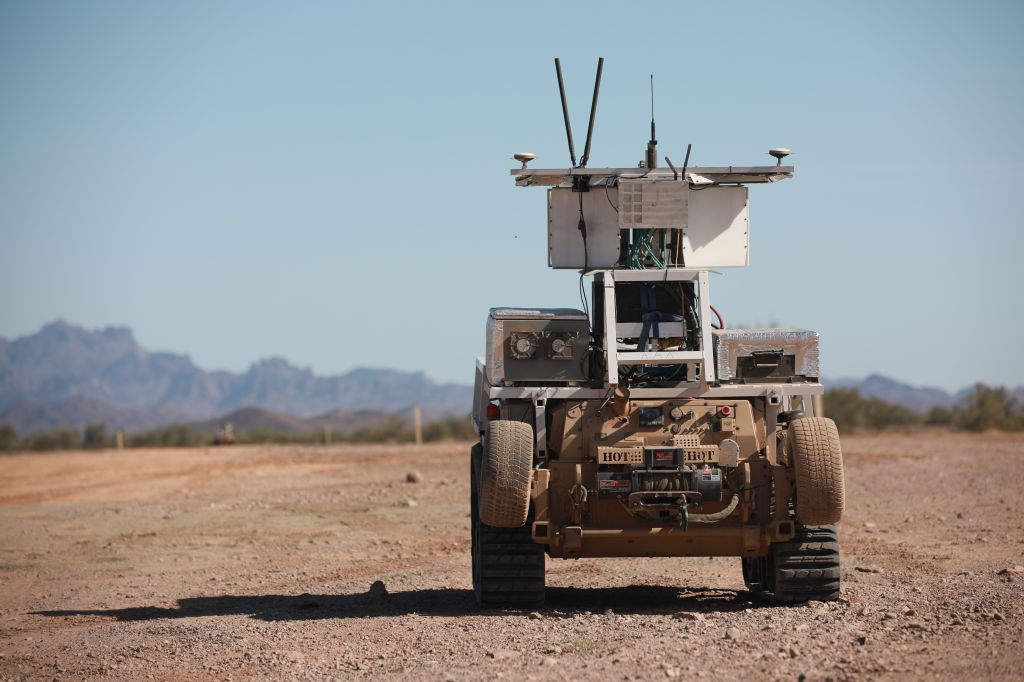
The US Army sees a future of robots and AI. But what if budget cuts and leadership changes get in the way?
Four years into Army Futures Command, experts say the effort is on track, but they warn that leadership changes, potential budget cuts and a few contracting and technological hiccups could put it at risk.
-
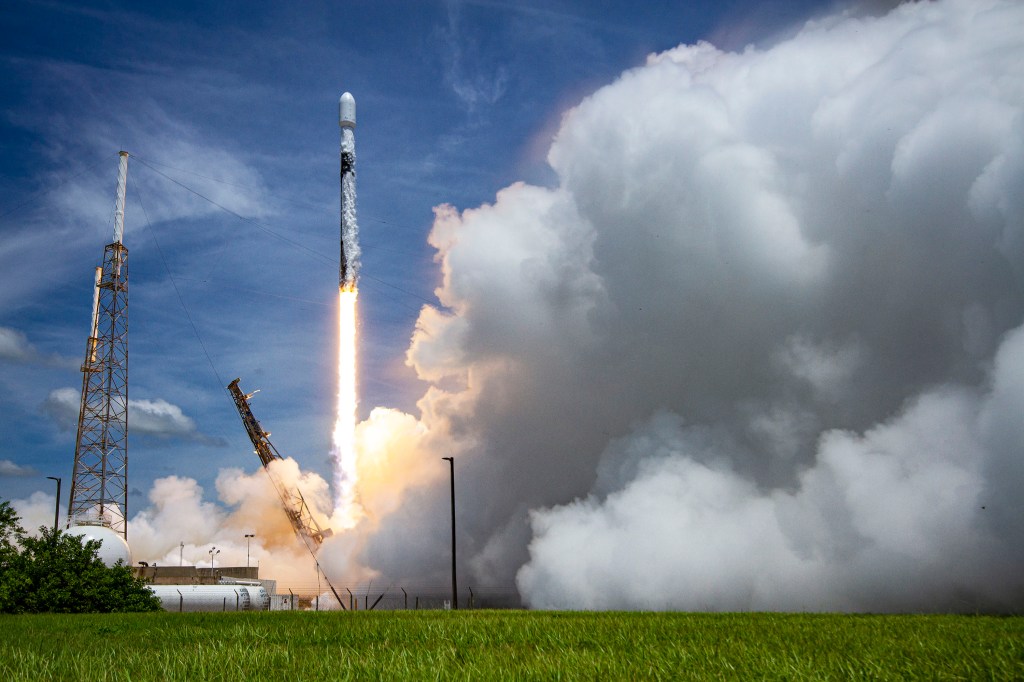
What will the US Space Force be able to do with its new GPS III variant?
The U.S. Space Force has yet to launch all of the GPS III satellites at its disposal, but work on new, more powerful versions is already underway.
-
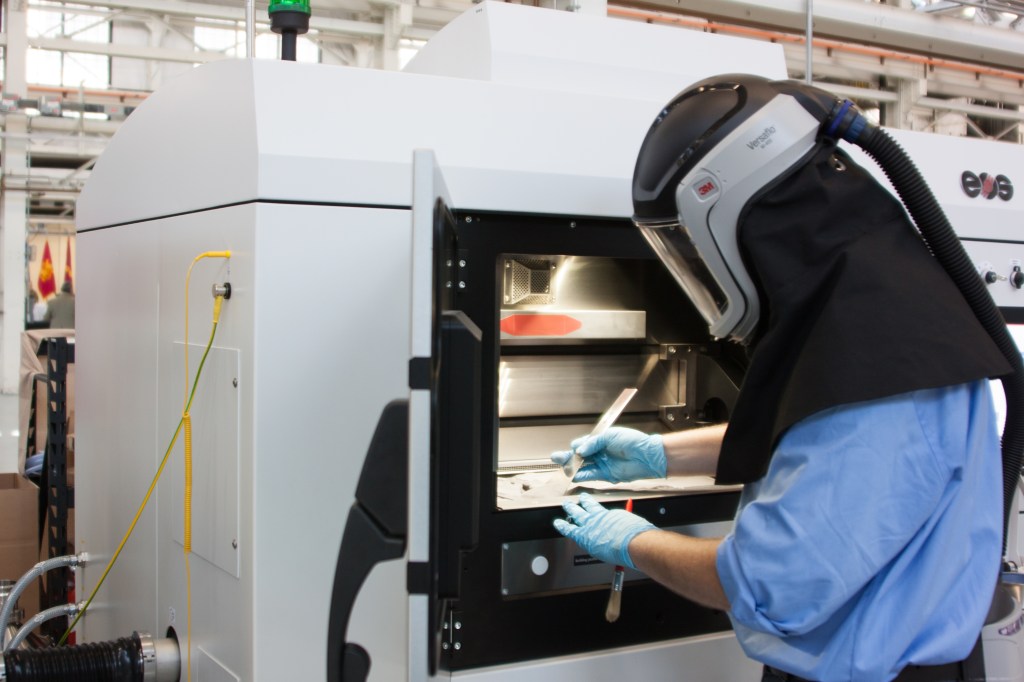
Naval Surface Warfare Center invests in additive manufacturing prototypes
The Pentagon believes new additive manufacturing techniques could help them protect military technologies from tampering or intrusion.
-
Kristin Robertson to lead Raytheon’s space efforts
Robertson joins Raytheon from Boeing, where she led that company’s autonomous systems business.
-
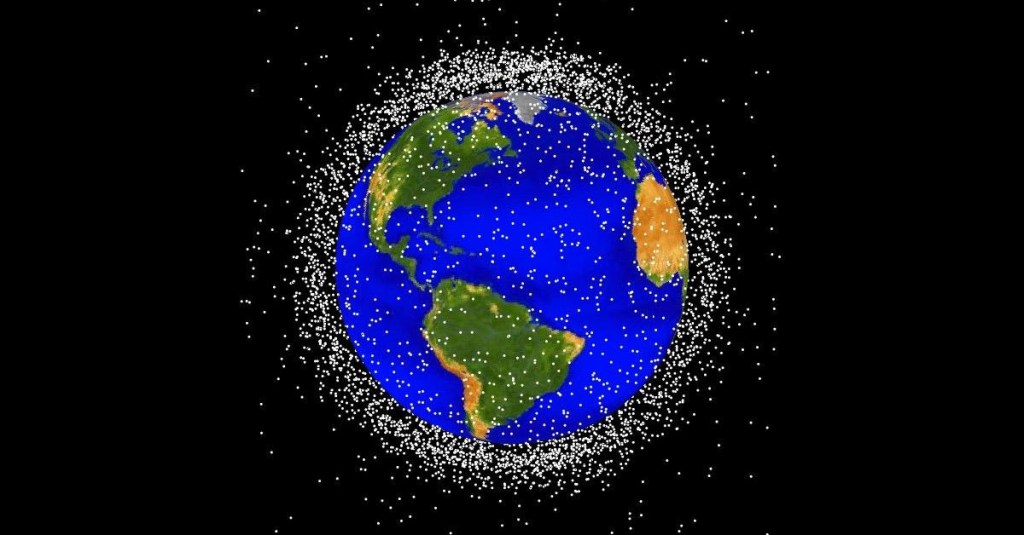
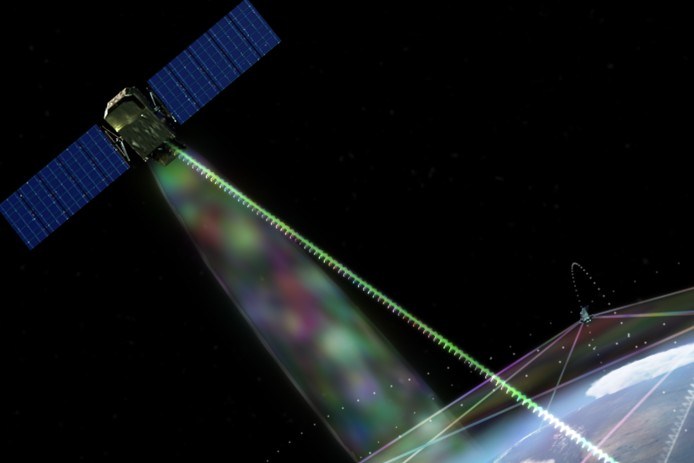
Space Force issues $32 million contract for prototype space-based sensor
The prototypes would be hosted on satellites operated by U.S. government and international partners.


