-
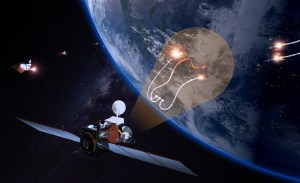
Space Development Agency launches experimental infrared sensor into orbit
The demonstration will help the agency reduce background noise and detect hypersonic weapons from space.
-
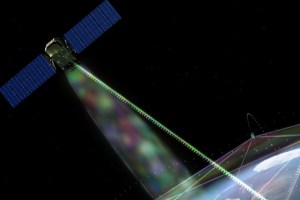
Anti-satellite weapons push military to rethink where it puts missile sentinels in space
An increase in counterspace weapons is challenging the military’s approach of placing all of its billion-dollar eggs (exquisite satellites) in one basket (far-out geosynchronous orbit).
-

How Air Force Materiel Command will help the Space Force
As leadership had suggested over the past two years, the Space Force will lean heavily on the Air Force for base support.
-
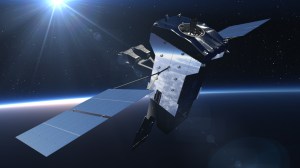
Northrop Grumman, Ball Aerospace clear milestone for missile warning payload
The payload will fly on one of the first geostationary Next Generation Overhead Persistent Infrared satellites.
-

The Space Force wants to manage acquisitions by portfolio
Changing the service’s budget practices could enable more flexibility to shift funding among programs.
-
Space Force launches small satellite to test new sensor possibilities
The Air Force Research Laboratory satellite was launched into orbit aboard a Rocket Lab Electron rocket taking off from New Zealand.
-

Commander of the Space and Missile Systems Center retires
Lt. Gen. John Thompson retires after four years in charge of the Space Force’s main acquisitions organization.
-

National Geospatial-Intelligence Agency opens new lab for unclassified collaboration
The new space continues NGA’s investment in St. Louis as a GEOINT hub.
-

Space Force delivers software upgrades to satellite communications system
The Advanced Extremely High Frequency system provides survivable, anti-jam satellite communications that can allow secure communications through a nuclear conflict.
-
National Reconnaissance Office wants a more distributed architecture
In response to the growing prominence of counterspace weapons, the agency wants to put up more satellites in multiple orbits.
-
Space Development Agency launches experimental infrared sensor into orbit
The demonstration will help the agency reduce background noise and detect hypersonic weapons from space.
-
Anti-satellite weapons push military to rethink where it puts missile sentinels in space
An increase in counterspace weapons is challenging the military’s approach of placing all of its billion-dollar eggs (exquisite satellites) in one basket (far-out geosynchronous orbit).
-
How Air Force Materiel Command will help the Space Force
As leadership had suggested over the past two years, the Space Force will lean heavily on the Air Force for base support.
-
Northrop Grumman, Ball Aerospace clear milestone for missile warning payload
The payload will fly on one of the first geostationary Next Generation Overhead Persistent Infrared satellites.
-
The Space Force wants to manage acquisitions by portfolio
Changing the service’s budget practices could enable more flexibility to shift funding among programs.
-
Space Force launches small satellite to test new sensor possibilities
The Air Force Research Laboratory satellite was launched into orbit aboard a Rocket Lab Electron rocket taking off from New Zealand.
-
Commander of the Space and Missile Systems Center retires
Lt. Gen. John Thompson retires after four years in charge of the Space Force’s main acquisitions organization.
-
National Geospatial-Intelligence Agency opens new lab for unclassified collaboration
The new space continues NGA’s investment in St. Louis as a GEOINT hub.
-
Space Force delivers software upgrades to satellite communications system
The Advanced Extremely High Frequency system provides survivable, anti-jam satellite communications that can allow secure communications through a nuclear conflict.
-
National Reconnaissance Office wants a more distributed architecture
In response to the growing prominence of counterspace weapons, the agency wants to put up more satellites in multiple orbits.
-
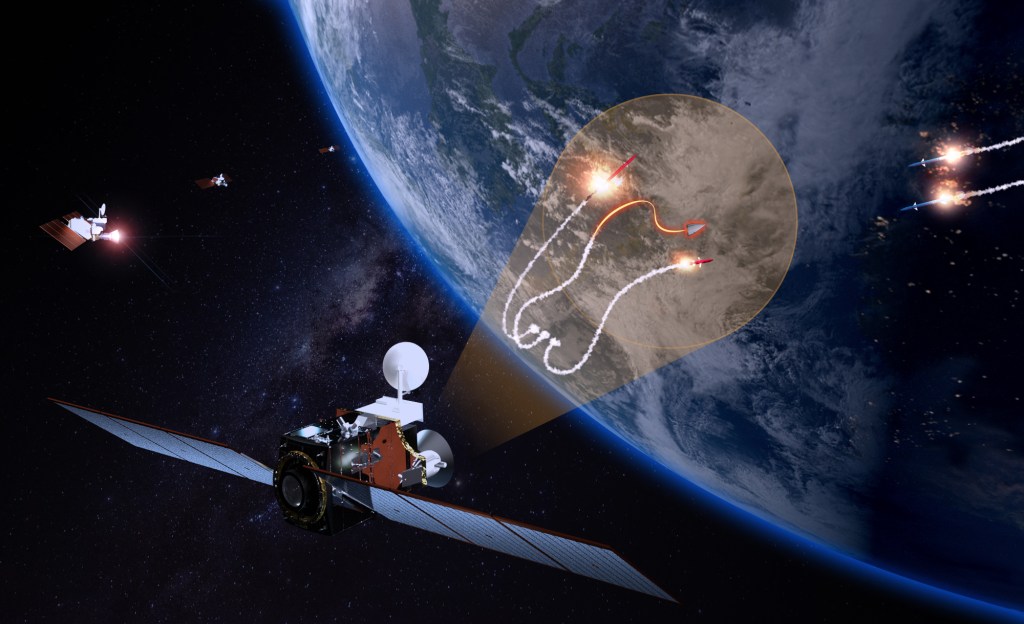
Space Development Agency launches experimental infrared sensor into orbit
The demonstration will help the agency reduce background noise and detect hypersonic weapons from space.
-
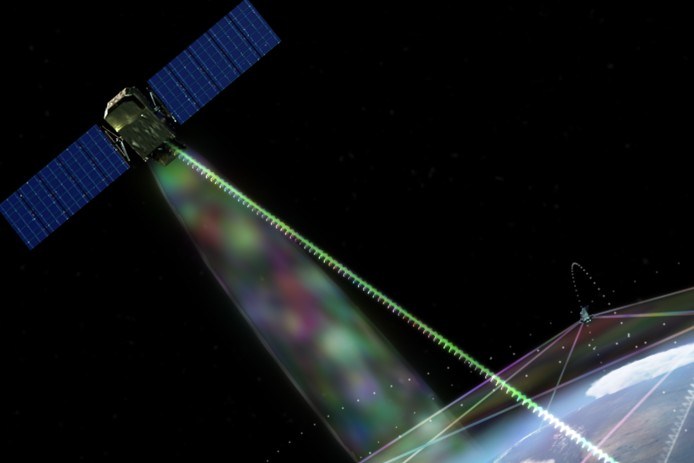
Anti-satellite weapons push military to rethink where it puts missile sentinels in space
An increase in counterspace weapons is challenging the military’s approach of placing all of its billion-dollar eggs (exquisite satellites) in one basket (far-out geosynchronous orbit).
-
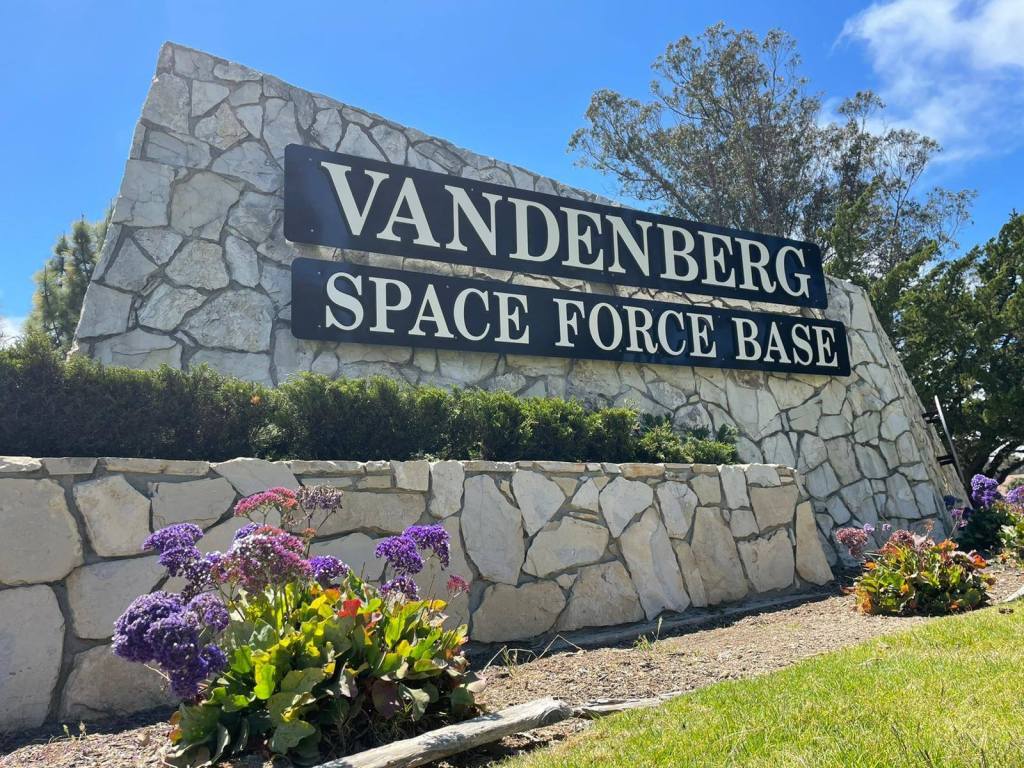
How Air Force Materiel Command will help the Space Force
As leadership had suggested over the past two years, the Space Force will lean heavily on the Air Force for base support.
-
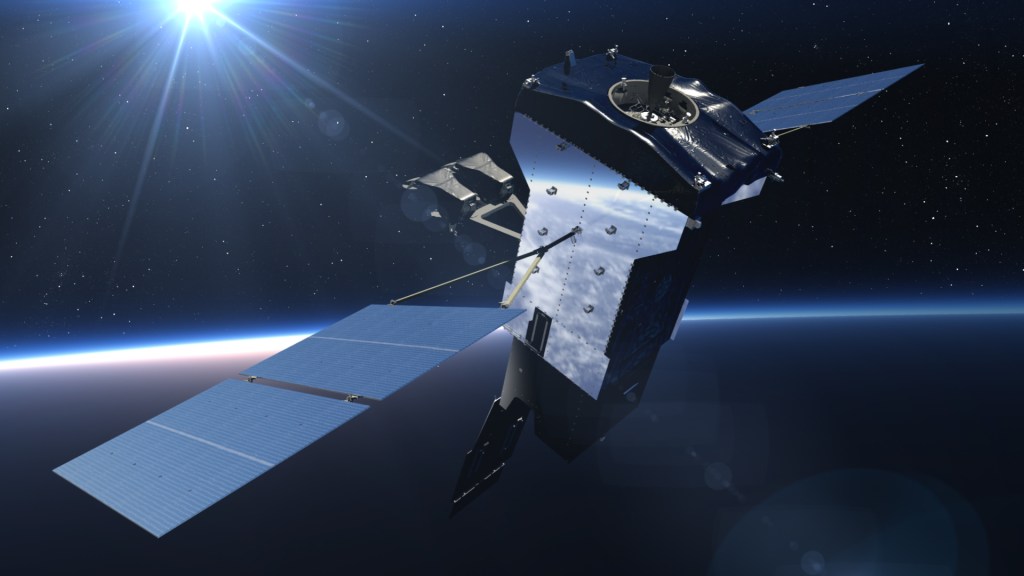
Northrop Grumman, Ball Aerospace clear milestone for missile warning payload
The payload will fly on one of the first geostationary Next Generation Overhead Persistent Infrared satellites.
-

The Space Force wants to manage acquisitions by portfolio
Changing the service’s budget practices could enable more flexibility to shift funding among programs.
-
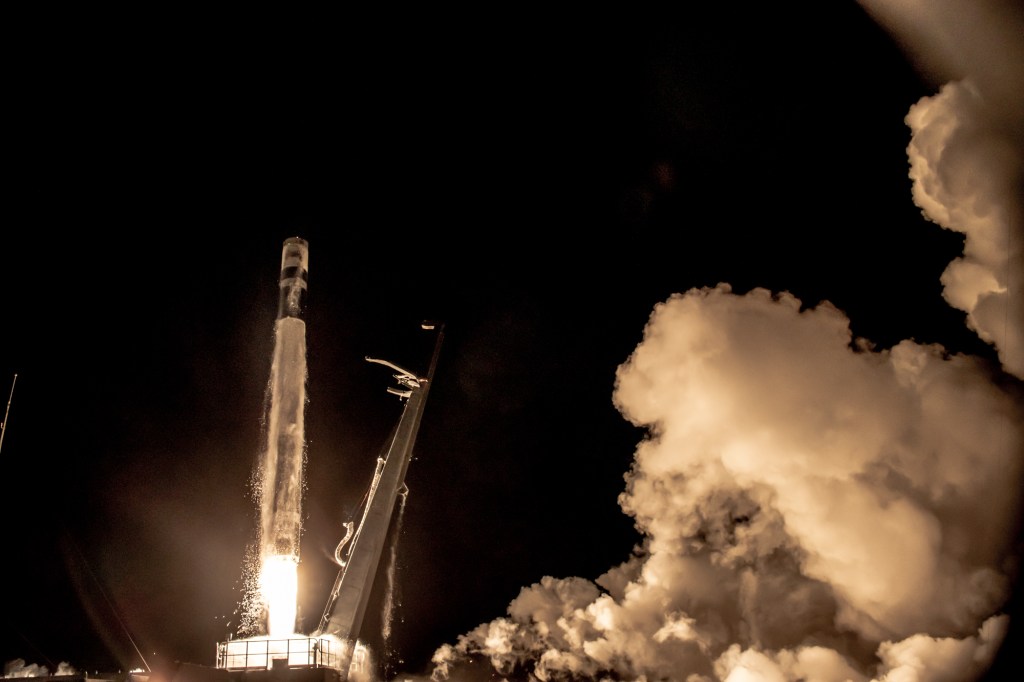
Space Force launches small satellite to test new sensor possibilities
The Air Force Research Laboratory satellite was launched into orbit aboard a Rocket Lab Electron rocket taking off from New Zealand.
-
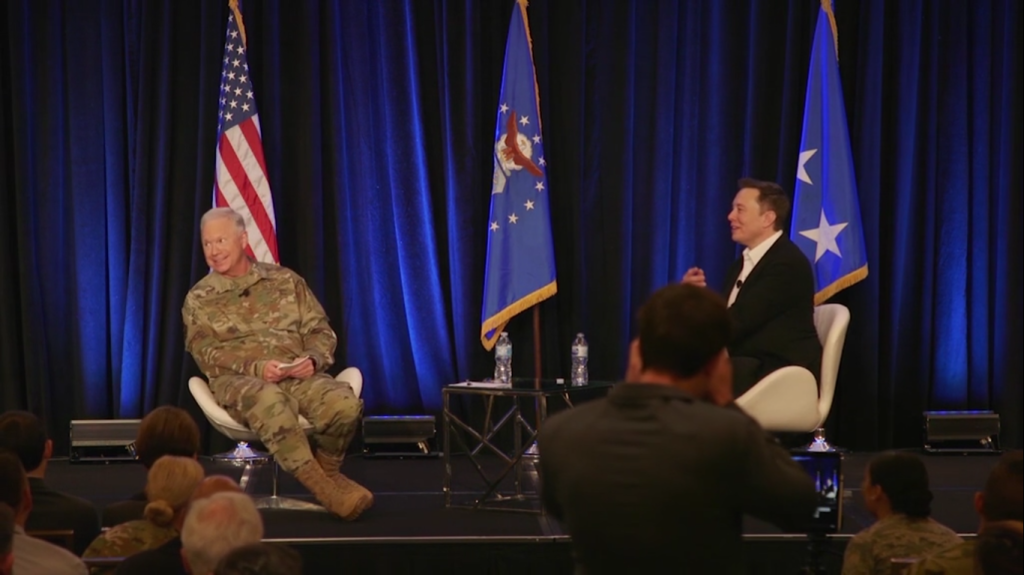
Commander of the Space and Missile Systems Center retires
Lt. Gen. John Thompson retires after four years in charge of the Space Force’s main acquisitions organization.
-

National Geospatial-Intelligence Agency opens new lab for unclassified collaboration
The new space continues NGA’s investment in St. Louis as a GEOINT hub.
-
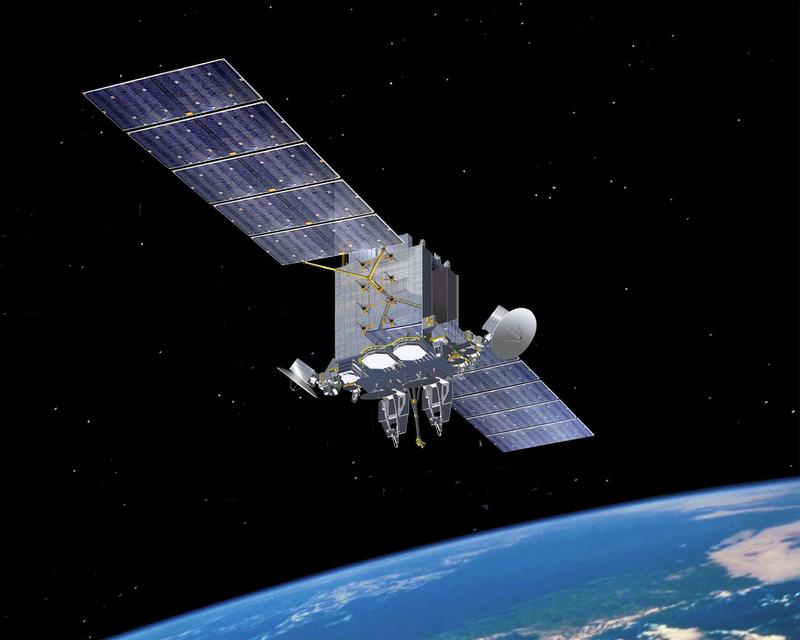
Space Force delivers software upgrades to satellite communications system
The Advanced Extremely High Frequency system provides survivable, anti-jam satellite communications that can allow secure communications through a nuclear conflict.
-

National Reconnaissance Office wants a more distributed architecture
In response to the growing prominence of counterspace weapons, the agency wants to put up more satellites in multiple orbits.