-
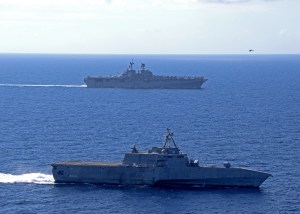
Sea power panel backs block buy of amphibious ships
A House panel has advanced a proposal to authorize the Navy to make a block buy of amphibious ships for one more year, meant to save taxpayer dollars, proponents say.
-
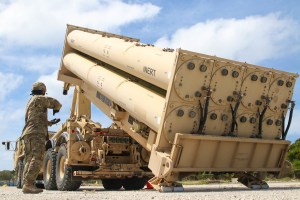
Lawmakers demand clearer picture for Guam missile defense plans
Lawmakers are demanding the Missile Defense Agency produce a detailed plan for a missile defense capability for Guam that can defeat future threats.
-

National Geospatial-Intelligence Agency opens new lab for unclassified collaboration
The new space continues NGA’s investment in St. Louis as a GEOINT hub.
-
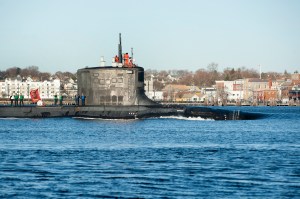
Submarine leaders want to tap into JADC2 network without giving away their position
Everything the submarine force is doing today – from experimenting with unmanned systems to finding its place within a joint force command and control network to growing from a recent low in force size – is done with a mindset of preparing to win major combat operations, submarine force leadership said.
-

National Reconnaissance Office wants a more distributed architecture
In response to the growing prominence of counterspace weapons, the agency wants to put up more satellites in multiple orbits.
-

Submarine industry is growing less fragile, but it needs stability going into SSN(X), increased repair work
Consistent funding will help the submarine industrial base accomplish the delicate task of maintaining today’s construction requirement while also providing increased submarine maintenance capacity and designing the SSN(X) next-generation attack submarine, industry and U.S. Navy leaders said.
-

Gilday: The budget request supports future fleet vision, even if it’s a smaller fleet
The chief of naval operations remains firm that the fiscal 2022 budget request is well aligned with the U.S. Navy’s future fleet design plans – even if current spending levels would force the fleet to shrink instead of grow towards the 355-ship goal.
-

National Reconnaissance Office extends contract for commercial imagery
Planet Federal will continue to provide access to its daily satellite imagery to the intelligence community.
-
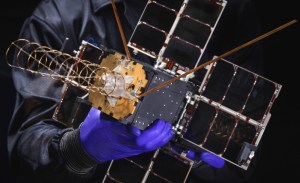
With all three Gunsmoke-J satellites on orbit, the Army is ready to test space-based targeting
While satellite imagery has traditionally been a product of the intelligence community, the development of relatively affordable yet highly capable small satellites that can operate in low Earth orbit has convinced military leaders that they can play a tactical role on the battlefield.
-
House appropriators fund Hawaii missile defense radar, but cut dollars for Guam
The House Appropriations Committee is cutting a chunk out of the Missile Defense Agency’s funding to set up a more robust missile defense architecture to defend Guam.
-
Sea power panel backs block buy of amphibious ships
A House panel has advanced a proposal to authorize the Navy to make a block buy of amphibious ships for one more year, meant to save taxpayer dollars, proponents say.
-
Lawmakers demand clearer picture for Guam missile defense plans
Lawmakers are demanding the Missile Defense Agency produce a detailed plan for a missile defense capability for Guam that can defeat future threats.
-
National Geospatial-Intelligence Agency opens new lab for unclassified collaboration
The new space continues NGA’s investment in St. Louis as a GEOINT hub.
-
Submarine leaders want to tap into JADC2 network without giving away their position
Everything the submarine force is doing today – from experimenting with unmanned systems to finding its place within a joint force command and control network to growing from a recent low in force size – is done with a mindset of preparing to win major combat operations, submarine force leadership said.
-
National Reconnaissance Office wants a more distributed architecture
In response to the growing prominence of counterspace weapons, the agency wants to put up more satellites in multiple orbits.
-
Submarine industry is growing less fragile, but it needs stability going into SSN(X), increased repair work
Consistent funding will help the submarine industrial base accomplish the delicate task of maintaining today’s construction requirement while also providing increased submarine maintenance capacity and designing the SSN(X) next-generation attack submarine, industry and U.S. Navy leaders said.
-
Gilday: The budget request supports future fleet vision, even if it’s a smaller fleet
The chief of naval operations remains firm that the fiscal 2022 budget request is well aligned with the U.S. Navy’s future fleet design plans – even if current spending levels would force the fleet to shrink instead of grow towards the 355-ship goal.
-
National Reconnaissance Office extends contract for commercial imagery
Planet Federal will continue to provide access to its daily satellite imagery to the intelligence community.
-
With all three Gunsmoke-J satellites on orbit, the Army is ready to test space-based targeting
While satellite imagery has traditionally been a product of the intelligence community, the development of relatively affordable yet highly capable small satellites that can operate in low Earth orbit has convinced military leaders that they can play a tactical role on the battlefield.
-
House appropriators fund Hawaii missile defense radar, but cut dollars for Guam
The House Appropriations Committee is cutting a chunk out of the Missile Defense Agency’s funding to set up a more robust missile defense architecture to defend Guam.
-

Sea power panel backs block buy of amphibious ships
A House panel has advanced a proposal to authorize the Navy to make a block buy of amphibious ships for one more year, meant to save taxpayer dollars, proponents say.
-
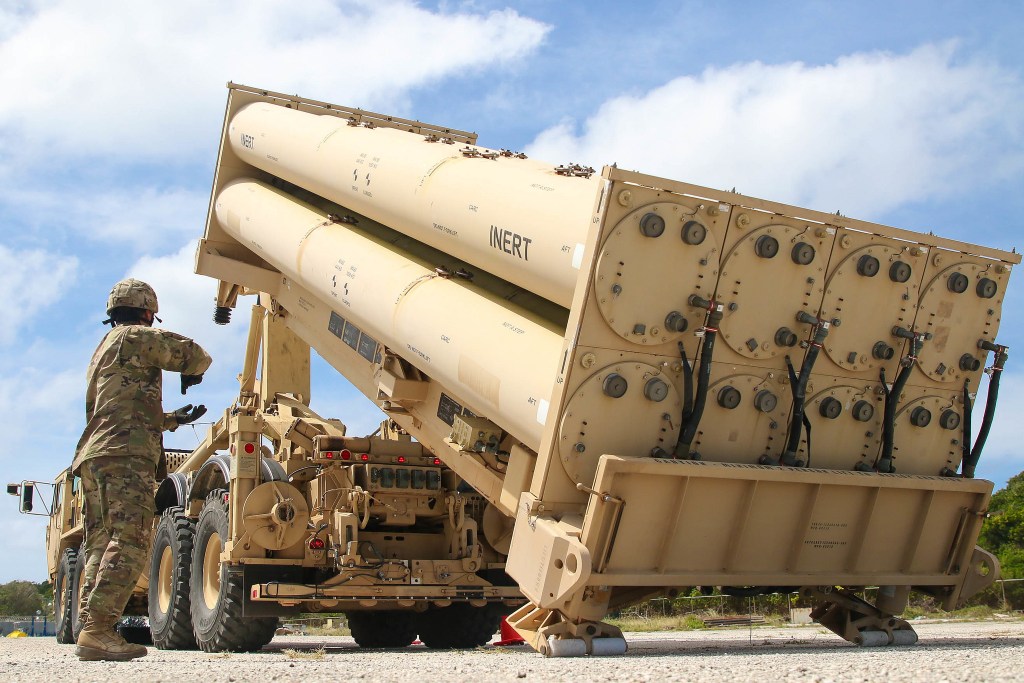
Lawmakers demand clearer picture for Guam missile defense plans
Lawmakers are demanding the Missile Defense Agency produce a detailed plan for a missile defense capability for Guam that can defeat future threats.
-

National Geospatial-Intelligence Agency opens new lab for unclassified collaboration
The new space continues NGA’s investment in St. Louis as a GEOINT hub.
-

Submarine leaders want to tap into JADC2 network without giving away their position
Everything the submarine force is doing today – from experimenting with unmanned systems to finding its place within a joint force command and control network to growing from a recent low in force size – is done with a mindset of preparing to win major combat operations, submarine force leadership said.
-

National Reconnaissance Office wants a more distributed architecture
In response to the growing prominence of counterspace weapons, the agency wants to put up more satellites in multiple orbits.
-

Submarine industry is growing less fragile, but it needs stability going into SSN(X), increased repair work
Consistent funding will help the submarine industrial base accomplish the delicate task of maintaining today’s construction requirement while also providing increased submarine maintenance capacity and designing the SSN(X) next-generation attack submarine, industry and U.S. Navy leaders said.
-

Gilday: The budget request supports future fleet vision, even if it’s a smaller fleet
The chief of naval operations remains firm that the fiscal 2022 budget request is well aligned with the U.S. Navy’s future fleet design plans – even if current spending levels would force the fleet to shrink instead of grow towards the 355-ship goal.
-

National Reconnaissance Office extends contract for commercial imagery
Planet Federal will continue to provide access to its daily satellite imagery to the intelligence community.
-
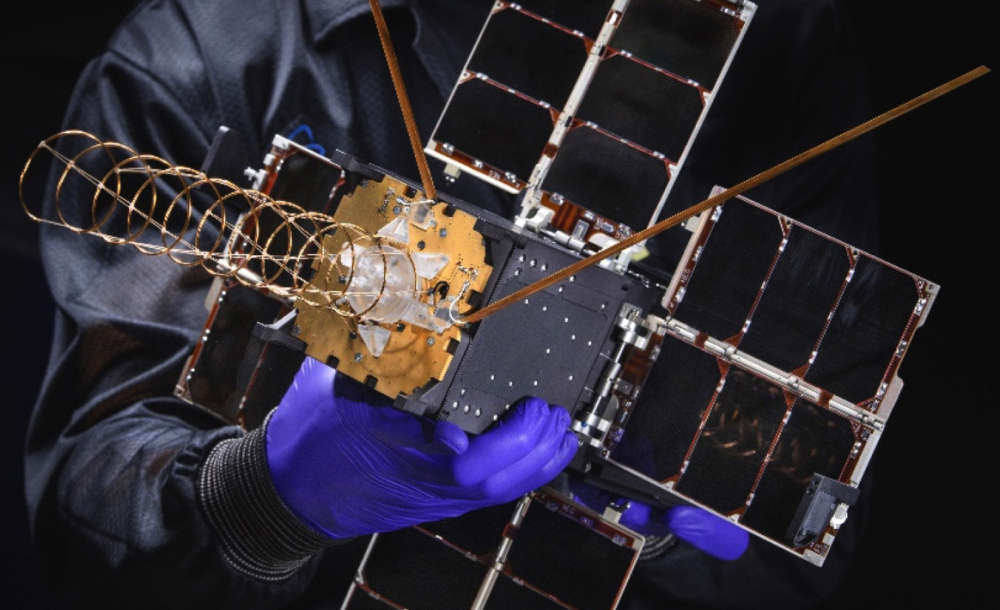
With all three Gunsmoke-J satellites on orbit, the Army is ready to test space-based targeting
While satellite imagery has traditionally been a product of the intelligence community, the development of relatively affordable yet highly capable small satellites that can operate in low Earth orbit has convinced military leaders that they can play a tactical role on the battlefield.
-
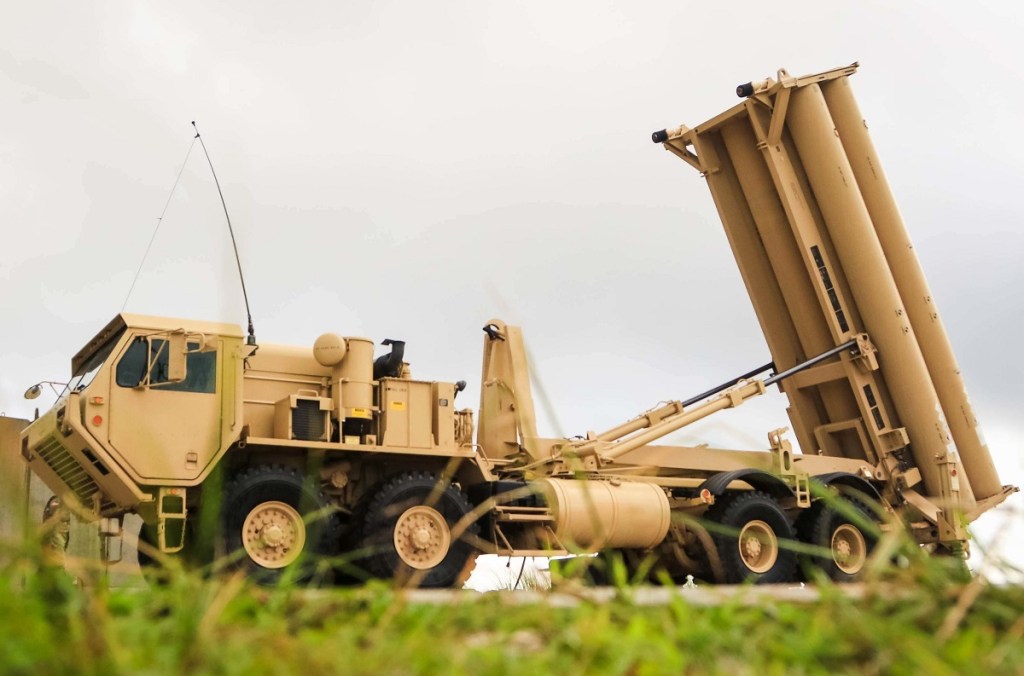
House appropriators fund Hawaii missile defense radar, but cut dollars for Guam
The House Appropriations Committee is cutting a chunk out of the Missile Defense Agency’s funding to set up a more robust missile defense architecture to defend Guam.