-

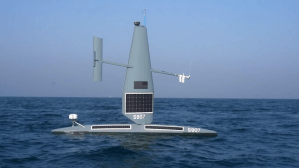
US Navy nears decisions on new small, medium underwater drones
The U.S. Navy is “well on its way” to delivering replacement small and medium unmanned underwater vehicles that will support the submarine and the expeditionary mine countermeasures communities.
-

Space Development Agency launches experimental infrared sensor into orbit
The demonstration will help the agency reduce background noise and detect hypersonic weapons from space.
-

Pentagon readies to identify integrated air and missile defense capability gaps
As the Joint Requirements Oversight Council continues to shape requirements needed to execute a new warfighting concept, it is planning to tackle integrated air-and-missile defense strategy.
-

Space Force planning for new component in the Middle East alongside AFCENT
Space Force leaders are hashing out a plan to create a new group under U.S. Central Command to coordinate what military space assets to use in the region.
-

Next flight test of hypersonic glide body expected by year’s end
The Army and Navy are preparing to conduct a second flight test of their hypersonic glide body, a critical milestone in the development of the Long-Range Hypersonic Weapon.
-
US Army’s critical missile defense system will play role at Project Convergence
The service is laser-focused on bringing the Integrated Battle Command System through an initial operational test set to begin next month.
-

Anti-satellite weapons push military to rethink where it puts missile sentinels in space
An increase in counterspace weapons is challenging the military’s approach of placing all of its billion-dollar eggs (exquisite satellites) in one basket (far-out geosynchronous orbit).
-

How will the Pentagon close the homeland missile defense gap?
Congress has renewed its push for answers on the Pentagon’s murky plans to develop a layered ballistic missile defense for the continental United States.
-

Navy willing to pay more for more maintainable ships
The Navy is willing to pay more for new ships upfront if it means saving on maintenance and personnel costs throughout the life of the program.
-

The Space Force wants to manage acquisitions by portfolio
Changing the service’s budget practices could enable more flexibility to shift funding among programs.
-
US Navy nears decisions on new small, medium underwater drones
The U.S. Navy is “well on its way” to delivering replacement small and medium unmanned underwater vehicles that will support the submarine and the expeditionary mine countermeasures communities.
-
Space Development Agency launches experimental infrared sensor into orbit
The demonstration will help the agency reduce background noise and detect hypersonic weapons from space.
-
Pentagon readies to identify integrated air and missile defense capability gaps
As the Joint Requirements Oversight Council continues to shape requirements needed to execute a new warfighting concept, it is planning to tackle integrated air-and-missile defense strategy.
-
Space Force planning for new component in the Middle East alongside AFCENT
Space Force leaders are hashing out a plan to create a new group under U.S. Central Command to coordinate what military space assets to use in the region.
-
Next flight test of hypersonic glide body expected by year’s end
The Army and Navy are preparing to conduct a second flight test of their hypersonic glide body, a critical milestone in the development of the Long-Range Hypersonic Weapon.
-
US Army’s critical missile defense system will play role at Project Convergence
The service is laser-focused on bringing the Integrated Battle Command System through an initial operational test set to begin next month.
-
Anti-satellite weapons push military to rethink where it puts missile sentinels in space
An increase in counterspace weapons is challenging the military’s approach of placing all of its billion-dollar eggs (exquisite satellites) in one basket (far-out geosynchronous orbit).
-
How will the Pentagon close the homeland missile defense gap?
Congress has renewed its push for answers on the Pentagon’s murky plans to develop a layered ballistic missile defense for the continental United States.
-
Navy willing to pay more for more maintainable ships
The Navy is willing to pay more for new ships upfront if it means saving on maintenance and personnel costs throughout the life of the program.
-
The Space Force wants to manage acquisitions by portfolio
Changing the service’s budget practices could enable more flexibility to shift funding among programs.
-
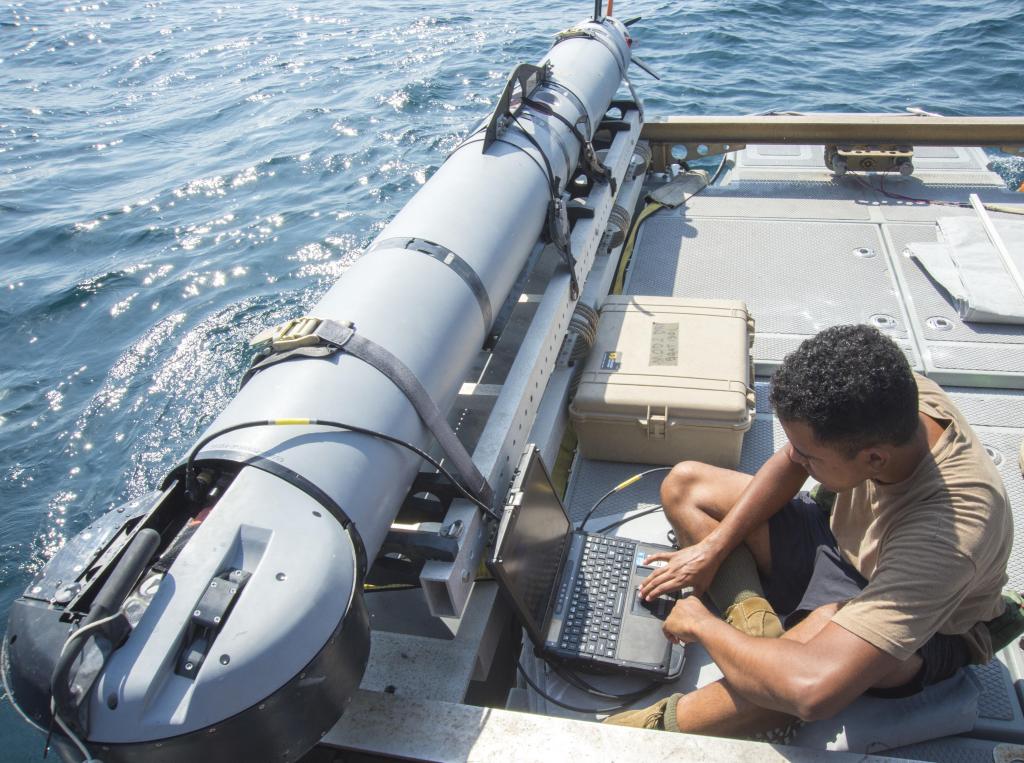
US Navy nears decisions on new small, medium underwater drones
The U.S. Navy is “well on its way” to delivering replacement small and medium unmanned underwater vehicles that will support the submarine and the expeditionary mine countermeasures communities.
-

Space Development Agency launches experimental infrared sensor into orbit
The demonstration will help the agency reduce background noise and detect hypersonic weapons from space.
-

Pentagon readies to identify integrated air and missile defense capability gaps
As the Joint Requirements Oversight Council continues to shape requirements needed to execute a new warfighting concept, it is planning to tackle integrated air-and-missile defense strategy.
-

Space Force planning for new component in the Middle East alongside AFCENT
Space Force leaders are hashing out a plan to create a new group under U.S. Central Command to coordinate what military space assets to use in the region.
-

Next flight test of hypersonic glide body expected by year’s end
The Army and Navy are preparing to conduct a second flight test of their hypersonic glide body, a critical milestone in the development of the Long-Range Hypersonic Weapon.
-
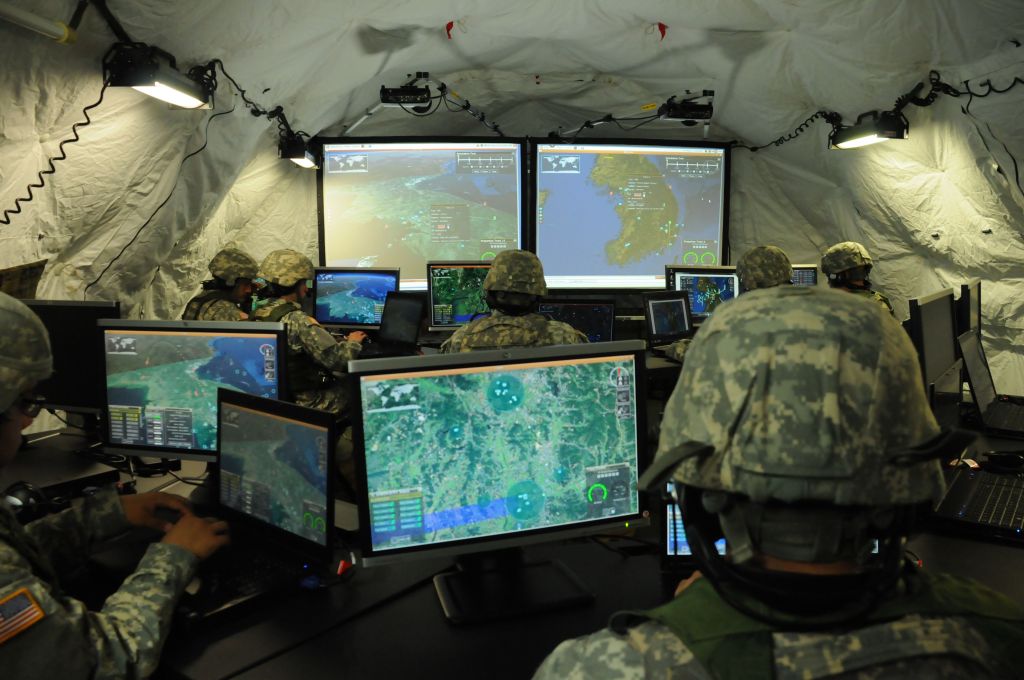
US Army’s critical missile defense system will play role at Project Convergence
The service is laser-focused on bringing the Integrated Battle Command System through an initial operational test set to begin next month.
-

Anti-satellite weapons push military to rethink where it puts missile sentinels in space
An increase in counterspace weapons is challenging the military’s approach of placing all of its billion-dollar eggs (exquisite satellites) in one basket (far-out geosynchronous orbit).
-

How will the Pentagon close the homeland missile defense gap?
Congress has renewed its push for answers on the Pentagon’s murky plans to develop a layered ballistic missile defense for the continental United States.
-

Navy willing to pay more for more maintainable ships
The Navy is willing to pay more for new ships upfront if it means saving on maintenance and personnel costs throughout the life of the program.
-

The Space Force wants to manage acquisitions by portfolio
Changing the service’s budget practices could enable more flexibility to shift funding among programs.