-
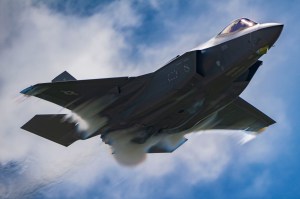
Fighters and bombers are what America needs to win — not quadcopters
Neglecting to build America’s fighters and bombers arsenal will put its ability to win future conflicts at risk, writes retired Gen. T. Michael Moseley.
-

Why the Defense Department needs a chief economist
Congress should authorize a chief economist to keep the DOD thinking about the dollars and cents of defense spending, the authors of this op-ed argue.
-

Getting more out of US-Australian defense cooperation
Canberra and Washington tend to view challenges in the Indo-Pacific through different ends of a strategic telescope.
-

Future of US defense depends on culture shift prioritizing innovation
Congress and DOD must recalibrate their defense technology acquisition approach, senior members of the House Armed Services Committee argue in this op-ed.
-

To deter Iran, US must rethink military basing in the Middle East
Geography is destiny, but when it comes to U.S. bases in the Middle East, it needn’t be, Gen. Kenneth F. McKenzie Jr. (ret.) writes in this op-ed.
-
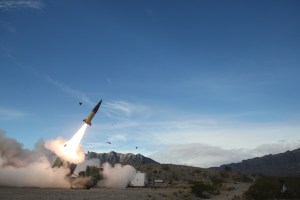
The case for giving Ukraine long-range striking power in Russia
The U.S. could benefit Ukraine by doing more to help it to conduct long-range strikes in Russia, the authors of this op-ed argue.
-

Talk of US Iraq withdrawal is disconnected from ISIS threat
Details of a future U.S. military posture in Iraq remain murky, but consequences of a premature withdrawal are clear, the author of this op-ed argues.
-
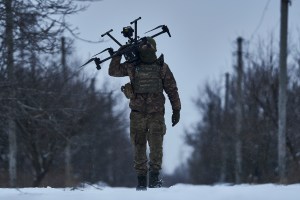
America’s future advantage depends on quick adoption of advanced tech
The U.S. military must learn from Ukraine and accelerate its adoption of advanced AI and robotics, former Defense Secretary Mark T. Esper argues.
-

What if Russia resumes nuclear tests?
Russia’s threatening nuclear rhetoric merits an in-kind response, argues RAND analyst and former nuclear test ban treaty negotiator William Courtney.
-

No, NATO doesn’t need to return to failed cluster munitions
Since their peak production period during the Cold War, a wide array of more accurate and reliable weapons has become available.
-
Fighters and bombers are what America needs to win — not quadcopters
Neglecting to build America’s fighters and bombers arsenal will put its ability to win future conflicts at risk, writes retired Gen. T. Michael Moseley.
-
Why the Defense Department needs a chief economist
Congress should authorize a chief economist to keep the DOD thinking about the dollars and cents of defense spending, the authors of this op-ed argue.
-
Getting more out of US-Australian defense cooperation
Canberra and Washington tend to view challenges in the Indo-Pacific through different ends of a strategic telescope.
-
Future of US defense depends on culture shift prioritizing innovation
Congress and DOD must recalibrate their defense technology acquisition approach, senior members of the House Armed Services Committee argue in this op-ed.
-
To deter Iran, US must rethink military basing in the Middle East
Geography is destiny, but when it comes to U.S. bases in the Middle East, it needn’t be, Gen. Kenneth F. McKenzie Jr. (ret.) writes in this op-ed.
-
The case for giving Ukraine long-range striking power in Russia
The U.S. could benefit Ukraine by doing more to help it to conduct long-range strikes in Russia, the authors of this op-ed argue.
-
Talk of US Iraq withdrawal is disconnected from ISIS threat
Details of a future U.S. military posture in Iraq remain murky, but consequences of a premature withdrawal are clear, the author of this op-ed argues.
-
America’s future advantage depends on quick adoption of advanced tech
The U.S. military must learn from Ukraine and accelerate its adoption of advanced AI and robotics, former Defense Secretary Mark T. Esper argues.
-
What if Russia resumes nuclear tests?
Russia’s threatening nuclear rhetoric merits an in-kind response, argues RAND analyst and former nuclear test ban treaty negotiator William Courtney.
-
No, NATO doesn’t need to return to failed cluster munitions
Since their peak production period during the Cold War, a wide array of more accurate and reliable weapons has become available.
-
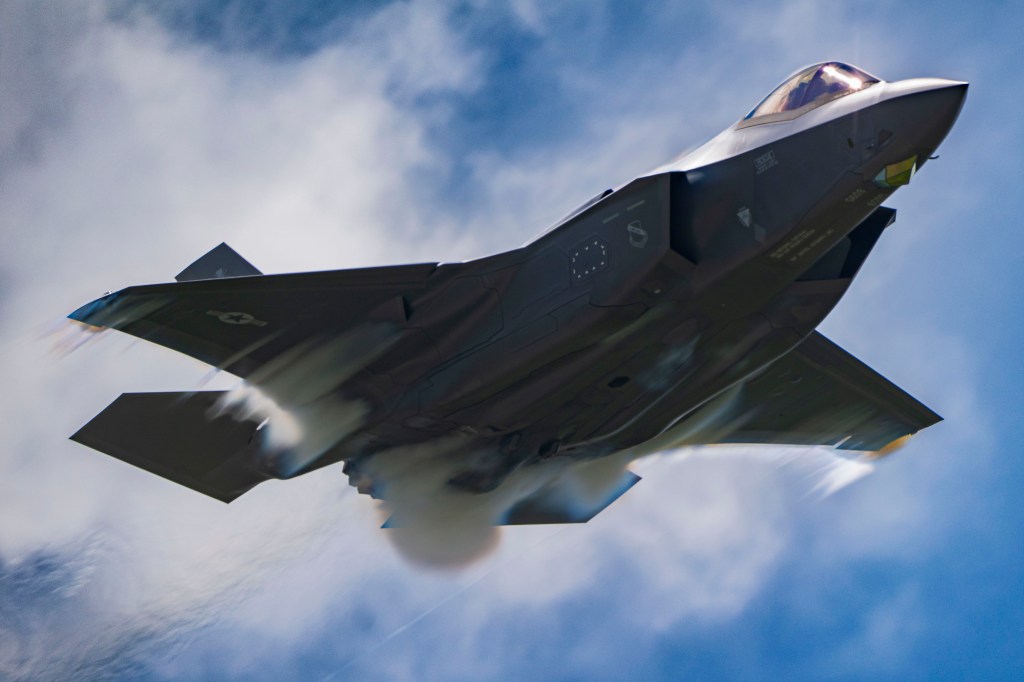
Fighters and bombers are what America needs to win — not quadcopters
Neglecting to build America’s fighters and bombers arsenal will put its ability to win future conflicts at risk, writes retired Gen. T. Michael Moseley.
-

Why the Defense Department needs a chief economist
Congress should authorize a chief economist to keep the DOD thinking about the dollars and cents of defense spending, the authors of this op-ed argue.
-
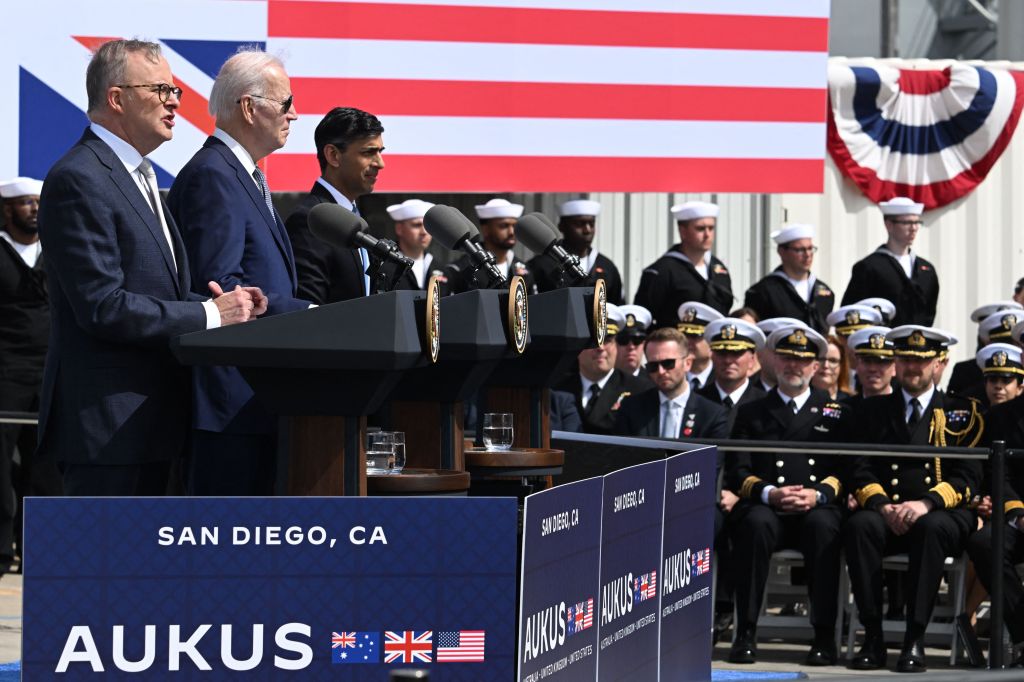
Getting more out of US-Australian defense cooperation
Canberra and Washington tend to view challenges in the Indo-Pacific through different ends of a strategic telescope.
-
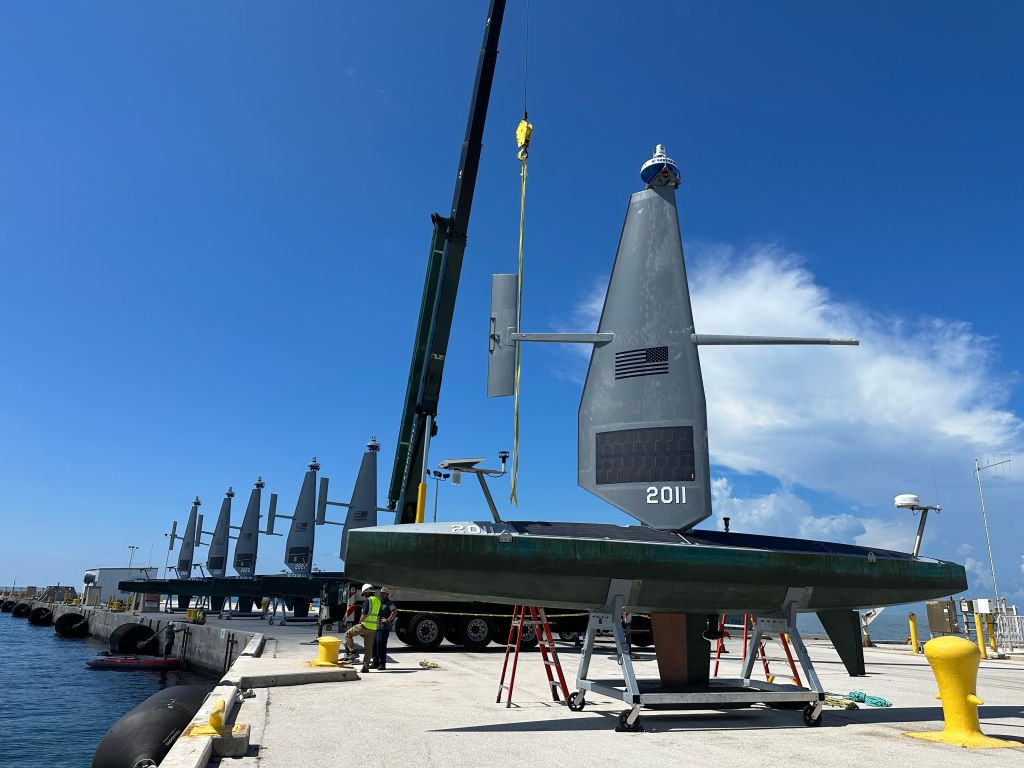
Future of US defense depends on culture shift prioritizing innovation
Congress and DOD must recalibrate their defense technology acquisition approach, senior members of the House Armed Services Committee argue in this op-ed.
-
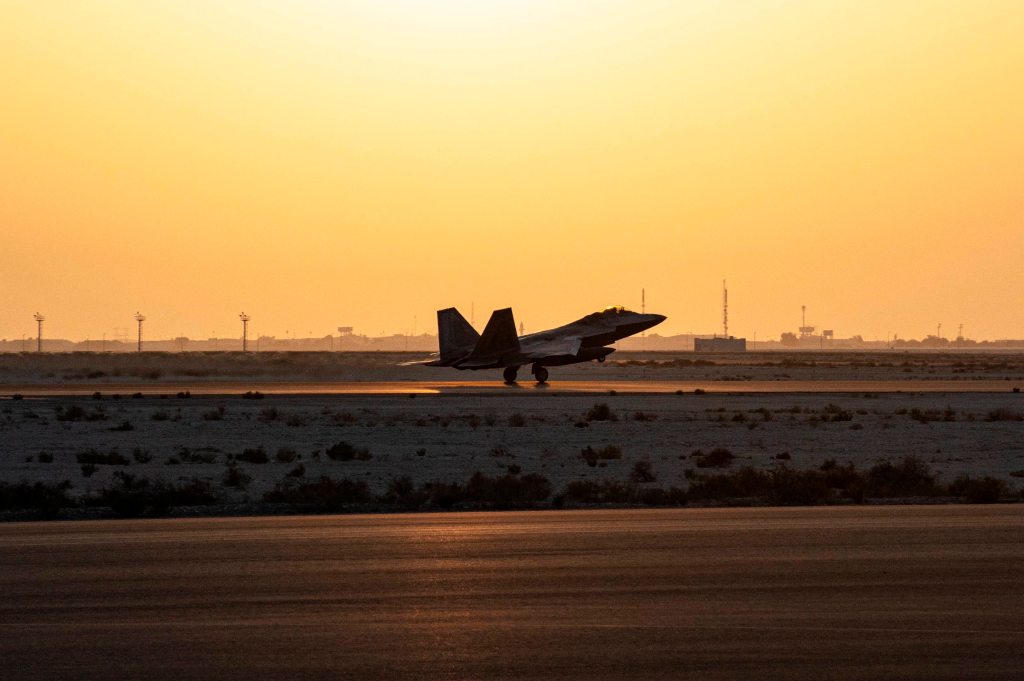
To deter Iran, US must rethink military basing in the Middle East
Geography is destiny, but when it comes to U.S. bases in the Middle East, it needn’t be, Gen. Kenneth F. McKenzie Jr. (ret.) writes in this op-ed.
-
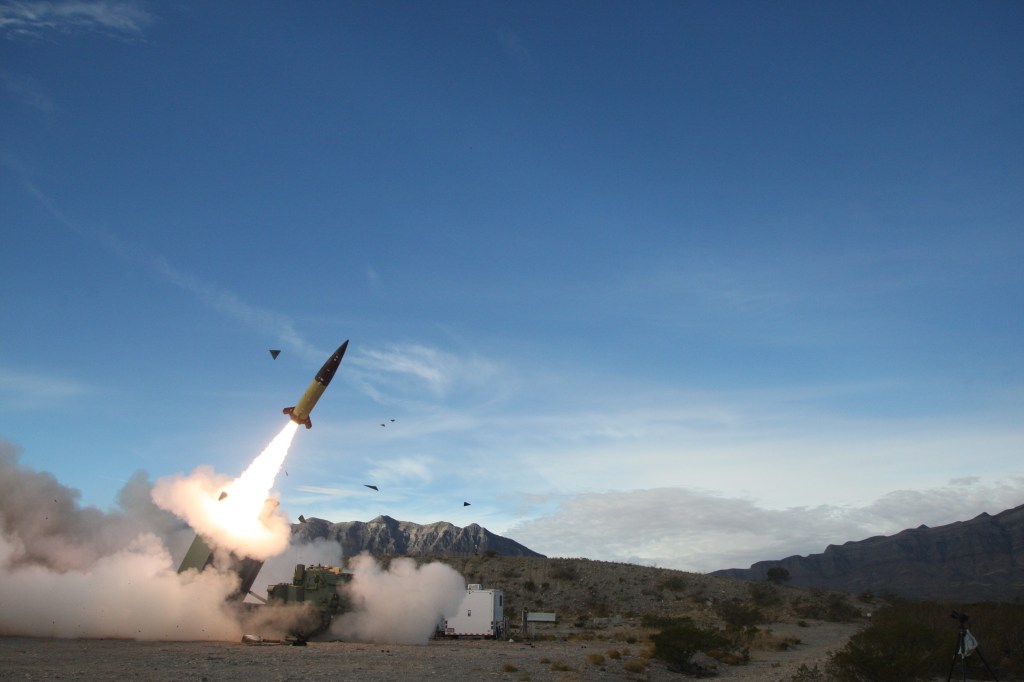
The case for giving Ukraine long-range striking power in Russia
The U.S. could benefit Ukraine by doing more to help it to conduct long-range strikes in Russia, the authors of this op-ed argue.
-

Talk of US Iraq withdrawal is disconnected from ISIS threat
Details of a future U.S. military posture in Iraq remain murky, but consequences of a premature withdrawal are clear, the author of this op-ed argues.
-
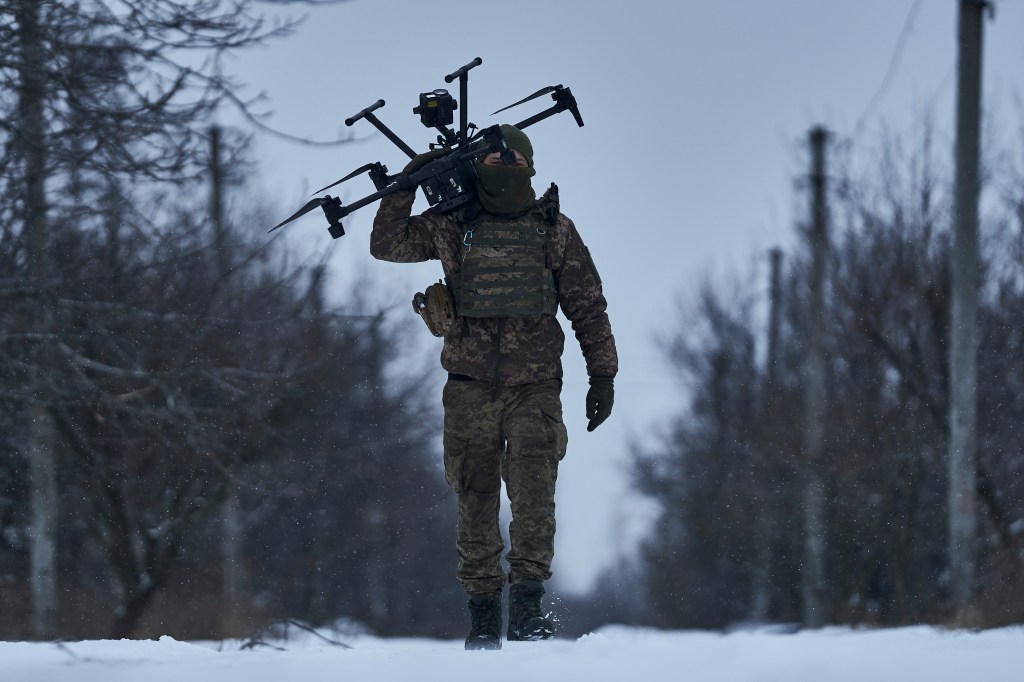
America’s future advantage depends on quick adoption of advanced tech
The U.S. military must learn from Ukraine and accelerate its adoption of advanced AI and robotics, former Defense Secretary Mark T. Esper argues.
-

What if Russia resumes nuclear tests?
Russia’s threatening nuclear rhetoric merits an in-kind response, argues RAND analyst and former nuclear test ban treaty negotiator William Courtney.
-

No, NATO doesn’t need to return to failed cluster munitions
Since their peak production period during the Cold War, a wide array of more accurate and reliable weapons has become available.